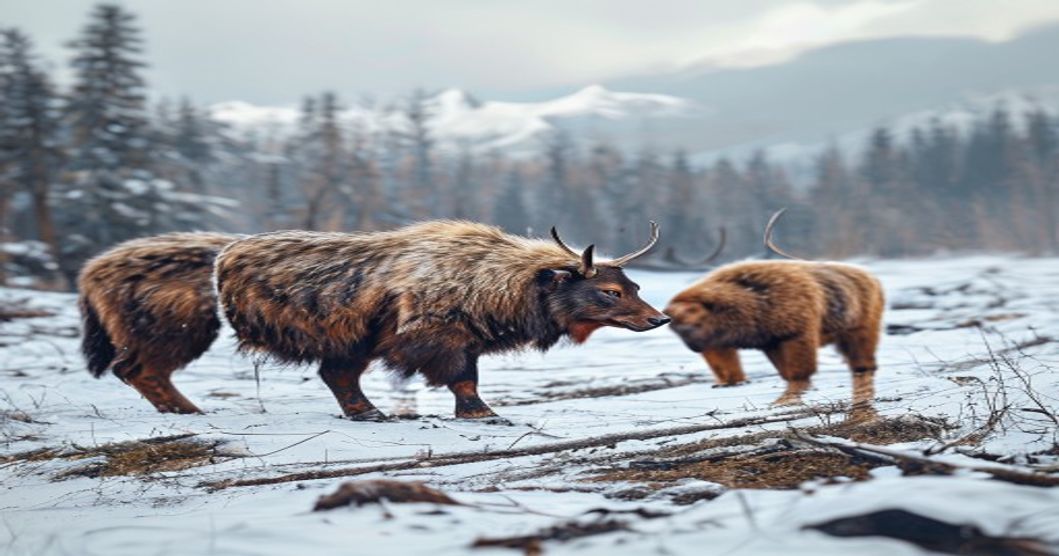
The Ecological and Cultural Foundations of Traditional Sami Animal Tracking
Traditional Sami animal tracking methods emerged from centuries of symbiotic coexistence with the Arctic and subarctic ecosystems of Sápmi. Rather than relying on modern technology, indigenous herders and hunters developed a highly sophisticated system of environmental observation. This knowledge was transmitted orally across generations, emphasizing deep ecological literacy. The core objective was not merely locating game, but understanding the behavioral ecology of reindeer, moose, wolverine, and Arctic fox within shifting tundra and boreal forest biomes.
Seasonal Migration Patterns and Environmental Cues
Sami trackers synchronize their movements with the annual cycles of wildlife. Reindeer follow precise migration corridors dictated by lichen availability, insect pressure, and snow depth. During spring calving seasons, trackers monitor wind direction to prevent alarming pregnant females, while autumn rutting periods require silent movement through dense birch forests. The Sami utilize seasonal light transitions as natural tracking windows; the polar twilight hours provide optimal visibility for reading subtle ground disturbances without casting long shadows that could alert prey.
Snow and Ice Reading: Advanced Track Analysis Techniques
Mastering snowpack dynamics is the cornerstone of traditional Nordic animal tracking. The Sami analyze snow stratigraphy to determine track age, direction, and species. Fresh snow reveals immediate movement patterns, while wind-packed crusts indicate older trails that have been recrossed multiple times.
Gait Patterns and Weight Distribution Analysis
Differentiating between species requires precise observation of stride length, hoof prints, and gait symmetry. Reindeer exhibit a pacing-like trot during steady travel, with distinct cloven hoof impressions that deepen in soft powder but remain shallow on wind-scoured ridges. Moose tracks show larger, more widely spaced prints with noticeable drag marks from the dewclaws. Wolverines leave a straight-line trail with overlapping paw pads, while Arctic foxes demonstrate a direct register gait where hind paws land precisely in front impressions, conserving energy across frozen tundra.
Terrain Interaction and Snow Crust Formation
Trackers interpret how animals interact with varying snow conditions. In areas with wind-drifted sastr
Frequently Asked Questions
What is Traditional Sami Animal Tracking Methods?
Traditional Sami animal tracking methods refer to the indigenous hunting and tracking techniques developed by the Sámi people of northern Scandinavia and the Kola Peninsula. These methods rely on deep knowledge of reindeer, fox, and other local wildlife behavior, combined with an intimate understanding of Arctic landscapes, weather patterns, and animal tracks. Historically used for survival and sustainable hunting, these practices emphasize patience, observation, and minimal environmental impact.
Key facts about Traditional Sami Animal Tracking Methods
Key facts include the use of snow and ice reading to determine animal age, sex, and direction of movement; the application of specialized tracking tools like the tracking knife and traditional snowshoes; the integration of reindeer herding knowledge into predator tracking; the reliance on generational oral transmission of tracking skills; and the ecological sustainability inherent in these methods, which prioritize coexistence with wildlife rather than overhunting.