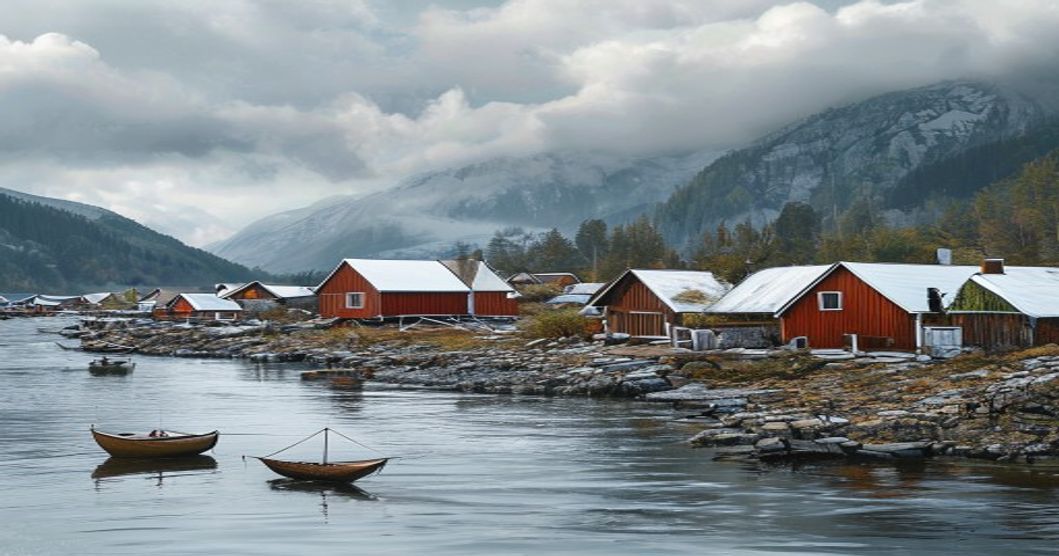
Historical Foundations of Coastal Sámi Fishing Communities
The coastal Sámi have inhabited the northern Norwegian archipelagos for millennia, developing a distinct maritime identity shaped by the North Atlantic Current and extreme Arctic climate conditions. Unlike inland Sámi populations traditionally focused on reindeer pastoralism, coastal settlements established permanent villages along the Lofoten, Vesterålen, and Tromsø coastlines where winter cod migrations created a reliable economic foundation.
Divergent Cultural Trajectories Between Maritime and Inland Groups
Coastal Sámi communities evolved through seasonal fishing cycles rather than nomadic herding patterns. Archaeological excavations in Bø (Vesterålen) and Røst (Lofoten) confirm continuous habitation dating back to the Migration Period (400–600 CE). These villages functioned as independent fish-processing centers where stockfisk (air-dried cod) served as both a dietary cornerstone and an international trade good exchanged with medieval European merchants.
Traditional Harvesting Techniques and Environmental Adaptation
Sámi fishermen historically utilized wooden clinker-built vessels, hand-woven netting, and elevated drying racks positioned within natural wind corridors. The production of tørrfisk depended on precise humidity regulation and sub-zero temperatures between January and March. Contemporary archaeological analyses demonstrate that these methods maintained ecological equilibrium by targeting only mature cod stocks, preventing overharvesting centuries before modern sustainability frameworks existed.
Living Traditions and Indigenous Knowledge Systems
The cultural architecture of northern Norwegian fishing villages remains deeply connected to Sámi linguistic heritage, artisanal production, and communal resource management. Contemporary practitioners preserve Sámi duodji (traditional handicrafts) using fishbone, cured leather, and hardened wood to create functional implements that reflect centuries of ecological observation.
Linguistic Preservation and Artisanal Continuity
Northern Sámi dialects dominate coastal municipalities such as Tjeldsund, Sortland, and Kvæfjord. Village elders maintain oral transmission of fishing meteorology, tidal rhythms, and species behavior through structured narrative practices. Regional craft workshops continue producing hand-forged hooks, braided lines, and wooden processing tools that adhere to historically documented specifications.
Spiritual Ecology and Marine Stewardship
Sámi cosmology traditionally frames the ocean as a living system requiring reciprocal respect. Ritual observances surrounding the first spring catch emphasized gratitude toward marine forces and environmental equilibrium. Historical ethnographic records indicate that harvesting limits were historically determined through community consensus rather than external mandates, guaranteeing resource longevity across generations.
Ecosystem Dynamics and Regional Geography
The coastal waters extending from Narvik to Vardø constitute one of the most productive marine ecosystems globally. Cold Arctic currents intersect with warm Atlantic streams, generating nutrient-dense upwellings that sustain massive populations of cod, haddock, and halibut.
Fjord Topography and Pelagic Migration Routes
Steep underwater ridges and submerged plateaus dictate seasonal fish movement patterns. Cod spawning grounds concentrate near Værøy and Røst shallow channels, where tidal fluctuations facilitate natural breeding cycles. Marine biologists observe that these geological formations naturally filter suspended particles while providing juvenile species with winter shelter.
Climate Vulnerability and Conservation Protocols
Shifting sea temperatures have altered traditional migration timelines, prompting adaptive management strategies. Local authorities and Sámi cooperatives now implement real-time monitoring systems tracking water salinity, plankton density, and fish biomass distribution. Sustainable tourism initiatives restrict vessel access during critical spawning periods while funding habitat restoration projects along eroded shorelines.
Practical Navigation and Ethical Engagement Frameworks
Visiting these remote coastal settlements requires strategic planning due to limited infrastructure and strict environmental regulations. Access routes depend on seasonal ferry schedules, mountain passes, and coastal highway conditions that shift dramatically between winter storms and summer midnight sun periods.
Transportation Logistics and Route Planning
The E10 national highway connects primary fishing hubs while regional ferries link isolated islands to mainland transportation networks. Travelers must verify tide-dependent access roads, as several historic villages become temporarily inaccessible during high-water cycles. Recommended accommodation clusters operate around Stamsund, Henningsvær, and Grøtt where heritage tours function year-round.
Community Support Guidelines and Cultural Respect Protocols
Ethical tourism demands direct engagement with Sámi-owned enterprises, certified craft markets, and family-run fishing museums. Visitors should prioritize locally sourced seafood prepared using traditional smoking and drying techniques while avoiding unauthorized documentation of private processing facilities. Revenue generated through community-managed tour operators directly funds language revitalization programs and marine research initiatives.
Frequently Asked Questions
What is Sami Fishing Villages in Northern Norway?
Sami Fishing Villages in Northern Norway refer to traditional coastal settlements where the indigenous Sami people have historically combined reindeer herding with coastal fishing. These communities are located in the northernmost regions of Norway, blending indigenous culture with the rugged Arctic landscape and maritime traditions.
Key facts about Sami Fishing Villages in Northern Norway?
Key facts include their historical reliance on both coastal fishing and reindeer herding, their location in Finnmark and Troms counties, their unique cultural heritage recognized by UNESCO, the preservation of the Sami language (Sami dialects), and their adaptation to extreme Arctic climates while maintaining sustainable traditional livelihoods.