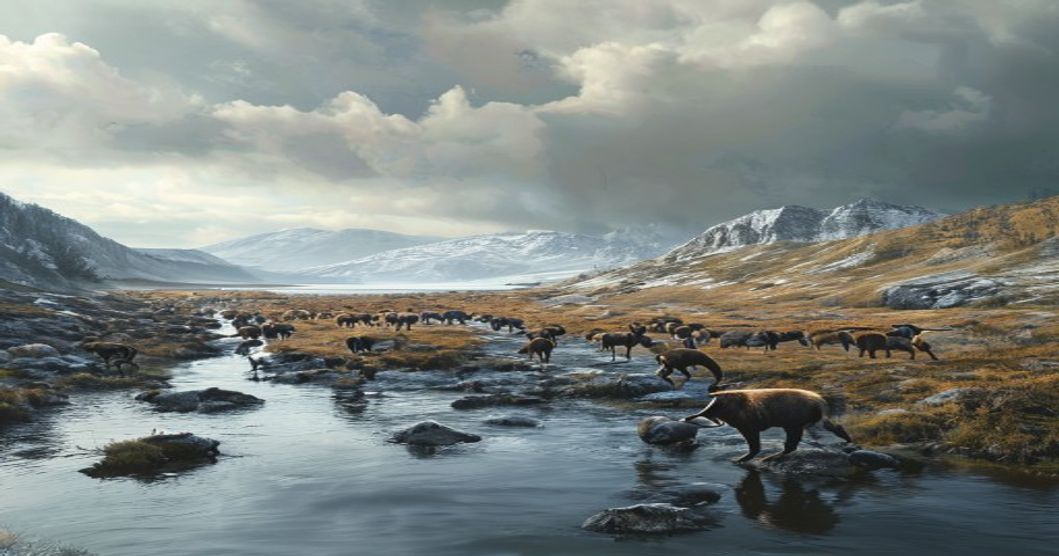
Sami Migration Across Northern Europe
Prehistoric Settlement and Early Routes
Archaeological evidence places Komsa culture inhabitants along the Norwegian coast by 10,000 BCE. These groups followed caribou migrations across tundra and taiga zones. Later, the Fosna-Hensbacka culture expanded inland. Settlement patterns shifted toward lake networks and river valleys during the Neolithic period.
Medieval Trade Networks and Seasonal Movements
Viking-era chronicles document Sámi tribute payments in fur and antler. Traders moved boots and iron tools to northern markets in exchange for dried meat. Seasonal routes connected inland pastures with coastal trading hubs like Trondheim. Winter fairs facilitated exchange between Norse settlers and indigenous herders.
Geographic Scope of Sami Territories
Cross-Border Regions in Norway, Sweden, and Finland
The Sápmi region spans 380,000 square kilometers across three sovereign states. Modern borders ignore historical grazing corridors. Finnmark County hosts the highest density of registered herding districts. Swedish Lapland contains vast forested herding zones. Finnish Lapland relies heavily on lake-based winter routes.
Ecological Boundaries and Climatic Zones
The tree line defines the northern limit of sustainable forestry. Tundra zones support low-yield lichen pastures during winter months. Boreal forests provide shelter during harsh Arctic storms. Coastal fjords offer milder microclimates for year-round settlement.
Historical Drivers of Migration
Resource Availability and Herding Cycles
Reindeer herds require seasonal movement to avoid overgrazing. Summer pastures lie in high-altitude tundra plateaus. Winter pastures depend on underground lichen accessibility. Calving grounds shift annually based on snow depth and predator pressure.
Colonial Encroachment and Forced Relocation
Norwegian taxation laws penalized mobile livelihoods. Forestry regulations restricted access to lichen-bearing pine stands. Religious missions imposed permanent housing near churches. These policies disrupted traditional migration schedules.
Cultural and Linguistic Shifts During Migration
Dialect Divergence and Oral Traditions
North Sámi dominates commercial reindeer herding zones. South Sámi speakers retain older duodji craft terminology. Inari Sámi developed separate fishery vocabulary along lake systems. Joik performance transmitted navigation routes across generations.
Adaptation to Coastal, Forest, and Fjord Environments
Coastal Sámi utilized seal hunting and cod fishing alongside herding. Forest Sámi groups managed wild reindeer populations through controlled burns. Fjord communities developed ice-road networks for winter transit. Material culture shifted from bone tools to imported steel during the 18th century.
Modern Legal and Land Rights Frameworks
Indigenous Recognition in Northern European States
Norway granted Sámi Parliament legislative advisory power in 1989. Sweden established a Sámi Rights Commission in 2011. Finland recognized Sámi language as an official minority tongue. The ILO Convention 169 applies only to Norway and Sweden.
Contemporary Land Use Conflicts
Wind farm permits overlap with critical winter grazing corridors. Mining concessions target mineral-rich herding districts. Forestry operations clear lichen-bearing pine stands. The Gransberg case set precedent for Sámi consultation requirements.
Climate Change and Future Migration Trends
Impact on Traditional Pastures and Routes
Ice crust formation blocks access to underground lichen during winter. Permafrost thaw destabilizes ancient migration paths. Unpredictable snowfall disrupts calving season timing. Forest encroachment consumes open tundra grazing zones.
Community-Led Adaptation Strategies
Satellite tracking monitors real-time herd locations. Digital mapping documents disputed grazing boundaries. Youth programs teach traditional navigation alongside GPS usage. Cross-border herding cooperatives negotiate shared pasture access.
“`html
Frequently Asked Questions: Sami Migration Across Northern Europe
What is Sami Migration Across Northern Europe?
Sami migration across Northern Europe refers to the seasonal and historical movement patterns of the Sámi people, an indigenous population inhabiting the northern regions of Norway, Sweden, Finland, and the Kola Peninsula of Russia. Traditionally, Sámi herders migrate with their reindeer herds between summer and winter pastures, following established routes that have been used for thousands of years. These migrations are deeply tied to the Arctic and sub-Arctic ecosystems, adapting to extreme climate conditions and the availability of lichen, the primary food source for reindeer. In modern times, Sámi migration is also influenced by contemporary factors such as border regulations, land-use policies, mining operations, and climate change, which have disrupted traditional routes and challenged the sustainability of reindeer herding as a livelihood.
Key facts about Sami Migration Across Northern Europe
- The Sámi are the only officially recognized indigenous people of the European Union and the Nordic countries.
- Reindeer herding, the core of Sámi migration, requires traversing vast distances—some routes extend over 300 kilometers between seasonal pastures.
- Historically, Sámi migration routes crossed what are now international borders between Norway, Sweden, Finland, and Russia, but modern border controls have significantly restricted these movements.
- Approximately 80,000 Sámi people live in Northern Europe today, with only a fraction actively engaged in reindeer herding.
- In Norway, Sweden, and Finland, Sámi have legal rights to reindeer herding within designated “reindeer herding areas,” governed by national Sámi Acts and the Swedish Reindeer Herding Act.
- Climate change is altering snow conditions and vegetation patterns in the Arctic, forcing Sámi herders to adjust migration schedules and routes more frequently than in previous centuries.
- Industrial development, including wind farms, logging, and mining, continues to fragment traditional grazing lands and create conflicts over land use in Sápmi (Sámi homeland).
- The Sámi Parliaments of Norway, Sweden, and Finland play a role in advocating for Sámi migration rights and protecting reindeer herding as a cultural and economic practice.
“`
“`json
{
“@context”: “https://schema.org”,
“@type”: “FAQPage”,
“mainEntity”: [
{
“@type”: “Question”,
“name”: “What is Sami Migration Across Northern Europe?”,
“acceptedAnswer”: {
“@type”: “Answer”,
“text”: “Sami migration across Northern Europe refers to the seasonal and historical movement patterns of the Sámi people, an indigenous population inhabiting the northern regions of Norway, Sweden, Finland, and the Kola Peninsula of Russia. Traditionally, Sámi herders migrate with their reindeer herds between summer and winter pastures, following established routes that have been used for thousands of years. These migrations are deeply tied to the Arctic and sub-Arctic ecosystems, adapting to extreme climate conditions and the availability of lichen, the primary food source for reindeer. In modern times, Sámi migration is also influenced by contemporary factors such as border regulations, land-use policies, mining operations, and climate change, which have disrupted traditional routes and challenged the sustainability of reindeer herding as a livelihood.”
}
},
{
“@type”: “Question”,
“name”: “Key facts about Sami Migration Across Northern Europe”,
“acceptedAnswer”: {
“@type”: “Answer”,
“text”: “The Sámi are the only officially recognized indigenous people of the European Union and the Nordic countries. Reindeer herding, the core of Sámi migration, requires traversing vast distances—some routes extend over 300 kilometers between seasonal pastures. Historically, Sámi migration routes crossed what are now international borders between Norway, Sweden, Finland, and Russia, but modern border controls have significantly restricted these movements. Approximately 80,000 Sámi people live in Northern Europe today, with only a fraction actively engaged in reindeer herding. In Norway, Sweden, and Finland, Sámi have legal rights to reindeer herding within designated ‘reindeer herding areas,’ governed by national Sámi Acts and the Swedish Reindeer Herding Act. Climate change is altering snow conditions and vegetation patterns in the Arctic, forcing Sámi herders to adjust migration schedules and routes more frequently than in previous centuries. Industrial development, including wind farms, logging, and mining, continues to fragment traditional grazing lands and create conflicts over land use in Sápmi (Sámi homeland). The Sámi Parliaments of Norway, Sweden, and Finland play a role in advocating for Sámi migration rights and protecting reindeer herding as a cultural and economic practice.”
}
}
]
}
“`