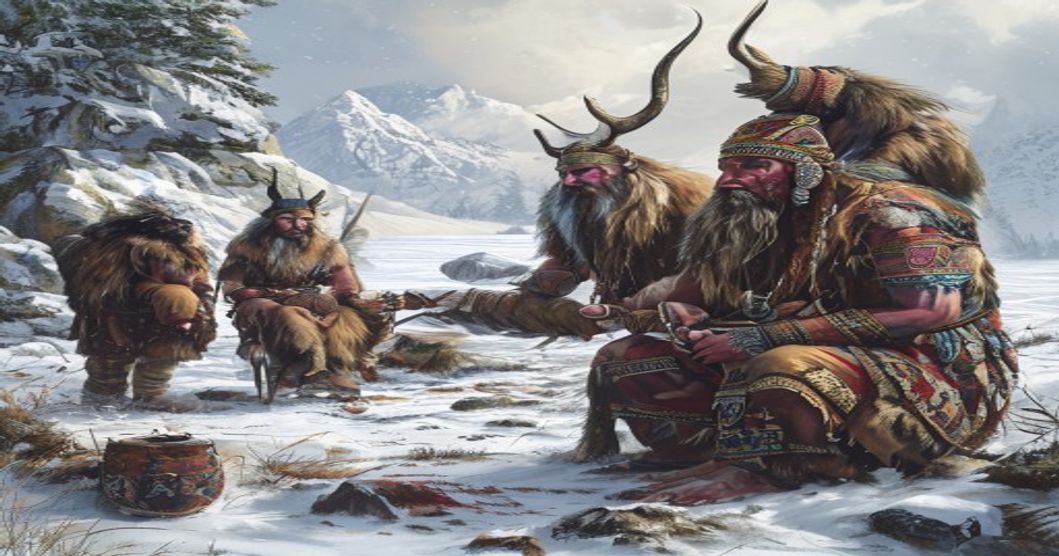
The Samis Oral Legacy: Ecological Wisdom and Cultural Continuity
The Sami oral tradition represents one of the most sophisticated systems of indigenous knowledge, meticulously encoding Arctic ecosystems across generations. Rooted in the subarctic landscapes of Fennoscandia, this legacy functions not merely as folklore but as a dynamic repository of ecological data, climate adaptation strategies, and sustainable resource management. Through carefully transmitted narratives, the Sami oral heritage maintains a continuous dialogue between human communities and their environment, ensuring that ecological principles remain embedded in daily practice.
Decoding Myth in Sami Cosmology
Sacred Landscapes and Spiritual Geography
Sami mythology maps the Arctic environment through a framework of spiritual geography where every mountain, lake, and birch grove holds narrative significance. The concept of sieidi (sacred stones) and noaidi (spiritual guides) illustrates how mythological constructs directly regulate territorial boundaries and resource access. These narratives operate as ecological zoning systems, designating protected areas for reindeer grazing, fishing grounds, and seasonal migration routes without written documentation.
The Role of Ancestral Figures in Oral Narratives
Ancestral archetypes within Sami oral narratives serve as pedagogical tools for environmental ethics. Trickster figures like Rievokkâ and heroic shamans encode warnings about overharvesting, climate anomalies, and inter-species dependencies. These characters function as ecological messengers, translating complex ecosystem dynamics into memorable story structures that reinforce sustainable hunting, reindeer husbandry, and forest stewardship across generations.
Ritual Practices as Ecological Regulation
Seasonal Ceremonies and Resource Management
Sami ritual ecology operates through cyclical ceremonies that synchronize human activity with natural rhythms. Fasting rituals, blood offerings, and drumming sequences historically marked critical ecological thresholds: calving seasons, salmon runs, and reindeer migration cycles. These practices functioned as indigenous environmental monitoring systems, embedding seasonal ceremonies directly into subsistence strategies while maintaining biodiversity through regulated harvest intervals.
The Joik as a Living Archive of Environmental Memory
The joik tradition transcends musical expression to function as an acoustic archive of ecological change. Each melodic variation captures specific environmental markers: wind patterns, animal vocalizations, glacial movements, and floral phenology. Modern ethnomusicological research confirms that Sami joik melodies preserve baseline climate data spanning centuries, offering invaluable comparative metrics for tracking Arctic warming trends and ecosystem shifts.
Contemporary Relevance and Preservation Challenges
Climate acceleration threatens the very ecosystems that sustain Sami oral heritage, while linguistic erosion accelerates the loss of ecological terminology. Contemporary preservation initiatives leverage digital archiving, community-led documentation, and academic partnerships to safeguard this knowledge system. Understanding the indigenous knowledge preservation frameworks embedded in Sami practices provides critical insights for global sustainability models, demonstrating how Sami oral tradition continues to inform modern ecological resilience strategies.
The Sami Oral Corpus and Ecological Frameworks
The Sami oral corpus predates Scandinavian settlement by millennia. These narratives function as ecological archives and legal frameworks. They encode survival strategies for Arctic environments.
Vocal Techniques and Mnemonic Structures
The **joik** operates as a mnemonic device rather than mere entertainment. Each performance activates specific memory palaces for hunters. Colonial bans suppressed these vocal techniques for generations. Linguists now reconstruct lost phonetic patterns from archival field recordings.
Reciprocity and Resource Management
Reciprocity dictates every ecological interaction in Sami cosmology. Hunters offer first blood to forest spirits before harvesting. Seasonal festivals mark celestial events rather than agricultural cycles. These rituals establish binding contracts between mortal communities and environmental forces.
Deity Hierarchies and Territorial Jurisdictions
Deities govern specific territories rather than universal domains. Localized worship explains regional mythological variations. Clan leaders mediated between mortal communities and spiritual entities.
The Tripartite Cosmos
The cosmos divides into three distinct strata. The **Upperworld** houses solar and lunar deities. A primordial birch tree anchors these realms together. Shamanic journeys traverse these layers during altered states.
Elemental Sovereigns and Sacred Sites
**Máhtte** controls soil fertility and mountain stability. **Bieggolmmái** governs wind patterns and storm severity. Ancestral **sieidi** stones retain fragmented consciousness of deceased shamans. Pilgrims leave iron offerings to appease these localized powers.
Visual Symbolism and Ritual Mechanics
Visual motifs translate abstract cosmological concepts into tangible objects. Drum patterns map celestial movements across leather surfaces. Ritual objects require precise handling to maintain spiritual efficacy.
The Noaidi and Ritual Practices
The **noaidi** channels spirit guides through controlled drumming sequences. Drum heads display mapped constellations and territorial boundaries. These ceremonies regulate community resource distribution and conflict resolution. Iron rods and reindeer antlers amplify ritual vibrations.
Animal Totems and Lunar Cycles
Reindeer, fox, and wolverine function as clan identifiers rather than mere symbols. Lunar phases dictate hunting permissions and fishing restrictions. Animal migrations trigger specific mythological narratives across different Sami groups. Totemic bonds establish legal ownership of hunting grounds.
Preservation and Modern Relevance
Colonial suppression nearly erased indigenous knowledge systems. Academic expeditions recovered fragmented manuscripts from remote archives. Contemporary creators reinterpret ancient motifs for digital platforms. Legal frameworks now protect these narratives as cultural heritage.
Documenting Lost Narratives
19th-century missionaries destroyed thousands of ritual drums. Linguists cross-reference Swedish and Norwegian archival records. Digital repositories preserve audio frequencies that static texts cannot capture. Archival gaps require forensic reconstruction techniques.
Contemporary Adaptations and Cultural Revival
Modern Sami authors integrate mythological structures into political fiction. Festival circuits revive seasonal ceremonies with academic oversight. Educational programs teach drum divination alongside mathematics. International treaties recognize these narratives as intellectual property.
Frequently Asked Questions
What is Ancient Sami Legends and Folktales?
Ancient Sami Legends and Folktales refer to the rich oral traditions, myths, and stories passed down through generations by the Sámi people, the indigenous inhabitants of northern Fennoscandia. These narratives often feature supernatural beings like the Noaidi (shamans), the magical drum, and creatures such as the Stallo and the Hábme, reflecting the Sámi’s deep connection to nature, spirituality, and survival in the Arctic environment.
Key facts about Ancient Sami Legends and Folktales
Key facts include: (1) They were primarily oral traditions before being documented in the 19th and 20th centuries. (2) The joik, a traditional form of singing, is closely tied to these stories. (3) Nature and animals are central themes, often portrayed as spiritual entities. (4) The Sámi drum was used for divination and storytelling. (5) Modern Sámi culture has seen a revival of these folktales through literature, music, and festivals.