The Fragile Balance of Arctic Ecosystems
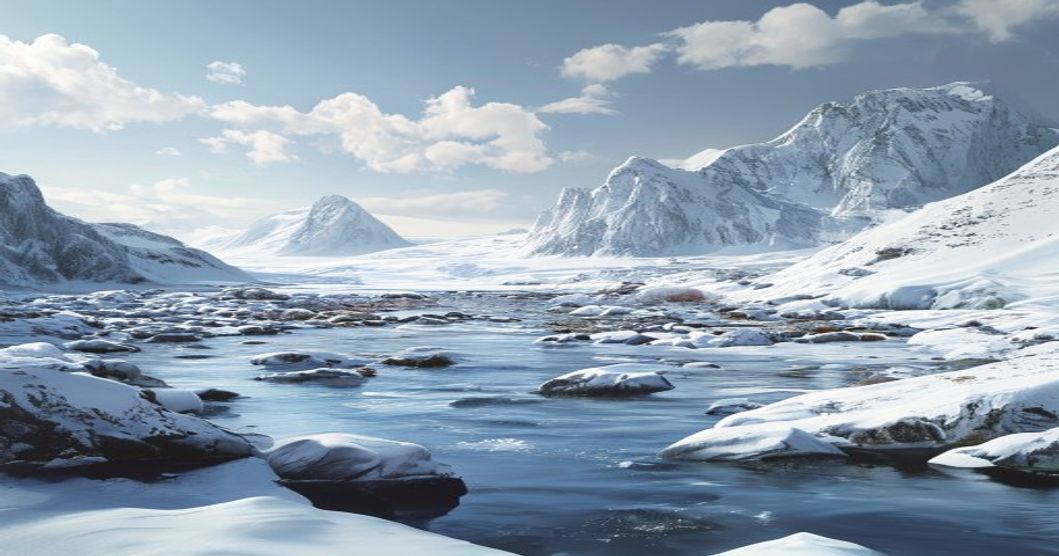
The Arctic ecosystems represent one of Earth’s most climate-sensitive biomes, characterized by extreme cold, short growing seasons, and specialized biodiversity. Stretching across the northern latitudes, these regions function as global climate regulators through permafrost carbon storage, albedo effects, and oceanic circulation patterns. The delicate equilibrium of Arctic flora and fauna relies on precise thermal gradients and seasonal light cycles that dictate migration, reproduction, and nutrient cycling.
Permafrost Dynamics and Carbon Feedback Loops
Permafrost occupies approximately twenty-four percent of the Northern Hemisphere’s land surface, locking away vast quantities of ancient organic matter. As ambient temperatures rise, microbial decomposition accelerates, releasing methane and carbon dioxide into the atmosphere. This positive feedback loop threatens to amplify global warming trajectories, making Arctic soil stability a critical variable in climate modeling and carbon budget calculations.
Marine and Terrestrial Food Webs
Arctic food networks depend on keystone species such as ringed seals, polar bears, Arctic char, and lichen-dominated tundra vegetation. Phytoplankton blooms during the polar summer initiate primary production that sustains zooplankton, which in turn supports fish populations and apex predators. Terrestrial herbivores rely on seasonal forage cycles synchronized with snowmelt patterns, demonstrating how tightly coupled biological processes are to environmental cues.
Sami Heritage and Traditional Ecological Knowledge
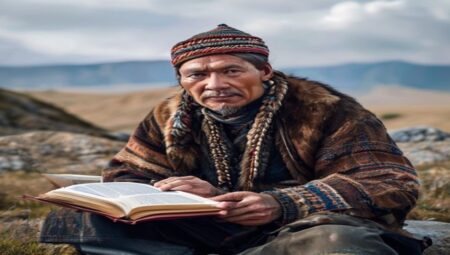
The Sami culture encompasses indigenous communities spanning Norway, Sweden, Finland, and Russia’s Kola Peninsula, united by linguistic diversity, spiritual connection to the land, and centuries of adaptive survival. Central to Sami identity is Traditional Ecological Knowledge (TEK), a sophisticated system of observation, documentation, and intergenerational learning that tracks ecological shifts over millennia. This knowledge base informs resource management, navigation, and seasonal planning with remarkable precision.
Reindeer Herding as an Adaptive Livelihood
Reindeer herding remains the economic and cultural cornerstone of many Sami communities. Herders follow migratory routes dictated by forage availability, predation pressure, and weather conditions. By rotating grazing pastures across altitudinal and latitudinal gradients, Sami pastoralists prevent overgrazing, maintain vegetation recovery periods, and sustain herd health through cyclical land use rather than static boundaries.
Language, Oral Tradition, and Environmental Stewardship
Sami languages encode precise ecological vocabulary, distinguishing snow conditions, reindeer behavior, and landscape features in ways that scientific taxonomies often overlook. Oral narratives function as environmental archives, transmitting warnings about ice stability, predator movements, and seasonal anomalies. This linguistic precision ensures that land-based education remains continuous, embedding conservation ethics directly within cultural practice.
Climate Change Threats to Northern Landscapes and Communities
The Arctic is warming at nearly four times the global average, accelerating ecosystem transformation and destabilizing indigenous livelihoods. Thawing ground compromises infrastructure, shifts species distributions, and alters hydrological cycles that communities have navigated for generations. These rapid changes demand urgent adaptation strategies that respect both ecological limits and cultural continuity.
Disruption of Reindeer Pastures and Forage Cycles
Increased winter precipitation followed by freeze-thaw cycles creates impenetrable ice layers over lichen pastures, starving reindeer during critical months. Famine events among herds have become more frequent, directly threatening food security and economic stability for Sami families. Shifts in vegetation phenology further complicate grazing schedules
Frequently Asked Questions
What is Arctic Ecosystems and Sami Communities?
Arctic Ecosystems refer to the unique and fragile environments found in the polar regions, characterized by extreme cold, permafrost, and specialized flora and fauna. The Sami Communities are the Indigenous people of Sápmi, a region spanning northern parts of Norway, Sweden, Finland, and Russia, known for their reindeer herding, traditional crafts, and deep cultural connection to these Arctic landscapes.
Key facts about Arctic Ecosystems and Sami Communities
The Arctic is warming nearly four times faster than the global average, threatening both biodiversity and traditional Sami livelihoods. Reindeer herding, a cornerstone of Sami culture, relies heavily on lichen pastures that are increasingly disrupted by climate change and industrial development. The Sami people have inhabited the Arctic for millennia, maintaining a sustainable relationship with the environment through ancient ecological knowledge. International efforts are now focusing on protecting Arctic habitats while legally recognizing Sami land rights and cultural heritage.