The Cultural Significance of Traditional Sámi Games
Traditional Sami games represent a vital component of Indigenous heritage across Fennoscandia, serving as dynamic repositories of ecological knowledge, social cohesion, and spiritual worldview. Unlike modern recreational sports, these activities emerged directly from the harsh Arctic environment, where physical prowess, strategic thinking, and environmental awareness determined survival. Each game encodes centuries of adaptation to tundra and taiga ecosystems, reflecting the Sámi people’s profound relationship with reindeer herding, seasonal migrations, and communal governance.
Reindeer Herding and Survival Skills
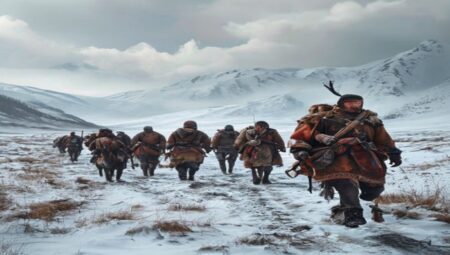
Many traditional Sami games functioned as practical training simulations for pastoralist life. Games involving mock cattle drives, antler manipulation, and reindeer tracking sharpened the motor skills required for managing large herds across frozen landscapes. Participants learned to read snow drifts, interpret wind patterns, and navigate using celestial markers, all while maintaining the physical endurance necessary for long winter expeditions. These exercises were not merely entertainment but essential pedagogical tools passed orally through generations.
Storytelling and Rhythmic Play
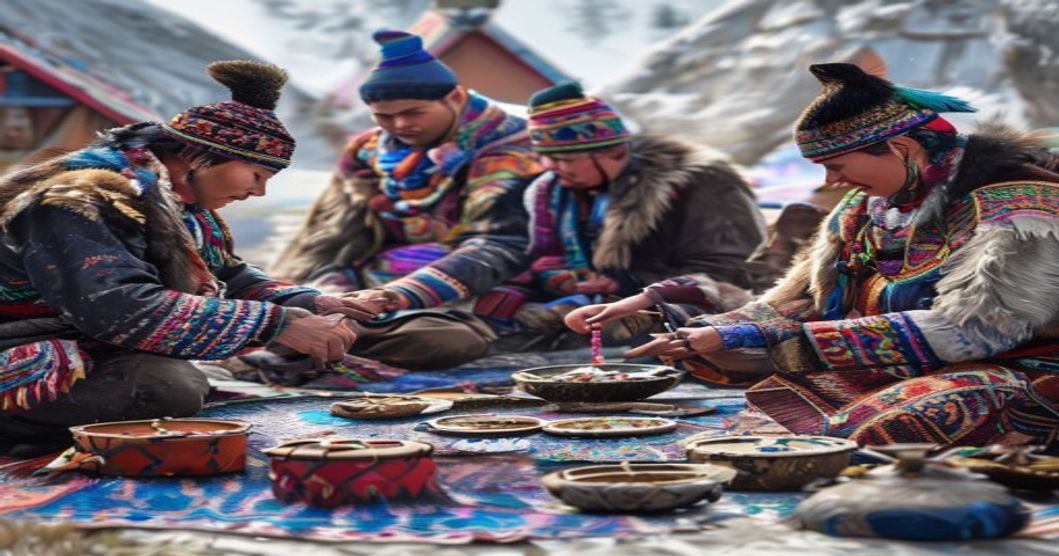
Rhythmic games often intertwined with joik traditions, where call-and-response patterns, drumming sequences, and lyrical improvisation shaped gameplay mechanics. Players coordinated movements to polyrhythmic beats, fostering auditory discrimination and collective synchronization. The symbolic use of natural materials—reindeer antlers, birch bark, and carved wooden tokens—reinforced ecological literacy while embedding cosmological narratives about animal spirits, seasonal cycles, and ancestral guardianship.
Community Bonding Through Physical Competition
Sámi gatherings historically utilized competitive games to resolve disputes, allocate resources, and strengthen inter-clan alliances. Physical contests were governed by strict customary laws that emphasized respect, fairness, and ecological balance over individual glory. Victories were celebrated through communal feasting and knowledge exchange rather than material accumulation, ensuring that gameplay remained a mechanism for social equity and cultural continuity.
Iconic Traditional Sámi Games and Their Mechanics
The diversity of Indigenous pastimes across Sápmi reflects regional variations in subsistence patterns and environmental conditions. Each activity employs distinct rules, equipment, and strategic frameworks that demand specialized knowledge only accessible through immersive cultural participation.
Gákti Wrestling (Luossagápmagálmmu)
Traditional Sami wrestling utilizes a specially tailored gákti belt system where opponents grip the fabric to execute throws and joint locks. The contest emphasizes leverage, balance, and tactical positioning rather than brute force. Athletes must maintain center of gravity while adapting to uneven terrain, mirroring the stability required during reindeer handling. Matches conclude when one participant loses grip or touches the ground with any body part other than their feet.
Knucklebone Tossing (Njálggahat)
This precision-based board game involves carving and tossing carved reindeer or sheep knucklebones onto marked stone or wooden surfaces. Players calculate trajectories, account for wind resistance, and memorize complex scoring matrices that vary by region. The game demands acute spatial reasoning and statistical intuition, serving as a cognitive training module for resource management and meteorological prediction.
Snowshoe Racing and Arctic Agility
Long-distance snowshoe competitions utilize hand-carved wooden frames with rawhide bindings designed for specific snow types. Racers navigate glacial ridges, frozen rivers, and dense pine forests while maintaining rhythmic breathing and efficient stride patterns. The sport tests cardiovascular endurance, thermal regulation, and navigational accuracy under extreme subzero conditions, directly translating to successful hunting and migration routes.
Preserving Sámi Heritage Through Modern Adaptation
Contemporary efforts to safeguard Indigenous gameplay traditions face pressures from cultural assimilation, climate change, and digital displacement. However, structured preservation initiatives have successfully integrated historical practices into educational curricula and international heritage frameworks.
Educational Integration and Cultural Programs
Sámi schools and cultural centers now formalize traditional gameplay through experiential learning modules that combine physical instruction with linguistic documentation. Elders serve as master instructors, teaching participants the etymological roots of game terminology, the ecological principles embedded in equipment construction, and the ethical codes governing fair play. These programs ensure intergenerational transmission while adapting rules to modern safety standards without diluting cultural authenticity.
Digital Documentation and Global Awareness
Institutional archives, 3D scanning projects, and open-access databases catalog game artifacts, rule sets, and performance recordings for scholarly and public engagement. Virtual reality simulations and mobile applications facilitate remote participation while maintaining strict intellectual property protocols controlled by Sámi communities. International Indigenous sports networks recognize these traditions as vital case studies in cultural resilience, prompting cross-border collaborations that elevate global visibility of Arctic heritage preservation.
“`html
Frequently Asked Questions
What is Traditional Sami Games and Activities?
Traditional Sami games and activities are cultural practices passed down through generations by the Sami people, the indigenous inhabitants of Sápmi, which spans northern Norway, Sweden, Finland, and Russia’s Kola Peninsula. These activities include reindeer herding, ice fishing, snowshoeing, traditional archery, yoik singing, drumming with ceremonial drums (goavddis), dog sledding, and various winter sports. These games were not merely forms of entertainment but were essential for survival in the Arctic environment, teaching skills such as hunting, tracking, navigation, and cooperation within harsh climatic conditions. Many traditional Sami games were also tied to seasonal festivals, rituals, and community bonding, reflecting the deep spiritual connection between the Sami people and their natural surroundings.
Key facts about Traditional Sami Games and Activities
Here are some key facts about Traditional Sami Games and Activities:
1. Reindeer herding is one of the most iconic Sami activities, serving as both a livelihood and a cultural cornerstone.
2. Yoik singing is a unique traditional vocal practice that is considered an integral part of Sami cultural expression and storytelling.
3. The Sami drum (goavddis) was historically used by noaidi (shamans) for divination and spiritual guidance, featuring intricate symbols and illustrations.
4. Winter sports such as ski jumping, dog sledding, and ice fishing have been practiced by the Sami for thousands of years due to the Arctic climate.
5. Traditional Sami games were often competitive and designed to test skills like agility, endurance, and survival abilities.
6. The Sami Games (Sámiid Álbmotmáttom) are modern competitions that celebrate and preserve traditional Sami sports and cultural activities.
7. Many traditional activities face the threat of cultural erosion due to modernization, but efforts by Sami organizations are working to revive and preserve them.
8. The Sami people number approximately 80,000 to 100,000 across their traditional homeland, and their cultural heritage is recognized by UNESCO and national governments.
“`