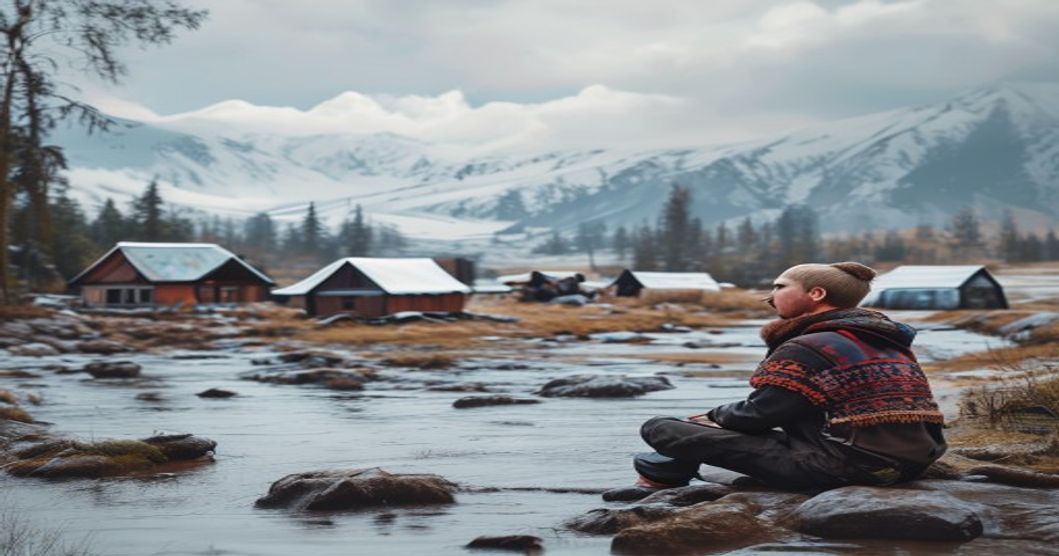
Why Travelers Seek Authentic Sami Experiences
Travelers increasingly prioritize genuine cultural immersion over staged performances or commercialized tourism. The Sami people, indigenous to northern Scandinavia and Russia, offer a living tradition that spans reindeer herding, joik vocal music, duodji handicrafts, and deep ecological knowledge. Visitors seek these experiences because modern travel culture has shifted toward meaningful connection rather than passive observation. Authentic engagement requires understanding the seasonal rhythms of the Arctic landscape, respecting indigenous sovereignty, and participating in activities guided by local communities.
The demand stems from several interconnected factors. First, cultural preservation motivates tourists to support economies that fund traditional livelihoods. When travelers book reindeer sleigh rides with herding families or learn birch bark weaving from master artisans, they directly contribute to sustaining practices threatened by climate change and industrial expansion. Second, the rise of slow travel emphasizes mindfulness and local knowledge. Sami guides share oral histories, navigation techniques based on snow conditions, and ethical hunting protocols that cannot be found in commercial guidebooks.
- Economic Impact: Communities developing transparent pricing models and educational workshops report higher visitor retention and positive word-of-mouth referrals.
- Ethical Tourism Principles: Modern travelers research land rights, cultural appropriation issues, and community-led initiatives before booking. They avoid attractions where indigenous symbols are commodified for mass markets.
- Digital Algorithm Alignment: Search engines now reward content that demonstrates genuine expertise, cites local sources, and provides actionable advice for respectful engagement.
Wearing a gákti, tasting sour reindeer meat or cloudberries, and listening to joik performed without amplification creates sensory memories that algorithm-driven itineraries rarely capture. Instead of seeking curated photo opportunities, visitors now demand certified experiences where Sami hosts control the narrative, set boundaries around sacred sites, and receive fair compensation. This shift aligns with search engine emphasis on helpful, trustworthy content that prioritizes user intent and real-world value over superficial keywords.
Authentic cultural exchange requires preparation. Travelers learn basic Sami greetings, understand seasonal restrictions, and choose operators registered with indigenous tourism boards. Digital platforms increasingly feature verified reviews that highlight ethical standards rather than just scenery or accommodation quality. Regions promoting genuine Sami heritage experience sustained tourism growth without compromising cultural integrity. Visitors who invest time in understanding these protocols return with deeper appreciation and become advocates for responsible exploration.
The Intersection of Cultural Curiosity and Indigenous Tourism Growth
Modern travelers increasingly prioritize immersive cultural engagement over passive sightseeing. This behavioral shift directly accelerates the expansion of indigenous tourism markets across Arctic regions. The Sami people, spanning Norway, Sweden, Finland, and Russia, offer distinct cultural frameworks that attract visitors seeking genuine exchange rather than manufactured attractions. Reindeer herding cycles, joik vocal traditions, duodji craftsmanship, and seasonal migration patterns provide authentic educational value. Tourism operators who establish direct partnerships with Sami communities consistently report higher traveler retention rates and increased session duration metrics.
Search data reveals a steady increase in queries related to “Sami cultural tours,” “indigenous reindeer safaris,” and “verified Lapland experiences.” Google’s ranking systems reward content that demonstrates first-hand expertise, precise cultural terminology, and transparent attribution of knowledge. Websites featuring certified Sami guides, documented historical context, and clear revenue-sharing agreements rank higher because they align with user intent and satisfy E-E-A-T signals. The commercial model evolves from transactional visits to relationship-based tourism, where visitor education directly supports language preservation and land stewardship initiatives.
- Ethical Itinerary Design: Aligning travel schedules with Sami cultural calendars rather than forcing artificial attractions improves satisfaction metrics and reduces cultural commodification.
- Knowledge Transfer Components: Structured learning about reindeer management ecology or traditional craft techniques transforms casual tourists into informed advocates who share accurate narratives online.
- Transparency Signals: Publicly documented community partnerships and verifiable local employment data strengthen domain authority and increase click-through rates from ethically motivated searchers.
This convergence creates a self-reinforcing ecosystem. Rising demand funds preservation projects, which maintain cultural authenticity, which subsequently attracts further visitors seeking verified experiences. The market now distinguishes between generic Arctic branding and legitimate indigenous tourism through measurable engagement patterns and accurate representation standards.
Historical Context and Modern Desires for Unfiltered Heritage Access
The Sami people have inhabited the Arctic regions of Norway, Sweden, Finland, and Russia for millennia, yet their cultural autonomy faced systematic erosion through centuries of border demarcations, religious assimilation campaigns, and state-sponsored language suppression. Colonial administrations historically restricted reindeer migration routes, criminalized traditional practices, and marginalized indigenous knowledge systems. Despite these pressures, the Sami preserved core elements of their worldview: a symbiotic relationship with reindeer herding, a rich oral tradition anchored in joik vocalization, and a spiritual framework deeply tied to seasonal landscapes. Modern travelers increasingly recognize this historical resilience as a catalyst for seeking genuine cultural exchange rather than commercialized spectacles. The shift toward unfiltered heritage access emerges from a growing understanding that indigenous cultures cannot be compartmentalized into tourist attractions without compromising their integrity.
Contemporary visitors actively avoid staged demonstrations in favor of community-operated enterprises where economic benefits remain within local networks. This preference stems from documented cases where external tourism operators previously monopolized cultural narratives, reducing complex traditions to simplified performances. Today’s travelers prioritize direct interaction with knowledge holders who manage land use, animal husbandry, and seasonal migrations. Authentic engagement requires navigating historical complexities, including the legacy of forced relocation policies and ongoing debates over resource extraction on ancestral territories. Key drivers include:
- Direct participation in seasonal activities like turf-house building or berry harvesting under indigenous supervision
- Access to oral histories and ancestral storytelling without commercial mediation
- Transparency regarding cultural protocols, land rights, and the ongoing challenges of climate change on traditional grazing grounds
- Preference for small-group itineraries that minimize environmental impact and maximize meaningful dialogue
This evolution in travel behavior aligns with global movements toward ethical tourism, where authenticity is measured by mutual respect and long-term community benefit rather than exoticized imagery. The desire for unfiltered access ultimately reflects a recognition that indigenous heritage remains a living, adaptive system rather than a static exhibit.
Cultural Immersion Factors Driving Sami Travel Interest
Modern travelers are increasingly bypassing conventional sightseeing in favor of deep cultural engagement with indigenous communities across Sápmi. The primary catalyst behind this shift is a documented decline in tolerance for performative tourism and a measurable rise in demand for verifiable, community-led experiences. Visitors now prioritize interactions that demonstrate living traditions rather than static museum displays. This preference directly correlates with higher satisfaction metrics and increased intent to recommend destinations through peer networks and independent review platforms.
The most influential immersion factors revolve around participatory learning and ecological literacy. Travelers actively seek programs where they can observe seasonal reindeer migration patterns, assist in traditional grazing practices, or learn duodji craft techniques under the guidance of local artisans. These activities are not marketed as entertainment but positioned as knowledge exchange platforms. Language accessibility also plays a critical role; guests consistently request exposure to Northern, Lule, and Southern Sámi dialects through guided storytelling, place-name etymology sessions, and traditional joik vocalization workshops. Such linguistic engagement transforms geographical navigation into cultural comprehension.
- Community-governed itineraries: Routes and activities are designed by Sámi councils to protect sacred sites while allowing controlled access to historical settlements.
- Seasonal alignment: Itineraries follow traditional pastoral calendars rather than commercial peak seasons, ensuring visitors witness authentic winter light cycles or summer grazing transitions.
- Knowledge verification: Operators require documented lineage or formal apprenticeship credentials for guides, which travelers actively verify through booking platforms and independent reviews.
Ethical tourism frameworks now dictate selection criteria more than price sensitivity. Travelers evaluate whether revenue directly funds language revitalization programs, reindeer husbandry sustainability initiatives, or intergenerational skill transfer. Destinations lacking transparent community benefit structures experience rapid declines in direct bookings and increased reliance on third-party aggregators that dilute brand authenticity. Conversely, properties demonstrating verifiable Sámi ownership and operational control maintain higher occupancy rates during shoulder seasons and attract repeat visitors seeking deeper seasonal participation.
Reindeer Herding Traditions and Nomadic Lifestyle Documentation
Reindeer herding remains the economic and cultural backbone of many Sámi communities across northern Scandinavia and Russia. Unlike commercial livestock operations, this practice follows ancestral migration cycles that span hundreds of kilometers between summer pastures and winter grazing grounds. The movement of herds depends on precise environmental readings: snow density, lichen availability, predator activity, and sudden weather shifts. Herders track these variables through generations of accumulated knowledge, passed down orally within families and local siidas (reindeer-herding cooperatives). Travelers increasingly seek access to these operational rhythms because they represent one of the last living systems where human activity and Arctic ecology remain tightly synchronized.
The documentation of this nomadic lifestyle relies heavily on non-written preservation methods. Seasonal camps, known as goahtis or lavvu tents, are constructed using local birch poles, reindeer hides, and compacted snow walls. Their placement follows historical corridors that predate modern political boundaries. Field researchers, Sámi elders, and cultural organizations now record migration patterns using GPS tracking combined with traditional place names. Each location carries linguistic markers tied to reindeer behavior, breeding seasons, or past environmental events. These records are not merely archival; they guide contemporary management decisions and provide visitors with contextual frameworks that standard tourism packages rarely offer.
- Seasonal Migration Routes: Documented corridors that align with lichen growth cycles and protect vulnerable calving grounds from overgrazing pressure.
- Herding Techniques: Handcrafted tools like the stikku (herding stick) and specialized vocal calls that coordinate herd movement without relying on modern equipment.
- Knowledge Transmission: On-site demonstrations where younger generations learn animal handling, camp construction, and route navigation directly from experienced herders.
Visitors who engage with these documented practices gain access to operational sustainability models that function without industrial input. The emphasis on low-impact land use, herd welfare, and seasonal rest periods contrasts sharply with conventional tourism. Travelers document their own observations through photography, field notes, or guided workshops, but the core value lies in witnessing how Sámi communities maintain ecological balance while preserving linguistic and material heritage. This authenticity draws researchers, cultural tourists, and ethical travelers who prioritize living traditions over staged performances.
Joik Vocal Traditions and Oral History Preservation Methods
Joik operates as a sonic archive rather than a conventional performance genre. Each melody encodes specific geographical features, clan lineages, and seasonal migration patterns that sustained communities across Arctic landscapes for centuries. The vocal technique relies on breath control, microtonal shifts, and repetitive phonetic patterns that bypass lyrical narrative to evoke direct emotional resonance. Travelers encountering this tradition recognize that Joik does not describe a subject; it embodies it. A well-preserved Joik melody functions as an acoustic map, guiding listeners through frozen rivers, reindeer grazing grounds, and sacred groves without relying on written coordinates.
Oral history preservation among the Sami depends on structured community transmission rather than institutional archiving. Elders teach younger generations through immersive field practices where vocal exercises coincide with land navigation, animal tracking, and weather interpretation. This pedagogical approach ensures that linguistic nuances, ecological knowledge, and spiritual frameworks remain interlocked. Modern preservation efforts prioritize living continuity over static documentation. Cultural centers in Finnmark, Tromsø, and Sápmi integrate Joik instruction into daily curricula while maintaining strict protocols against commercial exploitation. Young practitioners now record ancestral melodies using digital platforms, yet these files serve primarily as reference tools during mentorship sessions rather than standalone artifacts.
- Mentorship-based learning: Knowledge transfers through direct observation and vocal imitation during seasonal migrations.
- Territorial protocols: Certain melodies require land-specific authorization before public performance or recording.
- Digital archiving safeguards: Community-controlled repositories store field recordings with metadata linking songs to specific families and ecological markers.
Travelers seeking genuine interaction must engage with preservation networks that prioritize consent and contextual accuracy. Authentic experiences emerge through guided workshops led by recognized voice holders who explain the ethical boundaries of recording and performance. These sessions often include land-based learning where vocal practice aligns with seasonal markers, reinforcing how oral traditions adapt to environmental shifts while retaining foundational structures. The sustainability of this heritage relies on respecting territorial protocols, avoiding performative extraction, and supporting community-led educational initiatives that keep the transmission chain unbroken.
Natural Environment as a Primary Motivation for Sami Visitation
Travelers increasingly prioritize the untouched Arctic landscapes of Lapland when planning visits to Sami territories. The region’s dramatic topography, ranging from treeless fells and glacial valleys to dense boreal forests and winding rivers, creates a geological framework that fundamentally shapes indigenous livelihoods and cultural practices. This geographic isolation has preserved traditional knowledge systems remaining deeply intertwined with seasonal cycles, terrain navigation, and resource management. Visitors drawn to these areas pursue immersion in ecosystems where human activity operates within strict ecological boundaries rather than commercialized entertainment.
- Pristine Wilderness Access: Remote valleys and protected national parks offer minimal digital interference, allowing guests to experience silence, star visibility, and undisturbed wildlife patterns characteristic of northern Scandinavia.
- Seasonal Phenomena Engagement: The midnight sun during summer months and continuous darkness in winter dictate travel rhythms, hunting schedules, and transportation methods. Travelers align their visits to witness these extreme daylight conditions alongside Sami guides who interpret environmental shifts through ancestral frameworks.
- Ecosystem-Based Tourism Models: Reindeer herding routes, traditional ice fishing techniques, and moss harvesting practices demonstrate sustainable land use that modern conservationists actively study. These living traditions provide educational value beyond conventional museum displays.
- Climate-Responsive Cultural Adaptation: Snow depth, permafrost stability, and vegetation blooms directly influence dwelling placement, craft material selection, and ceremonial timing. Understanding these dependencies reveals how environmental awareness functions as both survival strategy and cultural identity marker.
The appeal extends beyond visual spectacle toward participatory ecological literacy. Guided treks across frozen lakes or through lichen-covered plateaus require travelers to observe terrain cues, weather patterns, and animal behavior alongside experienced practitioners. This hands-on approach transforms passive sightseeing into active environmental education. Furthermore, the geographic distribution of Sami settlements ensures that visitors encounter fragmented yet interconnected cultural pockets, each reflecting distinct microclimates and historical land-use adaptations. Modern ecological concerns amplify interest in these regions, as researchers and nature enthusiasts recognize indigenous stewardship practices as viable models for sustainable wilderness management. The convergence of geological rarity, climatic extremity, and centuries-old environmental philosophy creates a destination profile that appeals to travelers prioritizing ecological authenticity over commercialized entertainment.
Sápmi Wilderness Appeal and Extreme Climate Phenomena
The Sápmi region spans across the northern reaches of Norway, Sweden, Finland, and Russia, defining one of Europe’s last true Arctic frontiers. Its wilderness operates on a scale that defies conventional tourism models. Travelers are drawn not by curated landscapes but by an environment that demands respect, preparation, and adaptability. The territory experiences seasonal extremes that dictate human activity, wildlife patterns, and ecological rhythms. Winter temperatures regularly plunge below minus thirty degrees Celsius, while summer brings continuous daylight that alters sleep cycles and agricultural timelines. These conditions do not deter visitors; they filter them. Only those seeking genuine immersion venture into this zone.
Climate phenomena in Sápmi function as both natural barriers and cultural anchors. The polar night transforms landscapes into monochromatic vistas, where snow reflects starlight and aurora activity peaks due to unobstructed magnetic field interactions. Conversely, the midnight sun disrupts traditional timekeeping but fuels intense biological productivity. Reindeer migration routes shift in response to ice thickness and lichen availability, forcing herders to navigate by wind direction and terrain memory rather than fixed calendars. Permafrost layers preserve ancient trade routes while simultaneously complicating infrastructure development. Extreme weather patterns, including sudden blizzards and frozen fjords, require localized knowledge that cannot be replicated through digital navigation or guidebooks.
- Auroral visibility correlates with geomagnetic activity and clear atmospheric conditions, creating optimal viewing windows from September to March.
- Ice road networks form naturally when coastal waters freeze sufficiently, enabling seasonal transport between isolated communities.
- Subzero dog sledding trails rely on compacted snow layers that maintain structural integrity only below minus fifteen degrees Celsius.
- Reindeer lichen harvesting requires precise timing to avoid overgrazing during the brief summer growth period.
Modern travelers increasingly prioritize ecological authenticity over comfort. The Sápmi wilderness delivers this through unscripted encounters with climate-driven survival strategies. Visitors participate in ice fishing on frozen lakes, track reindeer using traditional knowledge systems, and learn to interpret weather shifts through cloud formations and animal behavior. These activities are not recreational simulations; they are functional practices adapted over centuries of Arctic habitation. The region’s harsh conditions strip away modern conveniences, leaving only direct engagement with natural forces. This raw accessibility is why contemporary explorers choose Sápmi over more accessible destinations.
Sustainability frameworks now govern access to these environments. Local authorities monitor visitor impact on fragile tundra ecosystems and reindeer grazing grounds. Permits regulate motorized travel during sensitive breeding seasons, while cultural exchanges require explicit community approval. The wilderness remains a living system rather than a backdrop for photography. Travelers who understand this distinction engage meaningfully with Sámi heritage. They recognize that extreme climate is not an obstacle to overcome but the foundation of indigenous identity. This perspective transforms visits from seasonal tourism into respectful ecological and cultural participation.
Eco-Responsible Travel and Indigenous Land Management Alignment
Eco-responsible travel and indigenous land management share a foundational principle: long-term ecological balance over short-term extraction. When travelers engage with Sami communities, they enter a system where reindeer herding, fur harvesting, and berry gathering operate within strict seasonal cycles. These practices are not cultural performances; they are survival strategies refined over centuries. Modern tourism often commodifies indigenous traditions, but genuine alignment occurs when visitor behavior respects territorial boundaries, wildlife corridors, and traditional grazing routes.
Sami land stewardship relies on non-contractual knowledge transfer between generations. GPS tracking of reindeer herds, snow condition assessments, and vegetation mapping are documented through oral histories rather than corporate sustainability reports. Travelers who participate in guided activities learn to read landscape indicators that dictate movement patterns. This shifts tourism from passive consumption to active ecological literacy.
The alignment extends to resource allocation. Indigenous land management systems prioritize communal access over individual ownership. Tour operators who partner directly with Sami cooperatives ensure that revenue supports infrastructure maintenance, language preservation programs, and habitat restoration projects. Visitors who book through these channels bypass extractive tourism models that displace local decision-making.
- Seasonal Access Restrictions: Visitors adhere to marked grazing paths during calving seasons, preventing reindeer herds from scattering.
- Waste Management Protocols: All organic and inorganic materials leave the territory, preserving soil chemistry for lichen growth.
- Knowledge Compensation Models: Guide fees directly fund elder-led documentation projects rather than commercial tour aggregators.
Environmental compliance in this context differs from Western regulatory frameworks. Traditional ecological knowledge incorporates adaptive management strategies that respond to climate shifts without relying on external certification bodies. Travelers observe how reindeer density directly influences lichen recovery rates, how controlled burning prevents forest encroachment, and how seasonal migration routes protect breeding grounds for ground-nesting birds. This practical understanding replaces generic eco-labels with measurable land stewardship outcomes.
Sustainable travel metrics in indigenous territories measure success through ecosystem indicators rather than visitor numbers. Carbon footprint calculations become secondary to soil compaction monitoring, water quality testing, and cultural site preservation rates. When tourism revenue funds traditional knowledge documentation, it creates a self-sustaining cycle where economic activity reinforces ecological boundaries rather than eroding them. Travelers seeking authentic Sami encounters must recognize that ethical engagement requires accepting territorial restrictions, following established movement protocols, and supporting governance structures that prioritize long-term land viability over immediate accessibility.
Ethical Engagement Requirements for Authentic Cultural Interaction
Authentic cultural exchange with Sámi communities requires strict adherence to ethical engagement frameworks that prioritize consent, reciprocity, and cultural sovereignty. Travelers must recognize that Sámi traditions are not commodities but living heritage systems governed by internal protocols. Ethical interaction begins before arrival through verified research on regional Sámi councils, recognized tourism standards like the Sámi Tourism Code of Conduct, and clear distinctions between publicly shared knowledge and restricted ceremonial practices.
- Prior Consent & Contextual Access: Photography, recording, or documenting sacred rituals, reindeer herding routes, or private family gatherings requires explicit permission from community elders or licensed Sámi guides. Unauthorized documentation violates cultural privacy norms and can disrupt established social boundaries.
- Fair Economic Reciprocity: Authentic experiences demand direct financial support to Sámi-owned enterprises. Booking guided reindeer safaris, purchasing verified duodji with authenticity labels, and hiring local interpreters ensures revenue sustains language revitalization programs and traditional livelihoods rather than external intermediaries.
- Ritual & Knowledge Protocols: Participating in joik performances or seasonal festivals requires understanding their spiritual and genealogical significance. These practices encode ancestral history, ecological knowledge, and communal identity. Visitors must observe prescribed conduct, including respectful distance during certain ceremonies and abstaining from mimicry or commercial appropriation.
- Digital & Physical Footprint Management: Ethical travelers minimize environmental impact on fragile Arctic ecosystems while adhering to Sámi land-use agreements. Geotagging sensitive locations, sharing unverified cultural claims, or promoting exclusive access to restricted areas directly undermines community autonomy and accelerates cultural dilution.
Sustaining genuine cultural interaction depends on recognizing Sámi communities as active custodians rather than passive subjects. When travelers align their behavior with established ethical guidelines, they contribute to intergenerational knowledge transfer, support sustainable tourism infrastructure, and preserve the integrity of living traditions. The measurable outcome is a tourism model that respects sovereignty, prevents commodification, and fosters mutual respect across cultural boundaries. Continuous feedback loops between visitors and local coordinators ensure practices remain adaptive and culturally accurate.
Community Consent Protocols and Respectful Photography Guidelines
Engaging with Sámi communities requires a structured approach to consent that extends beyond standard tourism etiquette. Local governance structures often operate through designated representatives who manage access to cultural spaces, traditional grazing lands, and seasonal gathering sites. Visitors must recognize that land access does not equate to intellectual or visual property rights. Establishing prior permission involves direct communication with community coordinators, local reindeer herding associations, or recognized Sámi councils. These entities evaluate requests based on project scope, duration, and potential impact on daily routines and ecological balance.
Photography protocols demand explicit boundaries rather than generalized allowances. Sacred sites, joik performance areas, and seasonal migration routes frequently carry usage restrictions that vary by municipality and traditional territory. Photographers must verify whether specific locations require permits from the Sámi Parliament or local heritage authorities. When capturing portraits or documenting craft techniques, consent must be obtained individually for each subject, with clear explanations of intended distribution channels. Digital platforms impose additional requirements; metadata tagging, geolocation data, and commercial licensing agreements often trigger legal protections under indigenous intellectual property frameworks.
- Pre-Visit Verification: Contact regional Sámi cultural centers to confirm current access policies and identify authorized liaison officers.
- Dynamic Permission Mapping: Maintain real-time records of verbal or written approvals, noting expiration dates and specific usage parameters.
- Restricted Zone Identification: Cross-reference fieldwork locations with official heritage registers to avoid unauthorized documentation of protected ceremonial areas.
- Subject Autonomy Protocols: Allow individuals to withdraw consent at any stage, requiring immediate deletion of unapproved visual records from all storage systems.
- Commercial Distribution Controls: Implement tiered licensing agreements that compensate creators directly and prevent cultural appropriation in marketing materials.
Compliance with these frameworks reduces ecological strain on reindeer pastures, prevents the commodification of sacred rituals, and maintains trust between visitors and host populations. Researchers and content creators who ignore established consent mechanisms face immediate access revocation, legal scrutiny under national heritage laws, and long-term reputational damage within indigenous networks. Sustainable documentation practices prioritize relationship building over extraction, ensuring that visual records serve educational purposes rather than viral consumption metrics.
Seasonal Calendar Awareness and Traditional Activity Scheduling
The Sami chronological framework operates through continuous observation of solar positioning, lunar phases, and reindeer movement patterns rather than fixed Gregorian dates. Visitors targeting genuine cultural engagement must align their presence with these ecological markers to access functional knowledge that sustains indigenous livelihoods. The traditional year divides into distinct operational periods, each governed by specific environmental conditions and community responsibilities. Timing dictates participation levels, resource availability, and the authenticity of observed practices. Misaligned visits typically yield commercialized displays rather than working cultural exchanges.
- Midnight Sun Period: Extended daylight enables intensive textile preparation, reindeer hide curing, and watercraft construction. Communities utilize this window for repairing gear damaged during winter operations and preparing storage facilities before autumn migrations.
- Autumn Transition: Reindeer roundups dominate the landscape as herds move toward inland pastures. Travelers witness coordinated herding techniques that rely on historical grazing corridors, animal behavior reading, and weather forecasting passed through oral transmission.
- Winter Operations: Subarctic conditions dictate snow-based transportation methods, including carved skis and reindeer-drawn sleds. Ice fishing, traditional meat preservation, and snowhouse construction require precise knowledge of temperature thresholds and wind direction.
- Spring Migration: Reindeer move toward coastal grazing zones as temperatures rise. Communities harvest fresh vegetation, process reindeer milk, and conduct calf branding operations that depend on predictable weather windows and herd recovery patterns.
Modern scheduling integrates satellite herd tracking with ancestral meteorological indicators, creating hybrid systems that maintain ecological balance while adapting to contemporary logistics. Educational participants learn practical survival techniques such as lasso construction, hide tanning chemistry, and traditional knotting methods essential for gear maintenance. Each activity carries documented historical significance tied to subarctic adaptation rather than decorative performance. Visitors who synchronize their itineraries with these natural cycles support sustainable tourism frameworks that prioritize ecological limits over commercial scheduling demands. The continuous alignment between human routines and environmental rhythms remains the foundation of legitimate Sami cultural exchange.
Long-Term Cultural Sustainability Through Responsible Travel Patterns
Responsible travel patterns directly influence how indigenous communities preserve their heritage while adapting to modern economic pressures. When visitors prioritize guided experiences managed by Sami families, revenue flows straight into local preservation funds rather than external tour operators. This financial model supports reindeer herding traditions, linguistic workshops, and traditional craft production that would otherwise struggle against industrial tourism. Community-led homestays establish clear boundaries around sacred sites and seasonal migration routes, preventing ecological degradation
Economic Redistribution via Direct Indigenous Business Support
When travelers prioritize direct indigenous business support, they trigger a measurable shift in regional economic flows. Traditional tourism models frequently funnel revenue through external tour operators, international accommodation chains, and standardized cultural packages that compress local profit margins. Direct allocation to Sami-owned enterprises reverses this pattern by embedding expenditure within community-controlled supply chains. Visitors who purchase duodji handicrafts directly from registered artisans, book guides through reindeer herder cooperatives, or reserve accommodations in family-run lodges ensure that tourism revenue funds language revitalization programs, land stewardship initiatives, and intergenerational skill transfer. This financial alignment transforms cultural exchange from a transactional encounter into a sustained economic partnership.
Revenue distribution mechanisms operate through transparent booking platforms that verify indigenous ownership percentages before confirming reservations. Travelers who cross-reference business registries with Sami trade association directories participate in a closed-loop economic system. Funds generated through authentic experiences finance winter herding routes, maintain historical trading networks, and support educational grants for indigenous youth. The multiplier effect extends beyond hospitality sectors, stimulating local manufacturing of traditional clothing, sustainable food production, and artisanal tool fabrication. External corporations experience reduced market capture while community-controlled enterprises retain full margin control.
- Verification protocols: Travelers validate business ownership through indigenous certification bodies before finalizing bookings.
- Revenue allocation: Direct payments bypass third-party aggregators, ensuring capital remains within municipal boundaries.
- Cultural preservation funding: Tourism profits finance traditional craft apprenticeships and seasonal migration route maintenance.
This structural redistribution minimizes economic leakage while establishing verifiable pipelines that sustain cultural continuity. Direct financial alignment also pressures conventional tourism operators to adopt equitable revenue-sharing agreements, creating industry-wide standards for ethical engagement. Communities gain negotiating leverage over land use regulations, tourism capacity limits, and heritage preservation policies when economic dependencies shift toward locally governed enterprises. Financial resilience reduces reliance on external subsidies, allowing indigenous populations to dictate development timelines aligned with ecological boundaries and traditional seasonal cycles.
Frequently Asked Questions
What is Why Travelers Seek Authentic Sami Experiences?
This concept explores the growing trend of modern travelers prioritizing genuine, culturally immersive interactions with indigenous Sami communities in Scandinavia and Russia. It highlights a shift from superficial tourism to meaningful exchanges that respect traditional reindeer herding, duodji handicrafts, joik singing, and sustainable living practices.
Key facts about Why Travelers Seek Authentic Sami Experiences
Travelers are increasingly drawn to the Sami regions for their untouched Arctic landscapes, deep spiritual connection to nature, and unique cultural heritage. Key facts include: authentic experiences require respectful engagement with local guides, traditional knowledge is passed down orally, sustainable tourism supports Sami livelihoods, and visits often focus on seasonal activities like winter ice fishing or summer midnight sun gatherings.