At the heart of Sami storytelling are verbal traditions. Imagine the power of words that can dance through the air—like the Northern Lights—illuminating the minds of eager listeners. These stories aren’t merely tales but lessons, wisdom, and cultural identity, handed down through oral narration. Grandparents whisper about the spirits of the land, the reindeer that roam freely, and the ancestors who walked before them. Each story is a thread in an intricate tapestry, showcasing values, beliefs, and ways of being.
But it’s not just about hearing stories; it’s about participating. Sami children learn from a young age to engage with these tales. They ask questions, make connections, and even add their flair. Imagine being a child, perched on the knee of a grandparent, wide-eyed as legends unfold, and feeling the heart of your own culture beating in sync with these stories.
Moreover, the Sami people create art forms like yoik, their traditional singing style, which serves as another layer of storytelling. It’s like painting with sounds, conveying emotions and experiences that words sometimes can’t capture.
Whispers of the Winds: Unveiling the Oral Traditions of Sami Storytelling
When we talk about the Sami, we’re diving into a world where nature and narrative intertwine. Picture the vast Nordic landscapes; each mountain and river has a story to tell. The Sami storytellers, or “nieiddas,” serve as the vessel for these tales, channeling the wisdom of their ancestors through rhythmic chants and vivid imagery. Their stories aren’t just entertainment; they’re living history—like veins thumping with the lifeblood of culture and identity.
Have you ever noticed how a good story can transport you to another world? That’s the magic of Sami storytelling. With each tale, listeners are greeted by spirits of the past, from mythical beings like the “Stallu,” a shape-shifting creature, to the everyday life of reindeer herders battling harsh winters. The stories teach values, preserve history, and connect the community, weaving a fabric of shared identity that is as rich and intricate as the patterns in traditional Sami clothing.
Moreover, Sami storytelling isn’t just about what is said; it’s about how it’s said. The flow of words mimics the winds that sweep across the tundra, rising and falling, capturing your attention and inviting you to lean closer. This dynamic allows the audience to participate, to feel the emotions of the storyteller—just like a brisk winter wind can rouse the senses and stir the soul. Isn’t it fascinating how such simple narratives can carry the weight of an entire culture? In every whisper, the Sami celebrate their connection to the earth and honor the wisdom of their ancestors.
From Elders to Youth: The Timeless Art of Sami Narrative Preservation
You might wonder, why is this storytelling so crucial? Well, think of it as a living encyclopedia of the Sami way of life. Each story carries lessons, values, and reflections that shape the youth’s identity and understanding of the world around them. The elders, with their vast experiences, act as the guardians of knowledge, passing down wisdom in a way that feels almost magical. Isn’t it fascinating how a simple story can teach a young one about resilience, community, and respect for nature?
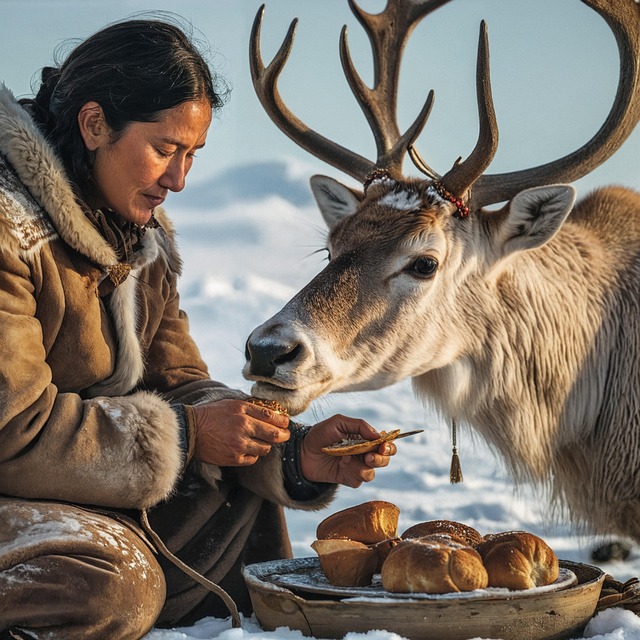
What’s even more incredible is how these narratives adapt. While the themes remain grounded in tradition, the methods of storytelling have evolved. Today, Sami youth are experimenting with modern mediums—like digital storytelling and social media—to preserve and share these age-old fables. It’s like handing a traditional recipe to a young chef who then adds their unique twist, making it relevant for today’s palate.
Echoes of the Past: How Sami Stories Shape Cultural Identity Across Generations

Imagine sitting around a crackling fire, surrounded by family. The story begins; it’s about the mythical beings that guard the reindeer herds or the spirits of the land. Each narrative teaches not just history but values—respect for nature, the importance of community, and the resilience required to thrive in the harsh Arctic terrain. It’s like a bridge spanning the chasm of time, allowing the wisdom of the past to flow into the present.
These tales often intertwine with the Sami language, often beautifully lyrical and rich with meaning. As children learn stories in their native tongue, they absorb the nuances of their cultural heritage. It’s not unlike learning a song; the melody of language captures the essence of a way of life. When young Sami share these stories, they’re not just reciting words; they’re building a sense of identity and belonging, ensuring that the spirit of their culture lives on.
Threads of History: The Role of Sami Legends in Community Cohesion
Ever wondered how stories can bridge generations? Sami legends are like the threads of a beautifully woven tapestry, connecting the old with the young. They recount the history of the land, nature’s rhythm, and the deep-rooted values of the Sami culture. By sharing these tales, elders pass on essential knowledge about sustainability and respect for the environment, themes that resonate deeply in today’s world. It’s like having a roadmap to navigate life’s challenges, filled with moral lessons learned over centuries.
But it’s not just about the stories themselves; it’s the act of storytelling that fosters unity. When community members gather to listen and share, it creates an electric atmosphere of camaraderie and collective identity. You can almost feel the energy in the air—people leaning in closer, hanging onto every word, laughter erupting, and emotions flowing freely. In a fast-paced world, these moments remind the Sami of who they are and where they come from.
Sami legends also play a pivotal role in cultural resilience. They stand as a testament to the community’s endurance against external pressures and changes. Like a sturdy tree weathering a storm, these stories help the Sami find strength in their identity, making their community stronger and more cohesive. Isn’t it fascinating how stories have the power to unite us?
Language and Legacy: Exploring the Sami Method of Story Transmission
Imagine sitting around a crackling fire, the air filled with the scent of pine and the sound of laughter. Elders share stories that resonate with the youth, weaving history, morals, and teachings into narratives that shine like the Northern Lights. The Sami method intertwines oral tradition with the landscape, making every mountain and river a character in the story. Each tale is a window into their world, revealing the essence of nature, community, and resilience.
So, how does this work? It’s all about interaction. Unlike reading a book in solitude, storytelling in Sami culture invites everyone to participate. Listeners become co-creators, responding with questions, adding their own experiences, and even embellishing the tale. This dynamic exchange ensures that the story evolves, adapting to the audience while remaining anchored in its roots.
The beauty of the Sami storytelling method lies in its simplicity. It’s not about polished performances or scripted lines; it’s about genuine connections. The rhythm of the words mimics the heartbeat of the land, fostering a sense of belonging. Through metaphors and vivid imagery, these stories convey profound truths about life, survival, and the delicate balance between humans and nature.
In this way, language isn’t just a means of communication; it’s a vehicle of legacy, carrying the wisdom of the past into the hearts of future generations. With every tale told, the Sami culture thrives, ensuring that their language and traditions remain vibrantly alive, echoing through the ages.
Frequently Asked Questions
What are the main methods of passing down Sami stories?
Sami stories are primarily transmitted through oral traditions, where elders narrate tales to younger generations. Other methods include storytelling performances, music, visual arts, and contemporary media, allowing for a dynamic preservation of cultural narratives.
Are there specific themes commonly found in Sami stories?
Sami stories often explore themes such as nature, spirituality, the importance of community, and the connection between humans and the environment. These narratives frequently depict the challenges and resilience of the Sami people, incorporating elements of mythology and cultural identity.
How have modern influences changed the way Sami stories are shared?
Modern influences such as technology and globalization have transformed the sharing of Sami stories, allowing them to reach broader audiences through digital platforms and social media. This shift enables younger generations to access traditional narratives in new formats, fostering cultural exchange while also raising concerns about authenticity and preservation of cultural heritage.
What role do elders play in Sami storytelling practices?
Elders are crucial in Sami storytelling, serving as cultural custodians who pass down traditions, history, and values through oral narratives. Their wisdom and experience enrich the storytelling process, ensuring that it remains authentic and connected to Sami identity. By sharing these stories, elders help to strengthen community bonds and preserve the Sami language and culture for future generations.
How do oral traditions influence Sami storytelling?
Oral traditions play a crucial role in Sami storytelling by preserving cultural heritage, values, and collective memory. These traditions ensure that knowledge, experiences, and histories are passed down through generations, enriching the narrative with unique perspectives and insights. The storytellers employ specific techniques, such as rhythm and repetition, to captivate audiences, making the stories not only entertaining but also educational. This dynamic oral exchange fosters community bonds and reinforces identity within the Sami culture.