p>
In the waning days of the Western Roman Empire and the dawning centuries of the Renaissance, society often viewed the Middle Ages through a skeptical lens. Yet this era produced a surprising array of professions born from the needs of the time, some of which feel almost surreal to modern eyes. Below are six such occupations that once kept towns functioning and communities resilient.
p>
Rat Catcher
Rats carried more than vermin trouble in medieval cities; they represented a real nuisance that could disrupt food supplies and spread disease. Enter the rat catcher, a traveling expert who roamed from town to town with a caught collection of rodents displayed on a stick. Their toolkit included traps and predator-dogs or ferrets to chase the pests from markets and alleys. Although the role peaked later in Victorian London with notable practitioners like Jack Black, the medieval version laid groundwork for urban pest control that persisted for centuries.

p>
Crane Treadwheel Operator
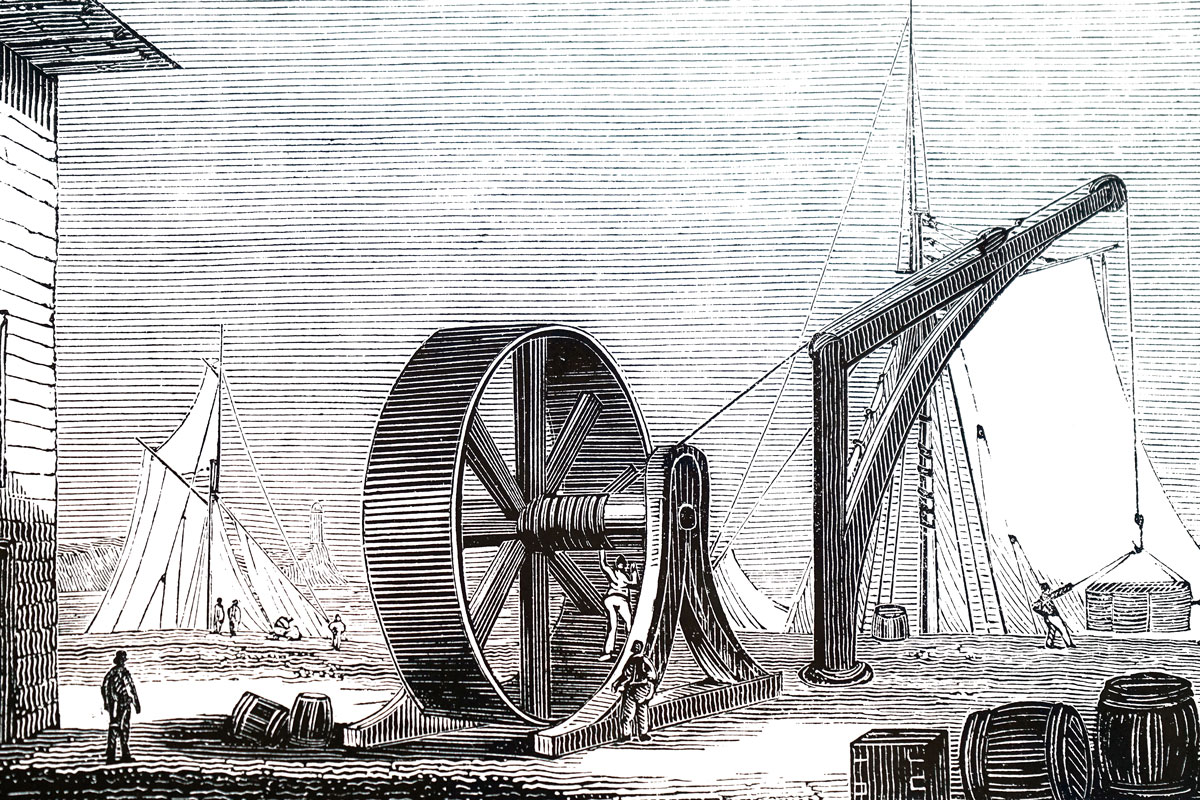
Reawakened after Roman use, the treadwheel crane became a staple in medieval construction for lifting heavy stone blocks to build cathedrals and grand halls. One or two workers powered a towering wheel by walking inside it, winding a rope around the axle to hoist loads that could weigh thousands of pounds. This occupation, while demanding, offered inclusive opportunity as it could accommodate blind operators at times, though it carried significant risk if the mechanism failed or balance was lost.
p>
Pardoner
Among a network of spiritual merchants, pardoners sold indulgences—promises of reduced penance in exchange for monetary offerings or acts of atonement. While convenient for parish communities, the system invited fraud and exploitation as some unscrupulous individuals exploited its loopholes. The stark contradictions surfaced in literature, notably in Geoffrey Chaucer’s The Canterbury Tales, and reformers later condemned the practice until it was curtailed by church edicts in the 16th century.

p>
Barber-Surgeon
The barber-surgeon emerged when clerics, restricted from certain surgical duties by church councils, handed razors and patient care to barbers. These practitioners learned to pull teeth, perform bloodletting, and even conduct amputations, blending grooming with medical treatment. England’s barber-surgeon trade flourished, eventually diverging into distinct medical and barber professions by the 19th century as specialized roles became clearer.

p>
Fuller
The craft of fulling involved preparing and refining cloth fibers, but medieval methods took a decidedly pungent turn: workers stomped and agitated damp fabric in vats of urine to cut grease and soften fibers. This ammonia-rich liquid, though unglamorous, served as a practical solvent for fabric processing, turning a dreary chore into a necessary step in garment production that could take many hours of labor and foul fumes.

p>
Flatulist
Entertainment in noble courts sometimes featured flatulists—performers who turned a controversial talent into a celebrated show. One notable medieval highlight involved a performer known for a synchronized routine culminating in a theatrical “fart” after a dance. The craft extended beyond a single performer, with a broader tradition of braigetori in Ireland and later figures in Europe who gained fame for their comical or shocking air-time. Even as tastes evolved, these performers left a lasting imprint on the spectrum of medieval mirth.