Across centuries of European history, the Middle Ages are often misread as a bleak, uniform era. In reality, it was a time of vibrant change, conflict, and cultural development. This overview challenges five enduring myths that still color popular understanding of medieval life.

Myth: Medieval People Thought the World Was Flat. Contrary to common perception, educated people in antiquity and the medieval period understood the Earth’s curvature. Early Greek scholars, including Pythagoras and Eratosthenes, established and even measured the world’s roundness long before the Middle Ages. The flat-Earth idea gained traction mainly in modern retellings, not in contemporary belief. A notable misattribution linked to Washington Irving’s 1828 writings helped perpetuate the myth, rather than evidence from medieval scholars.
Myth: Society in the Middle Ages Was Very Chaste. Attitudes toward romance were filtered through religious and medical discourses of the time. The Church emphasized procreation within matrimony, yet medical texts discussed imbalances of bodily humors as potential health hazards tied to sexual excess or deprivation. Stories about celibacy among rulers and the supposed existence of devices like chastity belts are often exaggerated or erroneous. In fact, women held varied degrees of autonomy in property, work, and influence, challenging the notion of universal female oppression during this era.

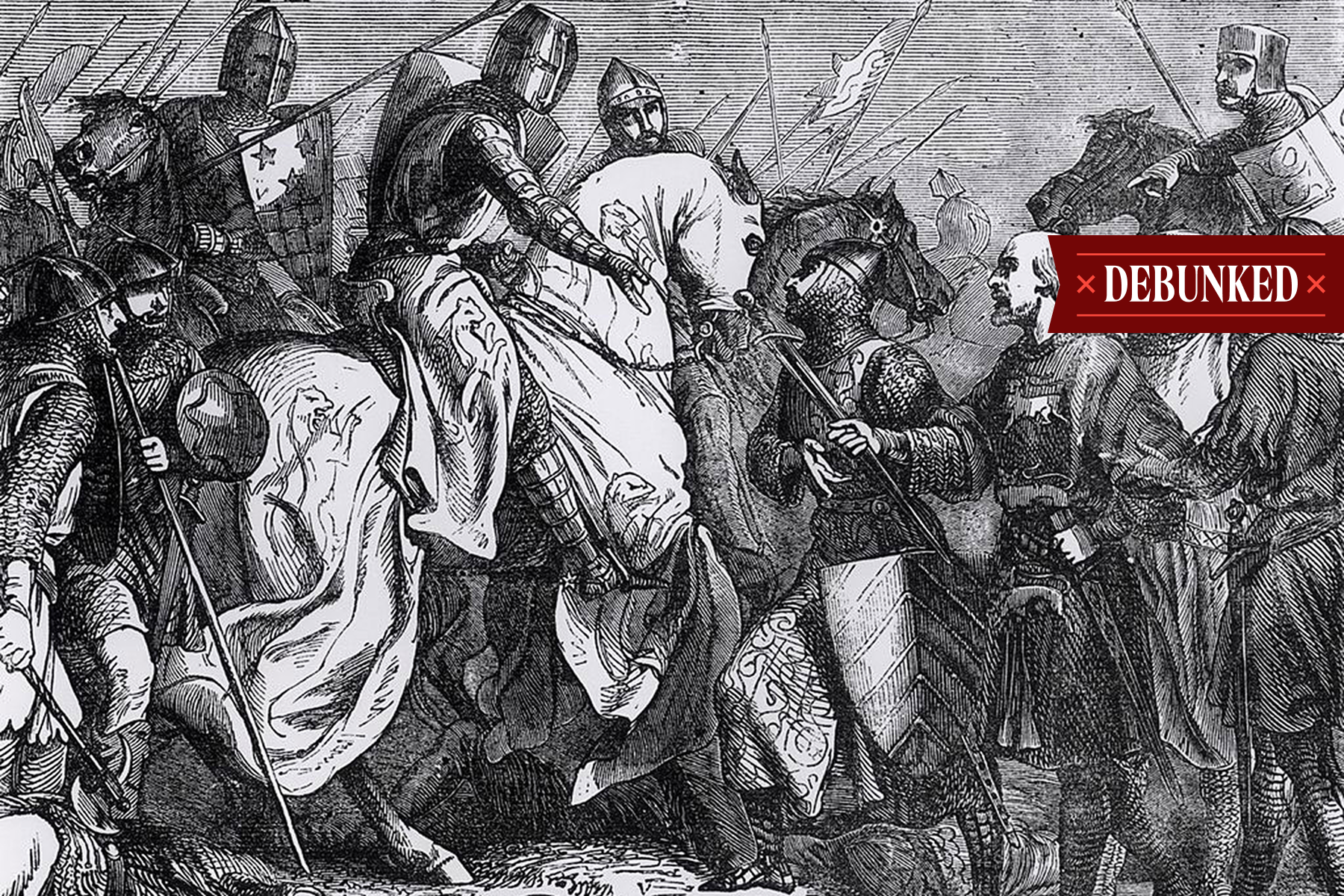
Myth: Knights Were Always Chivalrous. The image of the noble, courteous knight arose and evolved over centuries. Early medieval warriors could be disruptive and violent, with the concept of chivalry gradually forming in the 10th century in France as a flexible code of conduct. Later romantic and literary embellishments, especially in Victorian times, further sanitized and idealized knightly behavior beyond its historical roots.
Myth: Medieval Women Had No Rights. While not perfectly egalitarian, medieval Europe saw women exercising ownership, inheritance, and management of property in many contexts. Dowries, legal documents, and urban guilds show women participating in professions and commerce, even as social norms shifted with the period’s economic and political transformations. Notable figures—rulers, warriors, and scholars—illustrate the breadth of women’s influence, though shifts during and after the Renaissance sometimes constrained these gains.

Myth: Humans Were Uneducated. The era witnessed multiple intellectual revivals and the growth of institutions that laid the groundwork for modern scholarship. Charismatic centers of learning flourished—from Charlemagne’s era through the Ottonian reforms to the 12th-century scholarly awakenings. Universities began to form, and natural philosophy advanced, with figures such as Roger Bacon contributing to the early scientific tradition. Dismissing the Middle Ages as intellectually barren overlooks these substantial contributions that foreshadowed later Enlightenment progress.