Urban Infrastructure and Residential Patterns
Diverse Housing Architectures: Insulae and Domus
Ancient Roman housing reflected strict social stratification. The majority of urban residents lived in insulae, multi-story apartment blocks constructed from timber, brick, and concrete (opus caementicium). These structures often reached six to eight stories high, with ground floors housing commercial spaces like shops (tabernae) while upper levels provided cramped living quarters. Wealthier citizens resided in the domus, a single-family home organized around an atrium and peristyle garden, featuring marble flooring, frescoes, and private plumbing. City planning followed the cardo (north-south) and decumanus (east-west) grid system, ensuring efficient navigation and standardized property division.
Sanitation, Water Supply, and Public Infrastructure
Roman engineers prioritized municipal utilities through an extensive network of aqueducts that delivered fresh water to public fountains, latrines, and private households. The cloaca maxima drainage system managed waste runoff, though contamination risks remained in densely populated districts. Public latrines featured stone benches with continuous water flow for hygiene, while communal baths served as critical social and health hubs. Street surfaces were paved with basalt or gravel, though narrow alleys frequently accumulated debris and runoff, necessitating regular municipal cleaning by slaves and specialized workers.
Dietary Habits and Commercial Exchange
Culinary Foundations: Grain, Olive Oil, and Wine
The Roman diet centered on the Mediterranean triad of wheat, olive oil, and wine. The plebeian class relied heavily on panis (bread) distributed through state grain dole programs (annona) or purchased at subsidized markets. Wealthier households consumed diverse proteins including pork, poultry, fish, and garum (fermented fish sauce), while vegetables like lentils, cabbage, and leeks supplemented meals. Dietary restrictions varied by region and economic status, but food preservation techniques such as salting, drying, and honey-sweetening ensured year-round availability.
The Macellum and Street Commerce
Roman urban centers thrived on vibrant marketplaces called macella, where vendors sold fresh produce, meats, spices, and imported goods from Egypt, India, and the Levant. Street food culture flourished through thermopolia—counter establishments serving hot meals, stews, and wine to working-class citizens who lacked kitchen facilities in their insulae. Trade routes extended across the Mediterranean via merchant fleets, facilitating the exchange of amphorae containing oil, wine, and garum. Coinage standardized transactions, with bronze aes, silver denarii, and gold aurei enabling precise pricing in bustling commercial districts.
Economic Structures and Labor Division
Artisan Guilds and Professional Specialization
Roman commerce operated through organized craft groups known as collegia, which regulated pricing, training, and dispute resolution for tradesmen. Skilled artisans produced pottery, textiles, metalwork, and glassware using standardized techniques passed through apprenticeships. Unskilled labor dominated construction, mining, and agricultural estates, often performed by enslaved populations or freedmen. The economy relied on both state-controlled grain distribution and private merchant networks, with wealth accumulation heavily dependent on land ownership, political patronage, or maritime trade monopolies.
Rural Agriculture and Estate ManagementAcross the vast expanse of the Roman Empire, the daily rhythms of ordinary citizens mirrored a bustling society focused on work, play, and community. From morning routines to evening gatherings, life unfolded with a blend of practicality and shared culture that resonates even today. Public spaces and social rituals shaped how people lived, learned, and connected with one another.

Public baths stood as a cornerstone of Roman life, not merely places to wash but complexes where residents from all walks of life gathered to exercise, relax, and exchange news. The routine often began with light physical activity, followed by a sequence of hot, warm, and cool baths, and sometimes extended to steam rooms or massages. These baths were so integral that they were built throughout the empire, even reaching distant corners of the Mediterranean and beyond.
Graffiti and everyday expression offer a surprising window into the voices of common people. In cities like Pompeii and Herculaneum, walls carry inscriptions and drawings scratched into plaster, ranging from playful doodles to sharp wit and candid sentiments. While the elites were celebrated with grand monuments, the common citizen left behind messages that reveal humor, opinions, and a sense of belonging within the urban tapestry.

Without modern clocks, Romans tracked the day by the sun, framing work around the sunrise and the moment of noon. This natural timekeeping meant mornings started with sunrise, and afternoons were often reserved for leisure—whether attending spectacles, games, or those same public baths that underscored social cohesion.
Gaming and chance captured the interest of a wide cross-section of society. People from various classes enjoyed dice games and board games in taverns and on streets, while the wealthy sometimes created dedicated rooms at home for more elaborate gaming. Gladiatorial contests and chariot races also drew bets, with rulers occasionally joining in the excitement. Even emperors, famed for power, indulged in the thrill of a lucky throw or a strategic wager.
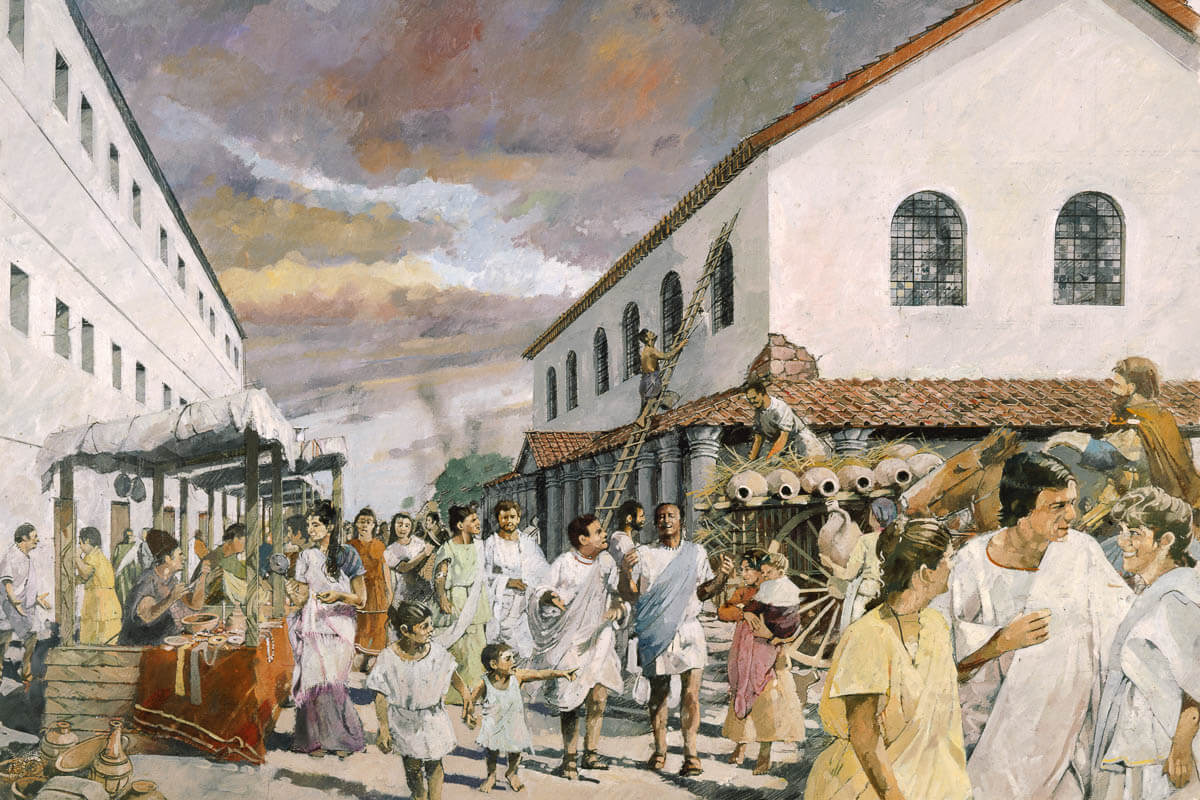
In the heart of Roman urban life stood the Forum, a hub where commerce, politics, and religion intersected. It was the stage for daily errands, public assemblies, and court proceedings, and housed temples that honored Rome’s deities. Among these, a temple dedicated to Caesar reflected the era’s fascination with deified leadership, marking a moment where the line between mortal and divine was publicly celebrated before the eyes of the city.