Across a single day, conversations unfold through both speech and subtle nonverbal cues that often escape our notice. We perform small, habitual motions that slip into interactions almost automatically, their origins and purposes rarely examined. While these gestures feel natural, they carry long and intriguing histories that have gradually formed the meanings we recognize today. Some traces stretch back thousands of years, while others gained popularity only in recent times through travel, media, or technology.
Below are five familiar examples of how people connect without words, revealing how culture and context influence our silent exchanges. Note that the first sections may blend into the next without strict separation, mirroring how these signals often arise in real conversation.
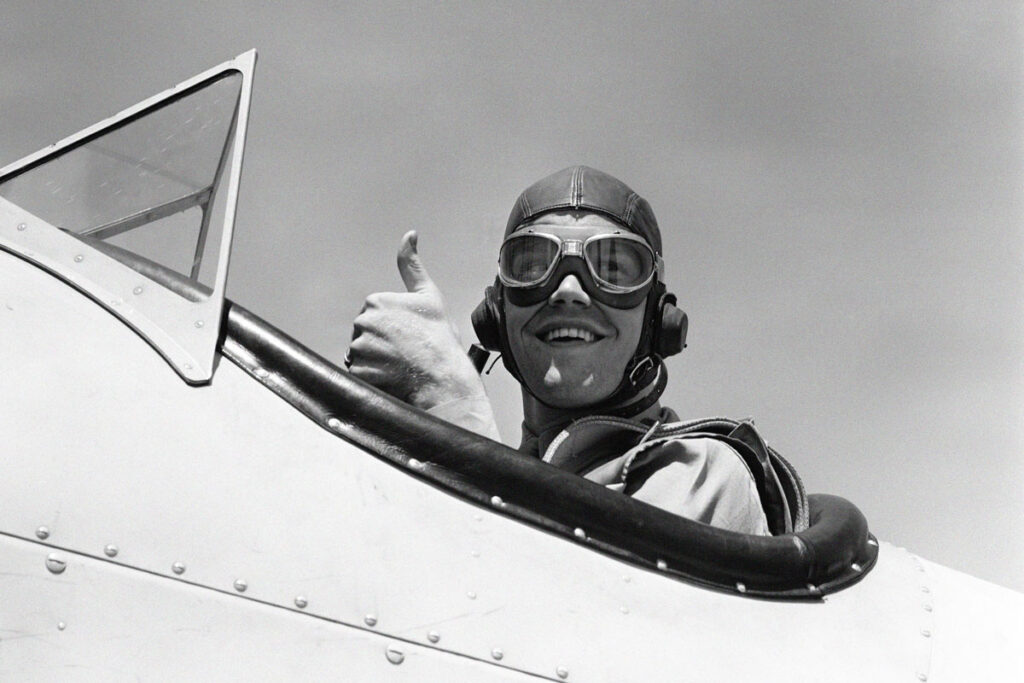
Thumbs-Up is widely understood as approval, agreement, or reassurance that everything is fine. It appears in casual chats, online messages, and professional settings as a quick nod of affirmation. Some traditions link it to ancient Rome, but historians doubt that simple tale, and the exact origin remains debated. The modern sign emerged in English-speaking countries in the early 20th century and gained momentum during the World Wars, when pilots used it to signal that they were ready. From there, it spread globally through media and everyday life, becoming one of the most recognizable hand gestures, though it may be read as rude in some places.
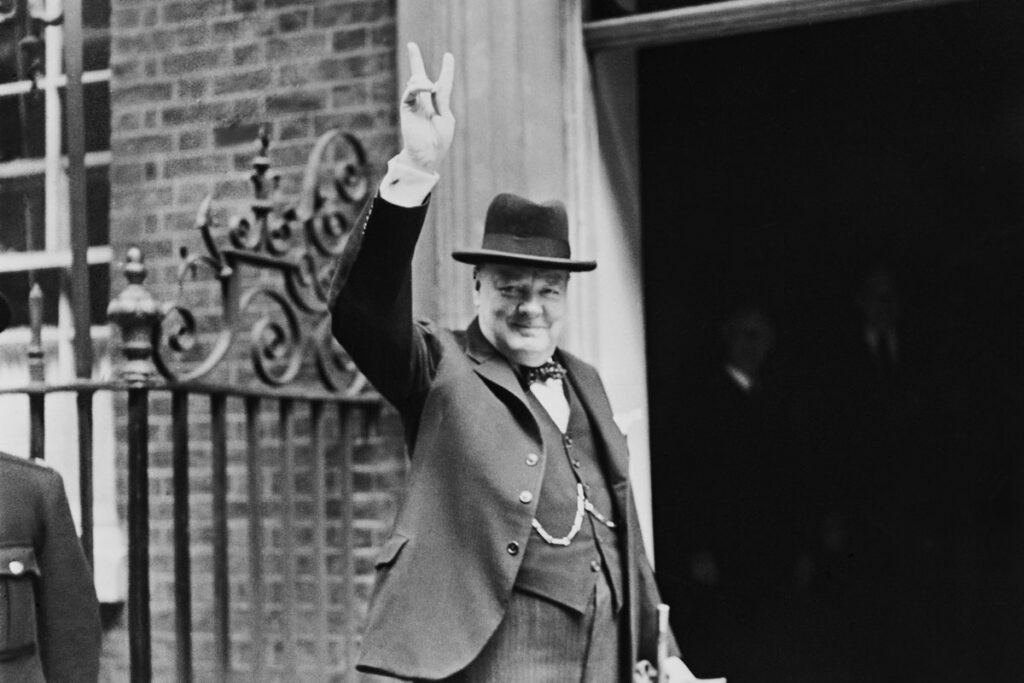
Peace Sign—the V-shaped gesture with index and middle fingers—began as a wartime symbol of victory under Churchill’s promotion. During the 1960s, activists repurposed it as a sign of peace in protest movements, transforming its meaning to reflect a collective stance against war. This shift shows how a symbol can carry resilience and triumph in one era, then become a symbol of nonviolence in another. Its ubiquity grew as the public quickly adopted it as a message of harmony and solidarity.
Waving Hello or Goodbye feels instinctive, yet researchers speculate its roots lie in early signals of peaceful intent. An open hand, clearly visible, may have served to demonstrate that a person carried no weapon, enabling safer approach. Over time, this practical signal evolved into a social greeting, while the side-to-side motion arose as a way to attract attention from a distance. Today, waving remains a universal gesture for greeting and farewell, though regional styles and frequencies vary.

Shaking Hands is widely used to greet, seal agreements, and convey mutual respect. Ancient sources from Greece depict hands clasped in a way that scholars interpret as a sign of trust and equality. The practice likely began as a straightforward display of peaceful intent and gradually became formalized across Europe from the 17th to the 19th centuries. While the gesture predates these centuries, its modern form as a business and social standard spread widely, with variations in grip, duration, and accompanying actions depending on culture.
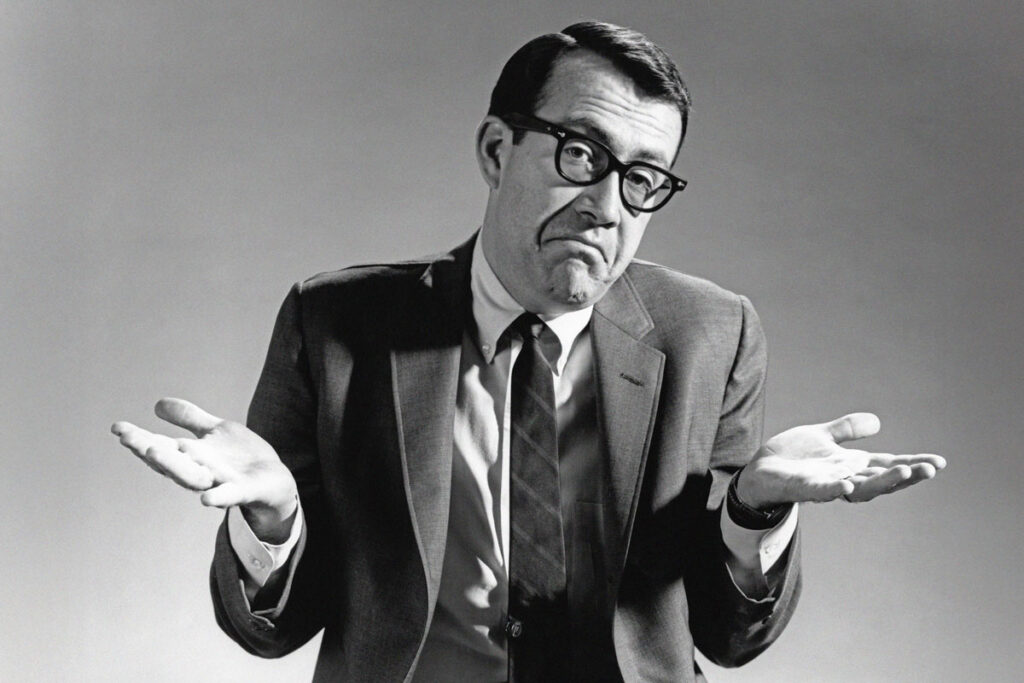
Shrugging—lifting both shoulders with palms up—signals uncertainty, lack of knowledge, indifference, or resignation. People often pair it with phrases like “I don’t know” to reinforce the sense of not having a firm stance. The shrug functions because it visually communicates a lack of answers. Although its specific origins are hard to pin down, the word derives from Middle English schruggen, meaning to draw together or shrink, describing the shoulder lift itself. Elements of the gesture—shoulders raised, palms open, eyebrows raised—appear across many cultures as signals of detachment or doubt, making the shrug a clear, cross-cultural expression of uncertainty.