The Historical Foundations of Sami Reindeer Heritage
The Sami reindeer culture represents one of the most resilient indigenous livelihood systems in Northern Europe, deeply intertwined with the ecological rhythms of Sápmi. Archaeological evidence and oral genealogies confirm that reindeer domestication among the Sámi began approximately 2,000 years ago, evolving from seasonal hunting practices into a fully structured pastoral economy. This transformation was not merely economic but cultural, shaping social organization, kinship networks, and territorial identity across Norway, Sweden, Finland, and Russia’s Kola Peninsula.
Origins of Reindeer Domestication in Sápmi
Early Sámi communities transitioned from wild reindeer hunting to managed herding during the late medieval period, driven by climate shifts, trade demands, and the need for reliable mobility across Arctic tundra and boreal forests. The Sami heritage of reindeer husbandry relies on centuries-old ecological literacy, including snowpack analysis, lichen growth cycles, and migratory corridor mapping. Unlike commercial livestock systems, Sámi reindeer management prioritizes herd welfare, genetic diversity, and environmental balance over maximum yield.
Generational Knowledge and Ecological Stewardship
Traditional Sámi land use operates on a principle of reciprocal stewardship. Each Sami traditions of grazing are governed by collective decision-making through local reindeer herding districts (samebyer in Sweden, siidat in Norway). Knowledge transfer occurs intergenerationally via hands-on herding practice, seasonal camp routines, and narrative instruction. This system ensures that pasture rotation, calf marking, and culling practices remain adaptive to climate variability while preserving the Sami reindeer heritage as a living cultural continuum.
Core Traditions Shaping the Reindeer Lifestyle
The daily and seasonal realities of Sámi reindeer husbandry generate a distinct material and social culture. Sami traditions surrounding reindeer herding are expressed through specialized vocabulary, tool design, architectural forms, and communal labor patterns that have remained remarkably consistent despite external political pressures.
Seasonal Migration Patterns and Camp Life
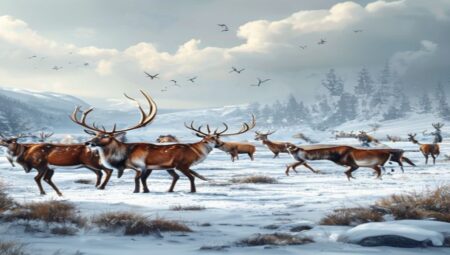
Reindeer herds follow predictable annual routes between summer pastures in mountainous regions and winter grazing lands in boreal forests. This reindeer migration lifestyle dictates the construction of temporary dwellings, food preservation methods, and social gatherings. Camps function as mobile administrative centers where cattle branding, veterinary care, and pasture negotiations occur. The physical endurance required for these migrations has fostered a culture of self-reliance, spatial awareness, and collective responsibility.
Duodji Crafts and Material Culture
Duodji, the Sámi traditional craft system, is inseparable from reindeer husbandry. Every part of the reindeer serves a functional purpose: antlers for tools and ornaments, sinew for thread, hide for clothing and shelter, bones for needles and buttons. Duodji patterns encode regional identity, clan lineage, and spiritual symbolism. The meticulous craftsmanship required to process raw reindeer materials into durable Arctic garments reflects a Sami heritage of resource efficiency and aesthetic precision passed down through apprenticeship.
Oral History and Joik Musical Heritage
The joik, a traditional Sámi vocal form, functions as both historical archive and emotional landscape mapper. Reindeer herders traditionally joik specific animals, pastures, and weather conditions to reinforce memory and spatial orientation. Unlike Western melodic structures, joiks are non-linear, repetitive, and deeply tied to the essence of their subject. This oral tradition preserves Sami reindeer culture narratives that official records often overlook, maintaining linguistic continuity in Northern Sámi, Lule Sámi, and South Sámi.
Spiritual Dimensions of Sami Reindeer Practices
Sámi spirituality is not a separate religious category but an embedded worldview that permeates reindeer husbandry, land use, and community ethics. Sami spirituality recognizes the animate agency of natural elements, positioning humans as participants rather than controllers within ecological networks.
Nature Reverence and Animistic Beliefs
The Sámi traditional cosmology attributes spiritual presence to mountains, lakes, forests, and individual reindeer. Sacred sites (sieidi) are often located near grazing routes or water sources, serving as offerings points for safe passage, successful calving seasons, and herd protection. This Sami spirituality emphasizes balance; overharvesting or disrupting migratory paths is believed to invite ecological and spiritual misfortune. Reindeer are regarded as partners in survival, deserving of respect and ritual acknowledgment.
Shamanic Traditions and Sacred Sites
Historically, Sámi noaidi (shamans) utilized drums, chants, and trance states to navigate between physical and spiritual realms. Drum imagery frequently depicts reindeer, celestial bodies, and underworld figures, reflecting the interconnectedness of fauna, environment, and cosmos. Though Christianization suppressed public shamanic practice, underground Sami spirituality persisted through familial rituals, dream interpretation, and land-based taboos that continue to influence herding decisions today.
Rituals Honoring the Reindeer Spirit
Cultural ceremonies surrounding reindeer life cycles include the first calf marking, seasonal slaughter rites, and memorial gatherings for deceased herd animals. These practices are not superstitious but ethical frameworks that reinforce sustainable harvesting and emotional processing of loss. Sami reindeer culture treats death as a transition rather than an end, with bones often returned to grazing sites to nourish future pastures. Such rituals sustain the spiritual reciprocity that defines indigenous Sámi pastoralism.
Contemporary Challenges and Cultural Preservation
Modern pressures from industrial development, climate change, and regulatory frameworks threaten the continuity of Sami reindeer heritage. Despite these challenges, grassroots initiatives, legal advocacy, and digital archiving have strengthened cultural resilience across Sápmi.
Balancing Modernization with Traditional Livelihoods
Contemporary reindeer herders utilize snowmobiles, GPS tracking, and radio communication alongside traditional methods. This hybrid approach maintains mobility efficiency while preserving core Sami traditions of pasture management and herd observation. Legal battles over grazing rights have increasingly centered on Indigenous sovereignty, with courts recognizing Sámi land tenure as foundational to cultural survival rather than merely economic activity.
Global Recognition and Indigenous Rights Advocacy
International frameworks, including UNDRIP and Nordic Sámi Council policies, now protect Sami reindeer culture as intangible cultural heritage. Educational programs in Sápmi integrate traditional herding knowledge with academic ecology, ensuring youth engagement without compromising cultural authenticity. Digital museums, language revitalization apps, and cross-border Sámi cooperatives amplify global awareness while safeguarding the Sami spirituality and ecological wisdom that sustain reindeer pastoralism for future generations.
Frequently Asked Questions
What is Why Reindeer Matter in Sami Culture?
The phrase “Why Reindeer Matter in Sami Culture” refers to the deep historical, economic, and spiritual connection between the indigenous Sami people of northern Scandinavia and reindeer herding. For centuries, reindeer have been central to Sami survival, providing food, clothing, shelter, and tools, while also playing a vital role in their folklore, rituals, and identity.
Key facts about Why Reindeer Matter in Sami Culture
Reindeer herding is a cornerstone of traditional Sami livelihood, recognized by UNESCO as an intangible cultural heritage. The Sami language contains over 500 distinct words for reindeer, reflecting their importance. Reindeer are also deeply embedded in Sami mythology, where the animal is seen as a bridge between the human and spirit worlds, and its antlers are used in traditional crafts and rituals.