


The Sami have been navigating these icy realms long before explorers with fancy ships and high-tech gear ever thought to set foot in the Arctic. Think of them as the original explorers, mastering the art of survival in an environment that can often feel unforgiving. From reindeer herding to fishing and foraging, they’ve carved out a lifestyle that harmonizes with the rhythms of nature—similar to how a musician learns to read their sheet music before hitting the perfect notes.
While the Sami people were perfecting their ways of life, the world was curious about the Arctic. Fast forward to the 19th century, and you had adventurers like Fridtjof Nansen and Roald Amundsen venturing into these terrains, often seeking the “Northeast Passage” or the fabled Northwest Passage. But what many don’t realize is that these explorers often sought the wisdom of the Sami, tapping into their knowledge of the land and weather, like a ship relying on the stars for navigation.
The Sami’s intricate understanding of their ecosystem—the wind patterns, animal migrations, and seasonal changes—proved invaluable, yet their contributions were often overlooked. The true spirit of Arctic exploration didn’t just lie in mapping new territories, but in collaborative relationships, where knowledge was exchanged and traditional narratives woven into the very fabric of exploration history.
The Guardians of the North: How the Sami People Shaped Arctic Exploration
Imagine walking across the sprawling tundra, your breath visible in the chilly air, surrounded by sweeping landscapes that seem untouched by time. The Sami have navigated this rugged terrain for centuries, honing their skills in tracking, herding reindeer, and understanding the natural rhythms of the land. Picture them as the original explorers, their intimate knowledge of the Arctic environment unlocking doors to new possibilities for those who followed. It’s like being handed a treasure map by someone who’s intimately familiar with every twist and turn.
But that’s not all; the Sami are also guardians of ancient traditions and cultural wisdom that many modern explorers overlooked. Their unique worldview, woven into stories passed down through generations, speaks of harmony with nature rather than dominance over it. This perspective is like a lighthouse in a storm, guiding explorers not only to seek resources but also to respect the land they traverse.
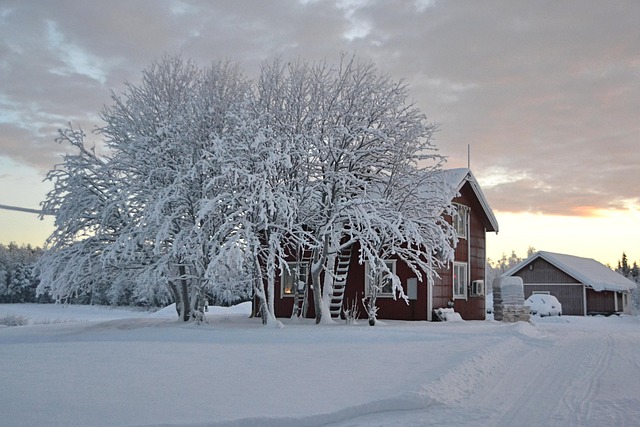
So, when you consider the great Arctic expeditions, think of the Sami. They weren’t just bystanders in the tales of brave adventurers; they were the knowledgeable guides, the storytellers, and the keepers of wisdom who illuminated the path of exploration. Without their rich heritage and profound understanding of the Arctic, who knows how different our narratives of this frozen wonderland might be? The next time you see images of Arctic exploration, remember the Sami—our unsung heroes in the icy frontier.
Navigating the Icy Frontier: The Sami’s Role in Arctic Discovery
The Sami have mastered the art of living in harmony with their environment for centuries. They are not just inhabitants of the Arctic; they are its stewards. Their intimate understanding of the land, weather patterns, and animal behavior makes them invaluable guides. It’s like having a treasure map that others can only dream of reading. When explorers set their sights on discovering the Arctic, they often turned to the Sami for assistance, tapping into a wealth of expertise that was as vital as their survival skills.
But it’s not just about physical survival; the Sami’s role in Arctic discovery is steeped in storytelling and tradition. They share tales of ancient paths and hidden resources, connecting the past with the future. Think of them as the original icebreakers, navigating not just the icy waters but also the complexities of cultural exchange and understanding.
From Reindeer to Research: Sami Contributions to Arctic Exploration History
The Sami, often recognized for their reindeer herding, are the custodians of the Arctic’s secrets. Their profound knowledge of the environment is akin to a map written in the language of the land itself. As they migrated across vast snowy expanses, they interconnected thousands of years of wisdom with every step. Picture this: a snow-covered path where every footprint tells a story of survival, tradition, and respect for nature. The reindeer, more than just livestock, are woven into the very fabric of Sami culture, acting as both a lifeline and a symbol of their identity.
But their contributions go beyond herding. The Sami’s expertise in navigating the Arctic and their innovative methods for dealing with extreme weather were game-changers for explorers. They shared vital survival techniques—like building snow shelters and identifying edible plants—all essential for those who dared to venture into the harsh Arctic wilderness. It’s almost like they held the keys to a hidden kingdom, showing outsiders how to live harmoniously with nature rather than fighting against it.
Voices from the Arctic: Sami Legends and Their Impact on Exploration Narratives
As explorers set their sights on the icy north, they couldn’t help but be influenced by the rich tapestry of Sami folklore. These stories often blurred the lines between reality and myth, weaving narratives that inspired curiosity and awe. When explorers listened to tales of the northern lights dancing in the sky, they didn’t just see an atmospheric phenomenon; they witnessed a representation of Sami spirits at play. Doesn’t that push the boundaries of exploration? Instead of just charts and compass, explorers were now guided by a canvas of rich cultural insights.
The Sami legends also brought a profound understanding of the land itself. Through stories of reindeer migrations and the sacredness of the land, explorers learned to respect the environments they traversed. It’s like gaining a map to the soul of the Arctic, where every landmark tells a story and every twist in the trail is steeped in history.
Unveiling the Arctic: The Untold Stories of Sami Guides in Historical Expeditions

Picture this: It’s the early 20th century, and a brave band of explorers is braving the relentless cold, eyes full of ambition but minds clouded by uncertainty. Who do they turn to for insights about the harsh climate, hidden trails, and careful survival strategies? That’s right—the Sami guides! With their profound understanding of the environment, they didn’t just lend a hand; they became the compass for many seeking to unravel the Arctic’s mysteries.
The Sami possess a rich tapestry of cultural knowledge, passed down through generations. Imagine knowing the exact moment the northern lights will dance across the sky or the best places to find sustenance in a frozen wasteland. That’s not just skill; it’s an art form, grounded in a deep respect for nature. Without their guidance, many expeditions may have ended in disaster.
But here’s where it gets even more fascinating. The stories of these Sami guides often remain overshadowed by the glamorous pages of exploration tales. It’s a bit like watching a blockbuster movie where the supporting actor delivers a stellar performance, yet barely receives recognition. Their contributions, though sometimes overlooked, are vital threads in the fabric of Arctic exploration history, echoing the quiet strength of their people.
So, next time you think of the Arctic explorers, remember the Sami guides—those who, with unyielding resilience and passion for their land, navigated the frostbitten paths and made history come alive.
Frequently Asked Questions
What Are the Key Characteristics of Sami Culture?
Sami culture is characterized by a deep connection to nature, traditional reindeer herding, unique handicrafts, a rich oral storytelling tradition, and vibrant clothing designs. The culture emphasizes community, spirituality, and a close relationship with the Arctic environment, reflecting the values and identity of the Sami people.
What Challenges Do Sami People Face Today?
Sami people face various challenges today, including loss of traditional lands, climate change impacting their reindeer herding, and cultural preservation. Economic pressures, limited political representation, and discrimination also affect their rights and social integration. These factors hinder their ability to maintain their unique identity and livelihoods while navigating modern societal demands.
What Role Did the Sami Play in Arctic Exploration?
The Sami, indigenous people of the Arctic region, played a crucial role in exploration by sharing their extensive knowledge of the land, weather, and wildlife. Their traditional skills in reindeer herding and navigation helped explorers survive harsh conditions and adapt to the environment. Furthermore, their understanding of the Arctic ecosystem contributed significantly to the success of various expeditions.
How Has Sami Traditional Knowledge Impacted Modern Exploration?
Sami traditional knowledge, cultivated over centuries, has significantly influenced modern exploration by providing insights into sustainable practices, ecological systems, and resource management in Arctic regions. This indigenous understanding enhances navigation, wildlife stewardship, and environmental conservation, contributing to more effective and respectful exploration methodologies.
How Did the Sami People Adapt to Arctic Conditions?
The Sami people have developed innovative strategies to thrive in Arctic conditions. They utilize traditional knowledge of reindeer herding, fishing, and foraging for food. Their homes, known as ‘lavvu,’ are designed for mobility and insulation, providing protection against harsh weather. Clothing made from animal skins and wool offers warmth and durability. The Sami also leverage seasonal migration to access resources, maintaining a sustainable lifestyle that aligns with the extreme environment.