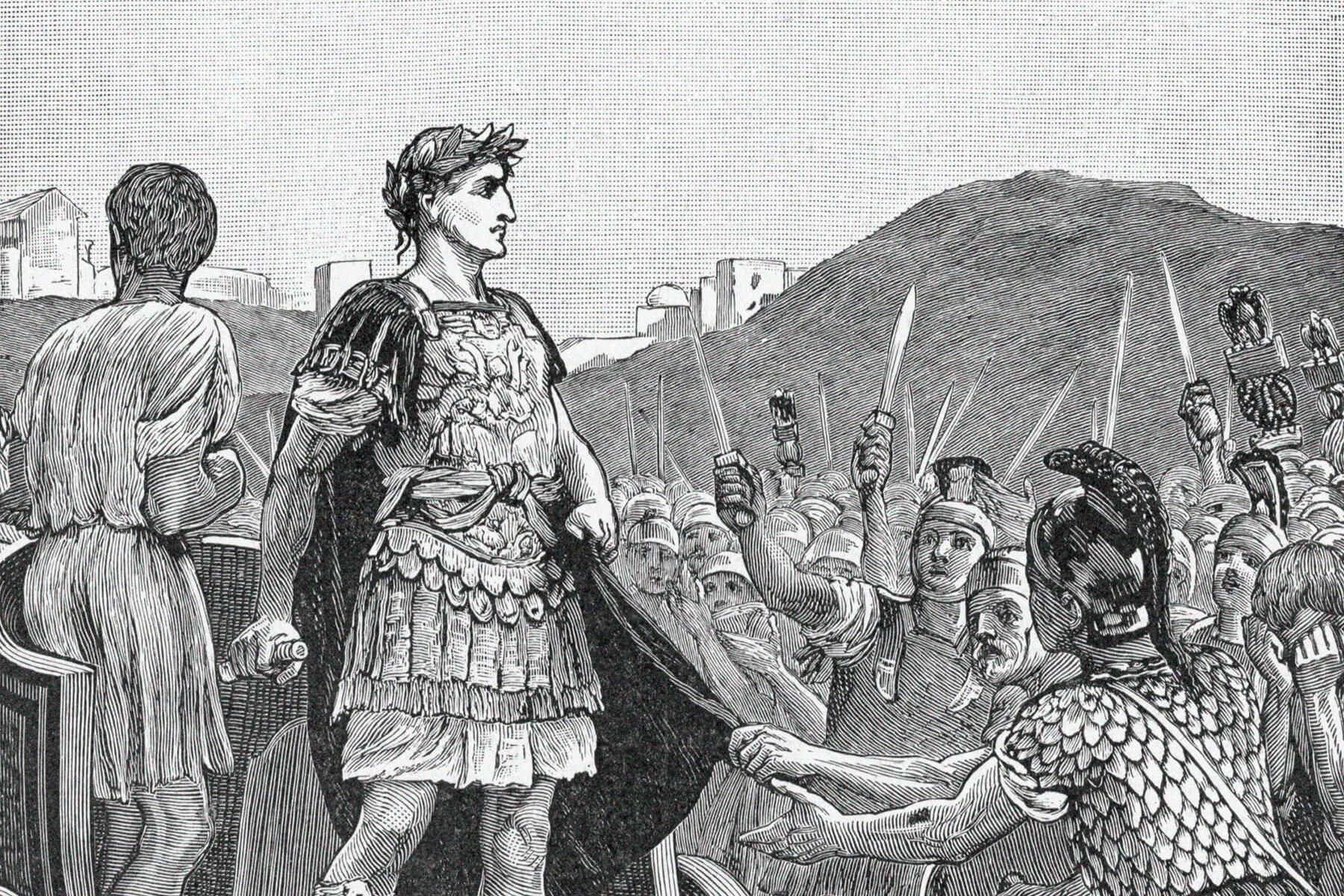
Julius Caesar’s ascent from a privileged Roman noble to a formidable commander altered Rome and the broader Western world. His bold ambitions, relentless campaigns, and sweeping reforms left an imprint that extended far beyond his lifetime, influencing governance, culture, and timekeeping for generations to come.
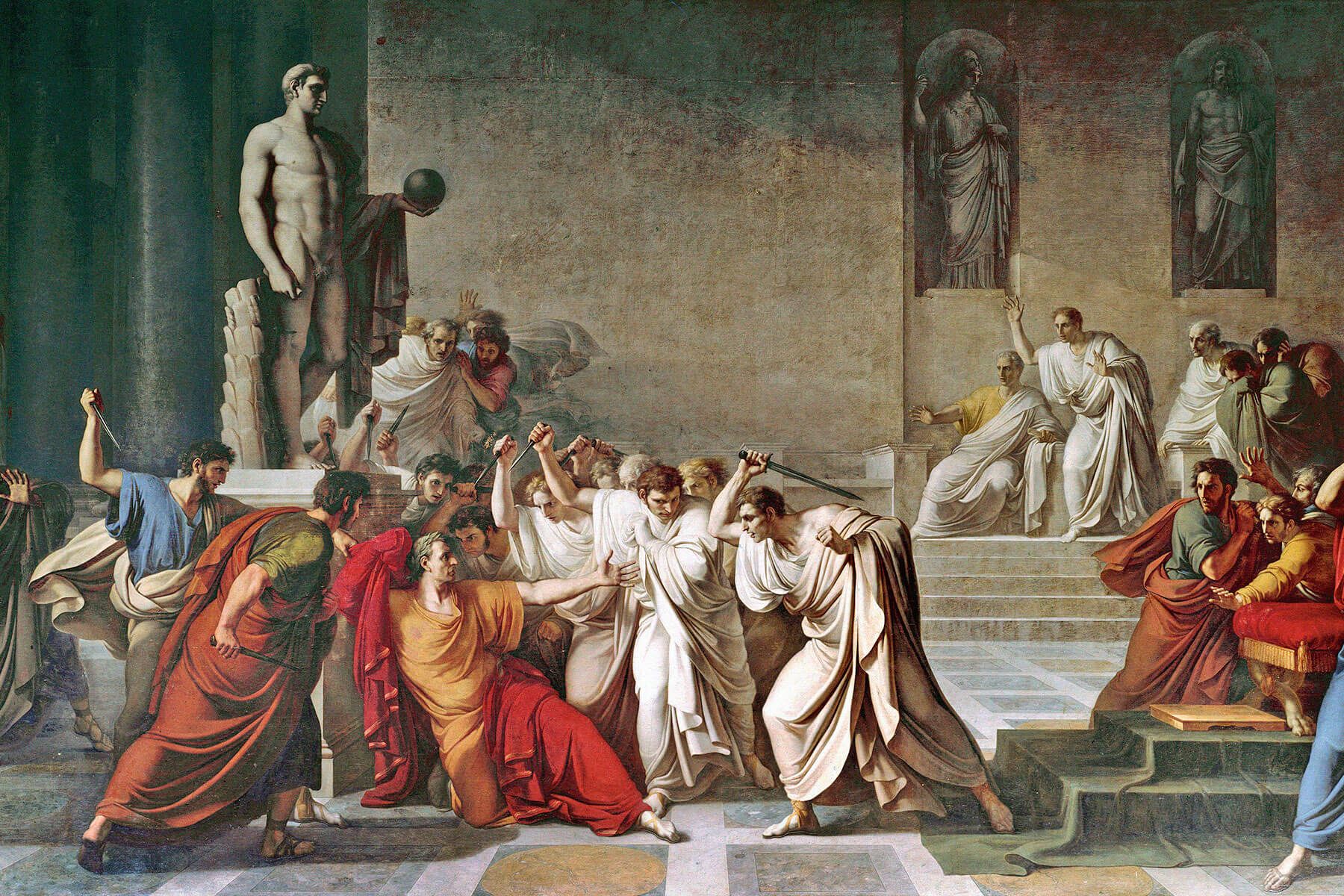
His death did not simply remove a ruler; it ignited a transformative power struggle that ultimately traced the path from Republic to Empire. The intrigue surrounding his assassination underscored the fragility of Rome’s political system and set in motion events that reshaped the political landscape of the Mediterranean world.
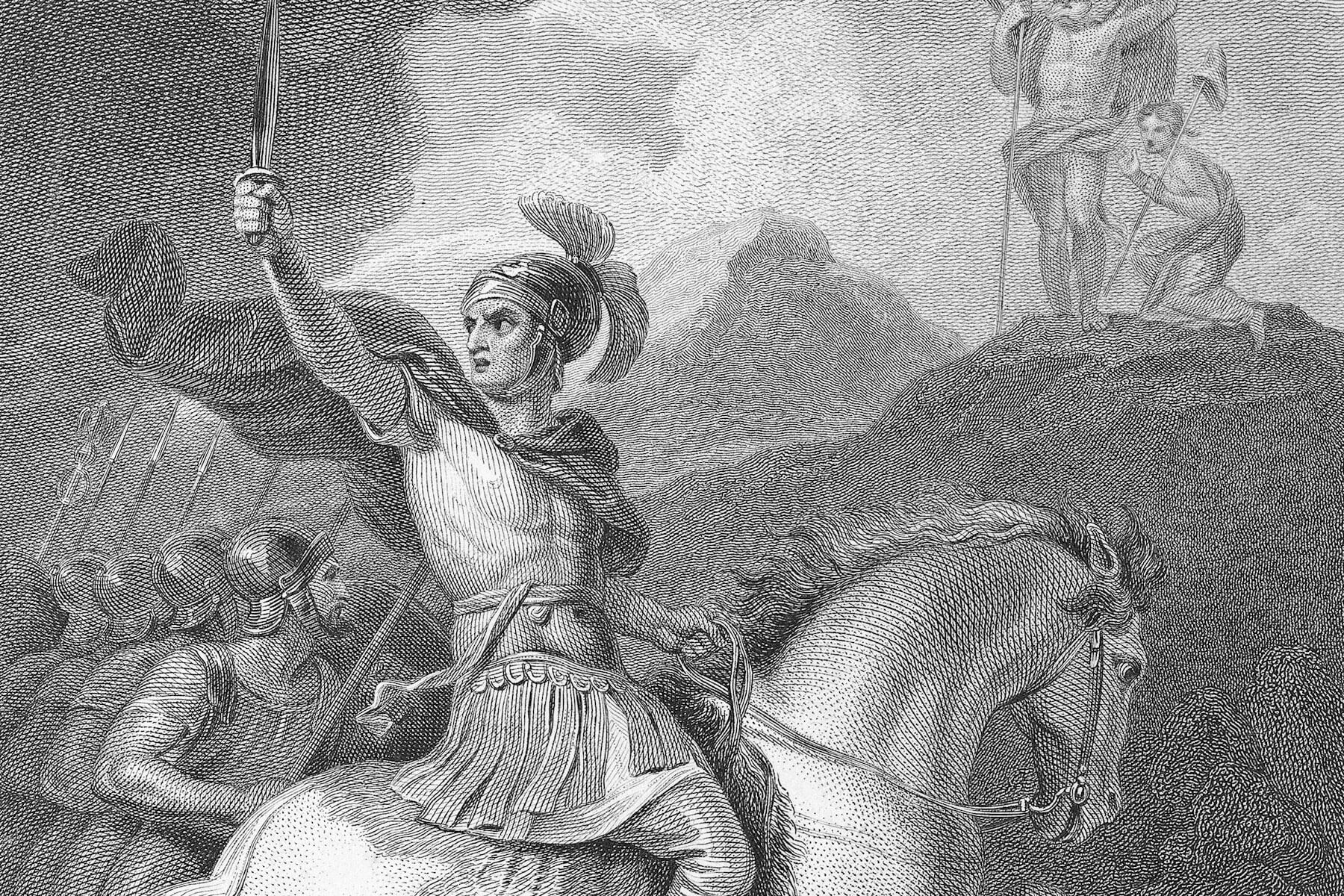
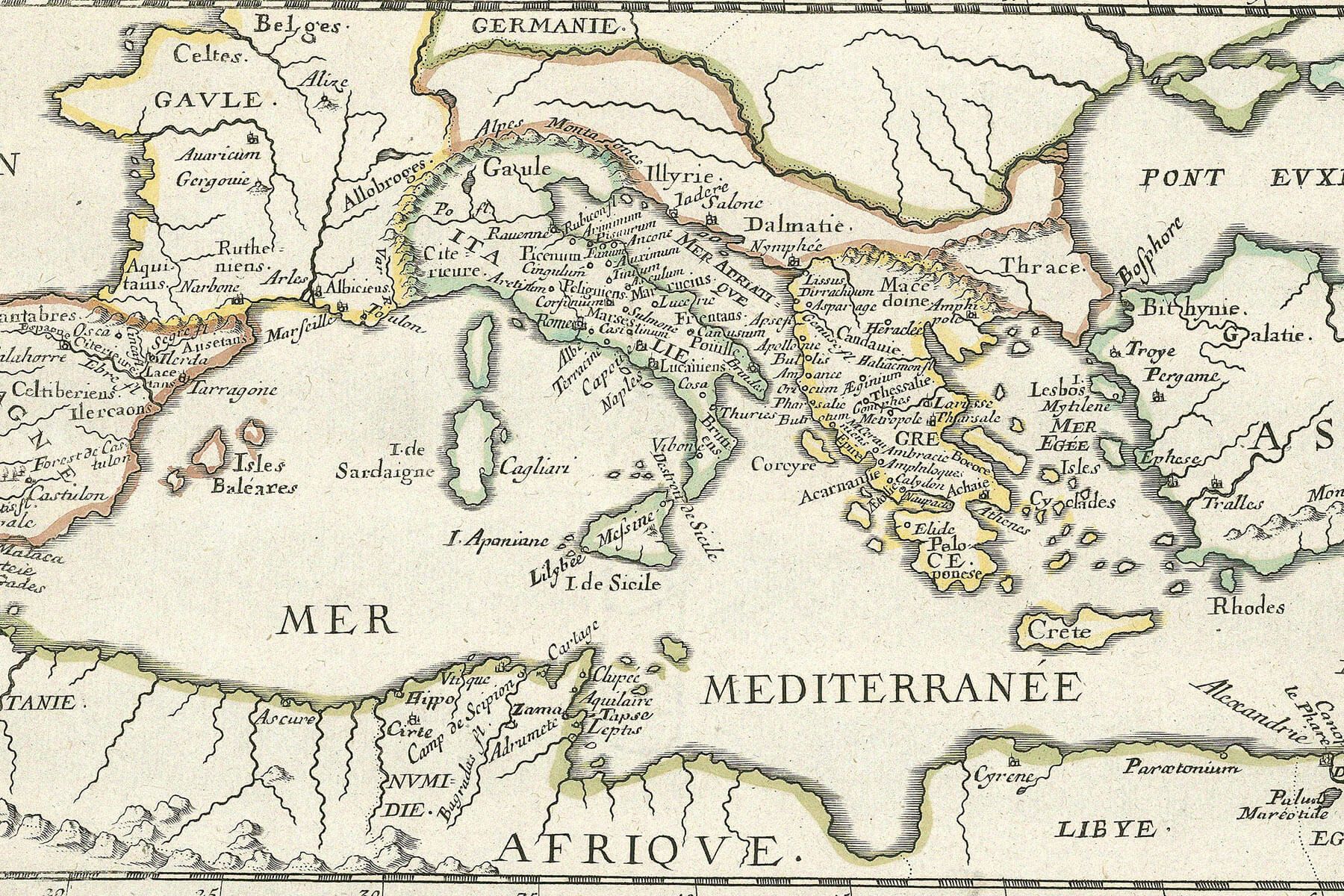
Caesar’s campaigns stretched Roman influence across Gaul and into neighboring regions, weaving a web of military prowess and political maneuvering that strengthened Rome’s grip on vast territories. The resulting infrastructure, roads, and legal integration helped knit together a sprawling empire and facilitated trade, communication, and cultural exchange across Europe.
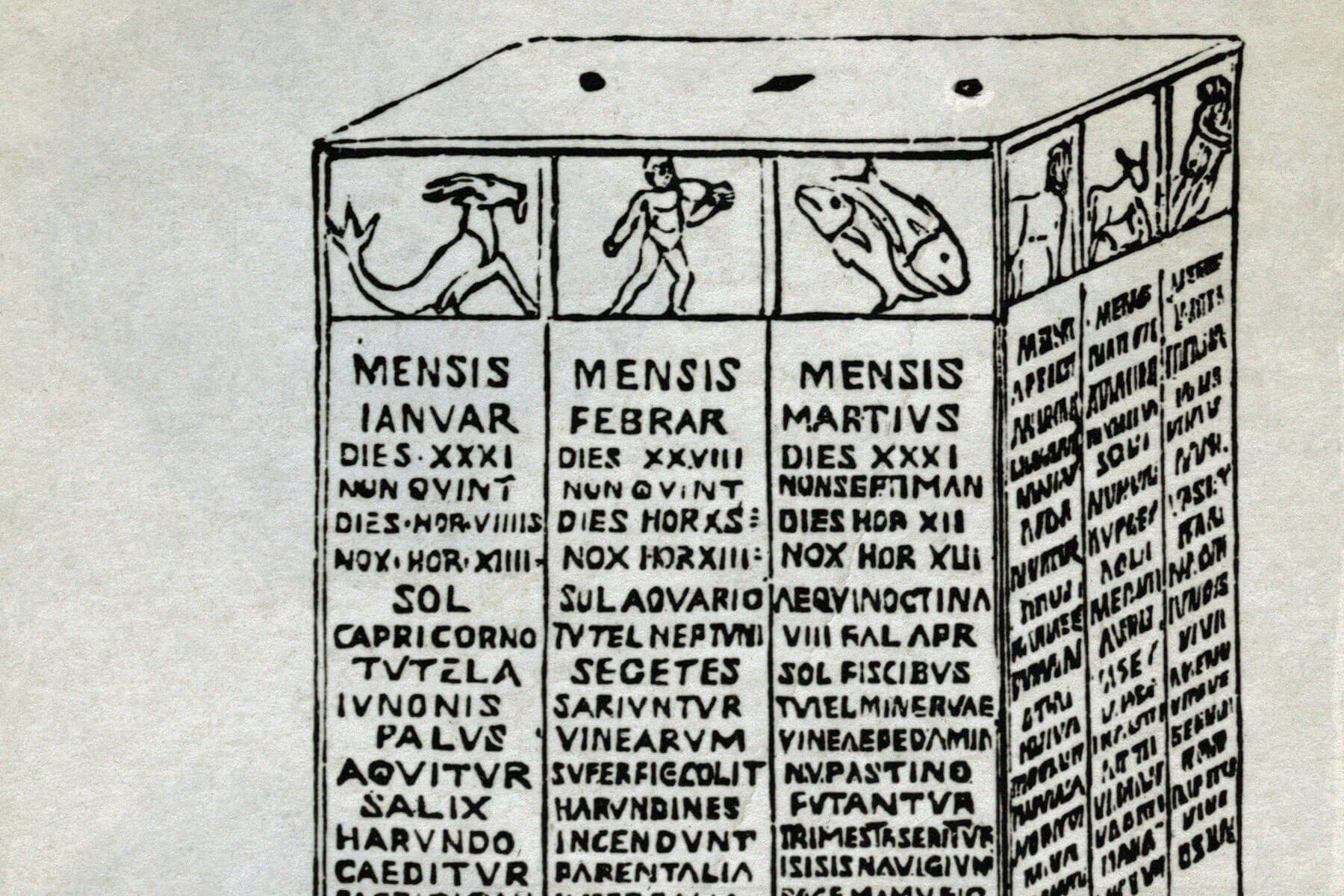
Beyond conquest, Caesar reimagined time itself. In 46 BCE, his calendar reform introduced a solar-based system with 365 days and a leap-year cadence every four years, a mechanism that anchored timekeeping to the Earth’s orbit and laid the groundwork for the calendar most of the modern world relies on today.
Politically, his approach blended populist tactics with centralized authority. He sought to empower veterans and common citizens, reduce burdens through debt relief, and expand public services—an agenda that amplified his popularity but also concentrated power. The aftermath of his rule demonstrated the delicate balance between popular support and institutional checks, a dynamic that continued to shape Roman governance long after his death.
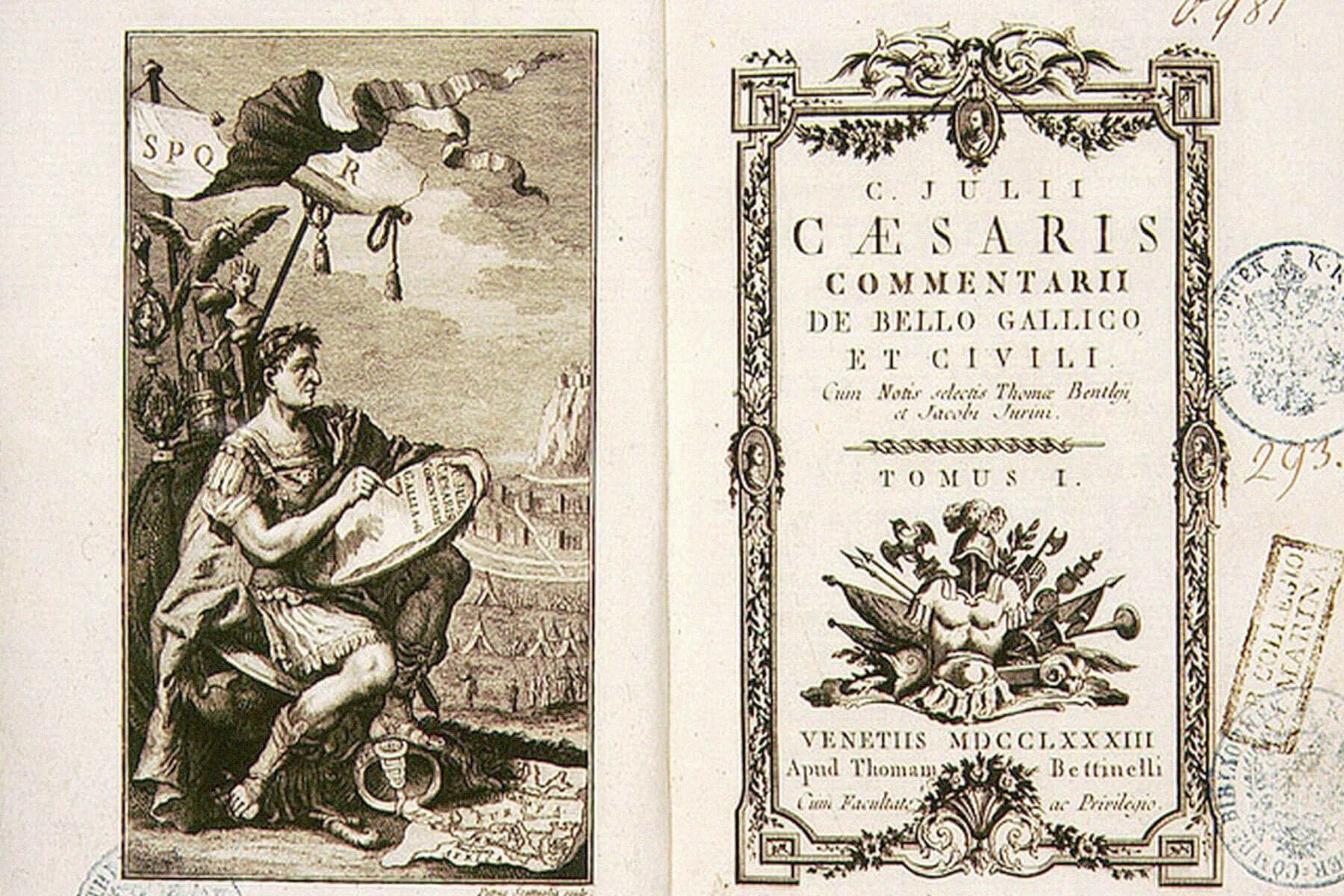
Caesar’s life inspired both contemporary admiration and enduring literary legacy. His war narratives, compiled in Commentarii De Bello Gallico and Commentarii de Bello Civili, offered a lucid eyewitness account of Rome’s military campaigns and political tensions. These writings, alongside his artistic influence on later dramatists, helped immortalize Caesar as a symbol of leadership, rhetoric, and the complexities of power.