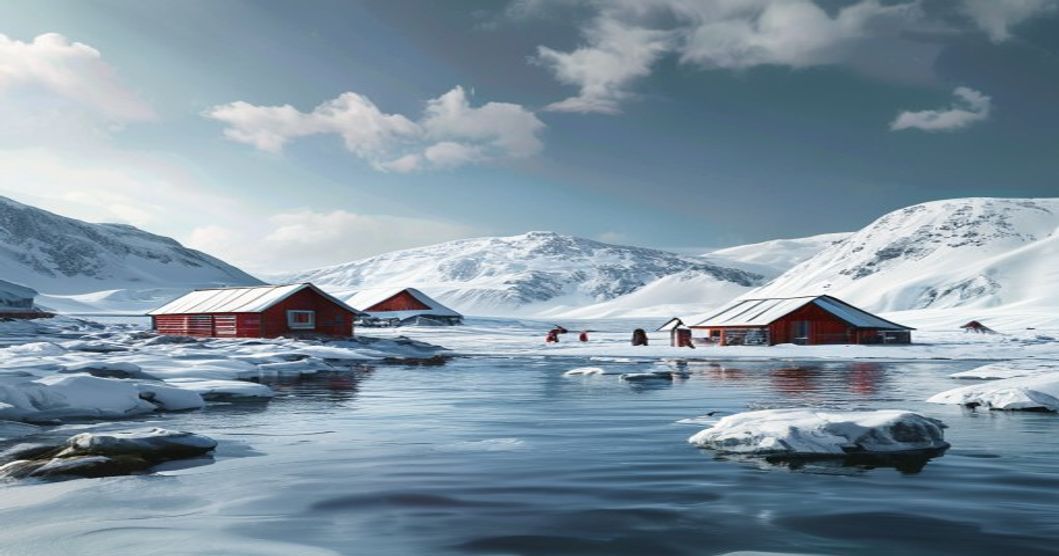
The Intersection of Sustainable Arctic Tourism and Indigenous Heritage
The modern expedition to the Sustainable Arctic Tourism sector requires a fundamental shift from conventional sightseeing to regenerative travel models that prioritize ecological balance and indigenous sovereignty. As visitor numbers climb in subarctic and arctic zones, destination managers face mounting pressure to protect fragile tundra ecosystems while safeguarding Authentic Sami Cultural Heritage. This paradigm demands that tourism development aligns with the centuries-old stewardship practices of the Sámi people, ensuring that economic activity does not erode the spiritual and material foundations of their way of life.
Defining Sustainable Practices in the Arctic Region
Eco-conscious travel in high-latitude environments relies on strict waste management protocols, low-carbon transportation networks, and seasonal visitation caps to prevent soil compaction and wildlife disruption. Operators must implement comprehensive environmental impact assessments before establishing lodging or guided routes. Furthermore, renewable energy integration and closed-loop water systems are non-negotiable standards for responsible Arctic travel. These measures directly mitigate the accelerated warming trends that disproportionately affect permafrost stability and migratory patterns of arctic fauna.
Preserving Authentic Sami Cultural Traditions
The Sámi represent the only legally recognized indigenous population within the European Union, with a cultural identity deeply intertwined with reindeer husbandry, traditional craftsmanship, and oral storytelling. Protecting Sami cultural heritage involves legal frameworks that secure land rights, language revitalization programs, and the prohibition of commodified performances that dilute spiritual rituals like the Joik singing tradition. Authentic preservation requires community-led documentation of Duodji (traditional handicrafts) and strict guidelines against unauthorized commercial exploitation of sacred symbols.
Economic and Ecological Benefits of Community-Led Tourism
When indigenous groups control tourism infrastructure, revenue distribution directly supports cultural continuity and environmental monitoring. Indigenous-led initiatives demonstrate that Sami community tourism generates higher multipliers for local economies compared to foreign-owned enterprises, as capital remains within regional supply chains.
Funding Conservation Through Responsible Travel
Visitor levies and guided expedition fees structured by Sámi cooperatives finance critical habitat restoration projects, including wetland regeneration and invasive species management. These funds also support GPS tracking of reindeer herds, enabling adaptive grazing strategies that prevent overgrazing and maintain biodiversity across the tundra biome. The financial model transforms tourists into active stakeholders in Arctic ecosystem conservation.
Empowering Local Sami Communities Economically
Direct employment pathways in guiding, hospitality, and artisan workshops reduce urban migration among younger Sámi generations. By monetizing traditional knowledge ethically, communities gain financial independence to maintain language schools and heritage museums. This economic resilience strengthens the intergenerational transmission of reindeer herding techniques and winter survival skills that are increasingly vital as climate patterns shift.
Navigating Challenges in Arctic Destination Management
Destination planners must reconcile ambitious tourism growth targets with the physical limits of polar environments. Unregulated expansion threatens both ecological integrity and cultural authenticity, creating irreversible damage to sites of historical significance.
Climate Vulnerability and Infrastructure Demands
Rapid permafrost thaw destabilizes roads, airstrips, and waste treatment facilities designed for stable ground conditions. Sustainable infrastructure requires elevated foundations, modular construction techniques, and adaptive engineering that minimizes thermal exchange with the soil. Additionally, extreme weather volatility demands robust emergency response systems that prioritize visitor safety without deploying heavy machinery that scars the landscape.
Balancing Commercialization with Cultural Integrity
The global fascination with northern lights and winter wonderlands often drives demand for stereotypical experiences that misrepresent Sámi spirituality. Destination authorities must enforce strict cultural competency training for all staff, prohibit unauthorized photography of sacred objects, and mandate transparent consent protocols before visitors participate in traditional activities. Maintaining the boundary between educational exchange and cultural appropriation remains the foremost operational challenge.
Actionable Frameworks for Responsible Travelers
Eco-conscious visitors play a decisive role in sustaining polar destinations by aligning their consumption patterns with indigenous rights and environmental science. Conscious travel choices directly influence market demand and corporate accountability standards.
Selecting Certified Sustainable Operators
Travelers should verify third-party certifications such as the Global Sustainable Tourism Council (GSTC) criteria or regional Sámi tourism labels that guarantee ethical sourcing and fair wage distribution. Due diligence requires confirming that operators hold explicit land-use agreements with local Sámi councils and adhere to strict group size limitations during wildlife viewing excursions.
Engaging Respectfully with Sami Heritage Sites
Visitors must observe designated pathways to avoid trampling lichen growth that sustains reindeer populations during winter months. All interactions with traditional dwellings, drum artifacts, and ancestral burial grounds require prior consultation with community elders. Respecting silence zones, minimizing acoustic pollution, and purchasing only officially licensed Sami handicrafts ensure that tourism revenue reinforces rather than fragments cultural continuity.
Frequently Asked Questions
What is Sustainable Arctic Tourism and Sami Culture?
Sustainable Arctic Tourism and Sami Culture refers to travel practices in the Arctic region that prioritize environmental preservation, respect for indigenous Sami traditions, and community-led economic development. It emphasizes low-impact exploration, cultural exchange, and supporting local livelihoods while protecting fragile ecosystems.
Key facts about Sustainable Arctic Tourism and Sami Culture
Key facts include: the Sami are the only indigenous people with recognized rights across four Arctic nations (Norway, Sweden, Finland, and Russia); reindeer herding remains central to their cultural identity and economy; sustainable tourism initiatives often fund cultural preservation projects; strict environmental regulations limit large-scale commercial development; and visitors are encouraged to engage in guided, culturally respectful experiences that prioritize consent and education.