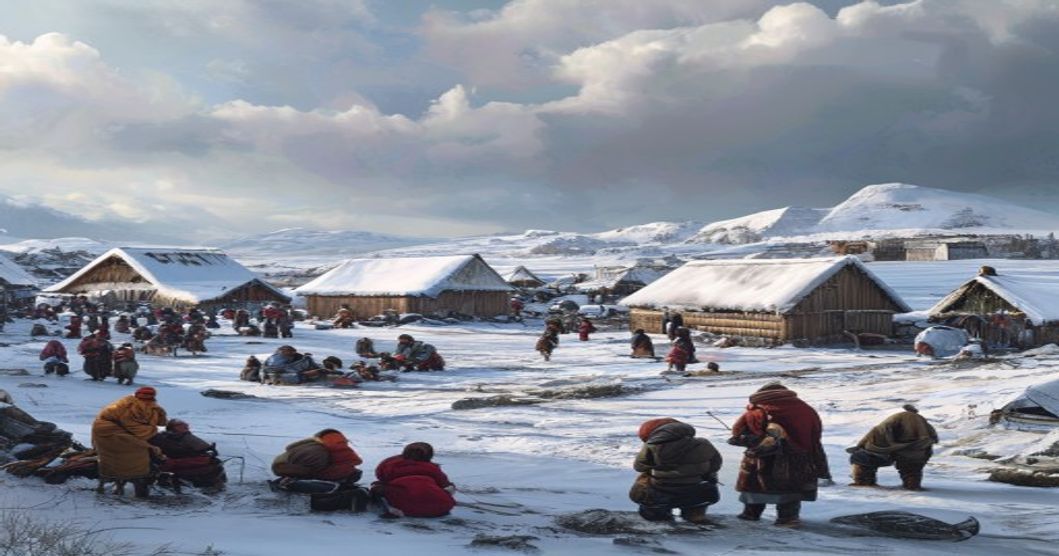
The Landscape of Sami Arctic Settlements
Geographic Distribution Across Four Nations
**Sami Arctic villages** span a continuous cultural territory across northern Norway, Sweden, Finland, and the Kola Peninsula of Russia. Administrative borders divide traditional grazing zones, requiring cross-border coordination for seasonal movement. Primary settlement hubs include Karasjok and Kautokeino in Finnmark (Norway), Inari and Utsjoki in Lapland (Finland), Kiruna and Gällivare in Norrbotten (Sweden), and the Kildin Sami coastal enclaves near Severomorsk (Russia). Construction techniques prioritize thermal efficiency and wind resistance, with buildings elevated on concrete or timber piles to prevent permafrost thaw settlement. Village layouts cluster around central community facilities, reindeer corrals, and frozen waterway access points during winter months.
Climate and Seasonal Shifts Shaping Village Life
Polar night conditions dictate artificial lighting schedules and solar storage capacity requirements for residential and commercial operations. Summer daylight hours enable continuous infrastructure maintenance, fishing net deployment, and pasture clearing activities. Transportation networks switch between winter ice roads and summer boat routes as seasonal melt cycles progress. Modern heating systems combine geothermal ground loops with traditional wood-burning stoves to maintain stable indoor temperatures during six-month cold periods. Weather monitoring stations track wind chill indices and snow density metrics to adjust daily routines and resource allocation.
Reindeer Herding as Economic and Cultural Foundation
Traditional Migration Routes and Pasture Management
**Reindeer herding operations** follow fixed seasonal corridors optimized for lichen availability and insect avoidance. Summer ranges occupy high-altitude fells where cooler temperatures reduce tick infestations, while winter grounds shift to boreal forests providing snow-free grazing patches accessible through bark stripping. Herders identify individual animals using ear notch patterns combined with hair growth variations and track movement through acoustic calls synchronized with wind direction. Pasture rotation schedules maintain moss regeneration periods of eight to twelve years between utilization phases.
Modern Challenges Facing Herders
Industrial expansion fragments migration corridors through mining concessions, wind farm installations, and forestry clearcuts that block traditional pathways. Climate volatility disrupts freeze-thaw cycles, creating ice layers that prevent reindeer from accessing ground vegetation during winter months. Regulatory frameworks require herders to balance EU environmental directives with indigenous land use rights. Technological adaptation includes GPS collars for herd monitoring and satellite imagery for pasture assessment, though manual tracking remains essential during equipment failures in remote terrain.
Preserving Ancient Traditions and Knowledge Systems
The Role of Joik in Oral History and Spirituality
**Joik music** functions as a non-linear vocal tradition mapping geographical features, animal behaviors, and ancestral lineages through melodic contour variations rather than narrative lyrics. Performances utilize breath control techniques synchronized with environmental acoustics and vocal fry registers to mimic natural soundscapes. Contemporary practitioners maintain historical repertoire alongside compositions addressing ecological shifts and political advocacy. The practice requires extensive tonal memory training beginning in childhood, with master-apprentice transmission ensuring harmonic accuracy across generations.
Duodji Craftsmanship and Seasonal Resource Use
**Duodji craftsmanship** follows strict harvesting calendars aligned with reindeer antler shedding cycles, birch sap flow periods, and lichen drying requirements. Knife blades forge using cross-laminated steel from historical bloomery methods preserve cutting edges during hide processing tasks. Clothing construction utilizes split reindeer leg leather for footwear durability and belly hide for inner garment flexibility. Tool production incorporates bone handles, birch root flex
Frequently Asked Questions
What is Sami Community Life in Arctic Villages?
Sami community life in Arctic villages refers to the traditional and contemporary ways of life of the Sámi people, the indigenous inhabitants of the northern regions of Norway, Sweden, Finland, and Russia’s Kola Peninsula. Their culture is deeply intertwined with the harsh Arctic environment, historically centered around reindeer herding, fishing, hunting, and gathering. Modern Sámi villages blend these traditions with contemporary infrastructure, maintaining strong communal bonds, distinct languages, and cultural practices like duodji (handicrafts) and joik (traditional singing).
Key facts about Sami Community Life in Arctic Villages
Key facts include: (1) The Sámi are the only indigenous people in the EU with their own recognized rights and land management traditions. (2) Reindeer herding remains a central economic and cultural activity for many communities. (3) They speak several Sámi languages, with North Sámi being the most widely used. (4) Arctic villages often feature traditional lavvu tents alongside modern wooden houses. (5) The Sámi Parliaments in Norway, Sweden, and Finland play a crucial role in preserving culture and influencing local policies. (6) Extreme seasonal variations, including the midnight sun and polar night, heavily influence daily routines and cultural festivals.