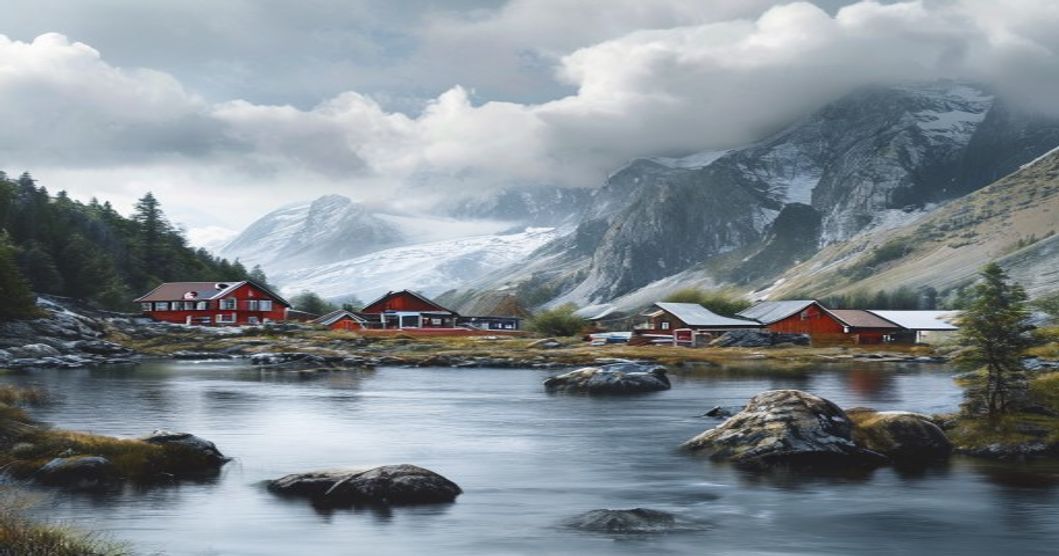
Discovering Sámi Heritage in Northern Norway
The Sámi people, the only indigenous population recognized across Scandinavia, have shaped the cultural and ecological landscape of Northern Norway for millennia. Travelers seeking authentic Sámi cultural experiences in Northern Norway will encounter a living tradition defined by sustainable livelihoods, seasonal migrations, and profound spiritual ties to Arctic ecosystems. Modern tourism initiatives increasingly prioritize Indigenous-led programming that preserves ancestral knowledge while providing transparent economic benefits to Sámi communities.
Traditional Reindeer Husbandry and Herding Experiences
Reindeer husbandry functions as both an economic foundation and a cultural anchor for Northern Sámi and Lule Sámi groups. Guided visits to active reindeer camps near Tromsø, Finnmark, or Alta demonstrate centuries-old tracking methods, antler management techniques, and rotational grazing strategies adapted to shifting climate patterns. Participants observe winter corralling procedures, learn about calf identification systems using ear tags, and witness the preparation of traditional foods like gravlaks and reindeer stew. Ethical Sámi cultural tours maintain strict distance protocols during calving seasons to prevent herd stress while allowing educational observation from designated viewing platforms.
Indigenous Crafts and Duodji Artisan Workshops
Duodji represents the Sámi systematic approach to handicraft, merging functional utility with region-specific symbolism. Workshop sessions hosted by certified artisans teach participants how to carve elk antler, process reindeer hide through traditional bark-tanning methods, and weave wool using hand-cranked looms. Each Sámi craft experience emphasizes pattern geometry, which historically denoted clan affiliation, marital status, and geographic origin. Visitors learn to engrave knife handles, paint wooden cups with natural pigments, or stitch textile accessories inspired by historical gákti designs. These educational programs highlight material sustainability, emphasizing that every component must be utilized without waste.
Joik Singing and Oral Storytelling Sessions
Joik operates as a distinct vocal tradition where melody embodies the subject rather than describing it narratively. Participating in structured joik circles introduces travelers to breath control techniques, drone harmonization, and the emotional cadence essential to Sámi musical expression. Cultural practitioners frequently pair vocal demonstrations with historical narratives documenting land treaties, migration routes, and resistance against assimilation policies. Sámi storytelling evenings prioritize intergenerational knowledge transfer, ensuring that ecological observations, navigation landmarks, and spiritual beliefs remain accessible to younger community members without reliance on written records.
Planning Your Sámi Cultural Immersion
Best Seasons for Sámi Cultural Tours
Seasonal cycles directly dictate the availability and nature of Sámi cultural experiences in Northern Norway. Winter (December to March) aligns with reindeer winter corralling, snowshoe tracking demonstrations, and community gatherings centered around polar night traditions. Spring (April to May) reveals calving season activities, traditional honey gathering from cliff nests, and early lichen harvesting. Summer (June to August) offers midnight sun craft markets, outdoor food preservation workshops, and ecological tours focused on sustainable berry foraging. Autumn (September to November) coincides with autumn migration monitoring and controlled herd management practices, requiring visitors to follow strict observation guidelines.
Guided vs. Independent Sámi Experiences
Selecting between Indigenous-led guided programs and self-directed exploration significantly impacts educational depth and cultural accuracy. Certified Sámi-run operators provide verified historical context, enforce ethical wildlife interaction standards, and direct revenue toward community-driven preservation projects. Independent travelers may visit heritage institutions like the Sámi Museum Siida or navigate marked historical trails in Kautokeino and Karasjok. However, unguided exploration carries risks of misinterpreting sacred landmarks, disrupting grazing corridors, or engaging with non-Indigenous vendors offering culturally inaccurate merchandise. Booking through Sámi-owned tourism networks ensures alignment with community governance standards.
Cultural Etiquette and Respectful Engagement
Responsible participation in Sámi cultural experiences in Northern Norway requires strict adherence to established Indigenous protocols. Documenting reindeer herds, ceremonial equipment, or private family grounds without explicit consent violates privacy norms and grazing rights. Inquiries regarding spiritual practices should only occur during structured educational programs led by recognized community members. Wearing authentic gákti attire outside designated cultural events is inappropriate unless formally invited. Travelers must prioritize understanding contemporary Sámi land rights advocacy, climate change impacts on lichen pastures, and ongoing efforts to protect Indigenous language education. Maintaining these boundaries ensures tourism actively supports rather than diminishes Sámi sovereignty.
Frequently Asked Questions
What is Best Northern Norway Sami Destinations?
Best Northern Norway Sami Destinations refers to the premier locations in the northern regions of Norway that provide authentic cultural, historical, and natural experiences centered around the indigenous Sámi people.
Key facts about Best Northern Norway Sami Destinations
Key facts include the region’s rich Sámi heritage, traditional reindeer herding practices, unique Arctic landscapes, cultural festivals, and the optimal travel seasons for witnessing both cultural events and natural wonders.