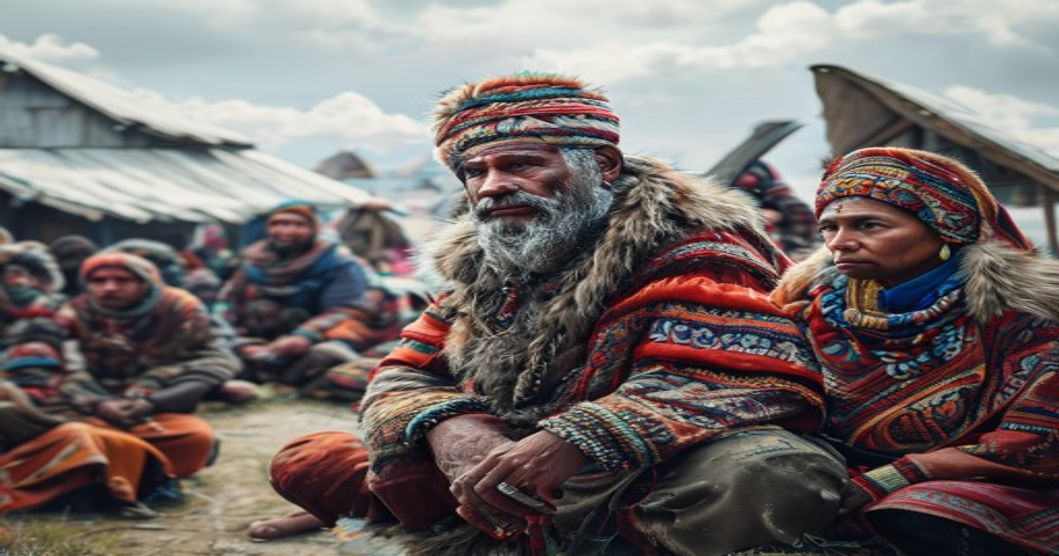
Understanding Sami Communities Beyond Stereotypes
The Sami people inhabit a continuous territory known as Sápmi, spanning northern Norway, Sweden, Finland, and the Russian Kola Peninsula. Visual media frequently reduces this indigenous population to isolated pastoral imagery, overlooking documented settlement patterns that predate modern Nordic borders by millennia. Historical archives, archaeological findings, and oral genealogies confirm sustained habitation across boreal forests, mountain plateaus, and coastal fjords. Traditional livelihoods historically combined seasonal reindeer husbandry with fishing, hunting, and small-scale agriculture, adapted to microclimates rather than uniform tundra environments.
Linguistic structure serves as the primary indicator of cultural complexity within Sami society. The designation “Sami languages” encompasses eleven recognized variants distributed across distinct geographic zones. North Sami functions as the most widely spoken variant in educational and administrative contexts, while Inari Sami, Skolt Sami, and Ume Sami maintain smaller speaker communities requiring targeted preservation protocols. Nordic legislative frameworks have funded bilingual schooling networks, standardized orthographies, and audio-visual documentation projects that reverse decades of forced assimilation. Digital platforms now host interactive grammar tools, podcast archives, and youth mentorship programs that sustain intergenerational transmission.
Governance mechanisms operate through elected Sámediggi councils that hold consultative authority over land use, cultural funding, and curriculum design. These institutions negotiate directly with national ministries regarding resource extraction permits, infrastructure planning, and environmental impact assessments. Economic participation extends into renewable energy cooperatives, academic research institutes, maritime logistics, and international creative industries. Urban districts host professional networks where contemporary practitioners integrate ancestral ecological knowledge with modern engineering, legal advocacy, and digital commerce. Community-led initiatives prioritize soil restoration protocols, native seed banking, and sustainable aquaculture to align economic development with territorial stewardship.
- Linguistic variation: Eleven distinct dialect clusters require region-specific documentation and teaching methodologies
- Institutional authority: Sámediggi bodies oversee cultural policy implementation, land claim negotiations, and educational standardization
- Market diversification: Sustainable forestry, tech startups, and craft cooperatives generate employment alongside traditional pastoral activities
- Contemporary expression: Independent publishing houses, documentary film collectives, and digital archives preserve historical records while reaching global distribution networks
Historical Foundations and Indigenous Origins in Northern Europe
The Sami people trace their lineage to ancient populations that have continuously inhabited Sápmi, a transnational cultural region spanning northern Norway, Sweden, Finland, and the Russian Kola Peninsula for more than ten millennia. Paleoclimate data and archaeological excavations confirm that post-glacial migration corridors along the Scandinavian mountain range facilitated early settlement patterns long before agrarian expansion reached the Arctic periphery. These communities developed sophisticated adaptive strategies centered on seasonal reindeer herding, coastal fishing, and inland hunting networks, which structured their socio-economic systems around resource mobility rather than territorial permanence.
Medieval Scandinavian chronicles first documented Sami groups in the twelfth century, primarily through toll collection records and ecclesiastical missions aimed at religious conversion. The subsequent centuries brought systematic land dispossession under Norwegian, Swedish, Finnish, and Russian state policies that prioritized agricultural colonization and resource extraction over indigenous land rights. Royal decrees during the eighteenth and nineteenth centuries enforced linguistic assimilation, restricted traditional grazing routes, and criminalized cultural practices, yet decentralized clan governance allowed communities to preserve core knowledge systems through oral transmission, joik vocalizations, and duodji craftsmanship.
- Linguistic Continuity: The Sámi languages belong to the Uralic family, distinct from Indo-European Nordic tongues, with dialectal variations reflecting centuries of geographic isolation and ecological specialization.
- Genetic Evidence: Paleogenomic studies published in recent decades demonstrate direct genetic continuity between contemporary Sami populations and Bronze Age Fennoscandian groups, disproving historical migration myths that incorrectly linked them to East Asian or Siberian origins.
- Political Recognition: The establishment of regional Sámi Parliaments in Norway (1989), Sweden (1993), and Finland (1996) formalized indigenous self-determination mechanisms, though jurisdictional conflicts over land use and mineral extraction remain active.
Modern historical scholarship emphasizes that Sami resilience emerged through strategic adaptation rather than cultural preservation in isolation. Ecological shifts, colonial administrative frameworks, and cross-border migration patterns forced continuous negotiation of identity, resource access, and legal status. Contemporary archaeological collaborations between indigenous elders and academic researchers further validate oral histories regarding ancient trade networks, seasonal migration calendars, and pre-colonial governance models. This historical foundation dismantles static stereotypes by revealing a dynamic indigenous civilization that maintained structural autonomy while navigating centuries of geopolitical pressure across Northern Europe.
Sámi Languages Classification and Revitalization Strategies
The linguistic landscape of the Sámi people spans a complex continuum across northern Fennoscandia and the Kola Peninsula, requiring precise academic categorization to guide preservation efforts. Modern classification divides these languages into two primary branches: Western Sámi and Eastern Sámi. The Western branch encompasses Northern Sámi, which holds the largest speaker base and serves as the standard written language in Norway, Sweden, and Finland. It also includes Lule Sámi, Southern Sámi, Inari Sámi, Skolt Sámi, Ume Sámi, and Pite Sámi. Each variety exhibits distinct phonological systems, morphological patterns, and lexical innovations that developed through centuries of geographic isolation and contact with Scandinavian, Finnish, and Russian languages. The Eastern branch contains Ter Sámi and Kildin Sámi, spoken in the Murmansk Oblast region of Russia. Despite shared etymological roots within the Uralic family, mutual intelligibility decreases sharply across branches, necessitating separate documentation and pedagogical frameworks.
- Academic Documentation and Standardization: Linguists collaborate with Sámi communities to produce comprehensive grammars, dialect atlases, and comparative lexicons. Digital corpora track historical usage patterns and map phonetic shifts across generations.
- Immersion Education Models: Language nest programs prioritize early childhood acquisition through native-speaker mentorship. Bilingual curricula integrate Sámi mathematics, sciences, and literature into national school systems, supported by certified teacher training at specialized institutions.
- Digital Infrastructure Development: Open-source platforms host interactive dictionaries, audio archives, and machine-translated educational modules. Mobile applications enable real-time vocabulary acquisition, while speech recognition tools adapt to Sámi phonotactics for voice-based interfaces.
- Media and Public Visibility: Regional broadcasting networks produce daily programs, podcasts, and children’s content in multiple Sámi varieties. Literary festivals, theater productions, and independent music releases reinforce contemporary usage beyond ceremonial contexts.
- Policy Alignment and Funding Mechanisms: National governments coordinate with the Sámi Parliament to allocate resources for language centers, research grants, and community-led documentation projects. International frameworks recognize these languages as vulnerable, triggering targeted preservation protocols.
Sustained revitalization demands continuous community ownership rather than external intervention. When speakers control curriculum design, media production, and technological adaptation, transmission rates improve across urban and rural demographics. Monitoring speaker demographics, assessing educational outcomes, and updating digital resources ensure that classification frameworks remain accurate while revitalization strategies adapt to contemporary communication patterns.
Traditional Reindeer Herding Practices in the Modern Era
Reindeer husbandry among the Sami people operates as a tightly integrated ecological and cultural system rather than a simple agricultural activity. Historically, herding followed strict seasonal migration routes dictated by forage availability, weather patterns, and predator movement. Each summer pasture demanded precise navigation across mountain plateaus, while winter grounds required deep knowledge of ice formation and wind-scoured snow surfaces that reveal lichen beds. This spatial intelligence developed over centuries remains the operational foundation of contemporary siida (herding community) management.
Modern practitioners routinely combine ancestral tracking methods with satellite telemetry collars, drone surveillance, and GPS mapping software. Digital tools do not replace traditional knowledge; they extend it. Herders monitor snow depth profiles and vegetation indices to adjust grazing pressure before overgrazing occurs. Branding iron patterns, passed through family lines since the eighteenth century, now coexist with digital livestock registries mandated by Scandinavian agricultural authorities. Legal frameworks such as the Norwegian Reindeer Husbandry Act and Swedish Sami Pastoral Law formally recognize exclusive grazing rights, yet boundary disputes with mining concessions and wind farm installations continue to reshape operational territories.
- Skill transmission occurs through hands-on mentorship during calving seasons, where young herders learn to read reindeer behavior, assess calf vitality, and execute safe rounding procedures without motorized interference.
- Climate adaptation has become critical. Thaw-freeze cycles create ice crusts that prevent lichen access, forcing herders to supplement feed or relocate entire seasonal groups weeks ahead of schedule.
- Economic diversification now includes value-added product lines like traditionally smoked meat, antler crafts, and heritage wool textiles, reducing dependency on government subsidies while preserving processing techniques.
Sustainable management relies on maintaining herd density below ecological carrying capacity. Herders cull selectively during autumn gatherings, prioritizing genetic diversity and animal welfare over maximum yield. This restraint reflects a long-term stewardship model that contrasts sharply with industrial livestock operations. The integration of traditional fire-based lichen clearing, manual fence maintenance along migration corridors, and community-led monitoring committees demonstrates how indigenous knowledge systems remain functionally relevant in contemporary resource management.
Contemporary Governance Structures and Sámi Parliament Systems
The Sámi Parliament system represents a formal mechanism for indigenous self-governance established across Norway, Sweden, and Finland during the late 1970s and early 1980s. These legislative bodies operate under distinct national legal frameworks while sharing a common mandate to protect language rights, manage cultural funding, and advise governments on matters affecting Sámi livelihoods. The Norwegian Sámediggi, founded in 1989, holds the broadest statutory authority, particularly following the Finnmark Act of 2005, which transferred ownership of approximately ninety-five percent of Finnmark county to its residents and established a joint management commission. Swedish Sametinget, operational since 1993, functions primarily as a representative and advisory institution without legislative power, relying on political negotiation for resource allocation and policy influence. Finnish Saamelaiskäräjät, inaugurated in 1996, exercises limited administrative autonomy over cultural affairs and education while remaining subordinate to central parliamentary decisions.
Each parliament determines Sámi electoral eligibility through a statutory definition of Sámi identity, typically requiring documented heritage or fluency in one of the Sámi languages. This criterion generates continuous legal debate regarding inclusion boundaries and political representation. The Norwegian system utilizes a proportional representation model with constituency districts across traditional reindeer herding areas, whereas Sweden and Finland employ nationwide single-mandate elections with age-based voting thresholds that exclude younger demographics from direct participation.
- Cross-Border Coordination: The Sámi Parliamentary Council unites representatives from Norway, Sweden, Finland, and Russia to align policy positions on transnational issues such as reindeer migration corridors, mining permits, and climate adaptation strategies.
- Financial Authority: Annual budgets derive from state allocations negotiated through ministry agreements. Funding distribution prioritizes language revitalization programs, traditional livelihood support, and educational infrastructure in northern municipalities.
- Legal Limitations: These institutions lack sovereign legislative capacity. National parliaments retain final authority over constitutional amendments, resource extraction licensing, and territorial boundaries, frequently creating friction during industrial development projects.
Recent administrative reforms have expanded the scope of Sámi parliamentary operations beyond cultural preservation into economic development, environmental monitoring, and health services tailored to northern populations. Digital governance platforms now facilitate direct consultation between elected officials and local communities across dispersed settlements. International human rights frameworks, particularly ILO Convention 169 and UNDRIP, continue to shape judicial interpretations of these bodies while domestic court rulings clarify the boundaries of consultative versus binding authority in resource management disputes.
Cultural Heritage Through Joik Music and Duodji Craftsmanship
The Sami cultural landscape cannot be reduced to static folklore or seasonal tourism imagery. Two foundational pillars that actively sustain indigenous identity are joik music and duodji craftsmanship, both operating as living systems of knowledge transmission rather than historical relics.
Joik functions as an acoustic mapping technique where vocal timbre, rhythmic breath control, and microtonal inflections replicate natural environments, animal movements, or ancestral narratives. Unlike Western melodic structures that follow predictable harmonic progressions, joik relies on iterative phrasing and emotional resonance. Practitioners utilize specific vocal techniques including throat clearing, guttural undertones, and rapid syllabic repetition to convey spatial orientation and spiritual connection. Historical suppression during nineteenth-century missionary campaigns nearly eradicated regional variations, yet contemporary artists reconstruct lost modal patterns through oral archives and cross-border collaboration between Norway, Sweden, Finland, and Russia.
- Vocal improvisation mirrors seasonal migration routes and reindeer behavior
- Regional dialects preserve distinct phonetic systems tied to specific valleys and fjords
- Modern fusion projects integrate electronic production while maintaining core acoustic principles
Duodji operates through parallel ecological logic. Artisans process raw materials using methods refined over centuries of Arctic adaptation. Reindeer hide undergoes traditional smoking and hand-stretching to create durable textiles. Birch bark is harvested during specific lunar phases to ensure optimal flexibility, while antler carving follows grain orientation to prevent fracture. The geometric patterns embedded in clothing and tool handles encode clan lineage, marriage status, and protective symbolism rather than serving purely decorative functions.
- Traditional dyeing techniques utilize lichens, birch leaves, and copper-rich soil deposits
- Stitching methods like lillebast knitting require precise tension control for waterproof durability
- Contemporary duodji practitioners regulate raw material harvesting through seasonal quotas and rotational grazing agreements
Both practices demonstrate adaptive resilience. Modern Sami communities integrate ancestral techniques with contemporary design frameworks, sustainable resource management protocols, and educational curricula that emphasize intergenerational skill transfer. This continuous evolution dismantles static representations of indigenous culture while preserving ecological wisdom and linguistic specificity within material and acoustic forms.
Legal Frameworks and Land Rights Advocacy Efforts
The legal landscape governing Sami territories has evolved through decades of international treaties, national legislation, and judicial precedent. At the core stands ILO Convention 169, ratified by Norway in 1990, which explicitly recognizes indigenous peoples’ rights to ancestral lands, natural resources, and self-determination in cultural matters. Sweden and Finland have yet to adopt the convention, creating significant discrepancies in cross-border Sami rights enforcement. Nordic governments introduced supplementary mechanisms, including the Finnmark Act of 2005 in Norway, which transferred ownership of approximately 95% of Finnmark county from the state to a locally established foundation governed by the county council and a five-member board representing the Sami Parliament.
Judicial interpretations have consistently reinforced these statutory provisions. Norwegian Supreme Court rulings on customary reindeer herding rights affirm that traditional land use constitutes a protected entitlement under international law, even without formal title deeds. Subsequent decisions in Sweden and Finland gradually expanded resource consultation requirements, mandating state agencies to engage Sami representatives before approving mining permits, wind farm installations, or infrastructure projects within traditional hunting and fishing zones.
- ILO Convention 169 provides the foundational binding obligation for land use prioritization and resource extraction consent.
- Nordic Sami Parliaments function as elected advisory bodies with statutory consultation rights in legislation affecting indigenous livelihoods.
- European Court of Human Rights jurisprudence increasingly references Article 8 and Article 14 to protect Sami cultural practices against state encroachment.
- Free, Prior, and Informed Consent protocols are now embedded in corporate due diligence standards across Scandinavia, though enforcement remains inconsistent.
Advocacy organizations operate at multiple levels to bridge legislative gaps. The Sami Council lobbies Nordic intergovernmental bodies and the UN Permanent Forum on Indigenous Issues, while grassroots coalitions focus on direct legal support for land claim disputes. Recent campaigns target the revision of Finland’s Sami Language Act and Sweden’s mining code amendments, arguing that existing statutes lack enforceable veto mechanisms over extractive industries. International environmental NGOs have aligned with Sami legal teams to challenge carbon offset projects that displace traditional grazing routes under conservation mandates.
Implementation challenges persist despite progressive wording. State agencies frequently cite economic development mandates over indigenous consultation requirements, and land registration processes remain burdened by evidentiary standards that disregard oral history and seasonal migration patterns. Cross-border coordination between Oslo, Stockholm, and Helsinki remains fragmented, limiting unified resource management strategies. Nevertheless, the continuous integration of Sami customary law into national court dockets signals a measurable shift toward jurisprudential recognition rather than symbolic accommodation.
Educational Pathways for Authentic Sámi Representation
Formal education systems across the Sápmi region have progressively shifted from assimilationist models to frameworks that center Indigenous epistemologies. Curriculum development now requires explicit collaboration with local Sámi parliaments, reindeer herding cooperatives, and cultural custodians. Teacher certification programs in northern Norway, Sweden, and Finland mandate specialized coursework in Sámi history, land rights legislation, and oral tradition methodologies. These requirements ensure that educators understand the legal and cultural boundaries surrounding traditional ecological knowledge before entering classrooms.
Language revitalization drives most structural changes in Sámi schooling. Immersion programs operate at primary and secondary levels, utilizing Sámi-medium textbooks developed through joint authorship between linguists and community elders. Digital archives now host interactive grammar modules, dialect mapping tools, and recorded interviews that preserve regional variations often excluded from standardized dictionaries. Funding allocations prioritize the production of teaching materials in North, South, and Inari Sámi variants, reducing dependency on translated Norwegian or Swedish resources. Municipal education departments mandate annual competency audits for instructors handling Indigenous subject matter, ensuring pedagogical accuracy aligns with contemporary academic standards.
Academic institutions increasingly recognize the necessity of community-governed research protocols. Universities establish ethics committees composed primarily of Sámi scholars who review proposals before fieldwork begins. Degree programs now integrate participatory mapping exercises, collaborative archival digitization, and policy analysis focused on indigenous land tenure. Independent Sámi research centers publish peer-reviewed journals that prioritize methodological transparency and reciprocal benefit structures for participating communities.
Frequently Asked Questions
What is Understanding Sami Communities Beyond Stereotypes?
Understanding Sami Communities Beyond Stereotypes refers to the ongoing effort to recognize the Sami people as diverse, modern Indigenous communities across Northern Scandinavia and Russia, rather than reducing them to outdated or romanticized cultural clichés. It involves studying their contemporary social structures, political advocacy, linguistic vitality, and economic realities while honoring their deep historical ties to the land.
Key facts about Understanding Sami Communities Beyond Stereotypes
Key facts include: (1) The Sami are the only officially recognized Indigenous people in the European Union, with distinct languages, traditional livelihoods like reindeer herding, and rich oral traditions. (2) Their territories span across Norway, Sweden, Finland, and Russia’s Kola Peninsula. (3) Modern Sami communities actively engage in education, media, politics, and climate advocacy while preserving their heritage. (4) Stereotypes often overlook the diversity among different Sami groups and their contemporary challenges, such as land rights, cultural preservation, and socioeconomic development.