One of the most intriguing educational facts about the Sami is their unique language. The Sami languages, a group of languages within the Finno-Ugric family, are not only diverse but critically important to preserving their culture. With several dialects sprouting from different regions, learning a Sami language can feel like diving into a treasure chest of history and tradition. Each word and phrase carries stories passed down through generations, bringing the past to life in a vibrant and meaningful way.
But it’s not just about language. The Sami have vibrant traditions, from intricate handicrafts to colorful clothing adorned with patterns that tell stories of their ancestry. Think of their traditional garments, the gákti, as a visual diary, displaying the wearer’s family heritage and sometimes even their marital status. Isn’t it amazing how much can be conveyed through clothing?
Discovering the Rich Heritage: 10 Fascinating Facts About the Sami People
First off, did you know the Sami inhabit regions across Norway, Sweden, Finland, and Russia? It’s like they have a personal VIP access to some of the most stunning landscapes in the world—imagine the Northern Lights dancing above their heads! The Sami are known for their unique reindeer herding lifestyle, a practice that’s not just a way of life but an essential part of their culture. Think of it as their own version of farming, but with a cool twist involving reindeer!
Another intriguing fact is their vibrant clothing, known as “gákti.” Each design, color, and accessory tells a story of its own, reflecting the wearer’s family and regional identity. It’s like wearing your family tree, woven into beautiful fabric! And let’s not forget the enchanting Sami language, filled with melodic sounds that can make conversations feel like poetry in motion.
Did you know the Sami have their own traditional music called “joik”? It’s more than just tunes; it’s a way for them to tell stories, celebrate life, or even express their emotions. Imagine music that paints a picture in your mind—it’s that powerful! Plus, they have a deep connection with nature, considering it a sacred gift. They live in harmony with the land, respecting its gifts, like knowledgeable guardians of the Earth.
There’s so much to explore about the Sami culture, each fact like a piece of a stunning mosaic that showcases their uniqueness. Isn’t it amazing how different cultures add colors to the tapestry of humanity?
Sami Culture Unveiled: Educational Insights into a Resilient Indigenous Community
First off, the Sami’s connection to nature is nothing short of mesmerizing. Picture herding reindeer across vast, snowy landscapes – it’s like a scene from a fairy tale. This isn’t just a livelihood; it’s their legacy, passed down through generations. The Sami culture embraces sustainable living, honoring the land and its bounty. Each aspect, from fishing to foraging, is steeped in respect for nature, echoing the rhythms of the seasons.
But the Sami are more than their traditions; they are a beacon of resilience. Despite facing centuries of marginalization, their spirit remains unbroken. Think of it as a mighty river carving its path through a mountain – with determination, they’ve navigated the rocky terrains of history. Their languages, songs, and crafts—like the beautiful gákti—serve as vibrant expressions of identity, allowing them to reclaim their story in the bustling modern world.
Education plays a pivotal role too. Sami schools focus on an integrated curriculum that respects and incorporates their culture, nurturing future generations to embrace their heritage while thriving in contemporary society. Isn’t it incredible how blending the old with the new can create such a rich educational experience?
So, whether you’re captivated by their traditional storytelling or inspired by their relentless fight for rights, the Sami culture unveils a narrative of strength, learning, and the beautiful dance of life in harmony with nature.
From Reindeer Herding to Artisanship: The Diverse Skills of the Sami People Explained
Picture this: the Sami culture, rooted in the harsh Northern environment, thrives thanks to a skill set that’s as varied as the Northern Lights. At the core, reindeer herding is a way of life—a deep connection with nature that teaches respect for the land and its resources. But it doesn’t stop there. The Sami have honed their craftsmanship, turning raw materials into stunning pieces of art. From beautifully embroidered clothing to intricately carved wooden objects, every piece tells a story. It’s like watching an artist at work, transforming a simple idea into something that sparks joy.
Now, let’s add another layer to this. Sami people are also talented musicians! With the enchanting sounds of the joik—an ancient form of song that describes everything from nature to personal experiences—they breathe life into their history and emotions. Imagine standing under a starlit sky, listening to a joik echoing through the air; it’s a connection to their ancestors that transcends time.
The Sami Language: Preserving Identity in a Changing World
Speaking Sami isn’t merely about language; it’s about maintaining a connection with centuries of culture, traditions, and stories passed down through generations. When you chat in Sami, you’re not just tossing words around; you’re breathing life into a history that’s as vital as the cool breeze on a summer night. Isn’t it fascinating how language shapes our reality?

Yet, the Sami language faces challenges in this rapidly changing world. Just like small icebergs slowly eroding under the warm sun, dwindling numbers of speakers can weaken its presence. Young Sami are increasingly influenced by dominant languages, and the risk is that these beautiful sounds might fade into whispers. Picture a melting glacier; its majesty lost, a reminder of what once was. That’s where the importance of preservation kicks in.
Innovative strategies are popping up, from online courses to community gatherings, echoing the vital message: “Let’s keep this thing alive!” Like reclaiming lost treasures, these initiatives empower young Sami to embrace their roots. Each time a child learns a word or a phrase, it’s like planting a seed for future generations. So, whether it’s through localized education, art, or storytelling, the Sami language thrives, finding new avenues to flourish.
When the first snow falls in winter, it doesn’t erase the memories of spring; similarly, preserving Sami is about keeping that cultural vibrancy alive against all odds. The charm of language isn’t just in its words; it’s in its very essence, creating bonds that are as strong as the ties that bind families together.
Sami Spirituality and Nature: Understanding the Connection Between Beliefs and Environment
Imagine walking through a frozen landscape, where every snow-covered tree and whispering wind tells a story. For the Sami, mountains, rivers, and forests serve as sacred places, vibrating with spiritual energy. It’s like how we might feel drawn to a tranquil beach or a blooming garden; nature speaks to us in different ways. The Sami believe that everything around them—animals, plants, and even inanimate objects—has a spirit. They listen to the whispers of the land, understanding that their survival doesn’t come from conquering nature, but from living in harmony with it.
You might wonder how this connection influences their daily life. Sami rituals and traditions often revolve around the seasons and natural cycles. For instance, reindeer herding is not just a profession; it’s a spiritual practice. The herders possess an almost symbiotic relationship with these magnificent creatures, seeing them not just as livestock, but as partners in their way of life. Through this lens, you can see how respectful stewardship of the environment becomes more than just a responsibility—it’s a sacred obligation.
So, next time you find yourself surrounded by the beauty of nature, think about the Sami and how they embrace every aspect of their environment. Their spirituality might inspire us to align our own beliefs with the natural world, reminding us that, just like them, we’re part of something so much bigger.
Cultural Revitalization: How the Sami People Are Keeping Their Traditions Alive
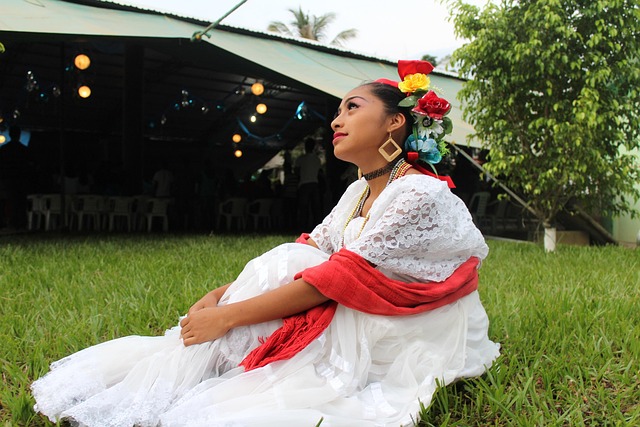
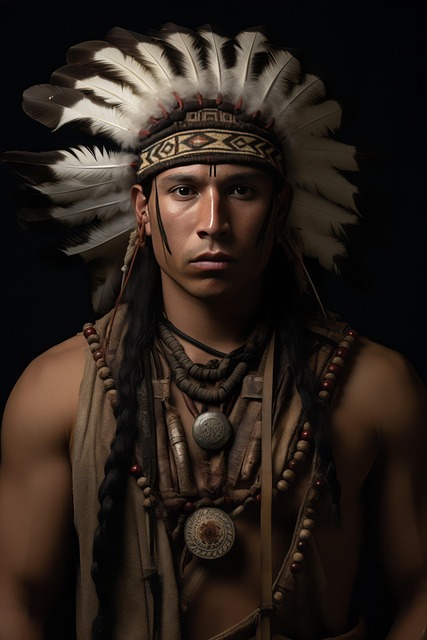
Picture this: colorful traditional garments called gákti, worn with pride during festivals. These aren’t just clothes; they are a tapestry of the Sami’s identity, intricately stitched with stories of their ancestors. Through vibrant art, music, and storytelling, the Sami are reviving their language, which had begun to fade like an old photograph. They host language camps and workshops, where every word spoken is a celebration—a bridge connecting generations.
Now, have you ever thought about how the natural world influences culture? The Sami’s deep-rooted connection to reindeer herding showcases this beautifully. It’s not just a livelihood; it’s a way of life. By practicing sustainable herding techniques, they’re not only preserving their traditions but also teaching vital lessons on environmental stewardship. It’s like they’re whispering to the world, “Hey, look! We can live in harmony with nature.”
Through music, the rhythmic beats of the traditional joik echo in the valleys, telling tales of love, landscape, and life experiences. It’s a powerful reminder that culture isn’t static; it’s alive and evolving. The Sami are harnessing these moments to share their stories both locally and globally, proving that traditions can thrive even in a modern age. Each gathering, festival, and workshop is a stepping stone towards cultural rebirth—a vibrant dance filled with hope, passion, and persistence.
Frequently Asked Questions
How are Sami educational practices being integrated into modern curricula?
Sami educational practices are increasingly being integrated into modern curricula through the incorporation of indigenous knowledge, cultural perspectives, and traditional practices. This integration involves tailored teaching methods that respect and reflect Sami heritage, language, and identity, aiming to create a more inclusive and culturally relevant educational environment.
What are the key cultural values of the Sami that influence education?
The Sami emphasize community, respect for nature, and cultural heritage, which significantly shape their educational approach. Learning often integrates traditional knowledge and language, fostering a sense of identity and belonging. Values such as cooperation, resilience, and adaptability are pivotal, encouraging students to appreciate their unique cultural background while gaining modern skills.
What challenges do Sami students face in traditional educational settings?
Sami students often encounter various challenges in traditional education, including cultural misalignment, language barriers, and a lack of representation in curricula. Additionally, they may face prejudice or misunderstanding of their cultural identity, which can affect their confidence and engagement. These factors can lead to disparities in academic performance and overall educational experiences.
How does the Sami language play a role in their educational system?
The Sami language is integral to the educational system for Sami communities, promoting cultural identity and heritage. It is taught in schools to ensure that students learn their native language alongside the national curriculum, reinforcing their connection to Sami culture. Bilingual education models are often employed, facilitating fluency in both Sami and the dominant language, which supports personal development and academic success.
What is the history of the Sami people and their education?
The Sami people are an Indigenous group from the northern parts of Norway, Sweden, Finland, and Russia. Their history is characterized by a rich cultural heritage centered around reindeer herding, fishing, and traditional crafts. Education for the Sami has evolved significantly, from early suppression of their language and culture to contemporary efforts aimed at revitalization. Today, there are initiatives to incorporate Sami languages and cultural content into educational curricula, promoting a better understanding of their unique identity and history.