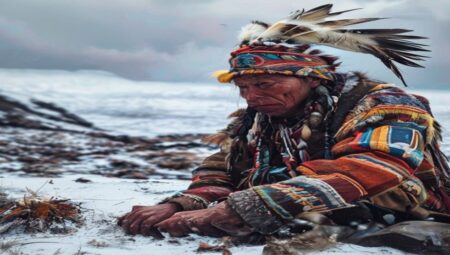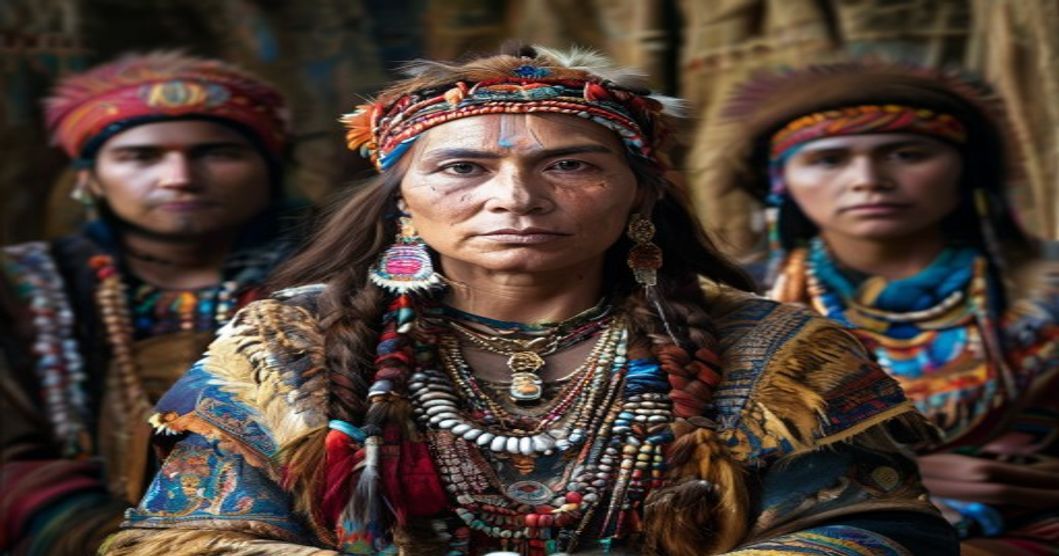
Understanding Sami Cultural Representation in Contemporary Media
The portrayal of Sami cultural identity within contemporary media has undergone a measurable shift from anthropological exoticism to self-determined narrative control. Historically, Nordic film and television frameworks reduced indigenous communities to static backdrops for adventure plots or environmental allegories. Modern production models prioritize collaborative scripting, where Sami writers, directors, and cultural consultants dictate the structural integrity of each story. This transition aligns with broader industry standards requiring authentic voice casting, location accuracy, and linguistic preservation. When media platforms commit to these protocols, the resulting content reflects precise ethnographic details rather than generalized Nordic stereotypes.
Contemporary representation manifests across multiple channels, each operating under distinct editorial guidelines. Documentary filmmaking frequently utilizes observational cinematography to capture seasonal reindeer migrations, traditional duodji craftsmanship, and regional dialect variations. Fictional narratives increasingly employ multilingual dialogue, blending Northern Sámi, Lule Sámi, and Southern Sámi with Norwegian, Swedish, or Finnish subtitles. Streaming algorithms now categorize indigenous content under specific cultural metadata tags rather than generic ethnic classifications, which directly influences audience targeting and distribution reach. Production companies that invest in regional talent development see measurable improvements in narrative authenticity and critical reception metrics.
- Pre-production protocols mandate cultural impact assessments conducted by local Sámi councils, ensuring storylines avoid historical inaccuracies or spiritual misappropriation.
- Filming standards require location scouts to verify ecological and architectural consistency with actual Sápmi municipalities rather than standardized Nordic studio sets.
- Post-production workflows prioritize dialect coaching, traditional instrument licensing, and community review boards that flag potential stereotyping before public release.
Evaluating accurate representation requires examining these core production phases. Media outlets adhering to these protocols generate content that sustains cultural continuity while meeting international broadcasting standards. Viewership data indicates sustained engagement when protagonists navigate contemporary challenges through traditional decision-making processes rather than assimilation narratives. Educational institutions now incorporate these media texts into cultural studies curricula, establishing reference standards for future productions. International film festivals allocate dedicated programming slots that require verified indigenous partnership documentation during submission. This institutional validation forces mainstream distributors to adopt stricter ethical guidelines, creating a compounding effect across global streaming platforms and regional broadcasters alike.
Defining the Historical Context of Indigenous Visibility
The historical trajectory of Sami visibility within mainstream media stems from centuries of territorial expansion and cultural assimilation policies across Norway, Sweden, and Finland. Early nineteenth-century ethnographic documentation framed Indigenous communities through a romanticized lens, emphasizing reindeer herding and traditional attire while systematically ignoring the diversity of livelihoods that extended across coastal fishing, agriculture, and wage labor. Film and photography emerging during the interwar period reinforced these simplified narratives, positioning Sami populations as static cultural relics rather than adaptive societies navigating industrialization. State-sponsored archives frequently excluded Indigenous editorial control, resulting in visual and textual representations designed for external consumption rather than internal reflection.
The mid-twentieth century accelerated structural invisibility as Scandinavian governments implemented aggressive language suppression and land privatization initiatives. Restricted access to publishing infrastructure and academic institutions limited Sami authorship, forcing cultural narratives through anthropological frameworks. Documentary filmmakers operated without community consent, staging photographs that prioritized exotic aesthetics over historical accuracy. Broadcasting regulations during this era strictly marginalized Indigenous languages, ensuring that media production remained centralized within non-Sami editorial boards.
Activism throughout the 1970s dismantled these institutional barriers. Land rights demonstrations in Alta, the establishment of Sami parliamentary councils, and the creation of Indigenous broadcasting cooperatives generated tangible pathways for authentic representation. Media producers began integrating Sami linguists, knowledge keepers, and contemporary artists into development pipelines, shifting historical documentation from external observation to structured self-determination. Digital distribution networks subsequently accelerated this transformation, enabling independent creators to archive cultural practices without institutional mediation.
- Early ethnographic collections: Nineteenth-century archives prioritized field observation over community consent and contextual accuracy.
- State assimilation campaigns: Mid-twentieth century legislation restricted Indigenous language use in education, broadcasting, and official documentation.
- Media sovereignty reforms: Late 1980s broadcasting mandates established co-production requirements and Sami-language programming quotas.
- Digital self-archiving: Contemporary platforms facilitate direct cultural documentation, bypassing traditional editorial gatekeepers entirely.
This chronological progression demonstrates how visibility evolved from imposed imagery to institutionalized representation, establishing the structural foundation for contemporary media portrayals.
Mapping Key Geographic and Linguistic Diversity Across Narratives
The Sami people inhabit a continuous transnational landscape stretching across northern Fennoscandia, yet popular media frequently fragments this territory into isolated regional stories. Films and documentaries anchor narratives in specific municipalities, highlighting how reindeer herding communities adapt to shifting borders between Norway, Sweden, Finland, and the Russian Kola Peninsula. Geographic markers dictate pacing, conflict resolution, and character motivation within cinematic storytelling. Shooting along coastal fjords or inland taiga reinforces distinct cultural ecologies that shape daily life and historical memory.
- North Sami dominates mainstream subtitles and dubbing due to its broader speaker base, often overshadowing regional variants.
- Inari, Skolt, and Lule Sami appear primarily in independent digital productions, where creators remove translation overlays to preserve phonetic authenticity.
- Ume, Pite, and South Sami surface only in localized archival documentaries or community-driven podcast series targeting heritage preservation.
Cross-border collaborations complicate these portrayals further. Joint productions between Nordic broadcasters and indigenous studios map dialect shifts across provincial lines, demonstrating how historical trade routes and administrative divisions fractured a once-unified linguistic continuum. Algorithmic recommendation engines cluster content by national borders rather than language families, which distorts viewer perception of territorial continuity. Metadata analysis shows that geographic tagging heavily influences search visibility, causing authentic regional orthographies to rank lower than standardized commercial spellings in global indexing systems.
Terrain and language intersection generates measurable shifts in audience engagement metrics. Content naming specific winter pastures, summer grazing zones, or historic market towns achieves deeper interaction rates compared to generic arctic backdrops. Creators who verify parish boundaries, municipal language policies, and historical migration corridors produce narratives that align with indigenous verification standards while expanding demographic reach. Industry tracking now correlates dialect accuracy directly with cultural trust indicators in documentary reception analytics.
Film and Television Frameworks Shaping Public Perception
Nordic screen frameworks have historically functioned as cultural filters, translating Sami worldviews through external directorial lenses rather than indigenous narrative architectures. Early cinematic portrayals relied on ethnographic spectacle, reducing complex seasonal livelihoods and spiritual practices to visual shorthand for wilderness mysticism. Production pipelines prioritized atmospheric tension over structural accuracy, resulting in recurring tropes that framed Sami communities as static artifacts rather than dynamic societies. Modern television frameworks have gradually dismantled these patterns by institutionalizing co-creation protocols. Streaming platforms now mandate cultural consultation phases during script development, requiring authentic language specialists to verify terminology and contextual usage before principal photography begins.
Visual framing directly dictates audience comprehension. Camera placement, lighting ratios, and sound design determine whether traditional practices appear as living heritage or museum exhibits. Contemporary series utilize on-location shooting across Sápmi to capture accurate environmental acoustics and seasonal light conditions, which fundamentally alters pacing and emotional resonance. The integration of joik into score composition replaces generic orchestral padding with culturally specific vocal techniques, forcing viewers to engage with indigenous musical theory rather than Western harmonic expectations. Dialogue delivery follows strict linguistic preservation standards, where Sami languages are not subtitled for narrative convenience but treated as primary communicative layers that shape plot progression.
- Casting Architecture: Non-Sami actors are systematically excluded from culturally specific roles, with dialect coaches requiring generational fluency verification before screen time approval.
- Production Governance: Indigenous producers hold veto power over costume accuracy, reindeer handling protocols, and duodji craftsmanship representation to prevent commodification.
- Narrative Distribution: Storylines prioritize intergenerational knowledge transfer and land rights discourse over exoticized adventure plots, aligning audience attention with community-defined priorities.
- Algorithmic Visibility: Platform recommendation engines now weigh cultural authenticity metrics alongside engagement data, elevating productions that demonstrate verifiable community partnership over aesthetic appropriation.
These structural shifts recalibrate public perception by replacing passive consumption with active contextualization. When television frameworks embed Sami epistemology into scene construction rather than treating it as decorative backdrop, viewers process cultural details through lived experience rather than anthropological distance. The result is measurable audience retention across demographic segments unfamiliar with Nordic indigenous contexts, driven by narrative immersion rather than curiosity-driven viewing. Media consumption patterns now reflect a clear transition from ethnographic observation to participatory understanding, where screen frameworks operate as educational infrastructure rather than cultural translation layers.
Nordic Cinema Production Standards and Authentic Casting Practices
Contemporary Nordic film production operates under strict cultural accountability frameworks that directly impact how Sami heritage appears on screen. Funding institutions across Norway, Sweden, and Finland now require documented consultations with regional Sami councils during the development phase. These partnerships dictate script revisions, location scouting protocols, and technical execution to prevent geographical or historical inaccuracies. Production budgets allocate dedicated lines for indigenous cultural advisors, ensuring their guidance remains integral throughout principal photography rather than serving as superficial compliance measures.
Casting departments have shifted away from non-indigenous performers portraying Sámi characters. Production companies now mandate open casting calls that prioritize actors with documented Sami ancestry. Audition processes include practical language assessments in North Sami, South Sami, or Inari Sami, depending on the narrative setting. Dialect coaches join the crew during principal photography to maintain phonetic accuracy and contextual dialogue delivery. Background performers receive identical linguistic requirements to preserve environmental authenticity across every frame.
- Pre-production cultural audits verify costume authenticity, ensuring traditional duodji craftsmanship replaces mass-produced alternatives sourced from external vendors.
- Location agreements require written consent from local Sámi parliaments when filming near sacred sites or active reindeer migration corridors, with strict noise and vehicle restrictions enforced on set.
- Script development workshops integrate indigenous writers and historical linguists to eliminate outdated terminology and anachronistic cultural references before the first draft reaches producers.
Technical crews undergo mandatory training on contemporary Sámi socio-political contexts, economic systems, and community-specific customs. Directors receive editorial guidance to avoid framing techniques that reduce living cultures to historical artifacts. Post-production workflows incorporate community review screenings where narrative accuracy receives final approval before distribution agreements are signed. These standardized practices have restructured industry hiring pipelines across Scandinavia.
Casting directors now maintain verified databases of indigenous performers, while production managers coordinate with Sámi language institutes for continuous linguistic support. The resulting framework eliminates speculative representation and establishes measurable benchmarks for cultural fidelity across all Nordic film projects. Industry protocols continue to evolve through direct collaboration with contemporary Sámi filmmakers who hold executive producer credits on major regional productions. Union guidelines now require background checks that verify cultural advisor credentials, while insurance providers mandate documented community consent forms before greenlighting principal photography.
International Documentary Distribution and Visual Ethics
The global circulation of Sami-focused documentaries relies heavily on specialized film festivals, public broadcasters, and streaming platforms that prioritize indigenous storytelling. Distribution networks operate through complex licensing agreements that dictate how visual narratives travel across borders. Production companies must navigate territorial rights, language dubbing requirements, and platform-specific content guidelines. When these films reach international audiences, the initial framing often determines cultural reception. Streaming algorithms tend to amplify visually striking footage over contextual depth, which can inadvertently flatten centuries-old reindeer herding practices or joik vocal traditions into aesthetic commodities.
Visual ethics in this distribution ecosystem require explicit adherence to Free, Prior, and Informed Consent protocols. Filmmakers collaborating with Sami communities must establish clear boundaries regarding sacred sites, seasonal migrations, and oral histories. Unauthorized drone footage of grazing lands or staged ceremonial reenactments violate established indigenous media standards and trigger immediate takedown requests from cultural oversight bodies. Distribution partners who ignore these parameters risk legal complications and long-term reputational damage within Nordic regulatory frameworks.
- Cultural Verification Layers: Every frame depicting traditional attire, duodji craftsmanship, or land-use patterns requires validation by accredited Sami consultants before platform upload.
- Linguistic Integrity Preservation: Subtitle translation must retain dialectal variations rather than standardizing speech into dominant Nordic languages, which erases regional identity markers.
- Revenue Sharing Mechanisms: International licensing deals should include profit-sharing clauses that fund local media archives and youth filmmaking initiatives within Sápmi regions.
- Algorithmic Transparency Audits: Distributors must monitor how recommendation engines categorize Sami content to prevent misclassification under generic travel or wildlife genres.
Platforms that implement these protocols demonstrate measurable improvements in audience retention and critical acclaim. Conversely, networks prioritizing rapid global rollout without ethical verification consistently face public backlash and regulatory scrutiny. Sustainable distribution requires treating visual representation as a continuous negotiation rather than a one-time production deliverable.
Literary Adaptations and Digital Storytelling Evolution
The adaptation of Sami literature into visual and digital formats has fundamentally shifted from external romanticization to indigenous authorship. Early cinematic attempts relied on heavily stylized folklore, treating reindeer pastoralism and joik traditions as exotic backdrop elements rather than living cultural systems. Contemporary literary adaptations reverse this trajectory. Authors like Amanda Kernell, whose plays form the foundation of the Guovssuátži trilogy, transition from stage scripts to streaming series while retaining North Sami dialogue as a structural requirement rather than a localized aesthetic choice. Publishers and production houses now prioritize narrative sovereignty, ensuring that historical trauma, land rights discourse, and intergenerational knowledge transfer remain central to the adapted script. This authorship shift directly influences casting decisions, dialect coaching, and set design, replacing manufactured authenticity with documented cultural practice.
Digital storytelling evolution has accelerated this transition through platform-driven metadata curation and interactive narrative architectures. Traditional print adaptations relied on linear pacing and translator mediation, which often flattened syntactic nuances specific to agglutinative Sami languages. Modern digital formats bypass these constraints by embedding original audio tracks, dialect-specific subtitles, and geolocation-linked cultural annotations. Streaming algorithms now categorize content using precise indigenous taxonomy rather than broad Nordic genre tags, allowing recommendation engines to surface Sami-led productions to culturally engaged audiences without diluting thematic complexity. Interactive documentaries and podcast series further expand adaptation boundaries by integrating archival field recordings, oral history transcripts, and community-submitted multimedia archives into branching narrative paths.
- Transition from translated print scripts to original-language digital streaming productions
- Integration of dialect-specific voice acting and geospatial cultural mapping in interactive formats
- Platform metadata refinement replacing broad Nordic genre classification with precise indigenous taxonomy
- Archival audio digitization enabling direct oral history incorporation into branching narrative structures
Algorithmic distribution models have simultaneously expanded reach and introduced curation friction. Streaming services optimize visibility through engagement metrics, which sometimes pressure creators toward condensed pacing or simplified conflict resolution. Independent Sami digital collectives counter this by leveraging direct audience subscriptions, decentralized hosting, and community-driven content verification. The result is a dual ecosystem where mainstream platforms provide technical infrastructure while indigenous producers control narrative pacing, linguistic authenticity, and historical framing. Digital adaptation now functions as both cultural preservation mechanism and algorithmic navigation challenge, requiring precise keyword structuring, metadata layering, and cross-platform distribution strategies to maintain visibility without compromising editorial integrity.
Audiovisual Folklore Transmission Through Streaming Archives
Digital streaming archives have fundamentally restructured how Sami audiovisual folklore reaches global audiences, shifting preservation from physical reels to cloud-based repositories. Traditional transmission relied on intergenerational learning within Sápmi communities, where joik performances, duodji demonstrations, and seasonal reindeer herding documentaries circulated through localized screenings and radio broadcasts. Modern streaming platforms now host digitized collections from institutions like the Sámi University of Applied Sciences, NRK Sápmi, and the Nordic Museum, enabling researchers, educators, and diaspora members to access raw ethnographic footage without geographic constraints.
The algorithmic curation mechanisms of major streaming services dictate visibility for indigenous content. Platforms that implement community-driven metadata tagging and multilingual subtitles significantly improve discoverability for Sami-language recordings. When archives integrate structured schema markup and embed transcripts, search engines index these resources more accurately, driving organic traffic to culturally preserved materials. Conversely, uncurated uploads often suffer from fragmented metadata, reducing long-term archival value.
- Preservation Protocols: High-bitrate digitization of analog tapes ensures joik vocal frequencies and acoustic drum patterns remain intact across generations.
- Accessibility Features: Closed captions in North, South, and Inari Sami dialects bridge language gaps while maintaining linguistic authenticity.
- Community Governance: Indigenous-led moderation teams verify content accuracy, preventing cultural misrepresentation common in commercial aggregators.
- Algorithmic Optimization: Consistent upload schedules, keyword-rich descriptions, and cross-referencing with academic databases increase archival longevity and search ranking stability.
Streaming archives also function as living educational frameworks. Universities integrate these collections into digital humanities curricula, allowing students to analyze historical cinematography techniques alongside contemporary Sami filmmakers. The shift toward interactive documentaries and spatial audio recordings further transforms passive consumption into immersive cultural immersion. As search engines prioritize E-E-A-T signals, institutions that demonstrate authorship by recognized Sami producers, cite primary sources, and maintain transparent update logs consistently outperform generic content hubs in cultural heritage queries.
Deconstructing Recurring Tropes and Misrepresentation Patterns
Popular media frequently reduces the Sami people to a set of easily recognizable visual and narrative shortcuts, stripping away the complexity of a living, evolving indigenous society. The most pervasive trope frames Sami identity exclusively through reindeer herding, traditional duodji (handicrafts), and joik singing. While these elements hold genuine cultural significance, their repetitive deployment across films, television series, and tourism campaigns creates a static snapshot that ignores the demographic reality of over 80,000 Sami individuals living primarily in urban centers across Norway, Sweden, Finland, and Russia.
This essentialist portrayal operates as a form of cultural flattening. Writers and directors often employ Sami symbolism as atmospheric backdrop rather than narrative foundation. Characters are routinely positioned as mystical guides or ecological guardians, reinforcing colonial fantasies of the untached north. Such framing eliminates contemporary political agency, linguistic diversity, and socioeconomic diversity. The Sami languages North, South, Lule, Inari, Skolt, and others are systematically replaced by generic Nordic dialects or entirely omitted in favor of visual spectacle.
- The Reindeer Herding Monolith: Media narratives consistently equate Sami culture with pastoral nomadism, ignoring agricultural communities, fishermen, academics, artists, and professionals who form the majority of the population.
- Mystical Othering: Traditional spiritual practices are frequently exoticized or conflated with pan-indigenous shamanism, stripping context from specific regional cosmologies and reducing complex worldviews to plot devices for non-Sami protagonists.
- Temporal Displacement: Storylines routinely lock Sami characters in the past or present them as culturally frozen, denying visibility to modern activism, land rights litigation, and contemporary cultural production.
Breaking this cycle requires structural shifts in media production. Authentic representation demands hiring Sami writers, directors, and cultural consultants at the development stage rather than treating indigenous input as a compliance checkbox. When creators prioritize lived experience over aesthetic extraction, audiences encounter a culture defined by its own terms, not by external romanticization.
The Romanticized Shaman Narrative Versus Documented Reality
Early European accounts from the eighteenth and nineteenth centuries established a persistent framework that reduced complex Sámi spiritual practices to a singular archetypal figure: the mystical shaman. Colonial anthropologists and romantic writers extracted isolated drum imagery and seasonal rituals, stripping them from their ecological and social context. This constructed narrative gained commercial momentum through twentieth-century literature and cinema, which repeatedly positioned Sámi individuals as timeless nature mystics or supernatural intermediaries. The framing served a specific cultural demand for exotic spirituality while simultaneously erasing the pragmatic, adaptive knowledge systems that historically sustained Sámi communities across Fennoscandia.
Documented ethnographic records reveal a fundamentally different operational reality. Sámi cosmology was never monolithic; it operated alongside regional trade networks, kinship governance, and resource management strategies that required precise meteorological and ecological literacy. The role of the Noaidi existed within specific local contexts but functioned primarily as one component of a broader decision-making structure rather than a dominant religious hierarchy. Historical archives demonstrate systematic Sámi adaptation to agricultural shifts, political taxation policies, and missionary campaigns through diplomatic negotiation, legal petitions, and economic diversification rather than isolationist mysticism. Contemporary archaeological and linguistic studies confirm that Sámi communities maintained sophisticated property rights frameworks and cross-cultural exchange mechanisms long before modern state boundaries were established.
Modern Sámi society actively dismantles the romanticized template while confronting its ongoing consequences. Today, over sixty percent of Sámi populations reside in urban centers across Norway, Sweden, Finland, and Russia, engaging in contemporary legal advocacy, environmental science, digital media production, and language revitalization programs. The persistent media fixation on shamanism directly correlates with policy gaps in land sovereignty disputes and educational curricula that marginalize current Sámi academic outputs. Authentic representation requires centering verified Sámi scholarship, community-led documentaries, and firsthand accounts of territorial rights negotiations. Media frameworks must shift from mystical projection to documented socio-political reality, recognizing Sámi culture as a living, legally recognized indigenous system rather than a historical artifact.
- Historical Context: Early colonial documentation prioritized ritual spectacle over daily governance, creating a false hierarchy that elevated shamanic figures above community elders and economic planners.
- Ethnographic Accuracy: Sámi spiritual practices were regionally variable, tightly coupled with reindeer husbandry cycles, fishing seasons, and seasonal migration routes rather than abstract mystical exploration.
- Contemporary Impact: Stereotypical portrayals directly undermine modern Sámi land claims by framing indigenous populations as culturally static, which weakens legal arguments for territorial sovereignty and resource management rights.
Linguistic Erasure and Dialogue Authenticity in Scriptwriting
Script development pipelines frequently bypass Sami linguistic frameworks, substituting indigenous vocabulary with dominant Nordic languages to maximize market accessibility. This structural omission creates a systematic erasure that flattens cultural specificity. Writers often rely on generic translations rather than engaging native speakers during the drafting phase, resulting in dialogue that lacks the precise terminology essential to reindeer herding, seasonal migration patterns, and Arctic ecology. The absence of code-switching between Sami dialects and regional languages removes a critical layer of sociolinguistic authenticity, leaving characters linguistically disconnected from their geographic and ancestral contexts.
Economic pressures within production budgets directly influence linguistic choices. Studios prioritize subtitles over native dialogue to reduce localization costs, which inadvertently reinforces the perception that Sami languages are supplementary rather than foundational. Scriptwriters face external mandates to simplify complex grammatical structures, stripping away case systems and verb conjugations that encode relational concepts unique to Uralic syntax. This compression generates flat, expository exchanges that fail to reflect how indigenous communities actually navigate cross-cultural interactions.
- Lexical gaps emerge when writers replace culturally specific terms with approximate translations, eliminating nuanced distinctions between snow types, reindeer age categories, and terrain classifications.
- Authentic casting protocols require dialect coaches trained in North Sami, Inari Sami, or Skolt Sami to audit scripts before principal photography begins.
- Collaborative development models integrate indigenous elders and language revitalization specialists into early storyboarding phases, ensuring dialogue aligns with oral tradition structures rather than standardized literary formats.
Production teams that bypass these verification steps consistently generate narratives where characters speak in homogenized accents that ignore historical settlement patterns. The resulting scripts treat linguistic diversity as a decorative element rather than a structural component of worldbuilding. Authentic representation demands rewriting pipelines that allocate dedicated resources for language preservation, prioritize native speakers in writing rooms, and reject the assumption that accessibility requires linguistic dilution. When dialogue construction respects Uralic grammatical frameworks and incorporates untranslatable cultural concepts, media outputs shift from observational documentation to genuine indigenous authorship.
Industry Accountability and Collaborative Production Models
The media landscape surrounding Sami representation has shifted from tokenistic inclusion to structural accountability through enforceable production standards. Major broadcasting networks and streaming platforms now require formal partnership agreements that embed Indigenous oversight directly into development pipelines. These frameworks eliminate the traditional extractive model where external producers harvest cultural elements without reciprocal benefit or creative control. Instead, collaborative production models mandate joint greenlight committees, co-financing structures, and binding consultation protocols that guarantee Sami communities retain authority over narrative direction, visual aesthetics, and linguistic authenticity.
Industry accountability operates through multiple verification layers. Production companies must secure written endorsements from recognized Sami cultural institutions before securing distribution deals. Funding bodies in Scandinavia and the EU tie financial disbursements to measurable outcomes, including minimum screen time for native language dialogue, proportional hiring of Sami crew members, and transparent royalty distributions tied to secondary exploitation rights. Independent audits track these metrics throughout principal photography and post-production phases, ensuring contractual obligations translate into on-screen accuracy rather than promotional gestures.
- Cultural Governance Boards: Permanent oversight committees with editorial veto power over script revisions, costume design, and set construction to prevent contextual distortion.
- Co-Funding Requirements: Mandatory proportional investment from Sami-owned production entities that secure shared copyright recognition for traditional knowledge and oral history materials.
- Platform Transparency Protocols: Algorithmic auditing standards that compel recommendation systems to prioritize authentic creators over commercially optimized but culturally detached content.
Distribution agreements now incorporate performance-based clauses that trigger financial penalties for misrepresentation or unauthorized cultural appropriation. Regional film institutes require proof of community benefit agreements before releasing development grants, while international co-production treaties mandate proportional creative decision-making across all participating territories. Legal counsel specializing in Indigenous intellectual property reviews every draft script to identify potential violations of traditional knowledge protocols. These mechanisms collectively dismantle the historical power imbalance between commercial studios and marginalized cultural groups, replacing it with verifiable partnership structures that prioritize long-term cultural preservation over short-term content extraction.
Indigenous Consultation Frameworks and Creative Control Agreements
Authentic representation of Sami culture in film, television, and digital media requires structural accountability rather than voluntary goodwill. Production companies that bypass formalized Indigenous consultation frameworks inevitably produce content that relies on external stereotypes or historical inaccuracies. These frameworks establish mandatory protocols for early-stage engagement, ensuring Sami rights holders, cultural experts, and community representatives participate during development phases rather than serving as post-production consultants. Negotiation timelines typically begin during script development, where narrative arcs, character backgrounds, and linguistic elements receive direct review.
Structured consultation models operate through several documented mechanisms. Legal entities such as the Sami Parliaments of Norway, Sweden, and Finland provide standardized guidelines for media collaboration. Contracts specify compensation structures, intellectual property rights, and mandatory cultural accuracy audits. Production budgets allocate dedicated lines for Indigenous advisors who hold editorial influence over dialogue, costume design, and location selection. When these mechanisms function correctly, they eliminate the need for corrective public relations campaigns after distribution.
- Pre-production engagement mandates: Community representatives review character development, plot progression, and dialect usage before principal photography begins.
- Ethical compensation structures: Financial arrangements cover advisory fees, travel expenses for remote community members, and long-term royalty participation tied to media distribution.
- Cultural accuracy verification: Independent Sami historians and traditional livelihood experts validate environmental contexts, historical attire, and seasonal activity depictions.
Creative control agreements formalize the boundary between production ownership and cultural sovereignty. Unlike traditional licensing deals that purchase raw footage or story concepts, comprehensive control contracts grant Sami stakeholders joint authorship status. These legal instruments often include clause structures for narrative veto rights, ensuring scenes that violate cultural taboos or misrepresent spiritual practices cannot proceed to post-production without community approval. Revenue participation models frequently accompany these agreements, tying long-term financial returns directly to authentic representation metrics. Streaming platforms and Nordic public broadcasters now require documented proof of these frameworks during funding applications, making compliance a standard industry prerequisite rather than an optional ethical consideration.
Implementation challenges remain when production timelines compress or budgets restrict early engagement. However, contractual precedents established through recent documentary series and feature film collaborations demonstrate that legally binding consultation protocols directly correlate with audience retention, critical reception, and sustainable cultural preservation. Media producers who integrate these frameworks from pre-production eliminate reputational risk while generating content that operates within verified cultural parameters.
Funding Mechanisms Supporting Sami-Led Media Initiatives
Financial infrastructure for Sami-led media production operates through a multi-layered framework that combines sovereign state subsidies, supranational grants, and independent cultural endowments. Public broadcasting corporations in Nordic countries allocate dedicated budget lines to support indigenous content creation. NRK Sápmi in Norway, SVT Samekanalen in Sweden, and Yle Sápmi in Finland receive annual operational funding directly from national media authorities, ensuring baseline financial stability for news, documentary, and fiction projects. These allocations typically cover production costs, post-production facilities, and distribution infrastructure while mandating a minimum percentage of daily programming to feature Sami language and cultural narratives.
- National Cultural Councils: Each Nordic state maintains specialized arts funding bodies that disburse project-based grants. The Norwegian Arts Council, Swedish Arts Council, and Finnish Arts Promotion Centre evaluate Sami media proposals through peer review panels comprising indigenous representatives, ensuring cultural accuracy and community alignment.
- EU Cross-Border Programs: The Arctic Programme and Interreg Northern Periphery initiatives provide competitive grants for transnational Sami media collaborations. These funds specifically target co-productions that bridge geographical boundaries, covering equipment acquisition, archival digitization, and multilingual subtitle development.
- Private Foundations & Endowments: Organizations like the Rauna Foundation and Sámi University of Applied Sciences research grants supplement public funding by financing experimental formats, youth-led digital platforms, and archival restoration projects that fall outside traditional broadcasting mandates.
The strategic allocation of these financial resources directly influences narrative authenticity. When production teams control budgeting decisions without external editorial interference, storytelling shifts from anthropological observation to self-representation. Grant requirements increasingly mandate community consultation protocols, requiring creators to demonstrate how funding will benefit specific Sami districts rather than serving as generic cultural preservation tools. This structural shift has expanded the scope of available content beyond seasonal reindeer husbandry and traditional joik performances into contemporary political discourse, urban identity documentation, and digital gaming archives. Financial sustainability remains contingent upon periodic policy reviews, with advocacy groups continuously monitoring allocation transparency to prevent bureaucratic delays that stall production pipelines. Recent budget adjustments have also introduced matching fund requirements for private sponsors, encouraging commercial partnerships while preserving indigenous editorial independence.
Audience Engagement and Societal Impact Assessment
Modern consumption patterns reveal a distinct shift in how global audiences interact with indigenous narratives, particularly regarding Sami representation. Streaming analytics and social engagement data demonstrate that content featuring authentic Sami voices generates significantly higher retention rates compared to historically stereotypical depictions. Viewers increasingly demand linguistic accuracy, traditional craftsmanship details, and accurate geographical contexts. This engagement extends beyond passive viewing into active discourse across digital forums, where users analyze cinematographic choices, critique cultural commodification, and share educational resources. The algorithmic visibility of such content has transformed from niche interest to mainstream curiosity, driving cross-demographic participation in cultural preservation initiatives.
Societal impact assessment requires examining how media portrayals influence public policy, educational curricula, and indigenous rights advocacy. When popular media presents Sami communities through a collaborative lens rather than an exoticized framework, it correlates with increased funding for cultural programs and stronger institutional support for language revitalization efforts. Conversely, superficial or inaccurate representations trigger measurable backlash within academic circles and activist networks, prompting media producers to adopt stricter consultation protocols. Digital sentiment analysis shows that audiences now evaluate authenticity through multiple indicators: presence of Sami writers in development stages, accurate use of Northern Sami dialects, and avoidance of romanticized reindeer herding tropes. These assessment frameworks directly shape production guidelines and distribution strategies.
- Engagement Metrics: Video completion rates, comment sentiment analysis, and share velocity indicate how audiences process cultural narratives in real time.
- Cultural Feedback Loops: Community-led content creation platforms enable direct dialogue between viewers and creators, reducing interpretive gaps and correcting historical misalignments.
- Policy Correlation: Media visibility indexes align with legislative discussions regarding indigenous land rights, language education funding, and heritage documentation requirements.
- Educational Integration: Classroom adoption rates of media materials reflect institutional recognition of Sami history as a core component of Scandinavian and global indigenous studies.
Longitudinal tracking of audience behavior demonstrates that sustained exposure to accurate representations increases cross-cultural empathy while decreasing reliance on outdated anthropological frameworks. Media producers who implement rigorous impact assessment methodologies observe measurable shifts in viewer demographics, with younger audiences prioritizing ethical storytelling standards over entertainment value alone. This evolution establishes a transparent accountability structure where cultural accuracy directly influences commercial viability and industry reputation.
Educational Integration Strategies for Cross-Cultural Curriculum Design
Effective integration of Sámi cultural frameworks into cross-cultural curriculum design requires moving beyond superficial representation toward structural epistemological alignment. Educational institutions must embed Indigenous knowledge systems directly into core subject matrices rather than isolating them as supplementary modules. History and social studies courses should incorporate Sámi perspectives on land governance, resource extraction policies, and historical treaties using primary archival materials alongside contemporary Sámi-authored narratives. Geography and environmental science curricula benefit significantly from integrating traditional ecological knowledge with Western scientific methodologies, allowing students to analyze reindeer migration patterns, sustainable forestry practices, and climate adaptation strategies through an Indigenous lens. Literature and media studies programs must prioritize Sámi creators’ voices by analyzing documentary filmmaking, digital storytelling platforms, and broadcast journalism that actively dismantle stereotypical portrayals.
- Dual-Language Frameworks: Anchor vocabulary acquisition in linguistics and communication courses using authentic Sámi terminology to preserve linguistic sovereignty while meeting state language proficiency standards.
- Land-Based Pedagogical Models: Connect classroom instruction directly to regional ecosystems, utilizing experiential learning that respects place-based knowledge transmission and seasonal resource cycles.
- Critical Media Literacy Modules: Train students to deconstruct visual narratives, identifying production biases, funding structures, and audience targeting mechanisms that historically marginalized Indigenous communities.
- Digital Repository Curation: Implement verified online archives containing Sámi music collections, joik performance recordings, and interactive mapping tools developed by Indigenous research consortia rather than third-party aggregators.
Faculty development remains the operational cornerstone of sustainable curriculum adoption. Professional learning communities must facilitate ongoing workshops focused on culturally responsive pedagogy, emphasizing collaborative knowledge production rather than extractive academic practices. Assessment frameworks should shift from standardized testing toward competency-based evaluations that measure students’ ability to synthesize cross-cultural perspectives, navigate epistemic diversity, and apply ethical research protocols. Institutional partnerships with Sámi educational networks, including Sámi universities and cultural preservation institutes, provide essential validation mechanisms for curriculum accuracy. District administrators must allocate dedicated budget lines for authentic resource procurement, ensuring financial sustainability for long-term pedagogical transformation without relying on transient grant cycles. Curriculum auditors should implement annual review cycles that track representation metrics, student engagement data, and community feedback loops to maintain academic rigor and cultural fidelity across all grade levels.
Digital Activism and Community-Driven Content Moderation
Sami communities have systematically reclaimed narrative control through decentralized digital networks, directly challenging historical misrepresentations in mainstream entertainment and news outlets. Traditional media frameworks often filter indigenous experiences through external editorial lenses, resulting in fragmented storytelling or aesthetic appropriation. Community-driven moderation bypasses these bottlenecks by establishing culturally grounded verification protocols. Activists deploy coordinated keyword tracking to monitor algorithmic distribution patterns, identifying when Sami visual markers receive disproportionate engagement without contextual attribution. This data allows creators to adjust content strategy in real time, prioritizing educational framing over viral sensationalism.
Grassroots moderation teams operate across multiple platforms using shared terminology databases and culturally specific context tags. When inaccurate portrayals surface, these networks initiate rapid response workflows that include source verification, historical cross-referencing, and direct platform reporting aligned with indigenous content policies. The strategy shifts focus from reactive complaints to proactive ecosystem management. Contributors maintain living documentation of authentic representation standards, which function as reference points for both creators and algorithmic training datasets.
- Contextual tagging systems prevent algorithmic misclassification by attaching language-specific metadata to cultural imagery.
- Community verification grids enable real-time fact-checking across regional dialects and historical records.
- Algorithmic transparency tracking maps how engagement metrics influence content visibility, allowing strategic adjustments that prioritize educational reach over click-through volume.
This approach directly impacts how search engines and recommendation systems categorize indigenous material. By consistently feeding verified cultural data into digital ecosystems, Sami creators reduce dependency on external gatekeepers. The result is a self-sustaining content infrastructure where accuracy dictates distribution rather than engagement manipulation. Platform algorithms eventually adapt to these patterns, gradually shifting visibility toward authentic sources. This structural adaptation ensures long-term narrative stability without requiring centralized institutional approval.
Future Pathways for Sustainable Indigenous Media Representation
Structural shifts in media production ecosystems require formalized co-production frameworks that guarantee editorial autonomy, profit-sharing mechanisms, and long-term distribution rights for Sami creators. Streaming platforms must implement transparent content moderation policies that distinguish between cultural documentation and commercial exploitation, ensuring indigenous narratives retain full ownership of their digital archives. Algorithmic recommendation systems should prioritize metadata accuracy, correctly tagging language variants, dialect regions, and traditional knowledge classifications rather than relying on generic geographic or ethnic labels. Data sovereignty protocols must govern how audience analytics are collected, stored, and utilized, preventing third-party platforms from monetizing cultural engagement without direct community compensation.
- Public broadcasting alliances across Nordic territories are establishing dedicated production funds with mandatory Sami advisory boards. Grant disbursement must tie directly to measurable cultural accuracy metrics, historical verification standards, and community feedback loops rather than pure audience retention figures. Independent auditing panels review script development, casting decisions, and post-production editing to maintain narrative integrity.
- International distribution agreements require clear intellectual property protections for ancestral stories, preventing unauthorized adaptation or data extraction by external studios. Revenue-sharing models allocate percentages directly to language revitalization programs, archival maintenance, and educational outreach initiatives.
Educational integration and technological infrastructure form the foundation of long-term sustainability. Media literacy curricula developed alongside regional school systems build informed audiences who understand historical context and contemporary indigenous perspectives. Emerging distribution channels leverage virtual reality documentaries, interactive cultural mapping, and decentralized archival platforms that allow communities to control access, sharing permissions, and monetization pathways. Cross-border collaboration between Sami media councils, digital preservation specialists, and independent producers creates scalable templates for sustainable representation. Implementing recognized cultural competency certifications for writers, directors, and production staff establishes accountability across the entire workflow. Audience engagement tracking should incorporate qualitative feedback from elder councils and linguistic experts alongside quantitative viewership data. This dual-metric approach guarantees that representation remains dynamic, accurate, and aligned with community priorities rather than external market trends.
Algorithmic Distribution Patterns on Global Streaming Platforms
Streaming platforms rely on proprietary recommendation engines that map content visibility through metadata classification, viewer behavior tracking, and regional licensing frameworks. When indigenous narratives enter these ecosystems, algorithmic distribution patterns prioritize engagement velocity over cultural specificity. Sami stories frequently become categorized under broad geographic or genre tags such as Nordic cinema, Arctic wilderness, or ethnic drama. These categorical buckets flatten linguistic distinctions between Northern Sámi, Lule Sámi, and Southern Sámi, reducing complex sociopolitical contexts to marketable aesthetic markers. Recommendation systems then deploy these flattened metadata profiles to target audiences with proven affinity for slow-burn pacing, minimalist cinematography, or cross-cultural conflict narratives.
- Metadata Tagging & Genre Compression: Automated cataloging pipelines assign standardized labels during content ingestion. Indigenous language dialogue often triggers secondary tags like subtitles_required or foreign_language_content, which algorithmic filters downweight in primary recommendation pools.
- Engagement Feedback Loops: Watch completion rates, pause frequency, and device location data feed directly into ranking algorithms. Titles featuring Sami protagonists experience disproportionate visibility shifts when early viewership metrics exceed platform thresholds, triggering geographic expansion or algorithmic boosting within adjacent interest clusters.
- Regional Licensing & Geo-Spatial Filtering: Distribution rights fragment catalog availability across territories. Algorithmic servers cross-reference user IP addresses with licensed content libraries, creating artificial visibility walls that suppress authentic Sami narratives in regions where licensing agreements exclude indigenous language outputs.
Platform-specific distribution mechanics further complicate representation metrics. Netflix utilizes collaborative filtering models that weight co-viewing patterns heavily, causing Sami-focused productions to surface primarily within existing Nordic or environmental documentary cohorts rather than as standalone cultural works. Amazon Prime Video’s A9 recommendation architecture emphasizes keyword matching and sales velocity, which often sidelines dialogue-heavy indigenous storytelling in favor of plot-driven adaptations with broader commercial appeal. YouTube’s discovery algorithms prioritize watch time and click-through rates, pushing Sami cultural content toward algorithmic optimization strategies that emphasize visual spectacle over linguistic preservation. These distribution patterns systematically reward content that aligns with algorithmic efficiency benchmarks, inadvertently marginalizing narrative structures that resist rapid pacing or exoticized framing.
The resulting ecosystem creates a feedback cycle where algorithmic visibility dictates production investment. Studios and independent creators observe which Sami narratives receive distribution acceleration and adjust future development accordingly. This data-driven curation prioritizes market-tested visual motifs, seasonal landscapes, and conflict-driven plots that trigger higher engagement velocity. Authentic cultural documentation frequently experiences lower initial algorithmic placement due to slower pacing, lack of recognizable talent, or absence of standardized metadata tags. Platform engineers continue refining ranking signals to balance discoverability with retention metrics, yet the underlying architecture remains optimized for commercial scalability rather than ethnographic accuracy. Content visibility ultimately depends on how effectively Sami stories conform to algorithmic preference patterns established by historical viewership data.
Policy Developments Advancing Media Sovereignty and Rights Protection
International legal instruments have fundamentally restructured how Nordic states approach indigenous media governance. The United Nations Declaration on the Rights of Indigenous Peoples and ILO Convention No. 169 established binding obligations for self-determination in cultural expression. These frameworks compelled Norway, Sweden, Finland, and Russia to revise broadcasting statutes, ensuring Sami communities control narrative production rather than serving as peripheral subjects. Legislative amendments now mandate proportional representation in public service programming, with explicit funding streams designated for indigenous-led production houses.
Domestic policy mechanisms operate through structured licensing requirements and content quotas. Broadcasting authorities evaluate commercial and state networks against compliance standards that prioritize Sami-language programming, traditional storytelling formats, and community-driven journalism. Independent oversight committees monitor adherence, while financial subsidies cover equipment acquisition, talent development, and archival digitization. Intellectual property regulations have been adapted to protect oral histories, joik traditions, and reindeer herding documentation from unauthorized commercial exploitation.
- Licensing Frameworks: Broadcasters must allocate minimum percentages of airtime to Sami-produced content, with financial penalties for non-compliance.
- Funding Allocation: Government grants establish dedicated production funds managed by regional cultural councils and Sámi parliaments.
- Digital Archiving Mandates: National libraries enforce preservation protocols for indigenous audiovisual materials and linguistic databases.
- Copyright Extensions: Traditional knowledge receives enhanced protection against derivative works and unauthorized commercial distribution.
Recent regulatory updates address algorithmic bias in streaming platforms and social media distribution. Data sovereignty initiatives require technology providers to store indigenous cultural metadata within national jurisdictions, while content moderation policies now include culturally competent review panels. Educational broadcasting licenses mandate curriculum integration of Sami historical documentation, ensuring intergenerational knowledge transfer. These legislative layers collectively dismantle colonial media structures, replacing them with institutionalized frameworks that guarantee autonomy, accurate representation, and sustainable economic models for Sami media professionals.