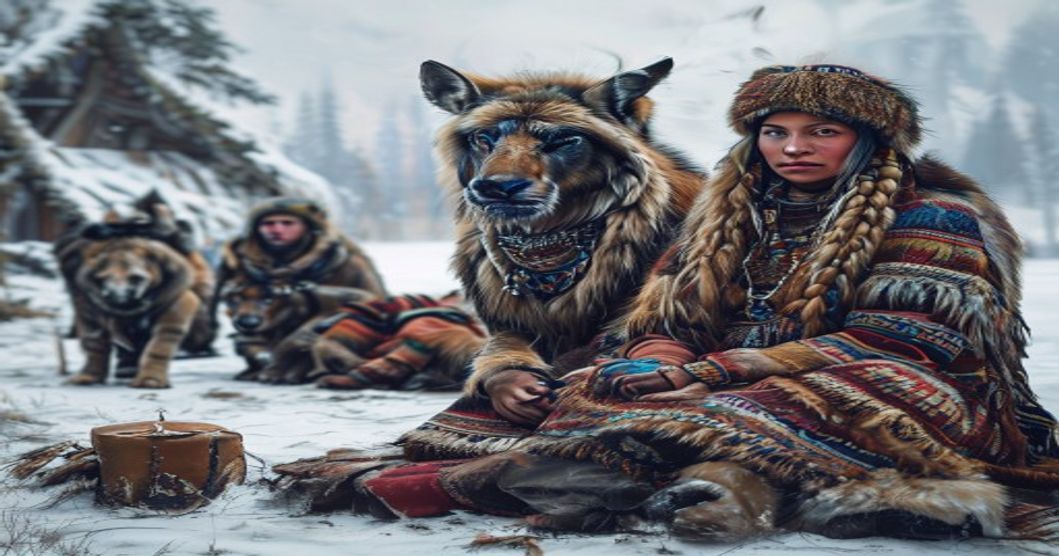
Secrets of Sami Culture That Most Tourists Never Discover
The Sámi people’s relationship with the boreal landscape extends far beyond the visible reindeer herds that draw visitors to northern Scandinavia. Beneath the surface lies a sophisticated system of ecological management refined over millennia. Traditional knowledge dictates grazing patterns based on lichen growth cycles, snow density, and predator movements. Herders track subtle environmental shifts using wind direction, bird behavior, and ground temperature—skills rarely documented in mainstream travel guides.Uncovering Ancient Migration Routes Across Northern Scandinavia
The topography of Northern Scandinavia carved distinct corridors that guided human movement long before written records. Glacial retreats during the early Holocene exposed fertile river valleys and sheltered fjords, creating natural highways for prehistoric communities. These geographical features did not merely offer passage; they dictated seasonal cycles, resource availability, and cultural exchange patterns that later defined Sami mobility.
- The Coastal Finnmark Route followed the shoreline, allowing groups to exploit marine resources during winter months while avoiding deep inland snowpack.
- Inland Riverine Valleys, particularly along the Lule and Ume systems, provided reliable pathways through mountainous terrain where meltwater created navigable corridors.
- High-Altitude Passes functioned as seasonal connectors, opening only during summer thaw periods when reindeer herds naturally congregated near alpine ridges.
Material evidence reinforces these pathways. Stone tools, copper ingots from Finnish Lapland, and traditional Sami duodji artifacts appear in stratified deposits across a linear distribution pattern that matches ancient topographical maps. Radiocarbon dating of hearth sites along these corridors reveals synchronized occupation phases between 2500 BCE and 1200 CE, indicating coordinated long-distance movement rather than isolated settlement.
Climate fluctuations continuously reshaped these routes. The Medieval Warm Period expanded accessible terrain northward, while the Little Ice Age forced southward shifts and increased reliance on coastal fishing stations. Genetic studies of reindeer populations alongside ancient human remains confirm that migration corridors remained remarkably stable despite environmental pressure, suggesting deeply embedded traditional knowledge passed through generations.
Excavations near Kiruna and Narvik have uncovered seasonal camp layouts that match reindeer migration maps recorded in 19th-century ethnographic reports. Copper analysis reveals smelting residues consistent with ancient Scandinavian ore extraction sites, proving these corridors facilitated
The Living Heritage of Sami Languages and Oral Traditions
The Sámi linguistic landscape spans across four distinct nations, encompassing over a dozen recognized languages and dialects that reflect centuries of adaptation to Arctic and subarctic environments. North Sámi stands as the most widely spoken variety, with approximately twenty thousand fluent speakers primarily in Norway and Finland, while Inari Sámi and Skolt Sámi maintain smaller but resilient communities in northern Finland. South Sámi faces critical endangerment, with fewer than five hundred native speakers remaining, prompting intensive documentation projects and intergenerational transmission programs. Each dialect carries unique phonological structures, particularly the extensive use of vowel harmony and consonant gradation, which distinguish them from neighboring Uralic and Indo-European languages.
Oral transmission formed the backbone of Sámi knowledge systems long before written records existed. Elders passed down intricate reindeer husbandry calendars, migratory route mapping, and seasonal resource management through rhythmic storytelling and mnemonic devices. Place names functioned as living archives, encoding topographical features, historical events, and ecological indicators into every syllable. When modernization policies in the nineteenth and twentieth centuries mandated assimilation, schools banned Sámi speech, forcing communities to preserve their linguistic identity in private spaces and seasonal gatherings.
- The joik, a foundational vocal tradition, operates as both musical expression and historical record. Unlike Western melodic structures, joiks do not describe a subject; they evoke it through tonal patterns, breath control, and repetitive phrasing that mirror natural landscapes and animal movements.
- Dialect-specific terminology captures microclimates and snow conditions with granular precision, enabling herders to read ice stability, wind direction, and wildlife behavior without technological instruments.
- Contemporary revitalization relies on community-driven digital archives, immersive language nests, and university partnerships that document endangered lexical fields related to traditional ecology and craftsmanship.
Linguistic survival hinges on daily usage rather than academic preservation alone. Modern Sámi media, legal recognition in municipal services, and youth-led cultural festivals sustain active speaker networks across borders. The integration of ancestral oral frameworks into contemporary education demonstrates how non-textual knowledge systems adapt without losing structural integrity, ensuring that phonetic nuances, narrative cadences, and ecological wisdom remain functionally relevant rather than museum artifacts.
Hidden Rituals Behind Traditional Joik Performance Practices
Joik operates far beyond conventional vocal performance. It functions as a spiritual conduit where the performer does not merely describe a subject but temporarily embodies its essence. Before any traditional joik resonates through a duodji-crafted drum or open tundra, specific preparatory protocols dictate its creation. Practitioners observe periods of deliberate silence to align their respiratory patterns with ambient wind and water currents. This auditory calibration establishes the acoustic baseline required for harmonic resonance. Vocalists employ controlled breath retention and subglottal pressure adjustments to produce overtone clusters that mimic bird calls, glacial cracking, or reindeer hooffalls.
- Purification sequences involve stepping through smoldering juniper branches while reciting ancestral invocations
- Vocal warm-ups utilize descending microtonal scales to stretch the laryngeal muscles for extended drone maintenance
- Performance boundaries restrict joik during certain hunting seasons to prevent spiritual overlap with territorial animal markers
- Elder-approved melodic sequences require seasonal timing aligned with reindeer migration cycles
The ritualistic framework surrounding joik demands strict contextual awareness. Elders distinguish between ceremonial joik, which accompanies healing rites or seasonal transitions, and communal joik, reserved for gathering narratives after winter migrations. Certain melodic structures carry protective functions, designed to disorient predatory spirits or calm storm-affected livestock. Regional dialects impose unique rhythmic constraints. Northern Sámi practitioners emphasize long-form phrasing mirroring glacial movement, while Southern Sámi variations incorporate sharper percussive syllables reflecting forest floor acoustics. Lule Sámi traditions integrate drumbeat synchronization at precise mathematical intervals to maintain spiritual equilibrium.
Transmission follows an unbroken oral lineage. Knowledge transfers through direct observation rather than notation. Apprentices spend years listening before attempting vocalization, learning to recognize the subtle tonal shifts that indicate successful spirit alignment. Modern documentation efforts prioritize acoustic preservation without extracting joik from its ecological context. Researchers record environmental conditions alongside performances because landscape topology directly influences harmonic projection. Violating ceremonial protocols risks spiritual fragmentation according to indigenous cosmology, which explains why certain melodic sequences remain restricted to designated knowledge keepers.
Duodji Artistry: Symbolic Motifs Carved Into Daily Life
Duodji operates as a complete knowledge framework rather than a decorative craft, merging functional necessity with encoded ecological data. Artisans harvest winter-cut reindeer antler after the first frost to ensure maximum density and minimal organic degradation. The wood selection follows strict seasonal protocols; spruce branches bent during spring sap flow retain structural memory, allowing knife handles and sled runners to absorb shock without fracturing. Each material undergoes deliberate preparation involving controlled drying, friction polishing, and natural oil treatment that prevents cracking in subzero environments.
The visual syntax of duodji relies on geometric precision rather than illustrative representation. Interlocking triangles map reindeer migration corridors and mountain topography, while continuous zigzag lines document wind patterns and seasonal temperature shifts. Circular elements frequently encode astronomical markers, tracking solstices or lunar phases critical to reindeer herding schedules. These motifs function as spatial documents, allowing experienced viewers to identify a maker’s geographic origin, clan affiliation, and even the specific valley where raw materials were collected.
Integration into daily life distinguishes authentic duodji from manufactured imitation. Functional objects such as gákti waist belts, coffee cups, tool handles, and harness components undergo rigorous stress testing before entering circulation. The twisting technique for reindeer sinew thread demands exact tension calibration to maintain flexibility across extreme temperature fluctuations. Artisans measure cuts using hand spans and thumb widths rather than standardized units, ensuring every piece adapts to individual physiology and local climate conditions.
- Material Protocols: Winter antler is processed immediately after harvest to preserve natural oils that resist decay during decades of daily handling.
- Motif Classification: Symmetrical repetition signals protective wards, while asymmetrical arrangements denote territorial boundaries or documented hunting grounds.
- Knowledge Transfer: Technical sequences pass through direct observation and guided repetition, with no written manuals preserving exact pressure angles or stroke rhythms.
Contemporary preservation standards enforce strict authentication markers. Genuine pieces retain visible tool marks from traditional drawknives and bow drills, alongside wear patterns that develop only through continuous mechanical use. The craft survives as an active adaptation system where every carved groove serves dual purposes: reinforcing structural integrity and maintaining symbolic continuity across generations.
Seasonal Reindeer Herding Cycles Outside Main Tourist Zones
Reindeer husbandry operates on precise ecological timelines that diverge significantly from commercial safari itineraries. The annual cycle begins in spring when herds migrate from winter pastures toward calving grounds, typically located in sheltered valleys or dense birch forests. These locations are deliberately kept remote to minimize disturbance during the vulnerable calving period. Herders track snowmelt patterns and lichen regrowth using decades-old observational data, adjusting migration timing by days or weeks based on microclimate shifts.
- Spring Calving Phase: Occurs between late April and May in secluded forest margins. Females seek dense vegetation for cover while giving birth. Herders monitor group composition remotely to avoid stress-induced abandonment of calves, utilizing acoustic monitoring tools rather than direct intervention.
- Summer Mountain Pastures: Reindeer ascend to the mountain plateau during June and July. Altitudinal grazing gradients maximize protein intake from dwarf shrubs and browse, directly influencing autumn body mass and winter survival rates. Herders conduct mid-summer health assessments by observing coat condition and antler development.
- Autumn Rut and Sorting: The breeding season triggers herd fragmentation followed by strategic reunification for selective sorting. This occurs across unmapped terrain far from commercial infrastructure, requiring multi-day navigation using traditional waypoint markers and terrain reading techniques passed through generations.
- Winter Lichen Grounds: Herds descend to forested ranges where undisturbed lichen beds provide critical winter nutrition. These zones require strict rotational grazing systems, as overgrazed patches take decades to recover. Herders adjust herd sizes dynamically to match regrowth capacity.
Modern herders integrate GPS tracking and satellite weather data with ancestral knowledge, creating dynamic migration models that respond to erratic snowfall and thaw cycles. Climate volatility now demands adaptive grazing strategies that traditional manuals cannot cover. Tour operators frequently miss these windows because commercial routes prioritize accessibility over ecological sensitivity. Engaging with indigenous-led conservation groups provides accurate seasonal calendars, ensuring visitors respect critical biological periods while understanding the sophisticated spatial management that sustains reindeer populations outside regulated wildlife parks.
Indigenous Food Preservation Methods Using Arctic Ingredients
Traditional Sami food preservation relies on precise environmental manipulation rather than artificial temperature control. Historically, communities utilized natural permafrost, wind exposure, and controlled anaerobic conditions to extend the shelf life of seasonal harvests. Reindeer meat underwent ground fermentation by burying fresh cuts in shallow pits lined with birch bark and moss. The insulating properties of the organic layer combined with subzero soil temperatures initiated a slow bacterial breakdown that transformed tough muscle fibers into highly digestible protein while preventing spoilage. This method required exact depth monitoring to avoid complete freezing or premature rot.
Arctic flora provided additional preservation vectors. Cloudberries and bilberries were routinely packed in rendered reindeer fat or wild honey, creating anaerobic barriers that inhibited oxidative decay. Fish species like Atlantic herring and char received dual treatment through coarse saline curing followed by wind-drying on wooden racks positioned to catch persistent coastal breezes. The high salt concentration drew moisture from cellular structures while the continuous airflow accelerated dehydration without compromising tissue integrity. Lichen varieties, particularly reindeer moss, were dried and ground into flour for winter sustenance, demonstrating a comprehensive understanding of fungal carbohydrate storage.
Storage architecture reflected deep ecological literacy. Families constructed insulated wooden granaries elevated above frozen ground to maintain consistent humidity levels. These structures functioned as natural cold rooms where temperature fluctuations remained minimal throughout extreme seasonal shifts. The preservation timeline operated on lunar and migratory cycles rather than calendar months, ensuring ingredients entered storage at peak nutritional density. Modern culinary practitioners recognize these techniques as early examples of controlled fermentation and low-temperature dehydration long before modern food science codified the processes. Researchers now analyze the microbial profiles of traditional pit fermentation to replicate authentic flavor compounds without synthetic additives or refrigeration dependency.
- Pit Depth Regulation: Maintained between 40 to 60 centimeters to balance anaerobic warmth against freezing thresholds.
- Fat Sealing Technique: Rendered animal fat created oxygen exclusion layers, preserving polyphenol content in wild berries.
- Wind-Exposure Orientation: Drying racks faced prevailing northerly currents to maximize moisture evaporation rates during winter months.
Contemporary foragers document these methods to understand how indigenous microbial ecosystems outperform industrial pasteurization in retaining enzymatic activity. The preservation cycle demands strict adherence to temperature gradients, humidity thresholds, and seasonal harvesting windows. Modern food historians track the migration patterns of traditional storage sites to map historical climate adaptations. These techniques demonstrate an advanced understanding of osmotic pressure, enzymatic conversion, and natural preservative chemistry that continues influencing sustainable food science research today.
Respecting Sacred Sites and Protected Grazing Territories
The landscape of Sápmi holds spiritual anchors that function as living cultural infrastructure rather than passive historical remnants. Sieidi formations, typically ancient granite outcrops or distinctive boulders, serve as focal points for traditional offerings and seasonal rituals. These sites are not merely archaeological markers; they operate within an active cosmological framework where natural features are believed to house protective spirits. Tampering with sieidi stones, removing offerings, or carving inscriptions constitutes both cultural desecration and a violation of indigenous heritage protections established under national park regulations and the Nordic Framework Convention for the Protection of National Minorities.
Parallel to spiritual geography runs an equally vital economic and ecological system: legally protected reindeer grazing territories. Sámi pasture rights, codified in Scandinavian law as betesrätt, grant communities seasonal access to specific corridors that span hundreds of kilometers across national borders. These migration routes are meticulously calibrated around lichen growth cycles, snow conditions, and predator avoidance patterns. When vehicles leave designated tracks or drones ascend over open tundra during calving season (late April through June), reindeer herds experience acute stress responses that can trigger fatal stampedes or abandon critical feeding grounds for months. The disruption directly threatens food sovereignty and intergenerational knowledge transfer.
- Maintain strict trail discipline: Off-road driving, even in summer, compacts fragile permafrost soils and destroys cryptogamic crusts that reindeer rely upon for winter foraging.
- Observe spatial boundaries: Signage indicating active pastures or spiritual zones carries legal weight. Crossing these markers without authorization can result in fines under environmental protection statutes.
- Ethical Engagement With Sami Elders and Community Guides
Engaging respectfully with Sami elders and local community guides requires a deliberate shift from transactional tourism to relational cultural exchange. Visitors must recognize that Sami knowledge systems are not commodities but living traditions transmitted through generations. Before initiating any interaction, travelers should verify whether the guide or elder operates under recognized indigenous cultural protocols. Many regions in Sápmi require explicit permission for photography, audio recording, or even asking questions about reindeer herding practices, joik singing, or duodji craftsmanship. Direct monetary exchange without prior discussion can disrupt traditional reciprocity norms. Instead, compensation should follow community-established frameworks, often managed through cooperative organizations that redistribute earnings equitably.
Building trust demands active listening and restraint. Elders rarely share sacred narratives or seasonal migration patterns on request; such knowledge emerges only when relationships are nurtured over time. Tourists should approach conversations with humility, acknowledging their position as guests rather than subjects of extraction. Asking open-ended questions about daily routines, weather adaptation strategies, or historical land use demonstrates genuine interest without demanding proprietary information. When a guide declines to answer a query, accepting that boundary respectfully signals cultural competence.
- Verify Cultural Certification: Legitimate providers publish clear guidelines on responsible behavior, display proper permits for accessing protected reindeer pastures, and employ local coordinators who monitor visitor conduct.
- Respect Spatial Boundaries: Maintain appropriate distance during storytelling, avoid pointing fingers or cameras directly at individuals without consent, and step back when elders pause to drink coffee or adjust clothing.
- Document Responsibly: Digital documentation requires explicit consent for each subject and location. Platforms hosting such content must attribute creators correctly and prohibit commercial exploitation without written permission from community councils.
Supporting ethical frameworks means prioritizing guides affiliated with indigenous rights organizations or certified cultural heritage initiatives. These structures ensure that interactions remain educational rather than performative, preserving intangible cultural heritage while providing sustainable livelihoods. Travelers who commit to these standards contribute directly to language revitalization projects, land stewardship programs, and intergenerational knowledge transfer within Sápmi. Prioritize experiences that allocate a portion of revenue to Sámi language schools or traditional craft apprenticeships. These investments sustain cultural continuity while preventing the commodification of sacred practices.
Sustaining Local Economies Through Authentic Cultural Tourism
When visitors engage directly with indigenous communities, financial flows bypass external intermediaries and settle within the region. This direct exchange model transforms cultural experiences into viable income streams for families who maintain traditional livelihoods. Reindeer herding operations, once threatened by declining participation among younger generations, now fund their own continuity through carefully managed visitor programs. Guests learn about seasonal migration patterns, snow navigation techniques, and lasso craftsmanship while paying fees that directly support herd maintenance and winter feed supplies.
Traditional handicraft production operates on a transparent supply chain when tourists purchase duodji items straight from artisan workshops. These pieces carry embedded knowledge about regional motifs, material sourcing, and generational design principles. Craft cooperatives reinvest sales into apprenticeship programs, ensuring master craftsmen can dedicate full hours to teaching rather than supplementing their income with unrelated labor. The economic stability provided by cultural tourism allows artisans to maintain premium pricing without compromising quality or resorting to mass production shortcuts.
- Community-led guiding services eliminate third-party commissions and guarantee that knowledge transfer remains accurate and respectfully framed.
- Local hospitality networks distribute accommodation revenue across seasonal workers, reducing off-month unemployment in previously isolated settlements.
- Culinary enterprises preserve foraging traditions by creating commercial demand for wild herbs, cloudberries, and reindeer-based products processed through family-run kitchens.
Sustaining these economic structures requires strict adherence to carrying capacity guidelines. Overwhelming traditional villages with unmanaged visitor numbers degrades both the environment and the authenticity that attracts respectful travelers. Certified community tourism programs implement reservation systems, seasonal quotas, and cultural orientation requirements to maintain equilibrium. Revenue tracking reveals that locally controlled tourism generates three times the long-term employment stability compared to externally managed alternatives. The financial independence gained through authentic cultural exchange empowers communities to dictate development pace, protect sacred landscapes, and fund language revitalization initiatives without external dependency.
Navigating Winter Navigation Techniques Used for Centuries
Sami winter navigation operates on a sophisticated system of environmental cues that predate modern cartography by centuries. Travelers interpret snow crust composition through tactile feedback, distinguishing between wind-packed surfaces and fresh powder using weighted wooden probes. Frozen water bodies reveal structural integrity through acoustic resonance; hollow sounds indicate thin ice while dense cracking patterns signal safe crossing zones. Wind corridors form naturally across tundra ridges, creating predictable travel channels that minimize exposure during whiteout conditions.
Night movement depends on celestial alignment relative to fixed topographical markers. Constellations like the Northern Cross and Orion maintain consistent angles against mountain silhouettes, allowing navigators to verify direction without visible landmarks. Oral repositories preserve route data through generational storytelling, embedding geographic coordinates within narrative structures that younger members decode through repeated field practice.
- Snow depth measurement utilizes iron-tipped walking sticks calibrated in reindeer sinew intervals, providing standardized distance tracking across uneven terrain.
- Animal migration trails serve as natural ice maps, following thermal vents that prevent dangerous thinning along frozen river networks.
- Sastrugi formations indicate prevailing wind direction and storm progression, enabling route adjustments before weather deterioration occurs.
- Lichen distribution on bedrock outcrops marks stable ground during whiteout events, preventing disorientation when visibility drops below ten meters.
Permafrost monitoring remains critical for crossing frozen wetlands. Navigators assess ground temperature through moss density and vegetation die-back patterns, identifying areas where subsurface thaw creates hidden water channels. Traditional wooden skis carved from aged pine maintain optimal grip across varying ice gradients, while reindeer hide bindings prevent frostbite during extended expeditions.
This navigational framework functions because it synthesizes meteorological patterns, glacial geology, and wildlife behavior into a unified operational system. Knowledge transfer occurs exclusively through direct mentorship, ensuring techniques adapt to shifting climate conditions while maintaining historical continuity across generations.
Identifying Legitimate Sami Craft Markets vs Commercial Outlets
Locating genuine Sami craftsmanship requires a systematic approach to market evaluation. The global demand for indigenous Nordic art has triggered a proliferation of factory-produced imitations that replicate traditional motifs without respecting cultural protocols or material standards. Authentic pieces originate from registered Sami artisans who practice duodji, the recognized term for traditional handicraft. These makers typically operate through established channels such as municipal craft centers, regional cooperatives, and seasonal mountain fairs where direct transaction occurs between creator and buyer.
- Verify the presence of the official Sami Duodji certification mark, a regulated symbol indicating compliance with material authenticity and technique standards.
- Examine construction methods for hand-stitching, antler carving patterns, and silver wire wrapping techniques that demonstrate consistent tool wear and manual precision.
- Request documentation tracing material sourcing, including reindeer hide tanning origins or silver alloy composition certificates.
Commercial outlets frequently display uniform inventory across multiple geographic locations, utilize synthetic substrates disguised as natural materials, and apply identical pricing tiers regardless of complexity. Legitimate vendors provide transparent maker profiles, exhibit workshop documentation, and maintain seasonal production cycles aligned with traditional grazing and harvesting calendars. When evaluating retail environments, prioritize establishments affiliated with recognized cultural foundations or municipal tourism boards that audit supplier credentials annually.
- Search the official Sami Duodji Association directory for registered workshop locations and authorized sales partners.
- Contact regional heritage centers to cross-reference vendor claims with documented artisan rosters.
- Inspect product labels for batch numbers, harvest dates, and geographic coordinates matching traditional Sami territories.
Avoid transactions at transit hubs featuring pre-packaged merchandise, multilingual promotional banners emphasizing authenticity without substantiation, or vendors unable to articulate technique variations across different Sami dialect regions. Genuine duodji reflects localized stylistic distinctions between northern, central, and southern Sami communities. Authentic pieces demonstrate deliberate asymmetry, natural material aging patterns, and functional design elements rooted in historical utility rather than decorative replication.
Optimal Travel Windows for Immersive Arctic Experiences
Winter travel between December and February delivers the most dramatic Arctic conditions for experiencing Sami heritage. Temperatures consistently drop below zero, creating reliable snow cover that supports traditional reindeer sled journeys across frozen tundra. This period aligns with the deep winter cycle of indigenous pastoral communities, where survival strategies and seasonal storytelling form the core of cultural exchange. Visitors should expect limited daylight hours—often fewer than six hours of twilight—which shapes daily routines and intensifies the aurora borealis viewing window from late September through March. Proper thermal layering and guided transport are mandatory for navigating remote herding territories safely.
- December to February: Peak darkness enables extended night sky observation while reindeer herders manage winter pastures in isolated valleys.
- March to April: Increasing solar radiation melts surface ice, triggering spring migration routes and traditional ice road transport networks.
- May to August: Continuous daylight supports extended field visits, allowing direct participation in duodji craft workshops and mountain berry foraging alongside local families.
- September to November: Returning darkness combined with stable high-pressure systems creates optimal visibility for wildlife tracking and photography expeditions.
Spring access through March and April relies on frozen lakes and snowmobile routes that remain operational until late April. During this transition, reindeer herders shift from winter pastures to coastal grazing zones, offering observers a rare glimpse of seasonal husbandry practices before summer dispersal. Summer months provide unrestricted road access but require careful planning around peak tourist influx in Laponia and Finnmark regions. Accommodation reserves should be secured at least four months ahead for June through August travel. Autumn brings rapid temperature drops and early snowfall, making late October and November ideal for travelers seeking solitude alongside active herding operations. Weather volatility demands flexible itineraries and satellite communication devices for remote region navigation. Cross-border movement between Norway, Sweden, and Finland requires checking seasonal border control schedules, as customs checkpoints adjust operating hours according to regional tourism peaks. Vehicle traction laws mandate winter tires from November 1 through April 15 across all three nations, while snow chains become mandatory during heavy precipitation events. Local meteorological stations provide hourly updates that directly impact herding route accessibility and guide departure times. Ferry schedules between coastal municipalities and inland herding grounds operate on reduced winter timetables, requiring direct booking through regional transit authorities rather than third-party platforms.
Essential Permits and Routes to Remote Lapland Communities
Accessing remote Lapland communities requires navigating a layered regulatory framework designed to protect both fragile Arctic ecosystems and indigenous reindeer herding territories. Visitors must secure multiple authorizations before departure. The primary requirement is the Finnish National Parks pass, obtainable through Metsähallitus digital services. This fee covers trail maintenance but does not grant access to privately owned or Saami duodji (traditional livelihood) zones. For deeper penetration into Sami-inhabited regions like Inari, Utsjoki, and Enontekiö backcountry, travelers must request crossing permits from the respective Reindeer Herding Districts. These permits ensure that tourist movement does not disrupt seasonal migration corridors or calving grounds. Applications are submitted via the Saamelaiskäräjät regional offices or through local municipality portals. Processing typically takes five to seven business days, and approval includes mandatory GPS tracking protocol compliance during winter months.
- National Parks Pass: Mandatory for all designated trail networks. Purchase digitally via Metsähallitus.
- Reindeer Herding District Crossing Permit: Required for movement across active duodji zones. Apply through Saamelaiskäräjät regional offices or municipal websites.
- Satellite SOS Registration: Mandatory with the Finnish Border Guard for independent expeditions beyond cellular coverage.
Route selection depends entirely
“`html
Frequently Asked Questions
What is Secrets of Sami Culture That Most Tourists Never Discover?
“Secrets of Sami Culture That Most Tourists Never Discover” refers to the lesser-known aspects of the indigenous Sami people’s traditions, lifestyle, and spiritual connection to the Arctic landscapes of Scandinavia. While many visitors explore visible attractions like reindeer safaris or Northern Lights tours, this concept delves into deeper cultural elements — such as the ancient language of Joik singing, the intricate craft of duodji (handicrafts), the role of the noaidi (Sami shaman), and the profound bond between the Sami and their natural environment. These hidden treasures offer a more authentic and meaningful understanding of Sami heritage beyond typical tourist experiences.
Key facts about Secrets of Sami Culture That Most Tourists Never Discover
Here are the key facts: (1) The Sami are the only indigenous people in the European Union, with a population of approximately 80,000 spread across Norway, Sweden, Finland, and Russia. (2) Joik is a unique form of traditional song that does not use lyrics but instead imitates the essence of a person, animal, or landscape. (3) Duodji handicrafts are recognized by UNESCO as an Intangible Cultural Heritage and carry deep cultural significance. (4) The Sami have their own parliaments in Norway, Sweden, and Finland, granting them limited self-governance rights. (5) Reindeer herding is central to Sami identity, with around 3,000 active reindeer herders maintaining a centuries-old livelihood. (6) The Sámi flag, adopted in 1986, features red, green, yellow, and blue — colors inspired by the Northern Lights and traditional Sami clothing.
“`