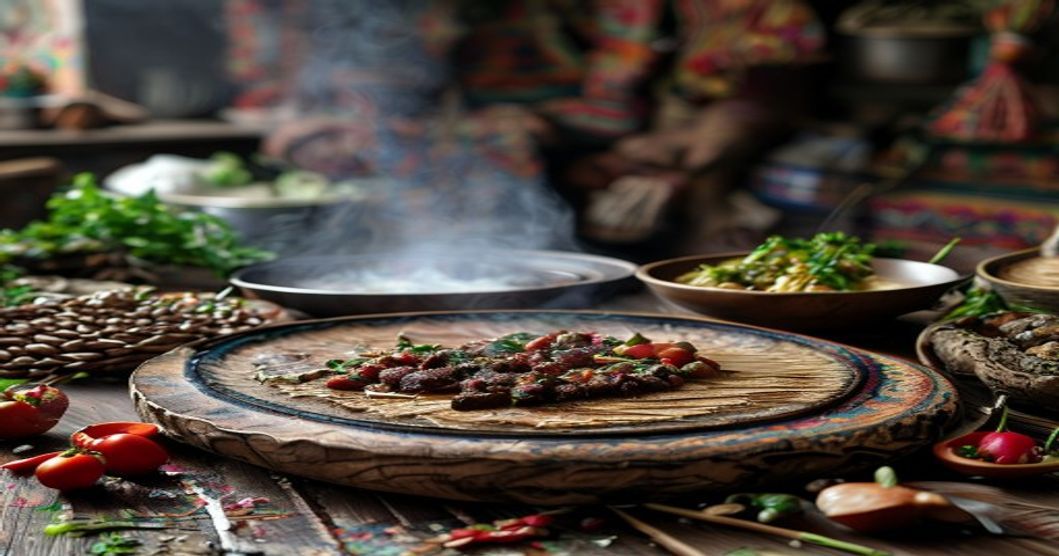
Traditional Sami Cooking Techniques: A Complete Guide to Arctic Culinary Heritage
The culinary practices of the indigenous Sami people emerged from centuries of adaptation to subarctic ecosystems, where survival depended on mastering preservation before modern refrigeration existed. Traditional methods prioritize longevity and nutrient retention over rapid preparation. Air-drying, cold-smoking, and natural fermentation form the backbone of this system, allowing communities to store protein and carbohydrates through months of polar darkness without spoilage.
Reindeer meat serves as the primary foundation, with every part utilized strategically. Lean muscle fibers are sliced thin, salted, and suspended in ventilated smokehouses built from pine or birch logs. Fatty tissues render into clarified fat used for cooking and waterproofing. Arctic char and salmon undergo gut extraction, followed by brining in reindeer blood or concentrated seawater before hanging on wooden racks for three to six weeks. The resulting smoked fish develops a firm texture and deep umami profile that resists bacterial growth.
- Open-fire roasting utilizes iron grates positioned over low-burning reindeer dung or driftwood, maintaining steady heat without ash contamination.
- Pit cooking involves lining shallow earth trenches with heated river stones, layering marinated game and wild root vegetables, then sealing the mound with damp moss and snow to create a natural steam oven.
- Extended bone broth extraction simmers for forty-eight hours, dissolving collagen, calcium, and trace minerals essential in nutrient-dense Arctic diets.
Berries including cloudberries, crowberries, and bilberries undergo spontaneous fermentation inside sealed birch bark vessels or hollowed wood containers. Ambient temperatures dictate the timeline, typically yielding a tangy, probiotic-rich condiment that balances heavy game fats. Family clusters maintain distinct smoking wood preferences and fermentation schedules passed through direct demonstration rather than written documentation. These techniques demonstrate how indigenous food science optimized caloric efficiency, enzymatic activity, and microbiological safety long before industrial preservation methods emerged.
Historical Foundations of Indigenous Food Preservation
The Sami people engineered food preservation systems that responded directly to the ecological constraints of Sápmi, where extended polar nights, subzero temperatures, and negligible arable land dictated survival strategies. Indigenous communities avoided imported methods in favor of techniques that harnessed ambient cold, wind patterns, and reindeer-derived biological resources. Air-drying functioned as a primary preservation vector, with thin cuts of reindeer meat and Arctic char hung on pine racks in sheltered valleys. The intersection of low relative humidity and persistent katabatic winds rapidly extracted moisture while suppressing spoilage microorganisms.
Fermentation relied on controlled microbial ecosystems housed within reindeer stomach linings. Raw reindeer blood, combined with coarse barley or dried meat shreds, was sealed inside natural hide vessels and buried in permafrost strata. Consistent ground temperatures enabled native lactobacillus populations to lower pH levels safely, producing suovas, a smoked, fermented protein that remained nutritionally viable for up to nine months. Smoking utilized spruce and birch wood, whose resinous terpenes delivered secondary antimicrobial action while establishing region-specific flavor profiles passed through generational practice.
Natural storage architecture demonstrated precise environmental mapping. Communities erected luovda food caches on elevated wooden platforms positioned over frozen peat or adjacent to glacial moraines where perpetual snowpack sustained microclimates between minus three and minus eight degrees Celsius. Rendered reindeer tallow created hydrophobic coatings on dried meats, blocking oxygen exposure and delaying lipid oxidation. Preservation cycles were synchronized with seasonal migration corridors, ensuring that caloric reserves aligned with reindeer herding rhythms rather than crop harvest windows.
- Air-drying in wind-swept depressions reduced tissue moisture below eighteen percent within thirty-six hours
- Reindeer stomach fermentation introduced wild lactobacillus strains absent in domesticated livestock systems
- Snow burial maintained stable subzero temperatures without mechanical refrigeration or energy input
- Tallow impregnation created oxygen-impermeable barriers that extended shelf life in high-altitude storage zones
Adapting to Subarctic Climates Through Seasonal Harvesting
The subarctic environment imposes severe biological and meteorological constraints on food procurement, forcing the Sami to synchronize every culinary activity with narrow ecological windows. Cultivation of arable crops remains impractical due to permafrost layers and a growing season that rarely exceeds ninety days. Survival depended on reading microclimates, tracking reindeer migration routes, and harvesting only during peak nutrient density periods. Spring thaw triggered the collection of wild leeks, cloudberries, and birch sap, all rich in essential vitamins missing from winter stores. Early summer provided critical windows for drying fish and smoking reindeer meat before insect activity increased. Autumn demanded rapid processing of the annual slaughter, where wind exposure, low humidity, and subzero nights enabled natural preservation without artificial refrigeration. Winter transformed these harvested materials into concentrated caloric sources through fermentation, rendering, and slow cooking methods that extracted maximum nutrition from fibrous tissues.
- Spring Foraging: Rapid collection of nutrient-dense plants during snowmelt to replenish depleted vitamin reserves before summer activity begins.
- Summer Preservation: Utilization of intense daylight hours and low humidity for air-drying, smoking, and fat rendering, creating stable food stores before autumn rains arrive.
- Autumn Processing: Immediate butchering of reindeer herds alongside river fishing cycles, ensuring meat and fish reach optimal preservation stages before freezing temperatures lock moisture in unusable forms.
- Winter Storage Management: Strategic placement of preserved provisions in natural ice cellars, wind-sheltered rock crevices, and insulated bark containers to maintain consistent subzero temperatures throughout the polar night.
Seasonal harvesting required precise ecological literacy. Hunters and gatherers monitored lichen growth patterns, bird migration timing, and river ice thickness to determine harvest readiness without damaging future yields. Fermentation processes relied on native bacterial strains introduced through traditional tools and controlled air exposure, producing complex flavor profiles while neutralizing pathogens in raw proteins. Fat rendering during autumn months yielded calorie-dense reserves that sustained metabolic heat production during extreme cold snaps. Every harvested component followed a strict utilization hierarchy: muscle meat for immediate consumption or smoking, sinew for cordage, antlers for toolmaking, and stomach contents repurposed as winter famine relief through controlled souring techniques. This cyclical approach eliminated food waste while maintaining nutritional balance across twelve months of environmental stress. Microclimate mapping determined optimal drying sites near windward ridges, while timing aligned with natural temperature fluctuations to prevent premature spoilage during humidity spikes.
Core Ingredients Sourced from Northern Scandinavian Landscapes
The culinary foundation of Sámi gastronomy emerges directly from the subarctic ecosystem, where seasonal constraints dictate precise resource allocation. Reindeer meat forms the nutritional backbone, with traditional butchery protocols ensuring complete utilization. Lean muscle tissue supplies concentrated protein and iron, while bone marrow and liver deliver fat-soluble vitamins that sustain metabolic function during prolonged darkness.
- Aquatic Resources: Arctic char, vendace, and grayling migrate through glacial-fed rivers at specific thermal thresholds. Cold-water accumulation patterns concentrate polyunsaturated fats, while seasonal spawning cycles determine optimal harvest windows for fermentation.
- Subarctic Berries: Cloudberry, lingonberry, and crowberry develop thick cuticles and elevated anthocyanin concentrations as adaptive responses to ultraviolet radiation. Natural malic and citric acids enable spontaneous lacto-fermentation, transforming raw fruit into shelf-stable condiments without thermal processing.
- Aridophytic Flora: Reindeer lichen requires alkaline leaching through repeated boiling to extract soluble carbohydrates while removing usnic acid. Birch bark and wild garlic supply essential tannins that traditionally prevented protein degradation in stored meat products.
Reindeer milk exhibits a unique biochemical composition, containing twenty percent fat alongside elevated lactoferrin levels. Herders process this concentrate through rennet coagulation to produce skust, followed by vertical air-drying that creates moisture barriers against microbial contamination. Glacial till deposits create highly permeable substrates that limit nitrogen availability, forcing plant species to develop secondary metabolites for defense. These compounds directly translate into robust flavor profiles during slow cooking processes. Snowmelt patterns determine berry ripening synchronicity, requiring coordinated community harvesting efforts before avian predators consume the seasonal yield. The mineral profile of northern peat soils directly influences pasture phytochemistry, imparting distinct volatile compounds to both meat and dairy matrices. Contemporary harvesting maintains strict adherence to vegetation recovery periods, with moss coverage indicators serving as natural sustainability metrics. These unprocessed elements remain structurally intact until traditional preparation methods initiate enzymatic breakdown.
Reindeer Meat Processing and Butchery Standards
The processing of reindeer meat within Sámi tradition begins long before the animal reaches the settlement, rooted in seasonal migration patterns and strict field-dressing protocols. Hunters operate under a zero-waste philosophy where every anatomical component serves a functional or spiritual purpose. Slaughter typically occurs during late autumn when meat quality peaks due to seasonal fat accumulation and cooler ambient temperatures naturally inhibit bacterial growth. The initial cut targets the cervical region to ensure immediate nervous system disruption, followed by rapid field dressing. Skin removal relies on sharpened antler splinters or hardened bone knives, techniques that preserve the hide’s integrity for future tanning while preventing heat retention that could compromise meat quality.
- Systematic butchery follows established anatomical divisions: hindquarters supply dense muscle tissue for long-term drying, while forelimbs yield tougher cuts suitable for extended boiling or fermentation.
- Sinew extraction occurs immediately after skinning, with fibers cleaned, split, and dried on wooden frames to serve as thread for garments, bowstrings, and lacing.
- Internal organs undergo selective preservation; the heart and liver receive immediate cooking or light smoking, while the stomach lining is repurposed as a fermentation vessel for gáhkku, a traditional protein-rich paste.
- Fat rendering utilizes natural bone containers or hollowed wooden bowls, with rendered suet stored in reindeer bladders or buried in permafrost pockets during summer months.
Temperature regulation remains the cornerstone of Sámi meat preservation. Rather than relying on artificial curing agents, practitioners exploit microclimates created by wind exposure, shade positioning, and snow burial. Drying racks are constructed from split birch poles angled to maximize airflow while minimizing direct sun penetration, which prevents surface hardening that traps moisture inside muscle fibers. Smoking techniques employ smoldering birch bark and dried reindeer dung, producing a low-temperature smoke infusion that penetrates meat gradually over three to four weeks. This method imparts antimicrobial properties through phenolic compounds naturally released during combustion.
Spiritual protocols govern every stage of processing. Before the first cut, practitioners acknowledge the animal’s contribution through whispered offerings and placement of a small fat portion near sacred stones. Post-butchery, bone fragments are returned to forest floors rather than discarded, completing the ecological cycle central to Sámi cosmology. Modern adaptations occasionally introduce stainless steel blades for durability, but traditionalists maintain that carbon-steel or antler tools produce cleaner cuts that reduce cellular damage and preserve enzymatic activity essential for natural tenderization.
Wild Berries, Lichen Varieties, and Medicinal Mountain Herbs
Traditional Sami cuisine relies heavily on foraged ingredients sourced from the Arctic and subarctic tundra, where wild berries form a foundational element of the dietary archive. Cloudberry (Rubus chamaemorus) stands out due to its exceptional vitamin C concentration and distinctive amber resin, historically preserved through sun-drying or fermenting in lined birch bark vessels. Lingonberry (Vaccinium vitis-idaea) delivers sharp acidity that balances rendered reindeer fat, traditionally boiled into thick preserves that withstand multi-year storage without refrigeration. Wild blueberry (Vaccinium myrtillus) contributes anthocyanin-rich pulp to both savory game stews and sweet reindeer milk preparations, functioning as a natural preservative during seasonal transitions. These fruits were harvested along precise ecological corridors, timed to peak sugar accumulation before autumn frosts.
- Cloudberry processing involved sealing ripe fruit in waxed containers with rendered fat to create long-term caloric reserves for winter months.
- Lichen purification required repeated water exchanges during boiling to extract usnic acid, followed by wood ash leaching to neutralize bitterness before grinding into flour.
- Herbal harvesting windows were strictly tied to lunar cycles and permafrost depth, ensuring optimal phytochemical concentration in root systems and aerial tissues.
Lichens occupy a distinct nutritional niche in indigenous foraging systems, particularly Cetraria islandica and Cladonia rangiferina. While primarily documented as reindeer fodder, certain populations were processed through extended boiling cycles that leach out usnic acid, followed by sun-drying and grinding into coarse flour. This transformation converted indigestible polysaccharides into accessible carbohydrates during acute food shortages. The resulting mucilage also functioned as a topical dressing for abrasions and a digestive soothe for gastrointestinal irritation, demonstrating systematic botanical knowledge passed through generational practice.
Medicinal mountain herbs complete the wild provision triad. Mountain avens (Dryas octopetala) yields roots and leaves utilized in decoctions targeting respiratory congestion and synovial inflammation. Traditional practitioners combined this species with Salix twigs, extracting natural salicylates for pain management long before modern pharmacology formalized their chemistry. Crowberry (Empetrum nigrum) operates dually as a culinary staple and antiseptic agent; its dark fruit was routinely chewed during extended reindeer herding routes to suppress early scurvy indicators. Harvesting followed strict rotational patterns, preventing overexploitation while maintaining ecological equilibrium across fragile tundra biomes. These botanical resources remain integral to cultural continuity, reflecting an adaptive food system calibrated to extreme latitudinal conditions.
Traditional Fermentation of Fish and Game Products
The Arctic environment dictated preservation methods long before modern refrigeration existed. Sami communities developed fermentation as a biological necessity, leveraging naturally occurring microorganisms and sub-zero temperatures to extend the shelf life of scarce protein sources. Fish such as salmon and char, along with game like reindeer and muskox, were processed through controlled anaerobic conditions. Unlike simple air-drying, true fermentation relies on lactic acid bacteria that metabolize glycogen into lactic acid, dropping the pH and creating an inhospitable environment for spoilage pathogens.
Traditional methods involve packing raw meat or fish in birch bark containers, reindeer stomach linings, or shallow ground pits insulated with moss and snow. The temperature remains consistently low, typically between two and eight degrees Celsius, which selectively favors psychrophilic and psychrotolerant microbes native to the tundra ecosystem. Bone marrow is often mixed into game preparations to provide additional lipids and enzymes that accelerate breakdown while enriching flavor profiles. This slow biochemical transformation produces complex amino acids, fatty acids, and volatile compounds responsible for the distinctive sharp, umami-rich taste characteristic of aged Arctic provisions.
Several regional variations exist across Sápmi, each adapted to local microclimates and available resources:
- Silakka-style fish curing: Salmon or trout is layered with salt and pine needles, then buried in peat bogs where sphagnum moss maintains consistent humidity and acidity.
- Reindeer viscera fermentation: Intestines are cleaned, filled with minced meat and blood, and sealed naturally to undergo controlled putrefaction before drying.
- Bird processing: Ptarmigan or duck is packed in birch bark tubes and stored in permafrost-adjacent soil caves where slow enzymatic activity preserves texture without complete desiccation.
These techniques require precise timing. Overfermentation leads to excessive protein breakdown and bitter alkaloids, while underprocessing fails to inhibit bacterial growth. Experienced practitioners monitor moisture content, temperature shifts, and microbial colonization through tactile inspection and generational knowledge passed orally.
Contemporary food science has validated many of these historical practices. Metagenomic studies reveal that Sami fermented foods harbor unique lactic acid bacteria strains with documented probiotic potential and resistance to acidic environments. The traditional approach also minimizes nutrient loss, preserving fat-soluble vitamins and essential fatty acids that would otherwise degrade in high-temperature cooking. Modern artisanal producers and indigenous food initiatives now document these methods to safeguard culinary heritage while exploring applications in functional food development and sustainable preservation systems.
Authentic Cooking Methods and Essential Tools
The foundation of Sami culinary heritage rests on adaptive survival strategies refined over centuries in extreme Arctic conditions. Open-flame preparation remains the primary heat source, utilizing dried birch roots, reindeer antler fragments, and compacted peat to maintain consistent temperatures across unpredictable weather. This combustion method imparts a distinct phenolic profile that penetrates dense proteins during slow cooking phases. Preservation techniques form the structural core of food storage systems, where air-drying racks positioned on elevated wooden platforms maximize wind exposure while minimizing ground moisture interference. Smoking processes utilize specialized bent-willow frames that suspend meat and fish at precise angles, allowing vertical airflow to accelerate dehydration without compromising cellular integrity.
- Copper Cookware (Kåll): Hand-hammered copper pots distribute thermal energy uniformly across open hearths, preventing localized scorching during prolonged simmering of bone broths and lichen stews. The metal’s high conductivity ensures rapid temperature stabilization when ingredients shift from frozen to room state.
- Wooden Processing Tools: Utensils carved from spruce heartwood or silver birch prevent oxidative reactions when handling acidic cloudberries, crowberries, and fermented dairy products. The porous grain structure absorbs excess moisture while maintaining structural rigidity during kneading operations.
- Fermentation Vessels: Reinforced bark containers lined with treated reindeer hide create anaerobic microenvironments essential for controlled microbial activity. These vessels regulate humidity levels automatically, enabling consistent breakdown of complex carbohydrates into digestible compounds.
Drying methodologies require precise environmental calibration, where craftsmen monitor relative humidity through traditional hygrometers constructed from animal sinew and pine resin. The integration of natural insulation materials like reindeer moss and compacted bark shavings traps radiant heat during overnight cooking cycles, eliminating the need for supplemental fuel sources. Each tool undergoes seasonal maintenance routines involving sand abrasion, linseed oil treatment, and controlled ash curing to preserve structural longevity. These methods demonstrate a sophisticated understanding of thermodynamics and material science, where functional design directly responds to ecological constraints without compromising nutritional retention or flavor development.
Open Flame Roasting and Wood Smoke Curing Procedures
The Sami people of northern Scandinavia developed open flame roasting and wood smoke curing as essential survival strategies in subarctic environments where fresh provisions remained inaccessible for extended winter months.
Fire management relies on a precise blend of birch, pine, and juniper. Birch provides steady radiant heat for initial searing, while juniper emits natural antiseptic oils that actively inhibit bacterial growth during the prolonged drying phase. The Sami harvest wood during late autumn when sap levels drop, ensuring lower moisture content and cleaner combustion.
- Season hardwoods for twelve to eighteen months before processing to eliminate residual moisture
- Maintain a smoldering bed rather than an active blaze to guarantee consistent smoke circulation around the meat
- Elevate carcasses on split pine branches or forged iron racks, creating airflow channels that prevent surface moisture accumulation
- Rotate portions every forty minutes to equalize heat exposure and avoid uneven fat rendering
Temperature regulation determines the structural integrity of the cured product. Practitioners monitor thermal output through hand proximity testing and visual smoke markers, transitioning from dense white vapor during ignition to thin blue smoke that indicates complete volatile combustion. This precise shift prevents creosote deposition while maximizing phenolic compound absorption.
Proper ventilation through raised pit structures ensures oxygen control, which directly influences phenol transfer rates and final flavor profiles.
Reindeer meat, charred elk, and Arctic char receive distinct treatment based on lipid distribution and muscle fiber density. Lean cuts undergo extended smoke exposure spanning three to five days, allowing gradual moisture extraction without protein denaturation. Fatty portions require shorter durations to prevent oxidative rancidity while preserving essential omega-3 fatty acids.
Storage occurs in woven birch bark containers lined with reindeer hide, maintaining stable humidity levels that prevent over-drying. The Sami supplement the smoking process with natural salt extraction from frozen lake beds, allowing crystalline minerals to penetrate muscle tissue during the final dehydration stage.
Underground Pit Cooking and Earth Oven Construction
The Sámi earth oven technique emerged as a direct response to Arctic thermal constraints and nomadic mobility requirements. Excavating a pit deep enough to retain geothermal warmth while maintaining structural stability demands precise site selection. Practitioners typically choose elevated ground with well-draining soil to prevent water accumulation during thaw periods. The standard pit measures approximately one meter in diameter and sixty centimeters in depth, dimensions optimized for heat circulation without excessive fuel consumption.
Stone composition directly determines thermal efficiency. Basalt and dense granite fragments are preferred due to their high specific heat capacity and resistance to thermal shock. Each stone undergoes gradual heating over several hours to eliminate moisture that could cause explosive steam release. The firewood selection follows a strict protocol: dried birch branches provide initial flame control, while compacted pine roots sustain long-duration radiant heat.
- Pit Preparation: Clear surface vegetation and dig to required depth using wooden spades to avoid metal contamination of soil chemistry.
- Stone Arrangement: Lay heated rocks in a circular pattern with intentional gaps for airflow distribution.
- Insulation Layering: Place birch bark sheets over the stone bed, followed by reindeer fat-soaked moss to trap thermal energy.
- Food Placement: Position sealed reindeer stomach bags or woven grass bundles directly on the insulated surface before covering with compacted earth and snow.
Thermal retention periods extend beyond forty-eight hours, allowing slow collagen breakdown in tough Arctic game cuts. The enclosed environment generates consistent humidity levels that prevent protein fibrosis during extended cooking cycles. Historical records document successful preparation of moose shoulder, caribou haunches, and fermented fish without modern temperature monitoring equipment. Practitioners relied on tactile assessment of soil surface warmth and steam emission patterns to determine completion stages. This method preserved nutritional compounds through anaerobic decomposition pathways while integrating seamlessly with seasonal migration schedules. The technique remains documented in northern Fennoscandian archives as a highly efficient thermal management system adapted to subarctic ecological parameters.
Stone Boiling Techniques Using Heated Rocks
The practice of stone boiling represents one of the most efficient thermal processing methods developed by the Sámi people across Arctic and subarctic regions where conventional fire-based cookware was impractical or unavailable. This technique relies on direct conductive heat transfer through specially selected igneous stones, allowing communities to extract maximum nutrition from tough reindeer bones, wild fish carcasses, and foraged plant materials without relying on metal vessels that were historically scarce or prohibitively expensive.
Selecting appropriate rocks requires precise geological knowledge. Sámi practitioners exclusively utilized dense, non-porous stones such as granite, basalt, or quartzite found in riverbeds or glacial deposits. Waterlogged rocks were strictly avoided because rapid heating causes steam expansion within microscopic fissures, leading to explosive fragmentation that could damage cooking vessels or cause injury. Stones were carefully inspected for cracks and layered moisture before use, ensuring structural integrity during thermal cycling.
- Direct conduction heating eliminates fuel waste compared to pot-based boiling
- High thermal mass of igneous stones maintains stable temperatures for extended simmering periods
- Rapid nutrient leaching from collagen-rich connective tissues produces concentrated protein broths
- Adaptable temperature control through sequential stone addition or removal cycles
- Preservation of heat-sensitive vitamins in berries and marine organisms through controlled immersion timing
The actual boiling phase demands continuous monitoring and precise thermal management. Stones were transferred into hollowed log troughs, birch bark containers, or sinew-stitched leather bags lined with rendered animal fat to prevent scorching. Water was introduced first to moderate initial thermal shock, followed by bone fragments, fish carcasses, or fatty reindeer tissue. Cooks rotated stones using wooden paddles to distribute heat evenly across the container floor and prevented localized overheating that could burn organic matter or create bitter compounds. This method yielded highly mineralized broths essential for survival during long winters when fresh provisions remained inaccessible.
Detailed Preparation Steps for Classic Sami Dishes
Traditional Sami cuisine relies on precise ingredient selection and time-tested preservation methods developed over centuries in subarctic environments. The preparation of classic dishes begins with sourcing high-quality reindeer meat, Arctic char, or cloudberries, followed by immediate processing to prevent spoilage. Reindeer muscle fibers require careful trimming of silver skin and connective tissue before cutting into uniform strips for drying or stewing.
- Step 1: Meat Preparation and Drying Fresh reindeer meat is divided into palm-sized portions, salted lightly with coarse sea salt, and laid on birch bark racks. These racks are positioned near hearth fires to ensure slow dehydration without cooking the meat. Air circulation must remain constant to avoid mold formation while preserving natural fats.
- Step 2: Fermentation and Aging Certain cuts undergo controlled fermentation in birch-bark containers or reindeer stomach linings. The natural enzymes break down proteins, developing a distinct tangy profile. This process typically spans four to six days at temperatures between two and eight degrees Celsius.
- Step 3: Smoked Flatbread Production Dough is prepared from rye flour, water, and a pinch of salt, then kneaded until elastic. The mixture is divided into thin rounds and baked directly on heated river stones or inside cast-iron pots placed over birch wood flames. Bakers rotate the bread every ninety seconds to achieve even charring.
- Step 4: Stew Assembly and Slow Cooking Dried meat is rehydrated in cold water for two hours before transferring to heavy iron cauldrons. Birch bark, juniper branches, and wild onion roots are added to the liquid. The mixture simmers over low embers for three hours, allowing collagen to dissolve into a rich broth without boiling.
Fire management forms the technical core of Sápmi food preparation. Cooks maintain a two-zone hearth with a primary combustion area and an adjacent ash bed for indirect heat transfer. Temperature control depends on ember density rather than flame height, preventing protein denaturation during prolonged cooking. Final seasoning relies exclusively on wild leeks, cloudberry juice, or rendered reindeer fat, preserving the original flavor profile without introducing external additives.
Air Drying and Curing Reindeer Carcasses Correctly
The preservation of reindeer meat through air drying relies on precise environmental control and generational knowledge passed down across generations. Sami herders traditionally initiate the process during late autumn when sustained subzero temperatures prevent bacterial proliferation while maintaining consistent airflow. Immediate field dressing is mandatory; carcasses are skinned, eviscerated, and quartered within hours of slaughter to halt enzymatic degradation. The meat is then suspended from wooden racks or pine branches in elevated drying huts where cross-ventilation prevents moisture accumulation and inhibits mold development.
Temperature fluctuation remains the primary determinant of success. Ideal conditions require daytime highs between minus five and plus two degrees Celsius, with nighttime temperatures dropping below minus ten degrees. Prolonged exposure to temperatures above freezing initiates putrefaction, while extreme cold without adequate airflow causes surface hardening that traps moisture inside. Wind velocity must remain steady but moderate; gale-force conditions desiccate the exterior too rapidly, creating a barrier that prevents internal curing. Humidity levels below thirty percent are necessary to accelerate water activity reduction, a critical step in extending shelf life without artificial additives.
Traditional practitioners follow strict operational protocols:
- Quarter the carcass along natural bone joints to maximize surface exposure
- Suspend meat away from ground contact to avoid soil-borne contamination
- Avoid direct solar radiation, which oxidizes fats and triggers rancidity
- Rotate cuts weekly to ensure uniform dehydration across all muscle groups
- Monitor for white crystalline deposits, which indicate successful moisture extraction
Unlike modern commercial curing methods that rely on nitrates or controlled humidity chambers, Sami preservation depends entirely on atmospheric conditions and manual oversight. The resulting product delivers concentrated umami profiles and retains up to ninety percent of its original nutritional value. This technique remains essential for Arctic food security, demonstrating how indigenous knowledge systems optimize natural preservation without synthetic intervention. Proper execution requires continuous monitoring of weather patterns, seasonal wind shifts, and microclimate variations unique to each grazing territory.
Baking Traditional Rúovddevuovddat Flatbread
The preparation of Rúovddevuovddat begins with precise ingredient balancing, where wild red berries—typically cloudberry or lingonberry—provide both color and acidity. Sámi cooks traditionally strain the berry juice through woven birch bark filters to remove pulp, then simmer it over low heat until reduced into a thick syrup. This concentrated liquid replaces water in the dough, binding with finely milled rye flour and a portion of wheat flour to create a cohesive, slightly elastic mixture. Reindeer tallow or clarified butter folds into the blend, supplying necessary fat for moisture retention during extended baking periods. The dough rests uncovered for forty minutes, allowing gluten networks to relax and berry acids to fully penetrate the starch matrix. Hydration percentages must stay strictly controlled to counteract the high acidity of reduced fruit juices.
Rolling follows immediately on a lightly floured wooden board using a narrow pine roller. Thickness must remain consistent at approximately half an inch to ensure even heat distribution. Traditional hearth baking demands precise ash management. A bed of white-hot birch embers provides steady radiant heat, while scattered gray ash moderates direct contact. The flatbread transfers directly onto the cooled surface using a broad wooden peel. Cooking requires frequent rotation every two minutes to prevent scorching, with visual cues guiding doneness: edges curl slightly and the surface develops a mottled copper-brown pattern. Internal temperature reaches roughly 190 degrees Fahrenheit when fully baked.
- Maintain hydration levels between sixty-five and seventy percent to accommodate berry juice acidity without compromising dough structure.
- Monitor hearth temperatures between three hundred fifty and four hundred degrees Fahrenheit for optimal starch gelatinization and crust formation.
- Cool slices completely on raised birch racks before stacking to prevent moisture trapping and microbial growth.
Preservation methods extend the bread’s shelf life significantly. Once removed from heat, slices rest on woven birch racks to cool completely before stacking. Cold air circulation dries the exterior, creating a protective crust that locks in berry sugars and prevents mold growth. Stored in
Cultural Impact and Contemporary Culinary Revival
Sami culinary traditions emerged from centuries of adaptation to subarctic ecosystems, where preservation methods dictated survival. Fermentation in reindeer stomachs, wind-drying fish, and rendering bone marrow created nutrient-dense provisions that sustained communities through prolonged winters. These techniques were never merely practical; they encoded seasonal knowledge, territorial boundaries, and kinship networks into daily sustenance. The transmission of recipes occurred through oral instruction and communal labor, reinforcing social cohesion across Sápmi’s dispersed settlements.
Colonial policies in the nineteenth and twentieth centuries actively suppressed indigenous foodways, replacing traditional foraging and herding practices with imported agricultural models. This disruption fractured intergenerational knowledge transfer and marginalized native ingredients. The late twentieth century triggered a systematic reclamation effort driven by Sámi activists, scholars, and food practitioners who recognized gastronomy as a cornerstone of cultural sovereignty.
Modern revitalization manifests through three interconnected pathways:
- Indigenous-led foraging cooperatives that document wild herb distribution, lichen harvesting cycles, and sustainable reindeer meat processing while maintaining ecological balance.
- Professional kitchens across Scandinavia integrating fermented cloudberries, cured char, and smoked moose fat into contemporary menus without appropriating indigenous techniques or claiming ownership.
- Educational programs in Sámi universities that pair traditional preservation science with food safety standards, ensuring authenticity while meeting modern regulatory requirements.
Chefs collaborating directly with Sámi elders prioritize consent-based ingredient sourcing and transparent attribution. Culinary festivals now feature live demonstrations of bone marrow extraction, stomach fermentation, and snow-insulated storage methods alongside discussions on land rights and reindeer grazing legislation. This synthesis of heritage and innovation has shifted global perceptions of northern cuisine from novelty to recognized gastronomic lineage.
The contemporary movement also addresses environmental data through traditional ecological knowledge. Winter preservation techniques naturally align with low-impact food systems, reducing refrigeration dependency and waste. Researchers cross-reference historical drying times with current climate patterns to adjust harvesting schedules for Arctic char and wild mushrooms. Food sovereignty initiatives explicitly link culinary revival to territorial protection, demonstrating that preserving indigenous cooking methods directly supports ecosystem monitoring and biodiversity conservation.
Ritual Feasting Practices and Community Traditions
Traditional Sámi feasting functioned as a structural pillar of Arctic social organization, operating far beyond nutritional necessity to maintain ecological equilibrium and intergenerational continuity. Ceremonial gatherings centered within the lavvu or goahti tent followed rigid protocols that dictated food preparation, seating arrangements, and consumption order. Reindeer slaughter required precise anatomical knowledge, with internal organs, bone marrow, and hide processed according to generational guidelines that prevented waste and honored animal spirits. Fermented dairy products like gáhkku and dried Arctic char provided essential caloric density during polar darkness cycles, while lichen-infused stews supplied critical minerals absent from seasonal hunting yields.
Feast scheduling remained entirely dependent on migratory patterns, lunar visibility, and herd health indicators rather than artificial calendar divisions. Hunters observed strict behavioral taboos during preparation periods, including silence rituals and fire management rules that prevented spiritual contamination of provisions. Meat distribution followed kinship hierarchies, with elders allocating portions based on familial obligations, hunting contributions, and community service records. Reciprocal gift exchanges triggered by ceremonial meals reinforced alliance networks across dispersed reindeer-herding clans.
- Ceremonial Timing: Meal assembly synchronized with seasonal transitions, ensuring food preservation methods matched environmental stress points.
- Kinship Allocation Systems: Portion distribution reinforced intergenerational responsibility networks while preventing resource monopolization.
- Ecological Reciprocity Rituals: Pre-consumption gratitude practices maintained psychological alignment with predator-prey dynamics and herd sustainability.
- Sacred Vessel Craftsmanship: Hand-carved kuksa bowls and woven birch bark containers stored provisions while encoding clan symbols and protective motifs.
Ceremonial consumption occurred in synchronized phases that mirrored Arctic survival requirements. Initial portions addressed spiritual obligations, intermediate servings reinforced social contracts, and final distributions ensured vulnerable community members received adequate nutrition. Violations of feasting etiquette disrupted resource circulation patterns and triggered formal mediation processes led by hereditary knowledge holders. Contemporary Sámi cultural preservation initiatives maintain these structural frameworks through seasonal gatherings where traditional hearth methods transmit ecological literacy to younger generations. Each preparation step functions as a documented survival mechanism, transforming communal dining into an operational archive of Arctic resilience.
Integrating Indigenous Methods Into Modern Sustainable Cooking
Traditional Sami culinary practices rely on low-impact preservation and heat management strategies that align directly with contemporary circular economy principles. Open-pit smoking using locally sourced birch or pine wood creates a controlled smoke environment that naturally preserves protein without chemical additives. Modern kitchens can replicate this by implementing indirect heat diffusers and adjustable airflow vents, ensuring consistent temperature curves while minimizing fuel consumption. Fermentation techniques, historically developed to extend the shelf life of reindeer meat and Arctic char, utilize ambient microbial cultures rather than industrial starters. This approach reduces energy dependency and supports regional biodiversity. Chefs adopting these methods should prioritize native flora, such as cloudberry leaves, wild thyme, and reindeer moss, which contribute unique enzymatic profiles without requiring imported ingredients.
- Heat Distribution Optimization: Replace conventional ovens with insulated earth pits or clay-lined roasting chambers that retain thermal mass longer, cutting fuel use by up to forty percent.
- Zero-Waste Utilization: Process offal, bones, and sinew into nutrient-dense broths and natural gelling agents, mirroring historical Sami practices where no material entered the waste stream.
- Seasonal Foraging Protocols: Implement rotational harvesting schedules that allow lichen and berry populations to regenerate, maintaining soil microbiome health and preventing overharvesting.
Scaling these indigenous methods requires precise temperature monitoring and humidity control. Digital probes paired with analog smoke stacks provide real-time data without compromising the traditional craft. Commercial kitchens can integrate modular fermentation chambers that maintain stable anaerobic conditions, accelerating natural lacto-fermentation while preserving flavor complexity. Land management principles embedded in Sami food systems emphasize reciprocal relationships between harvesters and ecosystems. Modern sustainable operations adopt similar frameworks by partnering with indigenous stewards, obtaining ethical foraging certifications, and tracking carbon metrics across supply chains. The convergence of ancestral preservation logic and contemporary efficiency tools creates a resilient culinary model that reduces environmental strain while maintaining authentic taste profiles. Implementing these systems demands cross
Sourcing Authentic Arctic Ingredients Outside Scandinavia
Obtaining genuine Arctic ingredients beyond their native Scandinavian regions requires navigating specialized supply chains, strict food safety regulations, and indigenous harvesting protocols. Traditional Sami cuisine relies on hyper-local flora and fauna that cannot be replicated outside the subarctic biome. Reindeer meat, cloudberries, birch sap, Arctic char, and wild forest mushrooms each demand distinct sourcing strategies to preserve their nutritional profile and cultural authenticity. Commercial imports frequently compromise quality through improper thawing cycles or synthetic preservatives, making vendor vetting critical.
- Reindeer & Wild Game: Legally exported reindeer must originate from licensed Nordic herds with fully traceable lineage. Suppliers require veterinary health certificates, age documentation, and compliance standards that
Adapting Historical Techniques for Residential Kitchens
Traditional Sami culinary methods evolved over centuries in Arctic conditions, emphasizing preservation, resource efficiency, and flavor extraction through natural means. Translating these practices into modern homes requires strategic adjustments while maintaining their core principles. Smoking fish and game, a cornerstone of Sámi food culture, can be replicated using compact electric smokers or stovetop smoking boxes. Incorporating wood chips from birch or alder preserves the authentic aromatic profile without requiring outdoor infrastructure. Drying meats and mushrooms on elevated racks mimics traditional wind-drying techniques; placing them near a well-ventilated window or using a food dehydrator set to low temperatures yields consistent results while preventing spoilage.
Fermentation, historically relied upon for lactobacillus-rich dairy preservation and vegetable storage, aligns seamlessly with contemporary countertop fermentation crocks. Maintaining stable cool temperatures between 18°C and 22°C ensures proper microbial activity without compromising safety. Open-fire roasting, traditionally performed over reindeer fat lamps or peat fires, finds a practical equivalent in cast-iron skillets and Dutch ovens on standard gas or induction cooktops. Preheating heavy-bottomed vessels distributes heat evenly, replicating the slow thermal transfer of hearth cooking. Copper and tin-lined pots, historically used for simmering reindeer broth, can be substituted with uncoated stainless steel or enameled cast iron to avoid reactive chemical interactions while preserving mineral content.
- Wood Selection: Replace traditional alder logs with food-grade applewood or cherry chips for controlled smoke density in indoor ventilation systems.
- Drying Racks: Utilize wire cooling racks placed over baking sheets to promote airflow, preventing moisture buildup during long-term preservation.
- Fermentation Vessels: Opt for glass jars with airlocks instead of ceramic crocks to monitor pH levels and prevent unwanted mold colonization.
- Portioning Tools: Substitute reindeer antler knives with high-carbon stainless steel blades that maintain edge retention while replicating traditional cutting angles.
Modern kitchens must prioritize temperature control and humidity management when applying these methods. Using digital thermometers for meat smoking, vacuum sealers for accelerated curing, and silicone baking mats for even heat distribution bridges historical wisdom with contemporary precision. The adaptation process demands respect for seasonal rhythms and ingredient sourcing, ensuring that residential applications honor the original ecological constraints rather than merely mimicking surface aesthetics.
Frequently Asked Questions
What is Traditional Sami Cooking Techniques?
Traditional Sami cooking techniques encompass the ancient culinary practices of the indigenous Sámi people of northern Scandinavia and Russia. These methods rely heavily on preservation, foraging, and open-fire cooking to adapt to harsh Arctic climates.
Key facts about Traditional Sami Cooking Techniques.
Key facts include the use of reindeer meat, fresh and dried fish, cloudberries, and birch bark for smoking. Preservation methods like drying, fermenting, and curing are essential for surviving long winters, and cooking is often done over open peat or wood fires.