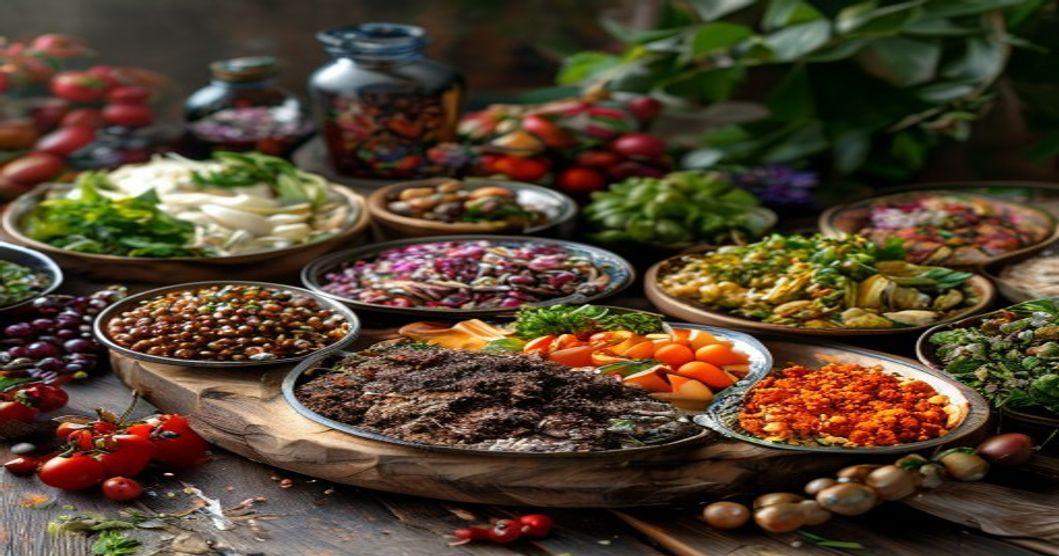
Understanding Sami Food Traditions Through the Seasons
The dietary framework of the Sami people operates entirely within the parameters of Arctic and subarctic seasonal shifts. Every month dictates distinct foraging windows, hunting cycles, and preservation protocols that sustain communities across Scandinavia and northern Russia. Winter months demand caloric density and long-term storage solutions. Reindeer meat becomes the primary protein source, supplemented by fat-rich organ meats that provide essential vitamins during periods of minimal sunlight. Traditional methods such as wind-drying and natural freezing transform fresh cuts into shelf-stable provisions without artificial refrigeration. These techniques rely on precise temperature control and airflow management, knowledge passed down through generations of herders who track weather patterns and animal migration routes with uncanny accuracy.
Summer brings a compressed period of biological abundance that fuels autumn preparation. Rivers run with wild trout and char during spawning seasons, while coastal Sami communities harvest salmon using weirs and spears designed for specific water currents. On land, cloudberry, bilberry, and crowberry patches ripen simultaneously, creating a narrow harvesting window that requires entire family units to work in coordinated shifts. Berries are either sun-dried on wooden racks or processed into traditional soups where their high pectin content naturally thickens liquid meals without added starches. Lichen harvesting begins early, providing crucial winter fodder for reindeer herds and later serving as a carbohydrate source when animal fats run low.
Preservation strategies form the backbone of seasonal food security. Fermentation occurs in buried birch-bark containers or carved wooden vessels, where controlled anaerobic environments break down proteins in fish and meat while developing complex umami profiles. Smoking over smoldering peat and reindeer dung adds antimicrobial properties while infusing distinct terroir characteristics unique to each region. Modern climate fluctuations have shifted traditional calendars, forcing communities to adapt harvesting timelines and document vanishing ecological markers. Despite external food systems, these seasonal protocols remain central to cultural identity, nutritional resilience, and sustainable land management practices that align human consumption with natural regeneration cycles.
- Winter provisioning: Reindeer carcasses are systematically butchered, with bones boiled for marrow and sinew repurposed for cordage.
- Summer preservation: Fish is split along the spine, salted minimally, and hung on raised wooden racks to prevent insect contamination while allowing airflow.
- Autumn storage architecture: Food caches are elevated on stone or timber platforms to deter rodents, utilizing breathable linen wraps that regulate moisture exchange.
Seasonal foodways function as an adaptive technology rather than a static tradition. Each phase of the annual cycle requires specific toolsets, timing precision, and ecological literacy. The Sami approach demonstrates how extreme environmental constraints generate sophisticated culinary systems that prioritize longevity, nutrient retention, and zero-waste utilization. Contemporary practitioners maintain these methods by integrating historical calendars with real-time weather monitoring, ensuring that traditional preservation windows remain viable despite shifting snow lines and altered migration patterns.
Historical roots of seasonal eating in Sámi culture
The historical foundation of Sámi seasonal eating emerged from millennia of adaptation to the Fennoscandian Arctic climate, where ecological rhythms dictated culinary practices long before written documentation existed. Traditional food systems operated on environmental indicators rather than fixed calendar dates, requiring precise observation of ice formation, lichen growth patterns, and animal migration routes. Reindeer herding formed the central pillar of this dietary framework, with communities tracking herd movements across mountain tundra and coastal zones to ensure continuous access to protein and fat reserves. Spring foraging relied on early-emerging vegetation such as wild sorrel, mountain angelica, and young reindeer moss, which supplied critical vitamin C before stored provisions dwindled. Summer months offered a narrow harvesting window for cloudberry, bilberry, and crowberry, fruits that accumulated high antioxidant concentrations due to intense midnight sun exposure. These berries were processed immediately through pressing, fermenting in clay pots, or drying on wooden racks to prevent spoilage.
Autumn preparation demanded systematic resource allocation across every reindeer anatomical component. Meat was cut into thin strips and cured through wind-drying techniques that leveraged sub-zero temperatures and low humidity, creating suovas, a smoked preservation method unique to northern Sámi territories. Bones were cracked open to extract marrow, while sinew and stomach linings provided natural storage vessels for rendered fat. Winter survival depended entirely on underground root cellars and snow caves where temperature stability prevented bacterial growth. Archaeological excavations across Tromsø, Finnmark, and Lapland have uncovered stratified food remains that align precisely with seasonal ecological shifts. Charred lichen fragments, fish vertebrae from ice-fishing sites, and carbonized berry seeds confirm that dietary calendars followed exact climatic thresholds rather than arbitrary time markers.
- Fermentation: Microbial breakdown of carbohydrates in reindeer blood and fish meat created digestible nutrients during months when fresh vegetation vanished
- Smoking: Pine and birch smoke introduced phenolic compounds that inhibited oxidative degradation while adding antimicrobial protection
- Freezing: Natural Arctic temperatures enabled rapid crystallization of cellular structures, preserving texture and enzymatic activity
Knowledge transmission occurred through practical demonstration rather than textual instruction, with elders guiding younger generations in identifying edible root systems beneath snowpacks and timing slaughter cycles to coincide with optimal fat deposition periods. This historical approach to seasonal eating established a zero-waste ecological model that optimized caloric intake against extreme energy expenditure. Modern nutritional studies now validate what Sámi communities preserved through oral tradition: the biochemical synergy between Arctic flora, reindeer metabolism, and human digestive adaptation remains one of the most efficient food systems documented in cold-climate anthropology.
Nomadic migration patterns and food sourcing strategies
The Sami people’s seasonal migration routes are fundamentally tied to reindeer husbandry, which historically dictated nearly every aspect of their food procurement system. Each phase of the annual cycle required precise logistical planning to align herd movement with environmental conditions and nutritional demands. Spring migrations targeted nutrient-rich alpine meadows where reindeer calving occurred, providing fresh milk and early-season forage. During these months, communities relied on fresh dairy products, wild herbs, and trapped small game to supplement their diet before winter stores were depleted.
Summer pastures offered abundant opportunities for berry harvesting, particularly cloudberries and bilberries, which were processed into jams or dried for long-term storage. River systems became critical for salmon and trout fishing, with smokehouses positioned strategically along waterways to accelerate preservation. The Sami developed specialized drying racks that utilized wind circulation rather than direct heat, preserving meat integrity without compromising texture.
- Autumn slaughter protocols aligned with reindeer weight peaks, ensuring optimal fat-to-muscle ratios before winter migration began.
- Fermentation chambers carved into permafrost-adjacent soil maintained consistent temperatures for aging meat and dairy without mechanical refrigeration.
- Skin-wrapping techniques insulated fresh cuts from frost while allowing gradual moisture evaporation during transit.
Winter routes shifted toward forested zones where reindeer could browse on lichen and moss. Food sourcing during these months depended entirely on pre-migration stockpiling. Frozen meat blocks were stored in snow caves, while fermented blood and offal provided essential vitamins during periods of limited sunlight. The Sami also utilized ice-fishing methods that required minimal equipment, relying on hand-carved wooden nets and temperature-sensitive bait arrangements. Every migration waypoint featured designated processing zones where butchering, smoking, and packaging occurred simultaneously with herd rest periods. This integrated approach eliminated resource duplication and ensured continuous caloric supply regardless of extreme weather fluctuations.
Spring Replenishment: Early Season Ingredients and Practices
The arrival of spring triggers a precise window for resource gathering in Sami culinary culture, where ecological knowledge dictates every harvest. As snow recedes from the taiga and tundra edges, foragers follow established paths to locate emerging flora that break the long winter monotony.
Ethnobotanical precision governs every step of this seasonal transition. Wild garlic pushes through damp soil first, offering a pungent profile that complements preserved reindeer meat and flatbreads. Sorrel and stinging nettle follow closely, delivering critical micronutrients after months of stored provisions. Harvesters monitor chlorophyll concentration and nutrient density, collecting only during a narrow three-week peak window. Traditional techniques mandate sustainable removal: upper leaves are plucked while root systems remain intact for rapid regeneration.
- Birch sap extraction begins shortly after green emergence, utilizing carved wooden spouts and birch-bark collection vessels.
- Rapid natural fermentation transforms the raw sap into a mildly alcoholic beverage that historically supplied hydration and electrolytes during calving operations.
- Fireweed shoots appear later in the season, introducing bitterness that balances rich fats from dried fish and rendered reindeer tallow.
Preservation infrastructure shifts gradually from winter drying racks to peat-lined cold storage pits and snow-packed cellars. Reindeer herders integrate these early foraged items with lean winter stores, designing meals that sustain metabolic demands during lambing and pasture preparation. Microclimate awareness determines harvest success; south-facing slopes yield edible greens days earlier than shaded ravines. Community-based gathering parties enforce strict territorial boundaries to prevent overharvesting, while elders transmit seasonal timing through practical field demonstrations rather than abstract instruction.
Nutritional protocols remain rigid across generations. Nettles require immediate blanching to neutralize oxalic acid, whereas sorrel leaves are either dried for winter use or folded raw into cold vegetable soups. Collection routes align precisely with reindeer migration patterns and pasture recovery rates, ensuring that human harvesting never outpaces ecological regeneration. This cyclical replenishment operates as both dietary necessity and land stewardship practice, maintaining early spring ecosystem balance throughout the annual grazing cycle.
Wild leeks, nettles, and early reindeer milk processing
Spring in the northern taiga and tundra triggers a critical nutritional shift for Sami communities. As snow recedes, wild leeks emerge along riverbanks and forest edges, offering a vital source of vitamin C, sulfur compounds, and natural antimicrobial agents. Harvesters carefully extract whole bulbs to encourage regrowth, cleaning them thoroughly before slicing or crushing. Fresh leaves undergo immediate fermentation in wooden barrels with brine, while bulbs are thinly sliced and sun-dried on birch bark racks. Dried leeks retain potency for winter use and function as a flavor base for bone broths and fat-rich stews.
Nettles follow closely behind in late spring. Traditional preparation requires rapid blanching in boiling water to deactivate formic acid and histamine compounds. Once cooled, stems are stripped of fibrous outer layers and chopped finely. Communities combine tender tops with reindeer fat and barley flour to produce dense, nutrient-dense flatbreads. Powdered nettle leaves serve as a mineral supplement during early calving months, providing iron and chlorophyll that counteract seasonal fatigue. Preservation relies on air-drying in shaded ventilated lofts or pressing into compact bricks for long-term storage.
- Early reindeer milk extraction occurs exclusively during the two-week calving window. Udder access remains limited due to calf proximity, requiring precise hand-milking techniques passed through generational practice.
- Composition analysis reveals fat concentrations reaching twenty-two percent, alongside complete amino acid profiles and lactoferrin that support rapid immune development in newborns and adults.
- Processing methods prioritize immediate transformation. Milk curdles naturally when heated above seventy degrees Celsius, yielding a thick skyr-like substance. Skimmed liquid ferments into a tangy drinking beverage, while clarified butter stores reliably without refrigeration.
- Storage protocols utilize frozen ice cellars, buried birch-bark containers, or salt-cured wooden vessels. These techniques prevent spoilage during summer thaw cycles and maintain caloric density for autumn hunting expeditions.
Combining these spring resources establishes metabolic resilience before summer grazing begins. Foraging routes follow historical microclimates, rock formations, and animal migration corridors that indicate peak botanical maturity. Reindeer milk processing aligns with lunar cycles and temperature thresholds to optimize curd formation. Every harvest step reflects centuries of empirical observation, ensuring resource renewal without depleting natural stands. This seasonal alignment sustains caloric balance, micronutrient intake, and cultural continuity across changing Arctic environments.
River thawing and first catch preservation techniques
The breaking of river ice marks a critical operational window for Sámi communities. As water temperatures rise just above freezing, early fish species migrate toward shallow spawning grounds. These initial specimens contain elevated fat reserves accumulated during winter dormancy, making them highly valuable for long-term storage. Processing begins immediately upon landing. Gutting and scaling occur within two hours to prevent enzymatic degradation. Fillets are mounted on spruce racks positioned near windward slopes where consistent airflow accelerates moisture removal.
- Air drying relies on sub-zero nighttime temperatures paired with daytime solar exposure. Fish remain exposed for three to five days until internal moisture drops below twelve percent.
- Anaerobic fermentation utilizes woven willow baskets lined with birch bark. Whole fish are layered with wild thyme and coarse salt, then weighted with smooth river stones to expel oxygen.
- Slow smoking uses alder branches and dried peat moss as fuel sources. Combustion temperatures stay below eighty degrees Celsius to avoid protein denaturation while allowing phenolic compounds to penetrate flesh layers.
Preservation sites are selected based on microclimate data transmitted through generations. Elevated wooden structures prevent ground thaw from compromising stored goods. Ventilation gaps allow humidity exchange without introducing contaminants. Some groups practice partial salting followed by immediate freezing in insulated snow pits lined with reindeer hide. These layered approaches create redundant preservation systems that mitigate single-point failures during unpredictable spring weather shifts.
Modern food microbiology confirms that traditional salt ratios and temperature ranges inhibit pathogenic bacterial growth while promoting beneficial Lactobacillus strains. The techniques require precise timing, intimate knowledge of local hydrological cycles, and continuous manual adjustment. River access patterns and ice thickness directly dictate preservation windows. Communities maintaining these practices demonstrate adaptive food security frameworks that anticipate seasonal volatility rather than resist it.
Summer Abundance: Open-Air Cooking and Dairy Production
Summer pastoral movements shift Sami households to elevated grazing zones where extended daylight hours sustain continuous forage growth. This environmental window triggers a concentrated production cycle centered on raw milk and immediate heat application. Reindeer milk, naturally containing up to twenty-two percent fat alongside goat and sheep dairy from household flocks, establishes the nutritional foundation for both daily sustenance and winter reserves. Milking operations follow precise daylight scheduling, with families rotating shifts to maintain consistent extraction intervals while minimizing animal stress. The resulting yield undergoes immediate processing to prevent rapid spoilage in fluctuating mountain temperatures.
Open-air heat management relies on controlled combustion zones positioned beneath tent frameworks or within stone fire rings. Skewered meat rotates slowly over ember beds, allowing gradual moisture evaporation without carbonization. Flatbreads receive direct contact with heated river stones or cast-iron griddles placed at the flame’s periphery, generating uniform crust development without enclosed ovens. Suspended iron pots extract maximum gelatin and marrow from bone fragments left after primary butchering. Smoke pathways are carefully mapped to circulate around drying racks while avoiding premature oxidation of stored provisions.
- Milk straining occurs immediately through birch bark or woven wool filters to remove sediment and accelerate fat separation.
- Churning utilizes wooden dashers or sealed leather vessels manipulated rhythmically, isolating butterfat within thirty to forty minutes.
- Rennet extracted from reindeer abomasum accelerates curd formation, enabling precise control over final texture and moisture retention.
- Salt application rates are calibrated daily based on ambient humidity readings, ensuring adequate preservation without excessive dehydration.
- Dried cheese slabs hang on elevated wooden racks under constant airflow, reducing water content below eighteen percent for year-round storage.
Fermentation processes develop naturally during this period, with buttermilk cultivated into tangy, enzyme-rich products that support digestion during heavy physical labor. Berry preservation runs parallel to dairy workflows, as cloudberries and bilberries are layered in butter containers or dried alongside cheese slabs to prevent mold growth. Every processing step reflects generations of environmental adaptation, optimizing resource extraction while maintaining structural integrity of traditional tools and storage methods. The summer abundance cycle concludes with systematic inventory organization, ensuring all preserved components remain accessible through the subsequent lean months.
Berry harvesting cycles and traditional drying methods
The Sámi relationship with wild berries follows precise ecological rhythms dictated by altitude, latitude, and microclimates across Sápmi. Cloudberry (*Rubus chamaemorus*) reaches peak ripeness between late July and mid-August in lowland areas, while mountain varieties mature into September. Lingonberry (*Vaccinium vitis-idaea*) and blueberry (*Vaccinium myrtillus*) windows open concurrently, requiring foragers to navigate dense peat bogs and birch forests before autumn frosts degrade sugar content. Crowberry (*Empetrum nigrum*) demands a later harvest, typically September through early October, when its dark berries develop the concentrated tannins necessary for long-term preservation. Each species requires distinct handling; cloudberry stems must remain intact to prevent juice leakage, whereas lingonberries are stripped directly onto woven birch-bark trays to avoid bruising.
Traditional drying techniques leverage Sápmi’s extreme seasonal contrasts rather than artificial heat sources. Summer harvesting yields berries laid on flat birch bark sheets or spruce branches positioned in shaded, wind-exposed ridges where low humidity accelerates moisture extraction without fermenting natural sugars. Winter preservation relies on freeze-drying principles; harvested fruits are spread over reindeer hides or packed into lichen-insulated wooden crates left near heated dwelling floors, allowing sub-zero night air to crystallize remaining water content. Smoke-drying appears in coastal Sámi communities, where berries hang above low-burning driftwood fires for twelve to eighteen hours, imparting phenolic compounds that inhibit mold growth. All methods prioritize slow dehydration, typically requiring five to seven days depending on ambient temperature and berry thickness.
- Cloudberry: Harvested mid-July to August; dried on birch bark racks for 6–8 days.
- Lingonberry & Blueberry: Peak in August; air-dried in shaded mountain passes or cold-store granaries.
- Crowberry: Collected September to October; traditionally stored sealed in birch-bark boxes lined with reindeer moss.
Dehydrated berries function as critical winter nutrition sources, retaining up to ninety percent of original vitamin C and polyphenol profiles when properly cured. Sámi households embed dried fruit into bone broth reductions, grind them into flour for flatbread binding, or steep them in reindeer fat to create calorie-dense rations for hunting expeditions. Modern preservation contradicts traditional pacing; rapid dehydration destroys cell walls and concentrates oxalates, whereas slow Sámi methods maintain structural integrity and enzymatic balance. Control over moisture levels remains the primary determinant of shelf stability, with properly dried berries lasting eighteen to twenty-four months in hermetically sealed birch containers without oxidation or lipid rancidity.
Midsummer communal meals and fermented reindeer milk
Midsummer marks the operational peak of the Sami reindeer herding calendar, shifting camps to highland pastures where herds graze freely before autumn migration. This period triggers a coordinated gathering of families and neighboring siida groups, transforming seasonal camps into temporary communal hubs centered around shared sustenance. Meals are prepared over open birch or pine wood fires using cast iron pots and wooden bowls, prioritizing ingredients harvested during the brief but intense Arctic summer.
- Cured reindeer meat: Strips of lean venison preserved through winter air-drying, rehydrated in stews or fried with rendered fat.
- Wild-caught fish: Arctic char and trout caught from thawed lakes, often boiled whole with birch leaves for flavor.
- Foraged botanicals: Crowberries, blueberries, and wild onion shoots added to soups or served alongside cured meats.
Fermented reindeer milk, traditionally known as muorva or máddá, functions as the nutritional cornerstone of these gatherings. Raw milk is collected fresh from summer-calving herds and allowed to sour naturally in wooden vessels or animal-hide containers. Lactic acid bacteria multiply rapidly in the cool ambient temperatures, breaking down lactose while developing a tangy, creamy consistency. The resulting product requires no refrigeration, extends dairy preservation by weeks, and delivers concentrated protein, calcium, and B-complex vitamins essential for sustained physical labor during the grazing season.
Historically, fermentation mitigated spoilage risks in a climate where refrigeration was impossible. Communities standardized starter cultures passed across generations, ensuring consistent acidity and microbial profiles. Muorva appears in breakfast porridges, diluted into summer drinks, or mixed with root flour to create dense energy cakes. Modern ethnographic records confirm that these practices maintained gut microbiome diversity and prevented scurvy during extended periods of limited fresh produce. The midsummer meal structure reinforces intergenerational knowledge transfer, seasonal resource mapping, and collective labor organization, embedding food preparation directly into Sami ecological literacy.
Autumn Harvest: Meat Curing and Root Storage Systems
Autumn marks the operational window for Sami preservation protocols, where stable atmospheric pressure and dropping humidity create ideal conditions for long-term food security. Meat curing follows precise biochemical steps rather than passive drying. Fresh reindeer or caribou muscle is portioned along natural grain lines to maintain fiber integrity during moisture loss. Practitioners apply refined rock salt at a controlled ratio of 2.5 percent by weight, initiating osmotic dehydration that draws water from cellular compartments while concentrating native enzymes responsible for tenderization. The meat rests on ventilated spruce racks for fourteen days before transitioning to low-temperature smoking. Pine resin and dried moss fuel slow combustion, releasing guaiacol and syringol compounds that penetrate tissue to neutralize lipid oxidation pathways. Final products achieve a moisture-to-protein ratio of 0.35:1, ensuring shelf stability without synthetic additives.
- Airflow Management: Racks are positioned perpendicular to prevailing winds to accelerate surface evaporation while preventing uneven crust formation that traps internal humidity.
- Salt Distribution: Coarse crystals are massaged into connective tissue to disrupt bacterial cell membranes and lower water activity below 0.85 aw, halting proteolytic degradation.
- Smoke Density Control: Practitioners monitor flame temperature between 60°C and 75°C to avoid case hardening, which seals moisture inside and accelerates anaerobic spoilage.
Root storage architecture operates on passive thermal inertia principles. Excavated pits measure approximately two meters deep and one meter wide, lined with compacted clay and birch bark to regulate capillary action. Harvested rutabaga, turnips, and wild parsnips are trimmed of foliage, leaving exactly two centimeters of stem to prevent nutrient leakage. Vegetables are stacked in alternating layers with dry reindeer moss and fine sand, creating a breathable matrix that conducts heat away from the core. Overlying insulation combines peat blocks, spruce branches, and late-fall snowfall, maintaining a stable microclimate between -1°C and 3°C. Drill holes spaced at forty-centimeter intervals allow methanogenic gases to dissipate while blocking external temperature spikes. This earth-integrated system prevents glycolytic breakdown in root cells, preserving Vitamin C and complex carbohydrates through seven months of continuous storage.
Reindeer slaughter traditions and smoked meat preservation
The annual reindeer slaughter operates on precise ecological markers rather than fixed calendar dates. Practitioners monitor pasture depletion rates and animal body condition scores, executing the harvest when fat reserves peak but before harsh winter conditions compromise mobility. This timing ensures optimal meat quality while respecting herd migration patterns established over centuries. Traditional methods emphasize rapid blood drainage to prevent bacterial multiplication, with every anatomical section allocated to specific culinary applications or immediate consumption protocols.
- Slaughter Timing: Executed during late autumn when reindeer reach maximum glycogen storage, followed by strict pasture rotation schedules that allow vegetation recovery before spring thaw.
- Dressing Protocol: Field butchery removes internal organs within minutes of harvest to regulate carcass temperature, then partitions muscle groups according to fat distribution and intended preservation method.
- Spiritual Alignment: Ritual offerings accompany the process, acknowledging the animal’s contribution to seasonal survival while reinforcing communal resource management principles passed through generational oral instruction.
Preservation depends entirely on cold-smoking architecture that leverages subarctic environmental conditions. Butchers slice fresh muscle into uniform strips or retain larger cuts like hindquarters, then suspend them above fires fueled by dried birch logs, alder branches, and concentrated reindeer dung. The combustion chamber maintains temperatures between twenty and thirty degrees Celsius for seventy-two to one hundred twenty hours. This extended low-heat exposure drives moisture content down to approximately twenty-two percent while allowing natural proteolytic enzymes to tenderize dense muscle fibers. The smoke deposits phenolic compounds that create impermeable surface barriers, effectively inhibiting spoilage bacteria without requiring sodium chloride or chemical additives.
- Fuel Composition: Birch provides steady aromatic output, while reindeer dung supplies consistent thermal radiation essential for prolonged dehydration cycles.
- Moisture Management: Continuous airflow strips water vapor from muscle tissue, creating a dense protein matrix that resists microbial colonization during temperature fluctuations.
- Aging Process: Hung cuts undergo enzymatic breakdown over six to nine months, developing concentrated umami profiles and shelf stability exceeding one year in unheated storage structures.
Storage infrastructure utilizes ventilated wooden sheds or carved rock cavities designed for consistent airflow and thermal buffering. Meat hangs on horizontal poles positioned at varying heights to accommodate different thickness profiles, preventing condensation buildup and ensuring even maturation. Traditional practitioners rotate cuts weekly while monitoring texture development through tactile assessment rather than digital measurement. This method extends shelf life beyond nine months in optimal conditions, producing a stable protein source that functions as emergency rations, winter trading commodities, and ceremonial provisions during solstice assemblies. The entire system demonstrates closed-loop resource management where waste elimination directly supports long-term dietary resilience.
Tundra root vegetables and underground cellar storage
Wild tundra roots have historically served as critical carbohydrate sources for Sámi communities during the long winter months when surface agriculture is impossible. These resilient rhizomes and taproots, including wild parsnip, crowberry root, and native carrot relatives, develop dense starch reserves to survive subzero ground temperatures. Harvesting occurs in late autumn after the first frost, which triggers natural sugar conversion and improves both flavor and storage longevity. The roots are carefully dug using wooden tools to avoid micro-tears that accelerate spoilage, then brushed clean without washing to preserve their natural protective cuticle.
Underground cellar storage transforms these seasonal harvests into year-round food security. Traditional Sámi root cellars, known as juovssagáddi, are constructed by excavating shallow pits in well-drained sandy soil or rocky terrain. The structure relies on natural insulation: turf layers, reindeer hides, and compacted peat maintain a stable temperature range between 0°C and 4°C year-round. Ventilation shafts carved into the surrounding earth regulate humidity, preventing both desiccation and fungal growth. Roots are never stored directly against soil walls; instead, they rest on raised wooden slats covered with dry birch bark or reindeer moss, which absorb excess moisture while allowing air circulation.
- Harvest timing: Roots are pulled after frost hardening the ground but before deep freeze locks them permanently in place.
- Curing process: Freshly harvested roots undergo three days of air drying in shaded, ventilated sheds to seal wounds and reduce surface moisture.
- Layering method: Alternating rows of roots with dry moss create microclimates that slow ethylene production and delay sprouting.
- Temperature monitoring: Historical records show Sámi elders used frozen reindeer bladder strips as primitive hygrometers; contraction indicated dangerous humidity spikes.
Modern climate shifts have altered permafrost stability, forcing contemporary Sámi foragers to adapt traditional cellar designs with reinforced insulation and digital moisture sensors. Despite these changes, the core principles remain unchanged: minimal handling, precise temperature control, and strict separation from ethylene-producing foods like apples or potatoes. This preservation method not only extends shelf life up to eight months but also concentrates antioxidants and complex carbohydrates that support metabolic demands during extreme cold exposure.
Winter Sustenance: Cold-Climate Nutrition and Fasting Practices
Extreme winter conditions in Sápmi dictated a highly specialized nutritional framework centered on energy density and long-term food preservation. Traditional communities relied on air-drying, smoking, and natural freezing to maintain reindeer meat, salmon, and Arctic char throughout months of complete darkness. These methods not only prevented spoilage but also concentrated proteins and fats, providing the caloric foundation necessary for thermoregulation in subzero environments.
Fermentation played a critical role in sustaining micronutrient availability when fresh produce was entirely inaccessible. Reindeer blood mixed with barley or rye flour created nutrient-dense puddings rich in iron and B vitamins. Dried reindeer liver, stored wrapped in birch bark, delivered concentrated vitamin A and D. Stockfish and cured fish oils supplied essential omega-3 fatty acids that supported cardiovascular function and mitigated seasonal affective patterns linked to prolonged photophobia.
- Thermogenic Fueling: High saturated fat intake from reindeer marrow and suet accelerated metabolic heat production, reducing reliance on external heating resources.
- Gut Microbiome Adaptation: Lacto-fermented dairy products and preserved meats introduced probiotic strains that maintained digestive efficiency during periods of minimal fiber consumption.
- Seasonal Caloric Banking: Summer and autumn slaughter cycles generated surplus meat that was systematically stored, creating a controlled winter rationing system aligned with reindeer migration patterns.
- Glucose Regulation: Restricted carbohydrate availability during deep winter forced adaptive ketosis, preserving muscle mass while utilizing stored adipose tissue for sustained cognitive function.
Winter consumption rhythms often incorporated deliberate fasting windows tied to ecological markers rather than theological mandates. When snow depth exceeded mobility thresholds or reindeer herds migrated beyond tracking range, households naturally restricted caloric intake to conserve stored provisions. These periods of voluntary scarcity reinforced communal food-sharing networks and aligned dietary pacing with natural resource regeneration cycles. Historical kinship records indicate that pre-winter fasting intervals lasted between seven and ten days, synchronized with the autumn equinox bloodletting rituals. Modern nutritional anthropology confirms that controlled winter fasting improved insulin sensitivity and lipid metabolism in pre-industrial northern populations, demonstrating an intuitive adaptation to polar nutrition science.
Frozen reindeer delicacies and bone broth preparation
Natural freezing temperatures historically served as the primary preservation method for Sami reindeer meat during prolonged winter months. Hunters would skin and butcher their catch immediately after the cold snap, dividing the carcass into manageable sections that were then suspended in well-ventilated snow caves or buried beneath insulated moss layers. The rapid drop in ambient temperature halts bacterial growth while gradually drawing moisture from the tissue. This slow dehydration process concentrates proteins and fats, yielding a dense, shelf-stable product known as rävddas when served raw after controlled thawing, or muos when fully air-dried. The resulting texture ranges from firm yet pliable to crackly dry, depending on exposure duration. Traditional Sami butchers avoided metal knives during initial cuts, preferring bone saws and antler tools to prevent metallic contamination that could interfere with enzymatic pathways. Each seasonal freeze cycle dictated different curing windows, with mid-winter cuts achieving optimal crystallization patterns that preserved omega-3 fatty acids and B-vitamin complexes far better than summer storage methods.
Bone broth extraction followed a parallel logic of resource maximization. Reindeer skeletal remains, particularly joint fragments and hoof segments rich in collagen matrices, were submerged in cold spring water and brought to a rolling boil before reducing to a steady simmer for twelve to eighteen hours. Skimmed impurities accumulated on the surface during the first hour, then a thick gelatinous crust formed as the liquid cooled. Traditional practitioners added wild leeks, juniper berries, and cracked barley only after the initial extraction phase to prevent starch interference with mineral solubility. The resulting concentrate delivered high concentrations of glycine, proline, and hydroxyproline alongside naturally occurring calcium phosphate and magnesium citrate. Communities stored cooled broth in hollowed birch bark containers or reindeer stomach bladders, which provided natural antimicrobial linings. During extended snowstorms, a single ladle of this reduction supplied immediate caloric density and joint lubrication essential for reindeer herding labor.
- Cold-chain preservation relies on ambient temperature regulation rather than artificial refrigeration, maintaining meat integrity through natural ice crystal formation.
- Extended simmering times break down collagen networks into soluble gelatin, enhancing digestibility and nutrient bioavailability in harsh climates.
- Sustainable zero-waste protocols ensured every anatomical component served a functional purpose across seasonal survival cycles.
Modern Sami culinary practitioners replicate these techniques using insulated earth pits and controlled ventilation racks rather than conventional freezers. The method preserves enzymatic activity that commercial processing eliminates, resulting in distinct umami profiles derived from natural amino acid breakdown. Bone reduction continues to function as a dietary cornerstone during February thaws when fresh forage remains inaccessible. The preparation rhythm itself operates as a knowledge transmission mechanism, with elder herders demonstrating bone-to-water ratios and skimming intervals through direct observation rather than written measurement. Contemporary food researchers document these processes not merely as historical artifacts but as validated preservation frameworks applicable to cold-terrestrial nutrition systems.
Traditional winter rations and fireless cooking methods
Winter survival in traditional Sámi communities relied on highly optimized caloric storage and natural preservation techniques that required zero combustion. The core rations centered on reindeer-derived products, primarily dried meat known as máddár or bidos, which underwent air-drying at subzero temperatures to achieve moisture levels below fifteen percent. This process halted bacterial growth while concentrating protein and fat content, providing sustained energy during months of extreme cold and limited daylight. Complementary provisions included salted and fermented fish, hard reindeer cheese aged in wooden containers, and cloudberry jam preserved in rendered fat. These ingredients formed a complete nutritional profile, delivering essential vitamins alongside dense lipid reserves necessary for thermoregulation.
Fireless preparation methods operated on thermal retention and enzymatic fermentation principles rather than direct heat application. Communities utilized insulated earth pits lined with heated river stones, covered tightly with moss and packed snow to create passive ovens that maintained temperatures between forty and sixty degrees Celsius for twelve to eighteen hours. Another documented technique involved placing raw ingredients inside hollowed reindeer stomachs or bladders, which acted as natural thermal insulators while introducing beneficial bacteria for controlled fermentation. Cold storage caves carved into permafrost regions allowed gradual thawing and slow cooking without fuel consumption. Fermentation vats buried in snowbanks utilized subzero ambient temperatures to convert carbohydrates into lactic acid, preserving root vegetables and dairy products simultaneously.
- Dried meat preparation: Sliced reindeer flesh hung on wooden racks in ventilated shelters where wind circulation accelerated moisture extraction without freezing damage.
- Stone-heat transfer cooking: Heated rocks placed into insulated wooden bowls with frozen ingredients initiated gradual protein denaturation and starch gelatinization.
- Snow-insulated fermentation pits: Layered food items separated by birch bark maintained stable anaerobic environments for weeks without temperature fluctuations.
These preservation strategies directly influenced seasonal dietary patterns, eliminating the need for active fuel collection during the darkest months. The metabolic efficiency of fireless techniques reduced daily labor while maximizing nutrient retention through low-temperature processing. Historical records indicate that communities maintaining these methods experienced fewer winter scurvy cases and maintained higher physical endurance during reindeer migrations. The systematic rotation of stored rations prevented nutritional depletion, while fermentation byproducts introduced probiotic strains that supported gut health in isolated winter conditions.
Seasonal Preservation Techniques That Defined Sámi Food Security
The Sámi survival strategy relied on precise seasonal calibration of preservation methods that transformed scarce summer and autumn harvests into year-round sustenance. Reindeer meat formed the caloric foundation, requiring immediate processing to prevent spoilage within limited daylight windows. Hunters utilized suovas smoking, suspending caribou strips over controlled birch or reindeer dung fires for extended periods. This low-temperature dehydration inhibited pathogenic bacteria while depositing protective phenolic compounds that extended shelf life beyond twelve months. Winter temperatures functioned as passive refrigeration. Communities excavated insulated storage pits into permafrost layers, lining them with cured reindeer hides and compacted snow to maintain sub-zero conditions without mechanical intervention. Fish catches from coastal fjords and inland lakes underwent parallel treatment. Arctic char and salmon were split, lightly salted, and suspended on elevated wooden racks where constant wind circulation accelerated moisture extraction without creating impermeable surface crusts.
Summer and early autumn months prioritized fermentation over drying due to higher ambient humidity levels. Reindeer milk underwent controlled lactic acid fermentation in birch bark or wooden vessels, producing a stable sour dairy product rich in viable cultures and shelf-stable for months. Meat cuts were buried in shallow peat bogs where anaerobic conditions and natural organic acids initiated slow curing processes. Dried mushrooms, cloudberries, and crowberries were arranged on slatted tables under shaded porches, allowing gradual moisture reduction while preserving anthocyanins and vitamin C critical during polar nights. The systematic rotation between smoking, freezing, fermenting, and wind-drying created a predictable nutritional baseline that prevented seasonal deficiency diseases. These techniques operated without artificial additives, relying entirely on microbial ecology and microclimate manipulation to maintain food security across generations of highly mobile pastoral life. Storage protocols dictated herd management cycles, ensuring caloric continuity during harsh migration routes and extended winter periods when hunting success directly determined community survival thresholds.
Controlled humidity levels prevented mold proliferation while allowing enzymatic breakdown of tough muscle fibers into digestible amino acids. Snow cellaring required precise depth calculations; shallow graves froze completely, exposing food to desiccation winds, while excessively deep pits risked thaw cycles during unseasonable thaws. Each preserved category demanded distinct temperature thresholds, moisture targets, and ventilation requirements tailored to regional microclimates.
Modern Revival: Contemporary Sami Culinary Practices
Contemporary Sami culinary practices have transitioned from survival-driven subsistence to a structured cultural reclamation initiative. Chefs across Finnmark, Troms, and Nordland now contract directly with indigenous reindeer herders, securing wild-grazed rávdus that reflects specific grazing territories. Traditional preservation techniques like air-drying (suovas), pit fermentation, and dry salting operate within modern food safety frameworks rather than historical archives. Contemporary kitchens apply these methods to seasonal foraged components: crowberry (láhppu), blueberry (muorba), and cloudberries (luovtta). The movement extends beyond individual households to formal educational institutions.
- Culinary programs in Sápmi integrate indigenous food systems into core curricula, teaching precise knife techniques for fish gutting, bone marrow extraction, and lichen-based seasoning profiles.
- Restaurants operating within pastoral zones collaborate with siida communities to establish traceable supply chains. This partnership model directs economic returns toward herding families while enforcing rotational grazing standards and strict animal welfare protocols.
- Digital preservation projects record oral recipes from elder pastoralists, digitizing generational taste memory for commercial and educational access. These archives support rotating supper clubs that shift locations across municipal boundaries, adjusting menus to microclimates and harvest windows.
The sector actively counters industrial food chains by promoting low-carbon protein sources like wild Arctic char and historically utilized lemming fat. Certification organizations now recognize indigenous culinary labels, enabling producers to market sámi products with geographic indication status. This institutional backing accelerates supply chain transparency while preventing cultural appropriation. Contemporary practitioners avoid fusion experimentation, focusing instead on refining ancestral parameters. Fermentation timelines, salt ratios, and smoke temperatures follow documented traditional standards rather than modern deviation.
Modern butchers utilize traditional aging chambers that replicate high-altitude winter conditions, enhancing umami development without artificial additives. Retail distribution now features indigenous cooperatives managing direct-to-consumer networks, bypassing metropolitan wholesalers. Consumer demand drives standardized grading systems for reindeer cuts and wild berry purity levels. The resulting ecosystem treats heritage preservation as active innovation, sustaining ecological knowledge through commercial viability and intergenerational skill transfer.
Farm-to-table movements and indigenous food sovereignty
The intersection of farm-to-table practices and indigenous food sovereignty functions as a structural reclamation of biocultural networks that historically sustained Sámi communities across Arctic and subarctic territories. This alignment transcends contemporary culinary trends by addressing land tenure, seasonal resource governance, and ecological memory. Traditional Sámi food systems operate on cyclical environmental calibration, where reindeer husbandry, wild berry harvesting, root foraging, and fish curing synchronize with microclimatic shifts, lichen growth cycles, and migration corridors. External farm-to-table initiatives that ignore this temporal architecture frequently reduce indigenous agriculture to aesthetic consumption, dismantling the stewardship protocols that maintain long-term watershed and pasture resilience.
Indigenous food sovereignty mandates direct control over production territories, processing infrastructure, and distribution pathways. Within Sápmi, this requires securing uninterrupted grazing routes against extractive development, revitalizing salt-curing and fermentation techniques adapted to high-latitude preservation windows, and establishing community-managed seed repositories for hardy Arctic cultivars like lichen-fertilized grains and frost-tolerant legumes. When farm-to-table supply chains integrate with these frameworks, they must prioritize contractual land access agreements that recognize Sámi parliamentary oversight rather than imposing standardized organic certifications designed for temperate commercial agriculture.
- Land tenure reforms that classify seasonal migration corridors as legally protected agricultural zones
- Processing infrastructure engineered for traditional drying, curing, and fermentation methods required by extreme climate cycles
- Economic redistribution models that route consumer premiums directly to herder cooperatives and foraging collectives without intermediary markup
Ambient temperature shifts have intensified the operational necessity of these interventions. Warming winters compromise freeze-thaw cycles essential for ice road transport of harvested biomass, while unpredictable spring green-ups disrupt reindeer calving success and forage availability. Indigenous-led farm-to-table adaptations counter this volatility through decentralized food hubs that capture surplus during abundance windows and distribute nutrient-dense provisions during lean periods. This structure replaces industrial supply chain dependency by embedding preservation capacity within cultural practice rather than relying on external refrigeration or synthetic inputs.
Policy implementation depends on recognizing Sámi food knowledge as agricultural science. Curriculum integration in regional schools, technical grants for traditional tool fabrication, and trade agreements that exempt indigenous processing methods from standardized export regulations form the operational backbone of this movement. Consumer participation shifts from passive purchasing to active stewardship through seasonal subscription models explicitly tied to herd management calendars and regulated foraging permits.
Cultural education programs and seasonal food festivals
Indigenous culinary heritage relies on systematic knowledge transfer mechanisms that align educational frameworks with ecological cycles. Academic institutions across northern Scandinavia and Finland have developed curriculum modules focusing on Sami foodways, integrating ethnobotany, traditional animal husbandry, and historical preservation techniques into accredited programs. These courses emphasize hands-on fieldwork during specific natural windows: spring milk production, summer wild herb foraging, autumn reindeer slaughter protocols, and winter fermentation processes. Participants learn precise temperature controls for curing suovas, proper lichen processing methods, and seasonal timing for cloudberries and bilberries based on microclimate indicators rather than fixed calendar dates.
- University-led ethnographic research: Students document oral histories from elder knowledge keepers, creating digital archives that map ingredient availability to lunar and solar cycles specific to each Sámi region.
- Community apprenticeship networks: Local cultural centers pair younger generations with master practitioners for seasonal harvesting expeditions, reinforcing practical skills alongside ecological stewardship principles.
- Festival documentation protocols: Annual gatherings feature standardized recording of fermentation techniques, reindeer meat grading systems, and traditional dairy separation methods, ensuring consistent knowledge preservation across geographic boundaries.
Seasonal festivals operate as living laboratories where theoretical education meets practical application. Organizers coordinate events with natural resource availability rather than arbitrary dates, scheduling gatherings around reindeer migration patterns, berry ripening stages, and ice formation timelines. These occasions facilitate direct transmission of food processing knowledge through demonstration stations where participants observe and execute traditional smoking chambers setup, lichen leaching procedures, and historical preservation methods that extend shelf life without modern refrigeration. Academic researchers monitor these events to track knowledge retention rates and identify curriculum gaps requiring additional instructional support.
Educational initiatives also address contemporary challenges through adaptive programming. Climate variation studies inform updated foraging guidelines, while economic development workshops teach sustainable harvesting quotas that maintain ecosystem balance. Festival committees collaborate with agricultural extension services to develop standardized measurement tools for traditional ingredient quantities, enabling accurate recipe replication across different geographic locations. This structured approach transforms seasonal gatherings into comprehensive knowledge exchange platforms where ecological awareness, culinary technique, and community resilience intersect systematically.
Regional Variations Across Sápmi Territories
The culinary landscape across Sápmi reflects a direct adaptation to distinct ecological zones spanning northern Norway, Sweden, Finland, and the Kola Peninsula. Coastal Sámi communities historically relied on marine ecosystems, developing sophisticated techniques for processing Atlantic cod, salmon, and halibut. Traditional preservation methods such as wind-drying fish into suovas or fermenting in brine allowed populations to survive long winters before modern refrigeration existed. These coastal foodways emphasized salt curing, smoking over birch wood, and the careful layering of fat-rich fish roe to maximize caloric intake during months of limited daylight.
In contrast, inland and tundra-dwelling Sámi groups cultivated a diet centered on reindeer herding. Every part of the animal served a nutritional or functional purpose. Meat was frequently simmered in bone broth with wild herbs, while offal provided essential vitamins often missing from plant-based winter stores. Matsoba, a coarse reindeer meat porridge cooked over open fires, and kuovssat, dried strips of lean meat, became staple provisions for long reindeer migrations. The tundra environment also dictated foraging patterns, making cloudberries, bilberries, and crowberries critical sources of vitamin C during the brief summer thaw.
- Coastal regions prioritize marine proteins with preservation techniques adapted to high humidity and salt air.
- Inland territories depend on reindeer-derived nutrients alongside hardy lichen species like bivdi, traditionally ground into flour for flatbreads.
- Seasonal migration routes directly influenced ingredient availability, forcing communities to develop hyper-local storage solutions that remain culturally significant today.
Geographic isolation between these territories fostered divergent preparation styles even when using identical raw materials. A coastal Sámi family might ferment salmon with wild garlic and pine needles, while an inland group would smoke the same fish over dried reindeer dung for a distinct mineral-rich flavor profile. These variations were not arbitrary but emerged from centuries of environmental trial and error, optimizing nutrition for extreme Arctic conditions. Modern culinary preservation efforts continue to document these regional distinctions, ensuring that hyper-local knowledge survives industrial food standardization.
Coastal Sami fishing traditions versus inland reindeer herding diets
The dietary divide between coastal and inland Sami communities emerges from distinct ecological zones, each demanding specialized survival strategies that evolved over centuries. Coastal groups relied on marine ecosystems, developing sophisticated fishing methods adapted to Arctic waters. Traditional rod-and-line techniques using bone hooks and hemp lines targeted cod, herring, and salmon during spring migrations. Fish were processed through air-drying on wooden racks (fiskekjeller) or salt-curing to create stockfish and klippfisk, preservation methods that prevented spoilage across long winters. Seaweed harvesting supplemented the diet with essential minerals, while seasonal ice fishing maintained protein intake when surface waters froze.
Inland populations followed a pastoral model centered on reindeer husbandry. The animal provided nearly every nutritional requirement: meat for sustenance, milk for dairy products, blood for blood sausage (muohtávuovssá), and sinew for tool construction. Preservation relied on smoking over birch wood, freezing in natural ice cellars, and fermenting meats in underground pits. Seasonal migration routes dictated dietary shifts, with spring milking yielding skyr-like curds and autumn slaughter supplying cured ribs and tongue. The reindeer’s antlers and hooves contributed to bone broth preparations that delivered collagen during extreme cold periods.
Nutritional profiles diverged sharply between these systems. Coastal diets emphasized omega-3 fatty acids from marine species, supporting cardiovascular health in high-latitude environments where sunlight deprivation limited vitamin D synthesis. Inland communities obtained protein and fat through dense reindeer muscle tissue and marrow, requiring metabolic adaptations to process high saturated fat loads. Both groups mastered fermentation techniques that enhanced nutrient bioavailability, yet their preservation timelines differed: coastal stockfish aged for months in ventilated sheds, while inland meats cured over weeks using smoke chemistry and temperature control.
Economic exchange historically bridged these dietary worlds. Coastal traders supplied dried fish to inland herders in return for reindeer hides and dairy products, creating interdependent food networks that mitigated seasonal shortages. Modern preservation technologies have altered these practices, yet traditional processing remains embedded in cultural identity. Understanding this ecological specialization reveals how Arctic communities optimized limited resources through hyper-localized knowledge systems.
Climate adaptation strategies in traditional food storage
The Sami people historically developed highly specialized food preservation techniques that directly responded to the extreme thermal volatility of Fennoscandian Arctic and subarctic zones. Rather than relying on artificial cooling, traditional systems leveraged predictable microclimates and seasonal temperature thresholds to maintain nutritional integrity across long winters. Reindeer meat and fish were primarily stored through rapid dehydration and controlled oxidation. Wind-drying racks elevated above frozen ground utilized consistent katabatic winds to strip moisture below microbial survival levels, while smoking over juniper and birch wood introduced antimicrobial phenols that inhibited spoilage during brief thaw periods.
Natural insulation became the cornerstone of year-round storage infrastructure. Root cellars were excavated into permafrost-adjacent soil layers and lined with woven birch bark, reindeer moss, and compacted peat to stabilize internal temperatures near zero degrees Celsius without causing freeze damage to tubers. During winter months, snow accumulated around these structures, creating a thermal buffer that prevented deep freezing while maintaining humidity levels essential for root preservation. Ice cellars, carved directly into frozen lake beds or hillside permafrost, relied on the insulating properties of compacted snow and ice to keep meat and dairy products at sub-zero temperatures without crystallization damage.
- Seasonal timing alignment: Storage initiation was strictly tied to natural temperature drops rather than calendar dates. Communities monitored permafrost depth, lake freeze-up patterns, and wind direction shifts to determine optimal drying and freezing windows.
- Microclimate utilization: Slope orientation dictated storage placement. North-facing inclines maintained consistent cold exposure, while south-facing slopes were avoided to prevent premature thawing of stored proteins.
- Material-based humidity regulation: Reindeer hides, dried fish bladders, and woven grass mats created breathable barriers that allowed excess moisture to escape while blocking wind desiccation during spring thaws.
- Rotational storage cycles: High-risk items like fresh dairy and unprocessed meat were cycled through multiple storage zones. Items moved from initial surface drying to mid-season bark cellars, then to deep ice vaults before summer consumption, minimizing exposure to temperature fluctuations.
These methods demonstrate a precise understanding of thermodynamics and microbial ecology long before modern food science formalized the principles. Storage structures were continuously modified based on generational observation of permafrost degradation, lake ice stability, and seasonal wind patterns. When early thaws occurred, communities adjusted drying rack heights, increased snow compaction around cellars, or accelerated fermentation processes to compensate for elevated ambient temperatures. The system operated as a dynamic environmental interface rather than a static preservation method, ensuring food security across centuries of climatic variability.
“`html
Frequently Asked Questions
What is Sami Food Traditions Through the Seasons?
Sami Food Traditions Through the Seasons is a cultural exploration of how the Indigenous Sami people of northern Scandinavia and Russia adapt their cuisine to the extreme Arctic climate. It highlights seasonal hunting, herding, fishing, and foraging practices that have sustained Sami communities for thousands of years. Traditional foods include reindeer meat, dried fish, berry preserves, fermented dairy products, and root vegetables, each prepared and preserved using time-honored techniques passed down through generations.
Key facts about Sami Food Traditions Through the Seasons
- The Sami are one of the few Indigenous peoples in Europe with a deep, documented culinary heritage tied to reindeer herding and Arctic survival.
- Diet varies significantly by season: spring brings wild greens and young reindeer; summer focuses on fishing and berry picking; autumn is dedicated to hunting and preserving meat for winter; winter relies heavily on stored and fermented foods.
- Traditional preservation methods include air-drying (suovas), freezing, smoking, and fermenting fish and meat without refrigeration.
- Berries such as cloudberries, lingonberries, and blueberries are central to Sami cuisine, used in jams, sauces, and medicinal remedies.
- Sami food traditions are deeply connected to the land and reflect a sustainable, zero-waste approach to resource use.
- In recent years, Sami food culture has gained international recognition as part of UNESCO Intangible Cultural Heritage efforts and growing interest in Indigenous gastronomy.
“`