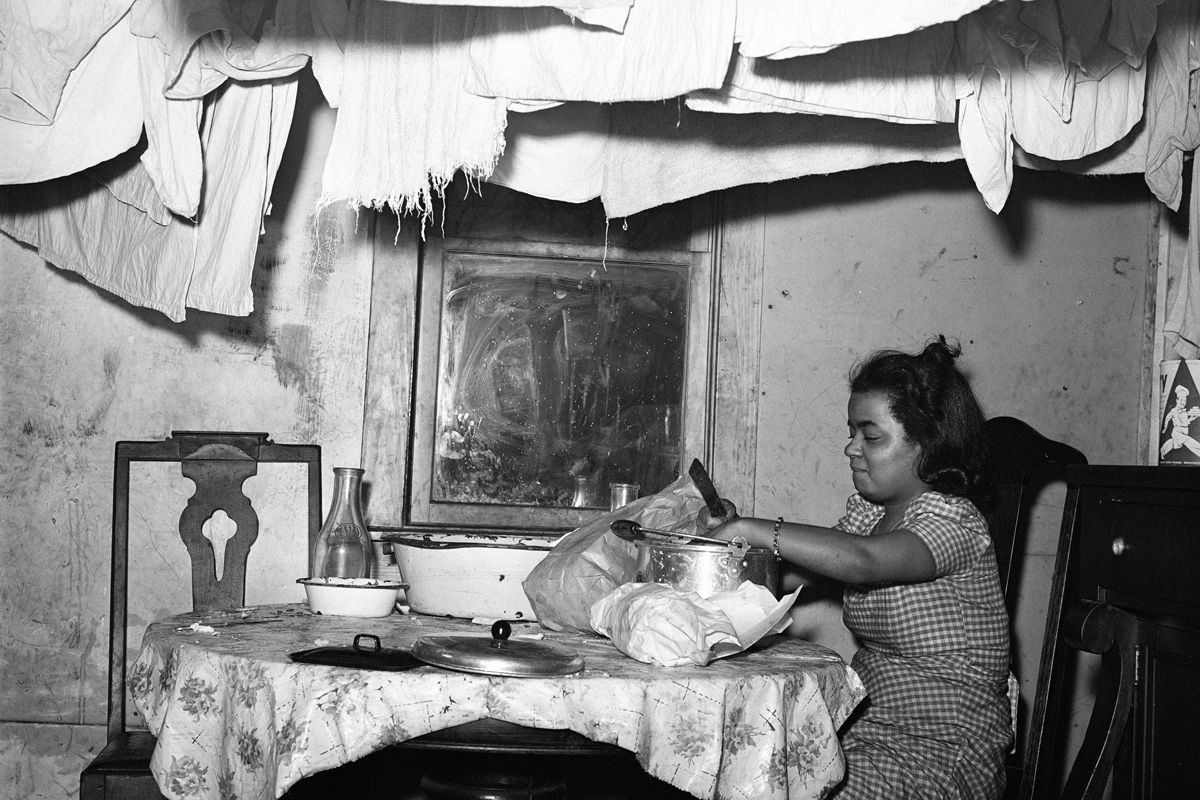
The typical kitchen in 1930s America didn’t have high-tech appliances or convenience foods, but it was filled with ingenuity. During the Great Depression, when money was scarce and waste wasn’t an option, homemakers became experts at stretching every dollar — and every ingredient — as far as it could possibly go.
Even as the economy began to recover in the early 1940s, frugality remained essential, reinforced by wartime rationing and shortages. Meals had to be filling, affordable, and built from whatever was on hand, which often wasn’t much.
For many families, these habits didn’t disappear when times improved — they were passed down to the next generation. You might remember a parent or grandparent saving bacon grease in a tin or creating a meal from the previous day’s leftovers. These were hard-earned skills shaped by necessity. And many of these kitchen tricks feel practical and surprisingly modern, even now.
Stretching Meals With Fillers
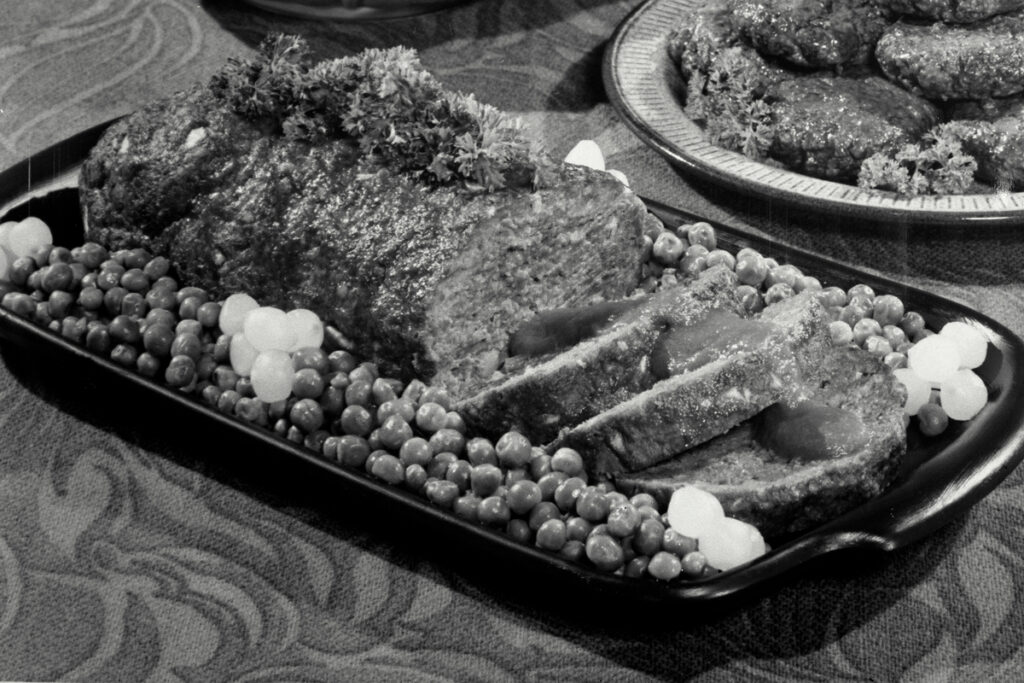
Meat was one of the most expensive items in a Depression-era household budget, so homemakers learned early on that it couldn’t be the centerpiece of every meal. Instead of serving whole cuts, they stretched small amounts of ground meat with inexpensive fillers including oats, breadcrumbs, cracker crumbs, cooked rice, or even grated vegetables such as carrots and onions.
A typical meatloaf might contain as much filler as meat — sometimes more — but seasoning made it taste just as hearty and satisfying. This approach carried over into a wide range of dishes, such as casseroles bulked up with pasta or potatoes and hash made from finely chopped leftovers. Even a small portion of roast meat could be diced and stirred into gravy or sauce, allowing it to flavor an entire dish. The goal wasn’t to disguise the lack of meat, but to make sure everyone at the table left full.
In many ways, this strategy reshaped how meals were built. Rather than centering a dish around protein, cooks focused on combining textures and flavors to create something filling from modest ingredients. It’s a technique that still shows up today, especially in budget-conscious or plant-forward cooking.
— advertisement —
Saving Scraps and Reusing Food
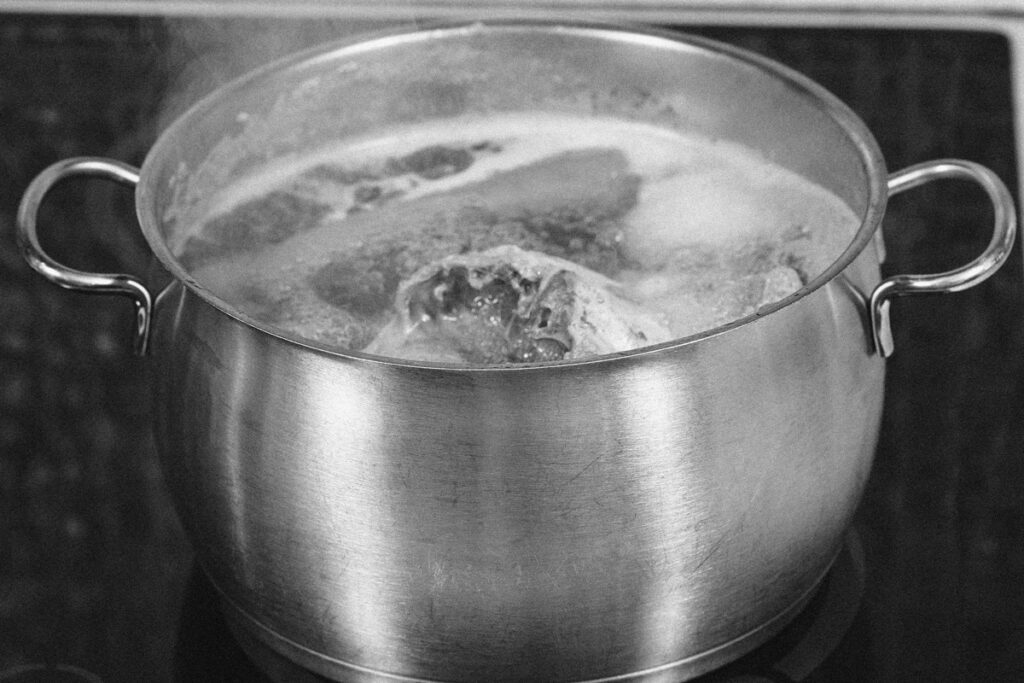
Wasting food wasn’t even a consideration during the Depression because every scrap had potential. Bones from roasts or poultry were saved and boiled for broth, sometimes more than once, extracting every bit of flavor before being discarded. Vegetable scraps such as onion skins, celery ends, and carrot peels were saved and added to stockpots, creating a rich base for soups and stews.
Stale bread became French toast or bread pudding, or was dried and crushed into breadcrumbs for future use. Vegetables that were wilted or soft were added to soups, and overripe fruit could be cooked down into sauces or preserves. What couldn’t be used immediately was often repurposed in another form.
Fat, in particular, was treated as a valuable resource. Bacon grease, chicken fat, and drippings from cooked meat were saved in tins and jars and reused for frying, baking, or flavoring vegetables. Coffee grounds were often brewed a second time for a weaker pot, then dried and used as a mild abrasive for scrubbing. This kind of frugality helped get the most out of everything that came into the kitchen.
— advertisement —
One-Pot Cooking for Efficiency
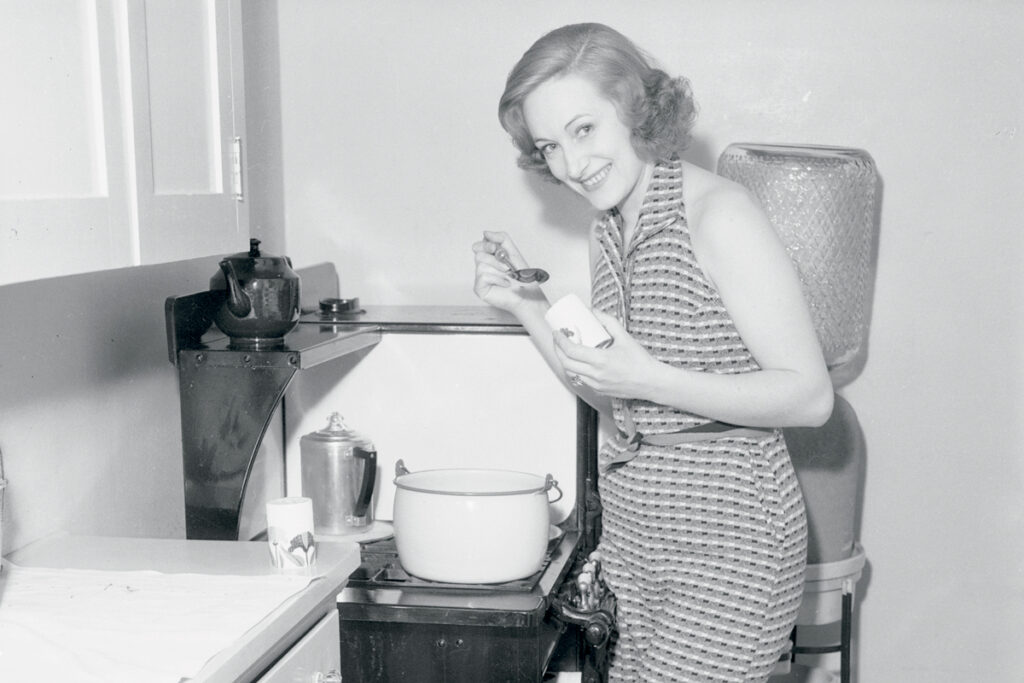
For Depression-era homemakers, efficiency was as important as thrift. One-pot meals were the go-to because they minimized fuel use, reduced cleanup, and made it easier to stretch ingredients into something substantial and filling that could last all week.
Soups, stews, and skillet meals allowed homemakers to build layers of flavor over time. Tough, inexpensive cuts of meat could simmer for hours until tender, while potatoes, beans, or dumplings helped bulk up the dish. Ingredients were often added in stages, depending on what needed to cook longer and what could be stirred in at the end.
These meals were also highly adaptable. Leftovers from previous days were frequently added to the pot, changing yesterday’s roast or vegetables into something entirely new. A stew might evolve over several days, with each reheating thickening the broth and deepening the flavor. It was a flexible, forgiving way of cooking that ensured that nothing went to waste.
Relying on Pantry Staples
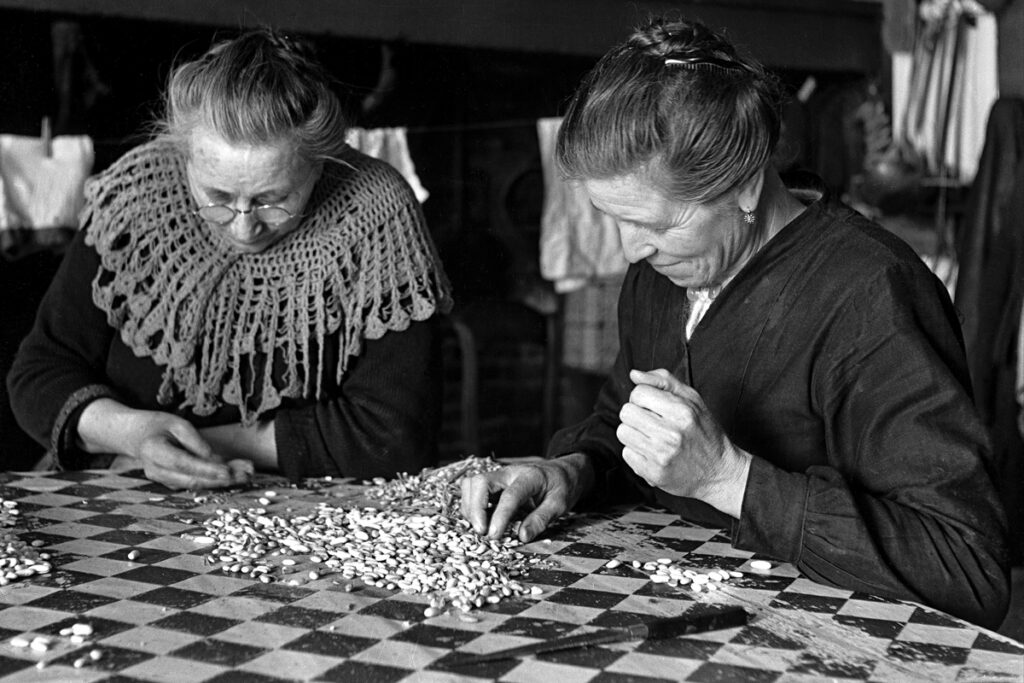
With fresh ingredients sometimes hard to come by, pantry staples became the foundation of daily cooking. Beans, lentils, and grains such as barley or cornmeal were affordable, filling, and had a long shelf life.
Dried beans were often soaked overnight to reduce cooking time and conserve fuel, then simmered into soups or served as a main dish. Cornmeal could be transformed into everything from soft mush to crisp fried cakes or cornbread. Barley added heartiness to soups, while rice stretched meals and absorbed flavors from whatever it was cooked with. Leftovers were transformed into endless options. Cooked grains might be reheated, fried, or mixed with other ingredients to create a completely different dish the next day.
— advertisement —
Growing, Foraging, and Preserving
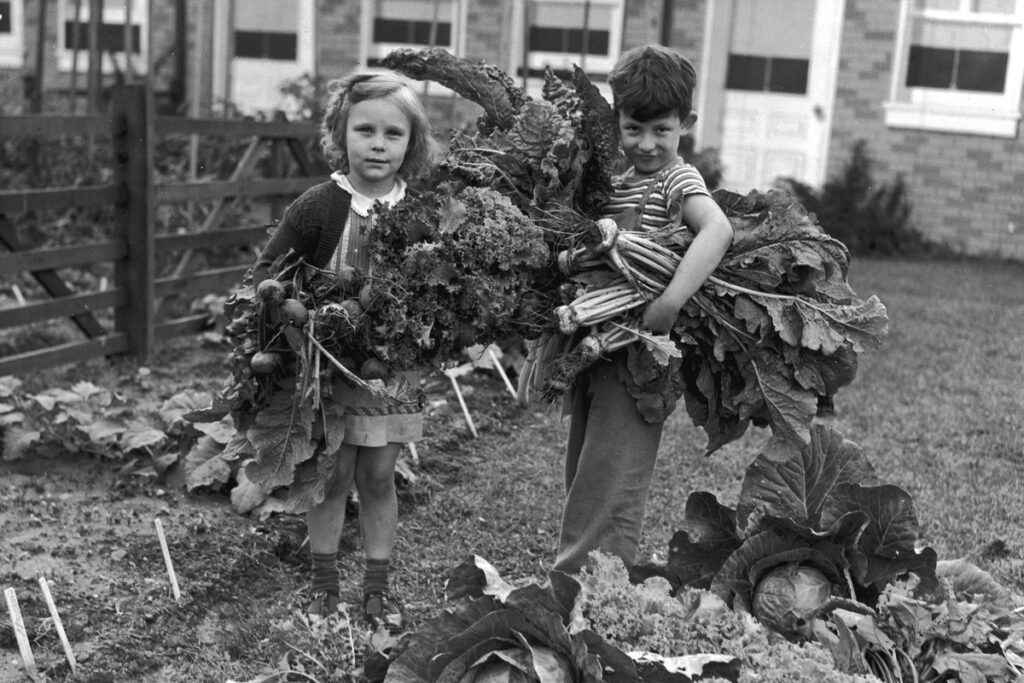
Whenever possible, families supplemented their kitchens by growing their own food, a tradition that continued after the Depression as World War II “victory gardens” gained popularity. Backyard gardens provided vegetables such as beans, potatoes, cabbage, and tomatoes, while herbs added flavor without added cost. Neighbors could trade seeds, plants, and harvested vegetables, and even a small plot could make a difference to a household’s food budget.
Foraging also played a role, especially in rural areas. Wild berries, greens, and nuts were gathered when available, adding variety to otherwise simple meals. What couldn’t be used right away was preserved for later.
Canning, pickling, and drying were essential skills. Fruits and vegetables were stored in jars to last through the winter, while surplus harvests were turned into jams, relishes, or shelf-stable staples. These methods allowed families to make the most of what they had when it was available and ensured they would have something later, when it wasn’t.
Making Do With Substitutions
When key ingredients weren’t available, homemakers adapted. Creative substitutions became a defining feature of Depression-era cooking, particularly in baking. Cakes were made without eggs, milk, or butter, using pantry staples such as flour, sugar, cocoa, oil, vinegar, and baking soda. These “wacky cakes” were often mixed directly in the pan, cutting down on both ingredients and cleanup, and still produced moist, flavorful results.
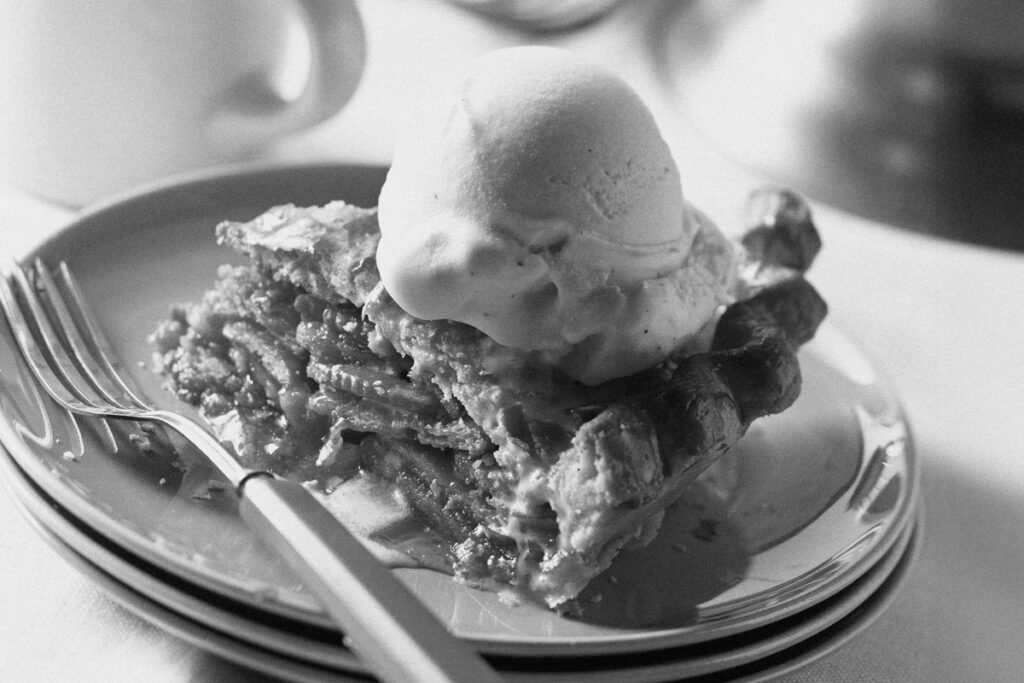
There were also “mock” recipes designed to mimic the taste and texture of more expensive dishes. Mock apple pie was made from crackers, sugar, cinnamon, and lemon, while mock cherry pie substituted cranberries or raisins for cherries. Other recipe variations included mock cream, a whipped cream substitute that used egg whites and gelatin; baked fake steak made from ground beef; and even mock chicken made from a tomato and egg, because it was more practical to keep chickens for eggs than to use them for meat.
These recipes are still shared today for their novelty, but they highlight the culinary problem-solving of homemakers who wanted to feed their families well but didn’t necessarily have the resources to do it.