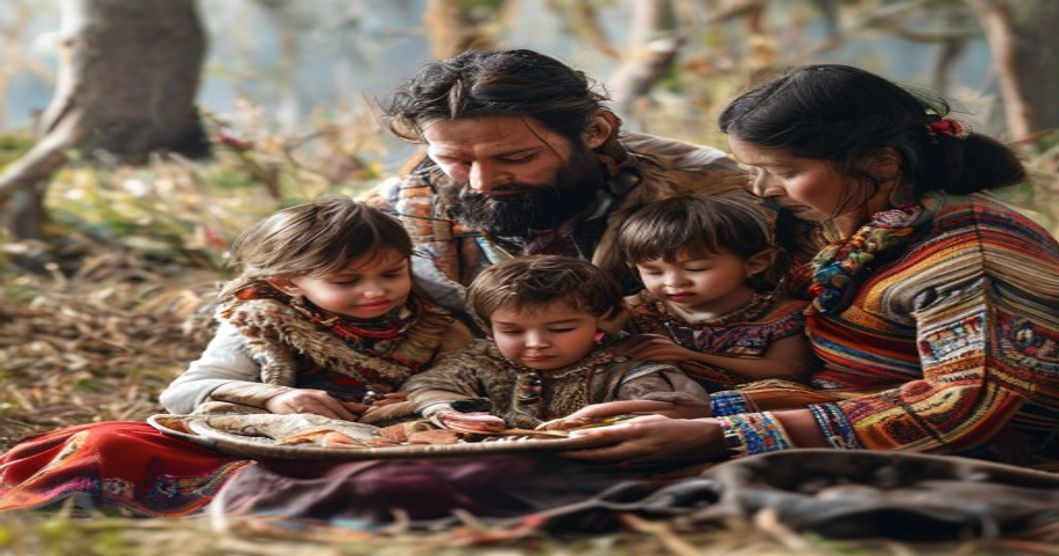
Core Frameworks of Sami Parenting and Indigenous Family Values
The Sami parenting model operates on centuries-old ecological and social principles that prioritize harmony between human development and Arctic environments. At the heart of this system lies a structured approach to child-rearing where Indigenous family values function as both cultural preservation mechanisms and psychological scaffolding for youth. Unlike Western nuclear-family paradigms, Sami households historically distribute caregiving responsibilities across extended kinship networks, creating a resilient support architecture that mitigates isolation and reinforces communal accountability.
Intergenerational Knowledge Transfer as a Cultural Imperative
Sami child rearing traditions are fundamentally rooted in continuous oral transmission. Elders serve as primary pedagogical figures, encoding survival techniques, ecological calendars, and ethical frameworks into daily interactions. This intergenerational knowledge transfer operates through immersive storytelling, seasonal labor participation, and guided problem-solving rather than formal instruction. Research on Indigenous pedagogy confirms that such mentorship models accelerate cognitive flexibility in children while strengthening cultural identity markers.
Nature-Based Upbringing and Ecological Literacy
Nature-based parenting in Sami communities treats the landscape as an active co-educator. From early childhood, young learners navigate tundra ecosystems, track reindeer migration patterns, and interpret weather shifts using traditional ecological knowledge (TEK). This constant environmental engagement cultivates spatial reasoning, risk assessment, and adaptive resilience. Modern developmental psychologists increasingly recognize that Sami family values align with biophilic learning theories, demonstrating how sustained wilderness interaction reduces stress biomarkers and enhances executive functioning.
Collective Responsibility and Extended Kinship Networks
The siida system historically organized Sami social life around cooperative resource management and shared childcare. Parenting was never an isolated domestic task but a community-wide endeavor requiring mutual aid, resource pooling, and collective discipline. Contemporary studies indicate that this distributed caregiving model fosters higher emotional security in children while reducing parental burnout. The cultural expectation that all adult kin contribute to youth development remains a defining feature of Sami parenting ethics.
Operationalizing Traditional Practices in Contemporary Sami Households
Modernization, climate change, and urban migration have forced adaptive recalibrations within Sami cultural heritage preservation efforts. Yet core mechanisms of child development persist through deliberate cultural engineering. Families actively reconstruct traditional frameworks using digital archives, community schools, and policy advocacy to maintain linguistic and behavioral continuity.
Language Revitalization as a Daily Parenting Priority
Linguistic transmission remains the most critical axis of Sami family values. Parents intentionally enforce mother-tongue usage at home despite external Swedish, Norwegian, or Finnish dominance. Language acquisition is treated as cultural citizenship; vocabulary related to reindeer husbandry, snow conditions, and ancestral geography is prioritized over standardized curricula. This deliberate linguistic insulation has proven effective in slowing language shift metrics and strengthening youth attachment to Indigenous epistemologies.
Skill Acquisition Through Participatory Learning
Rather than segregated extracurricular activities, Sami parenting integrates skill-building into routine household operations. Children learn leatherworking, snow-shoe crafting, and traditional food preservation through scaffolded assistance rather than direct correction. This apprenticeship-style pedagogy cultivates autonomy, fine motor development, and practical problem-solving. Educational anthropologists note that such embedded learning reduces dependency on institutional validation while reinforcing self-efficacy.
Navigating Cultural Continuity in Urbanized Contexts
Relocation to urban centers has fragmented traditional settlement patterns, yet Sami family values adapt through strategic cultural anchoring. Families utilize weekend gatherings, seasonal festivals, and digital kinship networks to replicate rural caregiving rhythms. Community-based mentorship programs replace geographic proximity with intentional connection. These adaptations demonstrate that Sami parenting is not geographically bound but functionally replicable through deliberate cultural maintenance.
Psychological and Societal Outcomes of Sami Family Values
The long-term impact of Indigenous child-rearing frameworks extends beyond cultural preservation into measurable developmental outcomes. Longitudinal studies on Arctic Indigenous populations reveal distinct psychological profiles shaped by consistent exposure to traditional Sami family values.
Identity Formation and Intergenerational Resilience
Youth raised within structured Sami parenting environments exhibit higher cultural pride scores and lower identity diffusion rates. The continuous reinforcement of ancestral narratives provides cognitive anchors that buffer against marginalization stressors. This resilience mechanism operates through narrative identity construction, where children internalize historical survival successes as personal psychological assets rather than abstract heritage.
Emotional Regulation Through Cultural Rituals
Ritualized practices such as joik singing, seasonal blessing ceremonies, and communal meal sharing function as emotional regulation tools. These structured cultural interventions teach breath control, rhythmic synchronization, and collective empathy. Neurodevelopmental research indicates that rhythmic cultural engagement strengthens vagal tone and improves stress recovery metrics in children, validating traditional Sami family values as functional psychological infrastructure.
Adapting Indigenous Child-Rearing Models to Globalized Education Systems
Contemporary educators increasingly integrate Sami parenting principles into mainstream curricula to address rising youth anxiety and attention fragmentation. Place-based learning, intergenerational mentoring, and ecological literacy modules directly borrow from Sami pedagogical frameworks. This cross-cultural borrowing demonstrates that Indigenous family values offer scalable solutions for modern developmental challenges while preserving cultural specificity.
“`html
Frequently Asked Questions
What is Sami Parenting Traditions and Family Values?
Sami parenting traditions and family values refer to the cultural practices, beliefs, and child-rearing methods of the Sámi people, the indigenous population of Sápmi, a region spanning northern Norway, Sweden, Finland, and Russia’s Kola Peninsula. These traditions emphasize a deep connection to nature, the importance of reindeer herding, oral storytelling, multilingualism, and strong intergenerational bonds. Sámi families traditionally raise children to respect the environment, value community cooperation, preserve the Sámi language, and honor ancestral knowledge passed down through generations.
Key facts about Sami Parenting Traditions and Family Values
Key facts about Sámi parenting traditions and family values include: (1) Children are taught from an early age to be self-reliant, resilient, and comfortable in harsh Arctic conditions; (2) Parenting is a collective effort involving extended family members and the wider community, not just the nuclear family; (3) The Sámi language is actively preserved through daily use at home, in early childhood education, and cultural programs; (4) Reindeer herding plays a central role in family life, with children learning animal husbandry and land stewardship through hands-on participation; (5) Oral tradition, including yoik (traditional Sámi singing), myths, and folktales, serves as the primary vehicle for transmitting moral lessons and cultural identity; (6) Respect for nature and sustainable living are core ethical pillars taught to every child; (7) Despite historical assimilation policies and colonial pressures, Sámi families have worked tirelessly since the late 20th century to revive and protect their parenting customs and family-centered cultural practices.
“`