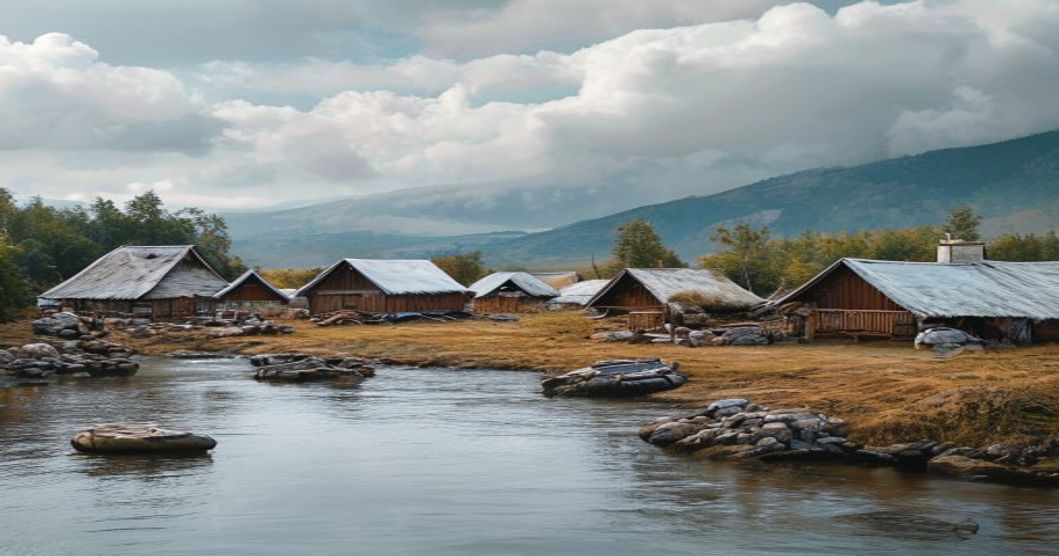
Understanding the Foundations of Ethical Sami Tourism
The modern travel landscape in Sápmi requires a fundamental shift toward models that prioritize indigenous sovereignty over commercial extraction. Ethical tourism in northern Fennoscandia is not merely about visiting remote landscapes; it is about engaging with the living heritage of the Sámi people, whose ancestral territories span Norway, Sweden, Finland, and Russia.
Defining Indigenous Rights and Cultural Sovereignty
Responsible travel begins with acknowledging that Sámi land rights are legally protected under international frameworks like ILO Convention 169 and the UN Declaration on the Rights of Indigenous Peoples. Tour operators and independent travelers must recognize that Sámi communities hold exclusive authority over cultural narratives, traditional grazing lands, and heritage documentation. Unauthorized commercialization of Sami rituals or sacred geography violates both ethical travel standards and national conservation laws.
The Role of Reindeer Herding and Traditional Knowledge
At the core of Sámi ecological wisdom lies reindeer husbandry, a practice refined over millennia to maintain fragile tundra and boreal forest ecosystems. Ethical tourism programs integrate this knowledge by offering guided experiences that explain seasonal migration routes, lichen foraging techniques, and climate adaptation strategies. Travelers benefit from direct mentorship while ensuring that commercial activities do not disrupt critical calving grounds or winter pastures essential for herd survival.
Core Principles for Responsible Travel in Sápmi
Implementing responsible Arctic travel requires adherence to structured guidelines that balance visitor access with cultural preservation. The following principles establish a framework for minimizing harm while maximizing mutual benefit between guests and host communities.
Prioritizing Community Consent and Local Leadership
Legitimate tourism initiatives operate only with explicit community consent and are directed by Sámi advisory boards. Independent travelers should verify that tour providers employ indigenous staff in decision-making roles rather than relegating them to service positions. Contracts, marketing materials, and itinerary designs must reflect locally approved narratives, ensuring that cultural representation remains accurate and self-determined.
Minimizing Environmental Footprints in Arctic Ecosystems
The Sápmi biosphere faces accelerating pressures from climate change and infrastructure development. Ethical operators enforce strict waste management protocols, limit vehicle access to designated trails, and utilize low-impact transportation methods such as snowmobiles with electric conversions or traditional ski-based travel. Visitors must comply with Leave No Trace principles adapted for permafrost regions, where vegetation recovery takes decades.
Navigating Cultural Interactions with Authenticity and Respect
Meaningful engagement with Sámi cultural heritage demands deliberate behavioral adjustments and educational preparation. Tourists who approach these encounters with structured respect contribute to long-term cultural continuity rather than accelerating commodification.
Understanding Noaidi Traditions and Sacred Sites
The Sámi spiritual framework includes noaidi (shamanic practices) and veneration of sacred stones, mountains, and waterfalls. Responsible travelers maintain strict distance from marked ceremonial locations, avoid recording restricted rituals, and refrain from purchasing artifacts claimed to be spiritually charged. Educational briefings provided by indigenous guides clarify which cultural elements are public heritage versus protected community knowledge.
Engaging with Sami Craftsmanship and Duodji Artisans
Duodji, the recognized Sámi handicraft tradition, represents both economic sustainability and cultural identity. Ethical tourism connects visitors directly with certified duodji makers who use traditional tools, native reindeer leather, and silverwork techniques passed through generations. Travelers should verify authenticity through official marks like the Sámi Duvddu certification seal, ensuring fair wages reach artisans rather than mass-produced souvenir manufacturers.
Economic Impact vs. Cultural Appropriation in Tourism Markets
The financial dynamics of indigenous tourism development often create tension between revenue generation and cultural preservation. Sustainable models require transparent economic structures that prevent exploitation while funding community-led initiatives.
SupportingFrequently Asked Questions
What is Ethical Tourism in Sami Communities?
Ethical tourism in Sami communities refers to responsible travel practices that respect and preserve the culture, environment, and livelihoods of the indigenous Sami people. It emphasizes fair compensation for local guides, cultural sensitivity, environmental conservation, and supporting community-led initiatives rather than exploitative or commercialized tourism.
Key facts about Ethical Tourism in Sami Communities
Key facts include: tourism activities should be approved by local Sami councils; traditional reindeer herding and crafts are central to authentic experiences; visitors must obtain consent before photographing individuals or sacred sites; revenue should directly benefit community development; and sustainable practices help protect the fragile Arctic ecosystem from over-tourism.
Frequently Asked Questions
What is Ethical Tourism in Sami Communities?
Ethical tourism in Sami communities refers to responsible travel practices that respect and preserve the culture, environment, and livelihoods of the indigenous Sami people. It emphasizes fair compensation for local guides, cultural sensitivity, environmental conservation, and supporting community-led initiatives rather than exploitative or commercialized tourism.
Key facts about Ethical Tourism in Sami Communities
Key facts include: tourism activities should be approved by local Sami councils; traditional reindeer herding and crafts are central to authentic experiences; visitors must obtain consent before photographing individuals or sacred sites; revenue should directly benefit community development; and sustainable practices help protect the fragile Arctic ecosystem from over-tourism.