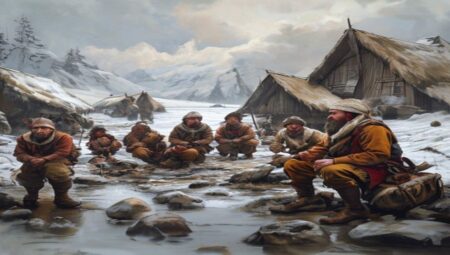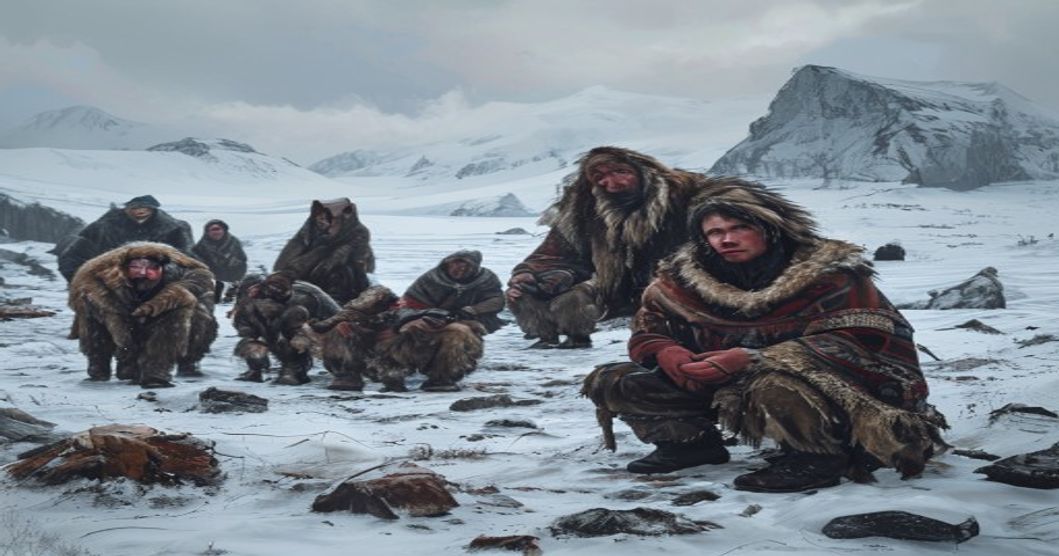
Origins and Geographic Distribution of the Sami People
The Sami people, recognized as the only indigenous population of Northern Europe, inhabit a vast region known as Sapmi that spans across four sovereign nations: Norway, Sweden, Finland, and Russia’s Kola Peninsula. Historical and archaeological evidence indicates that their ancestors migrated into Arctic Scandinavia between 4000 and 2000 BCE, adapting to extreme subarctic conditions long before the establishment of modern border systems. Today, approximately 80,000 to 100,000 Sami individuals maintain active cultural ties to their ancestral lands, with significant communities concentrated in Finnmark, Troms, and Lapland regions where traditional livelihoods remain economically viable.
Historical Migration Patterns
Archaeological findings from the Komsa and Nøstvet cultures reveal that early Sami groups utilized a mixed economy of coastal fishing, forest hunting, and seasonal reindeer domestication. Unlike later pastoral nomadism, these ancient populations practiced transhumance, moving between sheltered wintering grounds and inland summer pastures to optimize resource availability in harsh climates. This migration strategy required precise astronomical observations and wind pattern analysis to navigate featureless tundra environments.
Traditional Livelihoods and Reindeer Herding Secrets
Reindeer herding remains the cornerstone of traditional Sami livelihoods, representing not merely an economic activity but a deeply integrated ecological system. Expert herders identify over 40 distinct reindeer coat colors and utilize seasonal migration routes that span hundreds of kilometers, guided by ancestral knowledge passed through generations. The practice relies on understanding lichen growth cycles, snow compaction levels, and predator behavior to ensure herd survival without artificial intervention.
Sustainable Arctic Survival Techniques
Historical Sami communities developed advanced thermal regulation methods using reindeer hides, birch bark, and compacted snow architecture. The lavvu (traditional conical tent) utilizes a central fire vent system that maintains internal temperatures above freezing while preventing smoke accumulation through precise airflow calculations. Herders also practice natural antler regeneration cycles, allowing male reindeer to shed and regrow antlers in precise seasonal windows for optimal nutritional value and calcium balance.
Linguistic Heritage and Cultural Expression
The Sami languages constitute a Uralic language family comprising ten recognized dialects, with Northern Sami serving as the primary written standard. These languages feature extensive vocabulary related to reindeer husbandry, snow conditions, and tundra flora, reflecting centuries of environmental observation. Grammar structures rely heavily on case systems that denote direction, location, and instrumentality, enabling precise navigation descriptions across featureless Arctic landscapes without compass dependency.
The Joik Tradition and Oral History
Traditional joik singing functions as a non-narrative musical form that evokes the essence of a person, place, or animal rather than describing it. Performers utilize microtonal vocal techniques, breath control, and rhythmic drum patterns to create auditory maps of the territory. This oral tradition preserves ecological data, migration timelines, and clan genealogies without relying on written documentation, ensuring cultural continuity across generations.
Modern Challenges and Cultural Preservation Efforts
Contemporary Sami communities face significant pressures from climate change, industrial extraction projects, and agricultural expansion across Sapmi. Rising temperatures disrupt lichen pastures, alter reindeer migration corridors, and increase parasite loads in herds. In response, indigenous governance councils have established cross-border monitoring programs that combine satellite tracking with traditional ecological knowledge to adapt herding practices.
Political Recognition and Language Revitalization
National governments have gradually recognized Sami parliamentary bodies, granting legal consultation rights over land use and resource management. Educational initiatives now integrate Sami language immersion programs into primary curricula across all four nations, while digital archives document traditional craftsmanship techniques including duodji (handicraft) metalwork, woodcarving, and textile weaving. International frameworks, including UNDRIP, continue to strengthen legal protections for indigenous land rights and cultural intellectual property.
Hidden Facts About Sami People and Arctic Life: FAQ
What is Hidden Facts About Sami People and Arctic Life?
“Hidden Facts About Sami People and Arctic Life” refers to the lesser-known cultural practices, historical resilience, and unique ecological adaptations of the indigenous Sami people who inhabit the Arctic regions of Norway, Sweden, Finland, and Russia.
Key facts about Hidden Facts About Sami People and Arctic Life
Key facts include the Sami’s traditional reindeer herding economy, the preservation of the Ume Sami language, their deep spiritual connection to nature through Noaidi traditions, and their innovative use of Arctic flora for medicine and clothing, all while navigating modern geopolitical boundaries and climate change impacts.