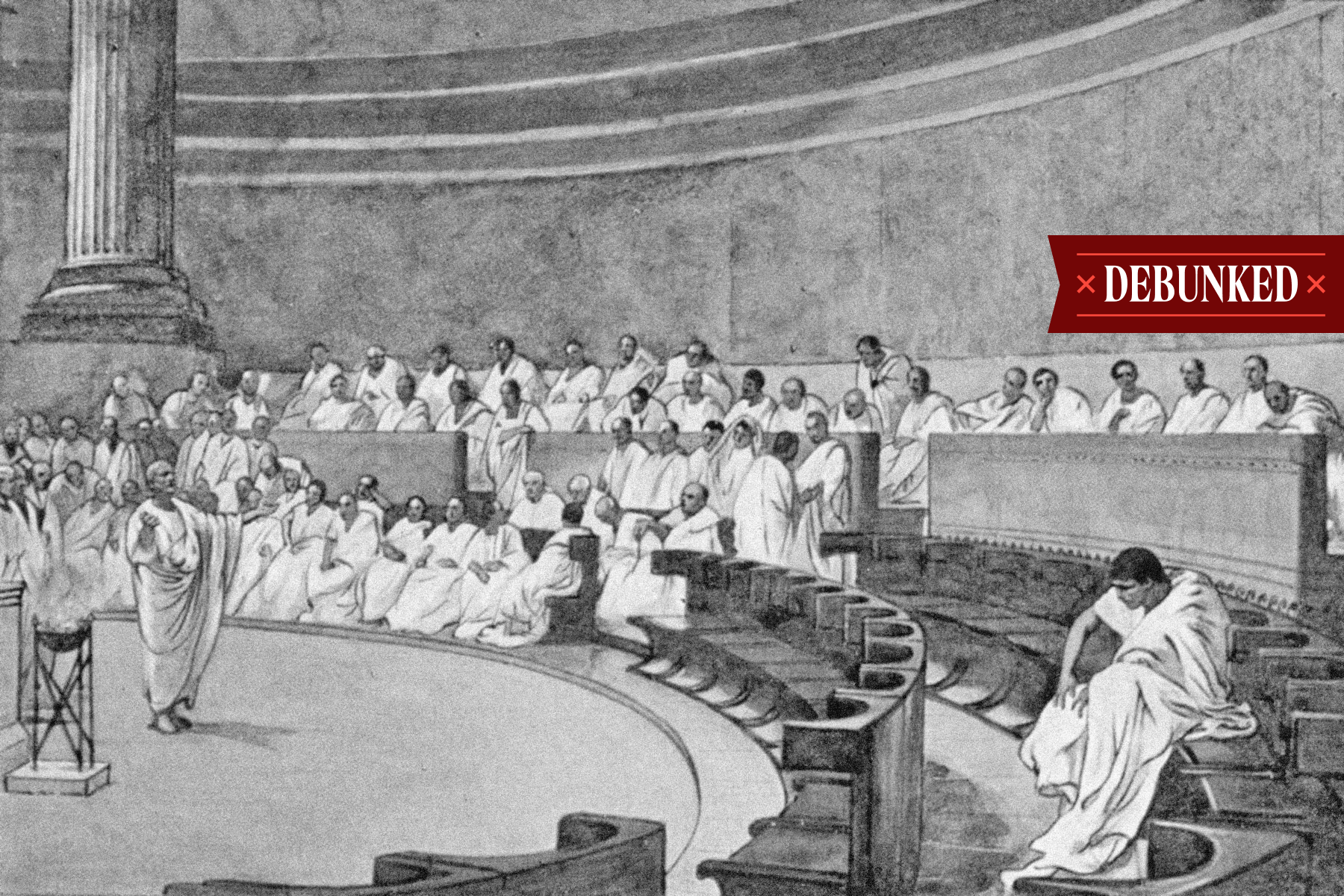
Ancient Rome spanned far beyond a single era of togas and grand feasts. Its story unfolds from the legendary founding in 753 BCE to the Western Empire’s collapse in 476 CE, encompassing the Kingdom, the Republic, and the Empire. Each phase carried distinct political structures and cultural developments. The Empire, which began with Augustus in 27 BCE, marked Rome’s apex as it stretched across three continents and solidified its status as a dominant power. Today’s popular imagery often misrepresents centuries of complexity, geography, and transformation that defined this civilization.
In exploring common misconceptions, we can begin to glimpse the nuanced panorama of Roman history, including how the East endured as the Byzantine Empire after 330 CE and how its influence persisted into modern cultures and religions. These nuanced threads weave a richer picture than the simplifications that commonly circulate in popular narratives.
Myth: The Roman Empire Fell in 476 CE
When people refer to the fall of the Roman Empire, they’re usually speaking of the Western portion, which formally ended in 476 CE when Romulus Augustulus was deposed by Odoacer. Yet the Eastern Roman Empire, known as the Byzantine Empire, persisted much longer after that milestone—originating in 330 CE under Constantine I at Byzantium and continuing until Constantinople’s fall in 1453. This eastern realm fostered a diverse culture that influenced regions such as Greece, Romania, and Russia, enduring far beyond the Western decline.
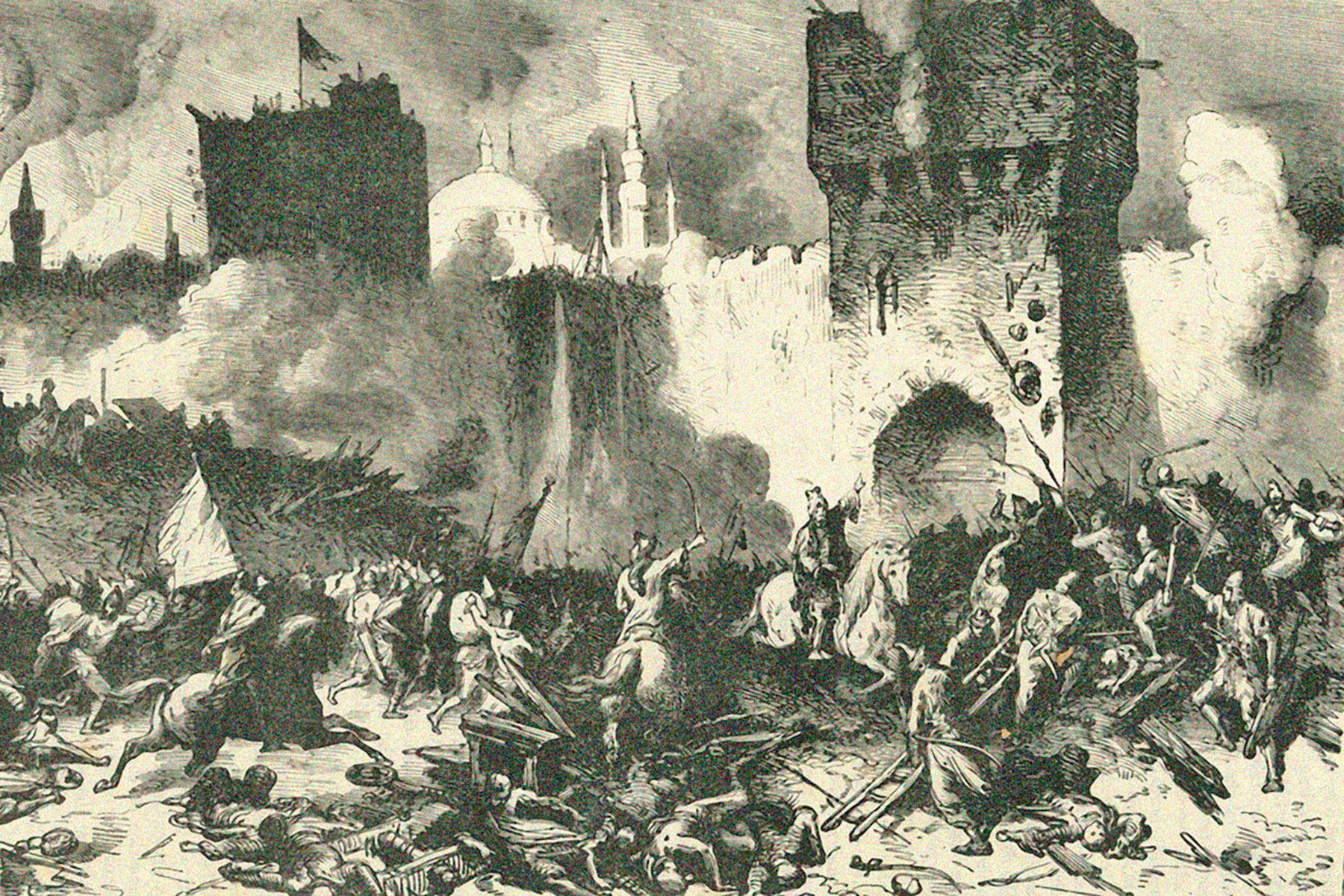
Ultimately, the tale of Rome extends beyond a single collapse; it is a story of two destinies—the Western decline and the Eastern continuity—that together shaped medieval and later eras.
Myth: Togas Were Always White, and They Were Worn by Everyone
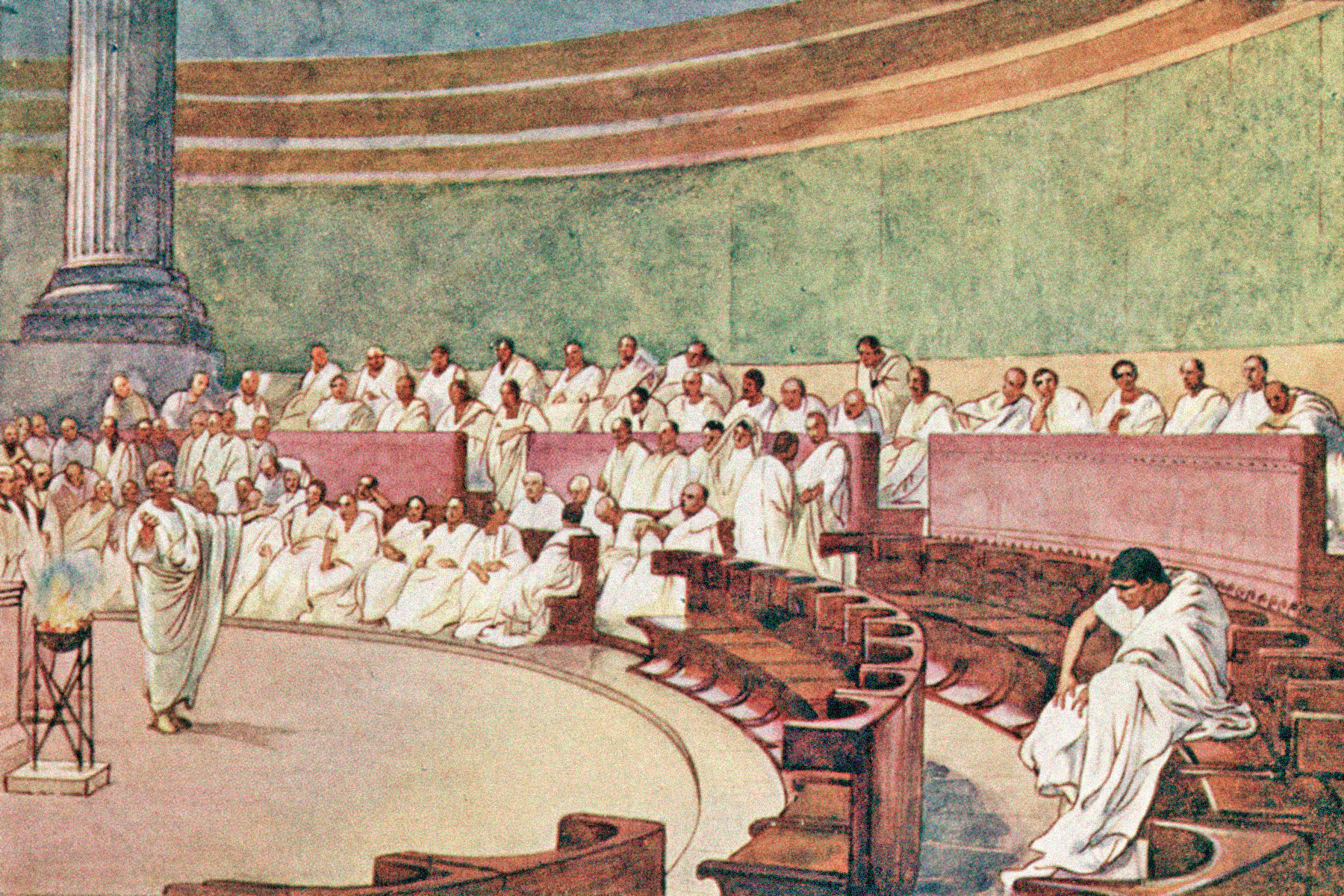
Classical depictions often show the toga as a long, white wrap. In reality, the garment’s usage was more intricate. Virtually any citizen could wear an undyed white toga, but variations with colors, stripes, and designs signified social status or specific roles. Over time, the toga became more ceremonial and less common in everyday life. Under Augustus, a toga signified civic participation in public spaces like the forum or theater, marking citizens from noncitizens and indicating class distinctions. This enduring association with Roman identity reflects a nuanced wardrobe system rather than a uniform fashion worn by all.
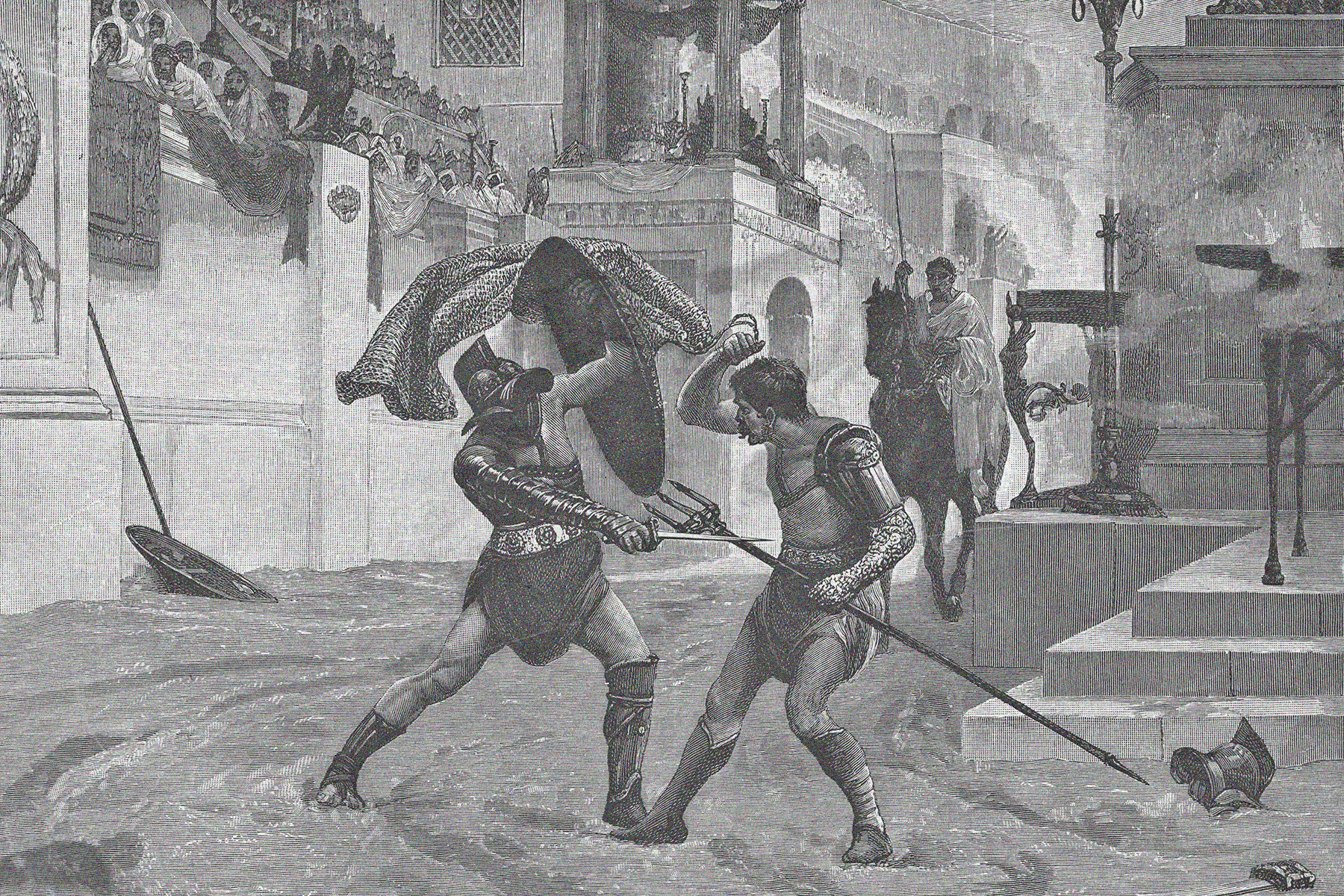
Myth: Gladiator Battles Were Always Deadly
Celebrated in cinema, gladiator combat was likely less lethal than popularly imagined. While danger and fatalities did occur, such spectacles were carefully managed, in part because skilled fighters were valuable assets. The empire built around 100 gladiator schools to train and house participants, who could come from varied backgrounds, including slaves, prisoners of war, and free people—a broad spectrum that sometimes included women. Gladiators benefited from medical care and public adulation. Most matches did not end in death; historians estimate that only a minority of arena battles proved fatal.
Myth: The Marble Statues of Ancient Rome Were White
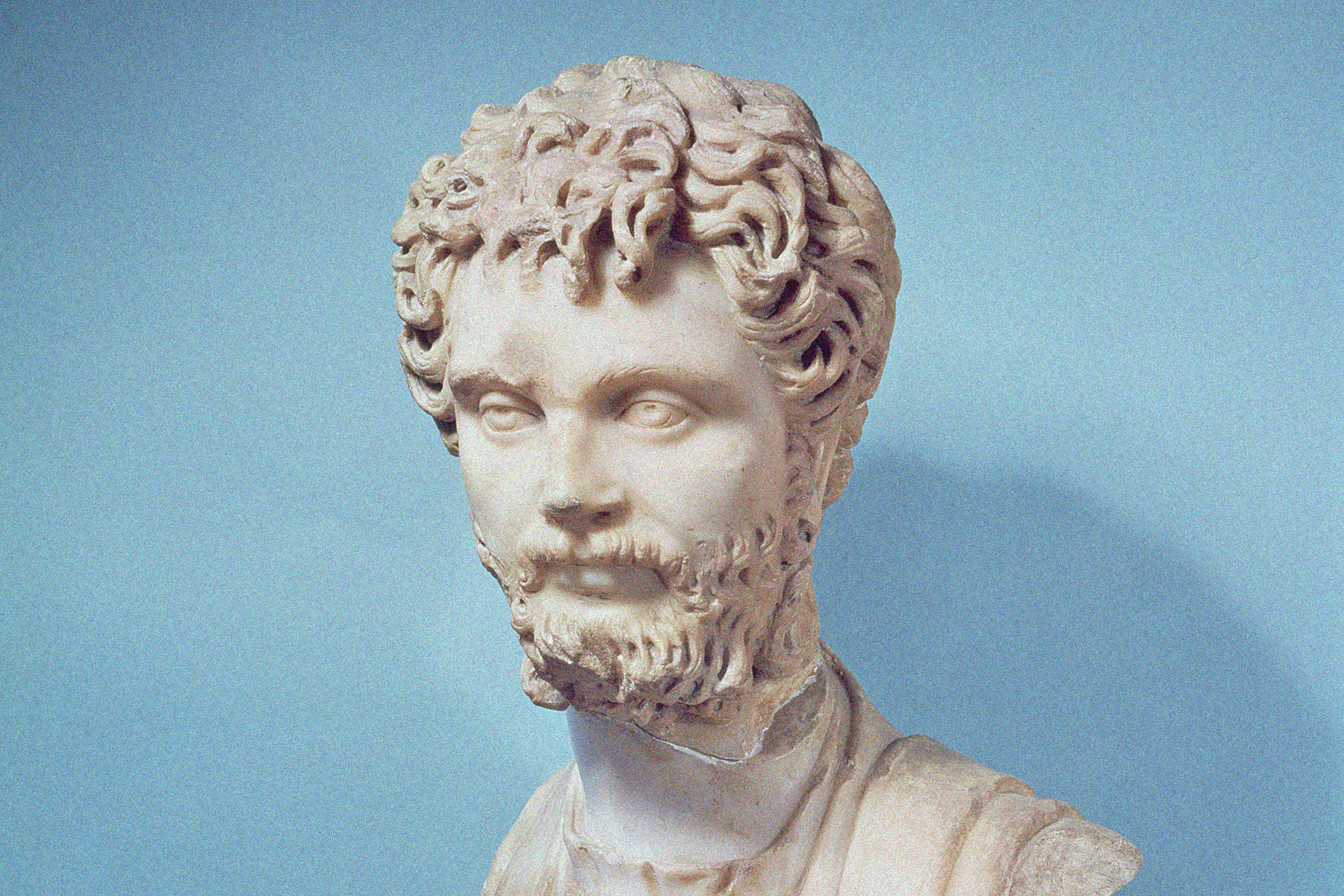
The iconic white statues of Rome owe much to later rediscoveries when polychromy—the use of multiple colors on sculpture—had worn away. Modern analysis with imaging reveals traces of pigments that once colored these works, offering a more vivid reconstruction of Roman aesthetics. For example, pigments found on ancient statues and artifacts expose a world of vivid clothing and ornamentation that challenges the perception of a monochrome past.
Rediscoveries and restorations illuminate how polychromy enriched Roman art, allowing researchers to reconstruct designs and better understand cultural expressions from the era.
Myth: The Salute Associated With Fascism Comes From Ancient Rome
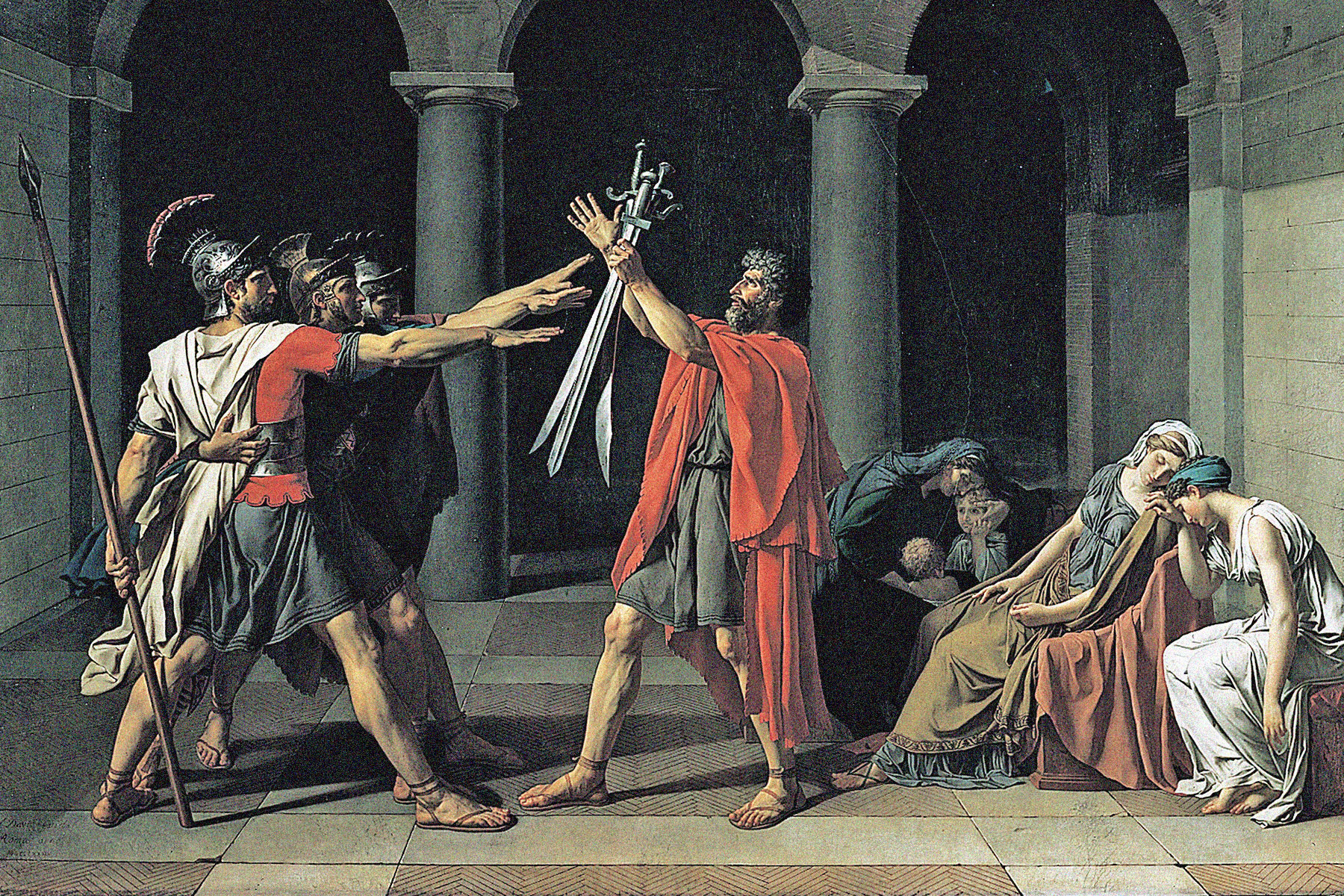
The so-called Roman salute—the raised-arm gesture linked to fascist movements—lacks any documentation in ancient Rome. Its roots lie in later artistic representations, beginning with a painting from 1784 and reappearing in 19th- and 20th-century media and performances. The gesture was adopted and adapted by modern regimes, but there is no historical basis for its use in antiquity. The myth has grown from artistic reinterpretations rather than from surviving Roman records, illustrating how symbols travel and morph across time.