Frequently Asked Questions
What is Traditional Sami Conflict Resolution?
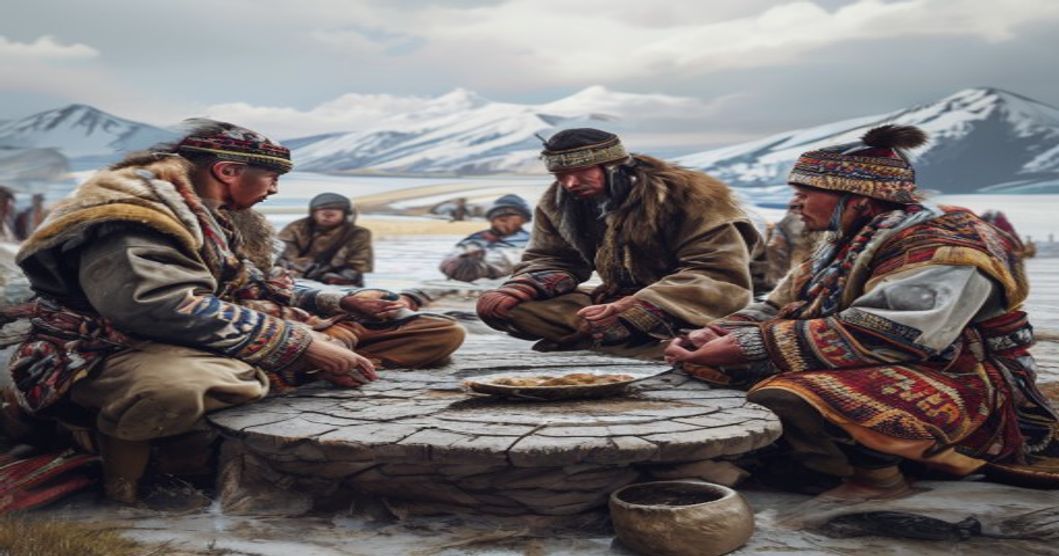
Traditional Sami conflict resolution refers to the indigenous mediation practices and customary laws historically used by the Sámi people across northern Scandinavia and Russia to settle disputes, restore social harmony, and maintain community cohesion. These processes traditionally rely on dialogue, consensus-building, and the guidance of respected elders or spiritual leaders, prioritizing reconciliation and restorative justice over punitive measures.
Key facts about Traditional Sami Conflict Resolution
Key facts include its foundation in oral tradition and collective memory, the historical use of the gula (Sámi assembly) for legal proceedings, the integration of cultural elements like joik (traditional chanting) and duodji (craft) for emotional healing, and its deep emphasis on restoring balance between individuals, the community, and the natural environment. Despite historical suppression, these practices are currently undergoing a significant cultural revitalization across Sápmi.