The Spiritual Framework of Sámi Death Beliefs
The Concept of the Soul and the Afterlife
Within Sami funeral traditions, death is recognized as a transitional passage rather than a final cessation, where the spirit initiates a peaceful journey of souls across the Arctic expanse. Indigenous Sámi spiritual beliefs traditionally divide the human essence into multiple components: the physical body returns to the earth, the breath-soul travels toward natural sanctuaries or ancestral hunting grounds, and the memory-soul remains tethered to communal spaces where oral histories are preserved. Historically, indigenous death rituals were synchronized with seasonal transitions, ensuring that burial timing aligned with reindeer migration patterns and forest ecology. Elders emphasized that lingering attachments could disturb spiritual equilibrium, which is why structured mourning periods allowed gradual emotional release rather than abrupt separation.
Traditional Burial Practices and Sacred Sites
Grave Construction and Natural Materials
Sámi burial customs historically utilized locally sourced materials to honor ecological reciprocity. Graves were typically excavated in elevated, wind-exposed terrain or near sacred lakes to facilitate natural drainage and symbolic elevation toward the sky. Coffins, when constructed, were crafted from untreated spruce or pine, left unfinished to allow organic decomposition. In coastal and mountainous regions, traditional Sámi mourning practices involved stone cairns (duottargrávdá) placed over burial pits, serving as both markers and windbreaks for visiting kin. Soil composition, moss placement, and directional alignment followed ancestral knowledge passed through generations, ensuring that each grave integrated seamlessly into the surrounding landscape while maintaining spiritual accessibility for returning visits.
Mourning Rituals and Communal Observances
Grief Expression and Reindeer Herding Connections
Reindeer herding funeral rites played a central role in processing loss across Sámi communities. When a herder passed away, the herd was temporarily divided, with a portion maintained by relatives to symbolize continued sustenance and economic stability. Mourning periods lasted up to one year, during which participants avoided festive gatherings, wore undyed wool garments, and observed dietary restrictions that prioritized simplicity over indulgence. Communal feasts were held at specific intervals, featuring boiled reindeer meat, cloudberries, and fermented dairy, reinforcing social cohesion while honoring the departed’s labor. Vocal lamentations (luohti) performed by women carried structured poetic rhythms, allowing grief to be articulated through collective memory rather than isolated sorrow.
Symbolic Offerings and Ceremonial Objects
The Role of the Goavddis Drum and Traditional Attire
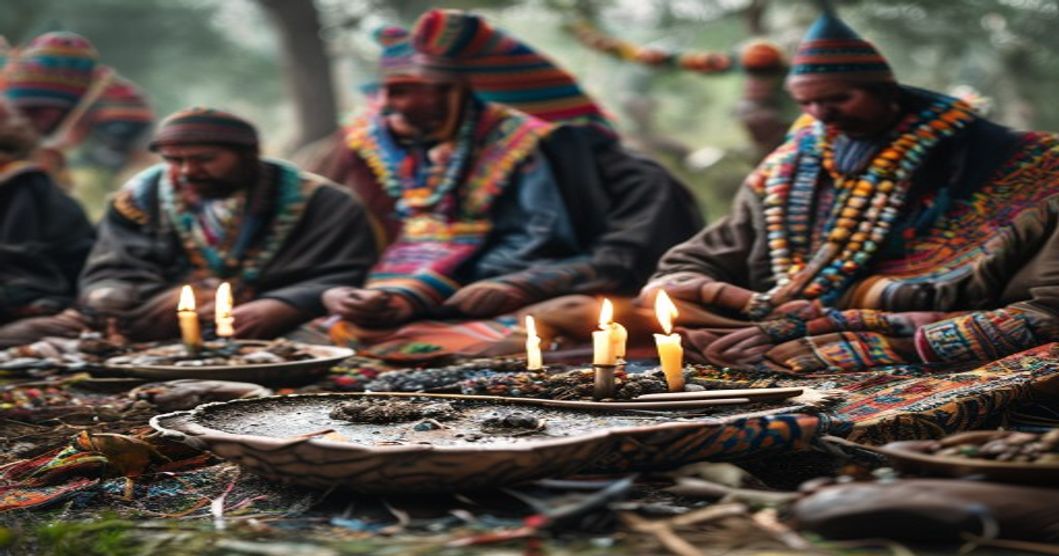
Ceremonial artifacts held profound significance within Sami funeral traditions. The goavddis drum, though historically restricted during Christianization, was occasionally referenced in memorial contexts to map spiritual geography, with painted symbols indicating the soul’s intended path. Traditional Sámi attire (gákti) worn by mourners featured specific color codes: black and deep blue denoted bereavement, while silver thread embroidery preserved ancestral craftsmanship even in mourning. Personal items of the deceased, such as knives, sewing tools, and reindeer-hide pouches, were either interred with the body or ritually removed to prevent spiritual entanglement. Offerings of salt, tobacco, and birch branches were placed at crossroads or forest edges, symbolizing safe passage and respect for boundary spirits.
Modern Adaptations and Cultural Preservation
Contemporary Sámi Funeral Practices and Legal Integration
Today, contemporary Sámi funeral practices balance ancestral customs with national legal frameworks and environmental regulations. Municipal authorities in Norway, Sweden, Finland, and Russia require standardized burial permits, yet Sámi communities retain the right to conduct pre-interment rituals on sacred land through cultural heritage protections. Modern memorials increasingly incorporate sustainable materials, biodegradable urns, and digital archiving of oral testimonies to ensure intergenerational continuity. Educational institutions and indigenous rights organizations now collaborate to document Sámi death rituals, emphasizing ecological stewardship, communal grief processing, and spiritual resilience. These efforts preserve the core philosophy that honoring the departed strengthens both cultural identity and environmental harmony for future generations.
Frequently Asked Questions About Sami Funeral Customs and Rituals
What is Sami Funeral Customs and Rituals?
Sami funeral customs and rituals refer to the traditional burial practices, mourning ceremonies, and spiritual beliefs of the Sámi people, an indigenous group inhabiting the northern regions of Norway, Sweden, Finland, and Russia. These customs are deeply intertwined with Sámi animism, shamanism, and respect for nature, emphasizing a peaceful transition of the soul to the afterlife.
Key facts about Sami Funeral Customs and Rituals
Key facts include the use of traditional joik songs to guide the deceased, burial in natural settings like forests or near water, the practice of placing personal belongings with the dead, and community gatherings that last several days to honor the departed. Historically, Sámi rituals also involved noise-making to frighten away evil spirits, and modern practices often blend indigenous traditions with Christian influences.