The Origins of Natural Food Pigments in Ancient Cuisines
Earth, Plants, and Early Dye Extraction Methods
Before the industrial synthesis of food dyes, culinary coloration relied entirely on botanical extracts, mineral compounds, and insect-derived pigments. Ancient Sumerians used saffron crocus for golden hues, while Egyptian tomb paintings document the use of madder root and weld to tint breads and sauces. Mesoamerican cultures extracted cochineal insects from opuntia cacti to produce carmine red, a pigment so valued it functioned as currency. European medieval kitchens filtered spinach chlorophyll for green tints and roasted beetroot anthocyanins for deep magenta glazes. These early colorants lacked chemical consistency, requiring skilled artisans to standardize pH levels and oxidation states. The historical evolution of food coloring remained stagnant until the nineteenth century, when agricultural surplus enabled large-scale pigment cultivation.
The Industrial Revolution and the Birth of Synthetic Food Colors
Mauveine, Aniline Dyes, and Mass Production Milestones
The synthetic food color industry emerged in 1856 when William Henry Perkin accidentally synthesized mauveine from coal tar derivatives. This breakthrough triggered a wave of aniline-based pigment development, including erythrosine, ponceau, and tartrazine. Victorian confectioners rapidly adopted these compounds because they offered unmatched brightness, thermal stability, and cost efficiency compared to botanical alternatives. By 1890, the United States and Britain saw unregulated dye manufacturing, leading to notorious adulteration cases like lead chromate in butter and copper arsenite in candy. Public health crises directly prompted the passage of the pure food and drug acts, which established the first legal frameworks for food additive regulation. The transition from coal-tar chemistry to standardized synthetic pigments fundamentally altered global food manufacturing.
Scientific Breakthroughs in Pigment Stability and Safety Testing
Chromatography, Spectroscopy, and the Standardization of Food Additives
The mid-twentieth century introduced rigorous analytical methods that transformed food pigment chemistry. High-performance liquid chromatography (HPLC) enabled precise isolation of individual dye molecules, while ultraviolet-visible spectroscopy quantified absorption peaks for regulatory approval. Scientists discovered that certain azo dyes could metabolize into carcinogenic aromatic amines under intestinal conditions, prompting the FDA to ban Red No. 2 and Blue No. 1 in 1976. Concurrently, researchers developed microencapsulation techniques using maltodextrin and gum arabic to protect light-sensitive compounds like beta-carotene and spirulina extract. These innovations extended shelf life, prevented phase separation in emulsions, and allowed manufacturers to maintain consistent chromatic stability across diverse food matrices.
Global Regulatory Frameworks and the Shift Toward Clean Labels
FDA, EFSA, and the Phase-Out of Controversial Dyes
Regulatory agencies now classify approved synthetic food colors into distinct categories based on toxicological profiles. The European Food Safety Authority (EFSA) mandates warning labels on products containing tartrazine, sunset yellow, and quinoline yellow due to observed hyperactivity links in pediatric populations. Conversely, the U.S. FDA maintains that certified FD&C dyes remain safe within established acceptable daily intake (ADI) limits. Both jurisdictions require batch-specific certification for water-soluble synthetic pigments, while naturally derived alternatives like beet red, paprika oleoresin, and annatto bypass this requirement through GRAS (Generally Recognized As Safe) pathways. Market demand for clean label food colorants has accelerated the replacement of artificial compounds with plant-based extracts, fungal mycelium pigments, and enzymatically converted carotenoids.
Modern Applications: From Culinary Arts to Functional Food Formulations
Biotech Fermentation, Algal Extracts, and Precision Color Matching
Contemporary food color technology leverages metabolic engineering to produce high-yield pigments without agricultural land use. Companies utilize engineered yeast strains to synthesize astaxanthin and lycopene at industrial scales, while microalgae cultivation facilities harvest phycocyanin for vibrant blue formulations. Culinary professionals employ colorimetric software and spectrophotometers to replicate exact hue coordinates across global supply chains. The integration of precision food pigmentation extends beyond aesthetics into functional applications, where anthocyanin-rich extracts serve as pH-responsive indicators in smart packaging, and chlorophyllin derivatives act as natural preservatives. Emerging research focuses on enzyme-mediated browning inhibition, light-protective wax coatings for produce, and AI-driven spectral matching to minimize waste in commercial kitchens.
Food used to derive its hues from natural pigments and what animals ate, not from marketing. Before industrial production and synthetic dyes became common in the 19th century, colors came largely from real ingredients and the processing methods applied to them. As synthetic dyes appeared, colorant use spread quickly, reshaping expectations about how food should look. By the early 20th century, color in foods had become a staple, and today’s familiar shades often diverge from their natural origins. Here’s how seven well-known foods looked before modern coloring changed them.
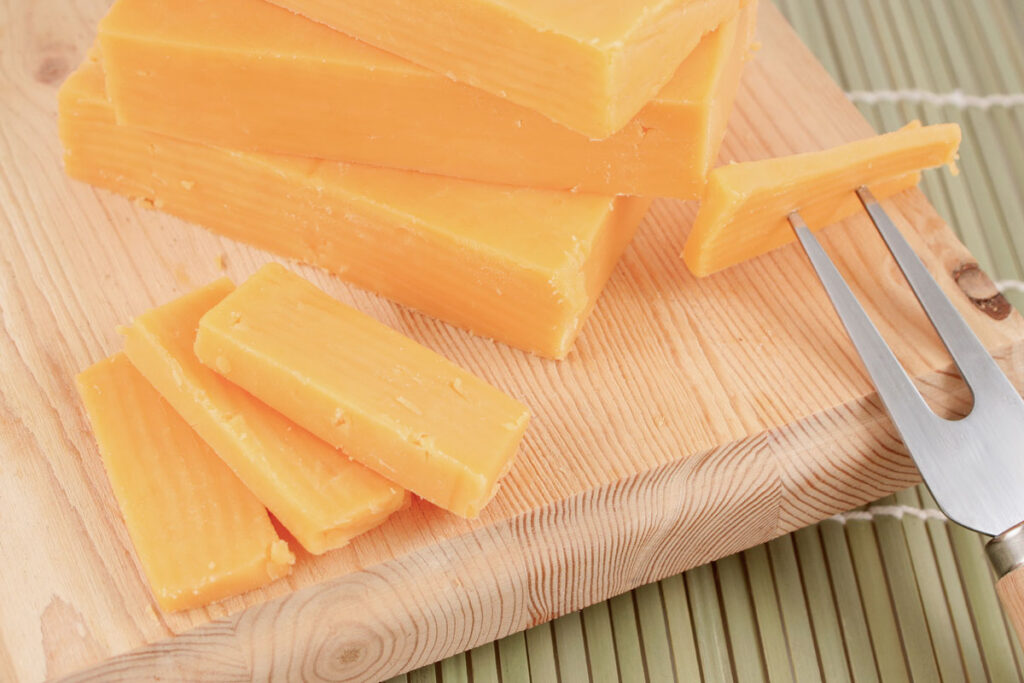
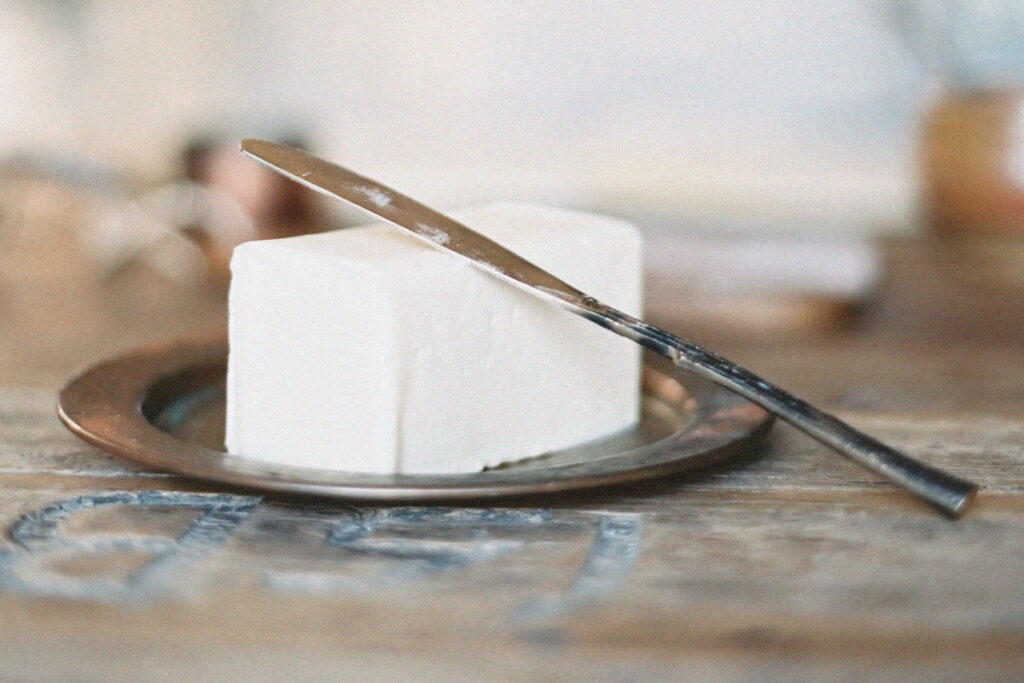
Cheddar Cheese — A block of the familiar bright orange is a product of marketing in early England, not the cheese’s original appearance. Dyes from plants were added to compensate for paler milk fat when cream was skimmed off during milking. The yellow came from beta-carotene in grass eaten by cows, carried in milk fat, and faded when fat was removed. Over time, saffron, marigold, annatto, and even carrot juice were used to maintain that golden tone. In the 1800s, some producers even used lead chromate to intensify color, a practice tied to broader concerns about adulteration. Today, annatto remains the common coloring agent, and lead-based dyes are thankfully gone.
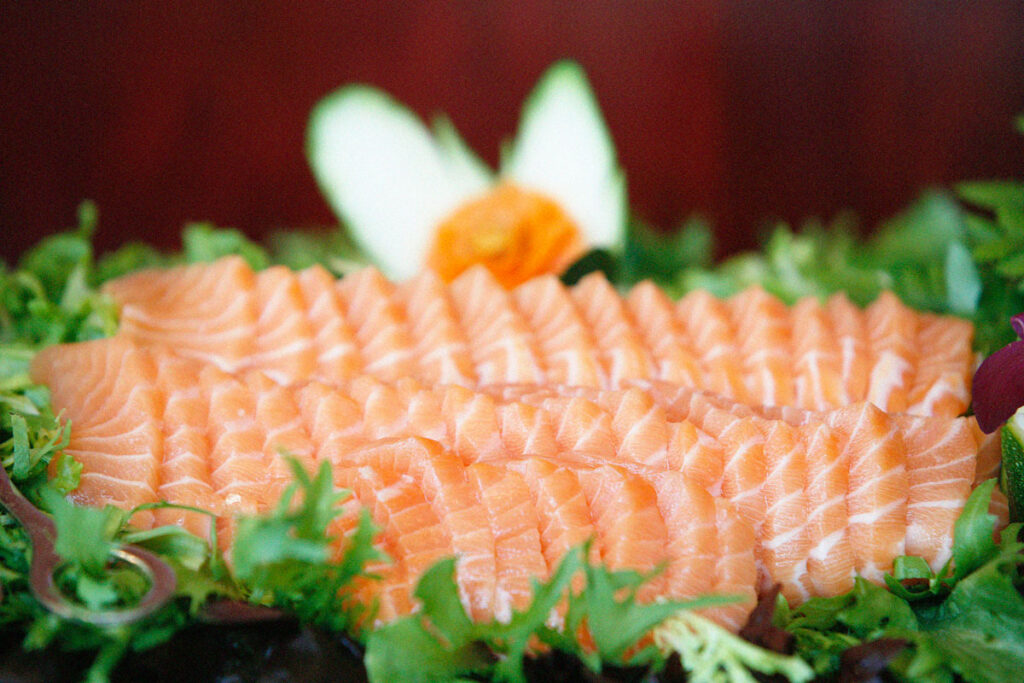
Salmon owes its pink-orange hue to the crustaceans in its diet; wild salmon eat carotenoids from krill, while farmed salmon fed artificial diets would otherwise look gray. When the grocery trade expanded, consumers paid more for pinker fillets, so farmers began adding astaxanthin to feeds. The pigment, naturally produced by certain organisms, standardized the color, and a color chart called the SalmoFan helped farmers pick their preferred shade. This practice persists, supporting consistent appearance across farmed stock.