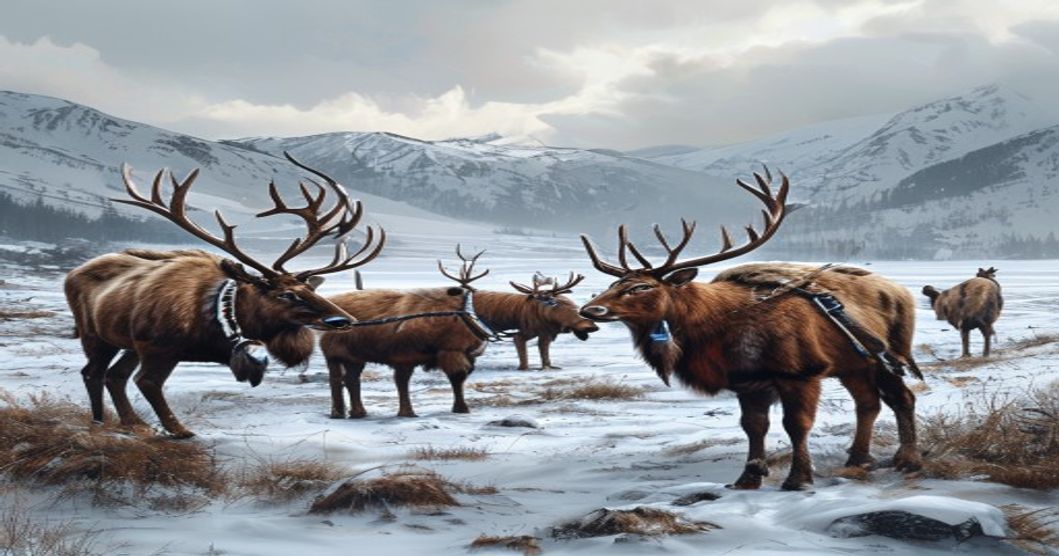
The Historical Foundations of Sami Reindeer Culture
The Sami people, recognized as the indigenous population of northern Fennoscandia, have maintained a profound relationship with reindeer herding for over four millennia. Archaeological evidence and oral histories trace the origins of this symbiotic bond to the post-glacial expansion of Rangifer tarandus across Arctic and subarctic ecosystems. Unlike domesticated livestock systems elsewhere, Sámi reindeer husbandry evolved as a semi-nomadic practice adapted to extreme climatic zones, requiring deep ecological literacy passed through generations.
Ancient Pastoral Systems in the Arctic Circle
Traditional Sami traditions were fundamentally structured around seasonal migration routes known as siida. These territorial units functioned as autonomous herding communities, each managing specific reindeer pastures based on microclimatic conditions and vegetation cycles. The historical development of this system demonstrates one of the earliest examples of sustainable nomadism in Europe, where human survival depended entirely on reading snow layers, lichen growth patterns, and animal behavior.
The Transition to Semi-Settled Herding Practices
From the medieval period through the nineteenth century, state border demarcations across Norway, Sweden, Finland, and Russia gradually restricted traditional migration corridors. Despite these geopolitical pressures, Sámi indigenous heritage remained resilient through adaptive herding strategies. Modern genetic studies confirm that contemporary reindeer populations in Scandinavian Lapland descend directly from ancient wild herds selectively managed by indigenous handlers rather than fully domesticated stock.
Cultural Frameworks and Indigenous Knowledge Systems
The Sami culture operates as a cohesive knowledge network where reindeer husbandry intersects with spirituality, craftsmanship, and linguistic identity. Central to this framework is the concept of duodji, traditional handcrafted items that serve both utilitarian and ceremonial purposes. These artifacts are not merely decorative but encode ecological data regarding material availability, seasonal timing, and sustainable harvesting.
Linguistic Preservation and Oral Traditions
Sámi languages belong to the Uralic family and comprise over a dozen distinct dialects, many of which contain specialized terminology for reindeer behavior, snow hydrology, and pasture ecology. The linguistic density surrounding reindeer culture demonstrates how indigenous vocabulary functions as a scientific archive. Oral narratives, including joik singing traditions, historically documented migration patterns, herd health indicators, and intergenerational ethical guidelines regarding resource extraction.
Seasonal Cycles and Traditional Ecological Practices
Traditional Sami seasonal rhythms dictated precise management protocols for calving, branding, slaughtering, and hide processing. Herders utilized natural landmarks rather than artificial fencing to guide reindeer across vast territories. This low-intervention approach maintained biodiversity in boreal forests and tundra ecosystems while preventing overgrazing through rotational pasture utilization.
Modern Realities Facing Sámi Reindeer Husbandry
Contemporary Sami indigenous heritage faces unprecedented pressure from industrial development, regulatory fragmentation, and environmental shifts. The economic viability of reindeer herding now depends on navigating complex legal frameworks while maintaining traditional management techniques that have proven ecologically superior to commercial livestock models.
Climate Change Impact on Arctic Pastures
Rising temperatures have triggered ice-lock events where rain freezes into impenetrable crusts over lichen beds, causing widespread reindeer starvation. These climatic disruptions directly threaten food security and cultural continuity for Sámi communities. Scientific monitoring indicates that permafrost degradation and altered precipitation patterns are compressing viable grazing zones, forcing herders to reduce herd sizes or abandon ancestral pastures entirely.
Industrial Encroachment and Land Rights Conflicts
Logging operations, mining concessions, wind farm installations, and ski resort expansions continuously fragment reindeer territories. The legal recognition of Sami land rights varies significantly across national jurisdictions, with Norway granting strongest protections through the Finnmark Act while Sweden and Finland maintain restrictive ownership models. These disparities create uneven economic conditions where herders in certain regions face disproportionate corporate interference.
Preservation Strategies and Indigenous Sovereignty Movements
Efforts to safeguard Sámi indigenous heritage rely on dual approaches: legal advocacy for territorial autonomy and grassroots documentation of traditional knowledge. Political representation through Sámi Parliaments in Oslo, Stockholm, and Helsinki provides institutional platforms for policy influence, though herding rights often remain contested with state forestry and agricultural agencies.
Educational Revitalization and Knowledge Transfer
Indigenous-led educational programs now integrate Sami traditions into formal curricula across Nordic countries. These initiatives teach reindeer tracking, sustainable butchery techniques, and language immersion alongside modern veterinary science and rangeland management. Digital archives preserve historical
Frequently Asked Questions: Sami People and Reindeer Herding Traditions
What is Sami People and Reindeer Herding Traditions?
The Sami people and reindeer herding traditions refer to the indigenous culture and livelihood of the Sami, an indigenous people inhabiting the northern regions of Norway, Sweden, Finland, and Russia. Reindeer herding is a central part of their traditional economy, culture, and identity, involving seasonal migrations, specialized knowledge of reindeer behavior, and sustainable pastoral practices passed down through generations.
Key facts about Sami People and Reindeer Herding Traditions
Key facts include: the Sami are Europe’s only officially recognized indigenous people; reindeer herding is not just an economic activity but a core cultural practice; herders migrate seasonally across vast territories known as ‘siida’; the tradition is deeply connected to Sami spirituality, language, and craftsmanship; and modern herders face challenges from climate change, land-use conflicts, and government regulations while working to preserve their heritage.