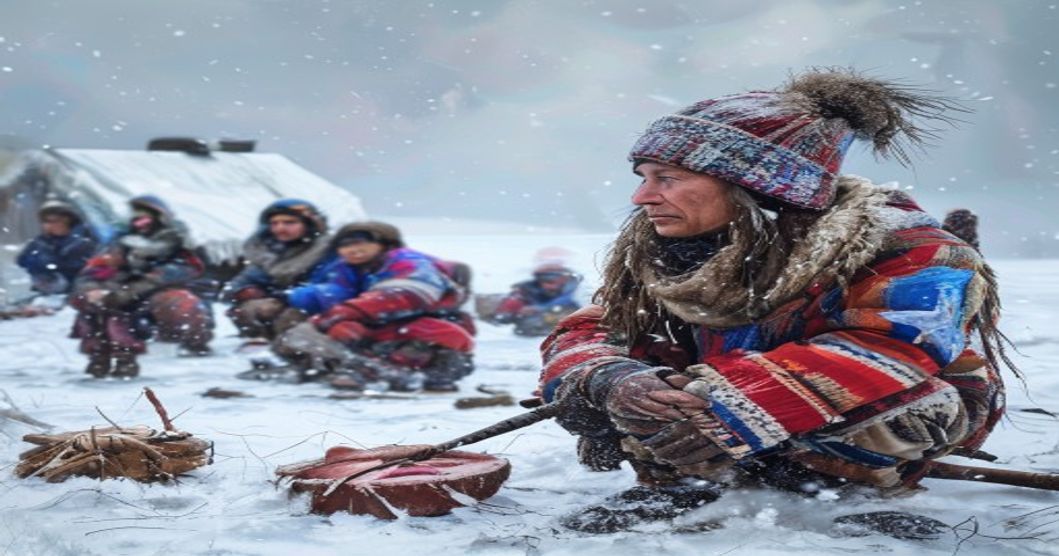
Traditional Reindeer Herding and Migration Patterns
The Sami people rely on a centuries-old practice of seasonal reindeer migration to endure Arctic winters. Herds are tracked across vast territories in Scandinavia and the Kola Peninsula, following established routes that align with lichen-rich grazing grounds. When temperatures plummet below −30°C, herders utilize snowmobiles alongside traditional ski patrols to monitor herd movement and prevent freezing. The symbiotic relationship between reindeer husbandry and winter survival dictates settlement locations, ensuring access to fresh forage while minimizing energy expenditure in deep snow.
Seasonal Route Optimization
Sami herders analyze wind patterns, ice thickness on waterways, and snow crust density to adjust migration timing. Strategic positioning of winter pastures near sheltered valleys reduces wind chill exposure for both animals and handlers. Herd selection prioritizes animals with thicker undercoats and higher fat reserves, which naturally withstand prolonged subzero conditions.
Adaptive Clothing and Thermal Insulation Techniques
Sami winter attire centers on the gákti, a reindeer-skin garment engineered for extreme thermal regulation. The outer layer features dense, windproof hide, while the inner lining retains trapped body heat through microscopic air pockets in unprocessed fur. Leather boots, known as tuutit, incorporate layered moose or reindeer soles with birch bark inserts that wick moisture and prevent frostbite during extended snow travel.
Layering Systems and Mobility Preservation
The Sami employ a three-tier clothing system: a base layer of lightweight wool, a mid-layer of woven reindeer hair for insulation, and an outer shell treated with natural fish oil for water resistance. Joints are reinforced with articulated seams that maintain flexibility during skiing or sled pulling. Glove designs feature removable inner liners, allowing temperature adjustment without exposing skin to freezing air.
Sustainable Shelter Construction and Heat Retention
Traditional Sami winter dwellings, such as the lavvu (tupik variant) and sod-insulated cabins, utilize locally sourced materials to maximize thermal efficiency. Walls are constructed from compacted snow blocks interlocked with wooden frames, creating a microclimate that stabilizes internal temperatures near freezing despite external Arctic lows. Roof ventilation holes regulate carbon monoxide buildup while permitting steam escape from cooking hearths.
Floor Insulation and Ground Thermal Mass
Floors are layered with thick reindeer pelts, dried moss, and split logs that act as thermal barriers against permafrost conduction. Central fire pits are sunken into the ground, directing convective heat upward while minimizing radiant loss through reflective metal shields positioned behind the flame. Smoke channels carved into ceiling beams ensure continuous air circulation without draft-induced cooling.
Food Preservation and Nutritional Adaptation
Sami winter nutrition depends on air-dried reindeer meat, fermented dairy products, and lichen-based supplements that provide sustained caloric output. Meat is sliced thin and hung in wind-exposed racks where subzero temperatures flash-freeze proteins, halting bacterial decay without freezing tissue solid. Fermented skyr and reindeer milk yield probiotic-rich sustenance that maintains gut function during prolonged indoor confinement.
Caloric Density and Metabolic Optimization
Dietary protocols emphasize high-fat consumption from reindeer bone marrow and brain tissue, which supply essential omega-3 fatty acids required for cold-induced thermogenesis. Traditional preparation methods include slow-roasting in fat-filled stomach linings, preserving heat-stable vitamins while maximizing caloric yield per gram of consumed food.
Navigation, Weather Reading, and Survival Signaling
Sami winter survival hinges on precise environmental interpretation rather than technological reliance. Herders read snow drift patterns, tree branch curvature, and aurora intensity to predict storm fronts and locate safe passages through frozen tundra. Trail markers consist of stacked stones, carved wooden posts, and reindeer antler arrangements that remain visible beneath fresh snowfall.
Astronomical Orientation and Auditory Cues
Night navigation utilizes Polaris positioning combined with star cluster mapping to maintain directional accuracy during whiteout conditions. Sound propagation techniques involve listening for wind shear changes against ice formations, which indicate thin freeze zones or impending avalanches. Emergency signaling relies on smoke color variations from specific resin mixes and rhythmic drum strikes that transmit frequencies across deep snow valleys.
Community Cooperation and Knowledge Transmission
Sami winter resilience is sustained through collective resource management and intergenerational skill transfer. Household units operate as interconnected networks that share fuel reserves, monitor herd health, and rotate night watch duties during polar darkness. Elders conduct practical training sessions focused on leatherworking, snowpack analysis, and emergency wound treatment using dried cloudberry leaves and reindeer sinew sutures.
Collective Decision-Making and Risk Mitigation
Winter planning follows consensus-based councils that evaluate herd distribution, weather forecasts, and supply line viability before committing to migration routes. Resource pooling eliminates individual vulnerability during sudden blizzards, while standardized measurement tools ensure equitable distribution of preserved meat and firewood across extended kinship networks.
Frequently Asked Questions: How Sami People Handle Long Winters
What is How Sami People Handle Long Winters?
“How Sami People Handle Long Winters” refers to the traditional knowledge, cultural practices, and survival strategies developed by the indigenous Sami people across northern Scandinavia and Russia to adapt to extreme Arctic conditions. These practices include seasonal reindeer migration patterns, specialized food preservation techniques, communal living structures, and the use of traditional reindeer-hide clothing and footwear designed for insulation and mobility in deep snow.
Key facts about How Sami People Handle Long Winters
Key facts include: (1) Reindeer herding is central to winter survival, providing meat, fat, leather, and fur for clothing and shelter; (2) Traditional garments like the gákti and boots are crafted from reindeer skin to trap heat and repel moisture; (3) Winter camps are strategically located near frozen rivers and lakes to facilitate travel and access to water; (4) Indigenous weather forecasting and animal behavior observation guide daily decisions and migration routes; (5) Strong community networks ensure resource sharing and mutual support during periods of extreme cold and limited daylight.