


Take the “gáhkkker,” for instance—a type of wooden sledge resembling the modern-day toboggan. Sami used these sledges for everything from transporting goods to herding reindeer, making their daily survival a bit easier in the brutal Arctic climate. Isn’t it fascinating how a simple design can serve multiple purposes? Imagine gliding over snow, the cold wind biting, while your trusted sledge carries all your load.
And let’s not forget the “buorri,” or the Sami knife. This wasn’t just a blade; it was a trusty companion, vital for everything from skinning animals to preparing food. The craftsmanship behind each knife is a testament to their resourcefulness and respect for the environment. Just think of it as the ultimate multi-tool, the Swiss Army knife of the Sami world.
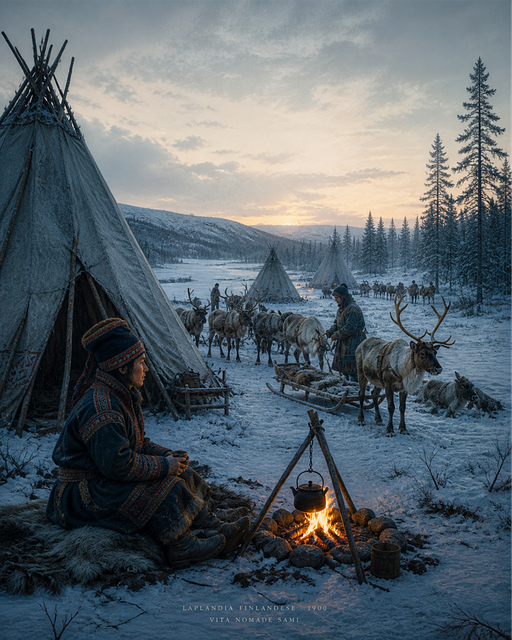
Sami communities also used tools made from reindeer antlers and bones, transforming what many might discard into essential items. This ingenuity speaks volumes about their relationship with nature—a partnership built on respect and sustainability. With each tool, the Sami didn’t just survive; they thrived in one of the harshest environments on Earth, proving that necessity truly is the mother of invention.
Unearthing Heritage: The Timeless Tools of the Sami People
Take the traditional Sami knife, or “puukko,” for instance. This isn’t just any knife; it’s a trusty companion that has been passed down through generations. Imagine its handle, beautifully carved from birch, fitting snugly in your palm as if it were meant to be there all along. It’s more than just a tool for cutting; it’s a symbol of survival, used for everything from skinning reindeer to preparing meals. Each puukko tells a story of the hunt, of sustenance, and of respect for nature.

Then there are the reindeer sleds, or “kärr,” showcasing the Sami’s ingenuity. Picture gliding across a snowy landscape, the sled effortlessly gliding along the frost, pulled by strong reindeers. It’s a testament to their understanding of the harsh Arctic environment, where every tool has to be designed to work flawlessly with nature rather than against it.
Even their fishing tackle, made from bones or antlers, illustrates a remarkable resourcefulness. Antlers, that often end up as mere decorations, are carved into hooks and lines, perfectly adapted for catching fish in icy waters. Each tool resonates with the Sami philosophy of living in harmony with their environment—each piece a reminder that the past is never truly buried but rather waiting to be unearthed.
From Reindeer to Ritual: The Functional Art of Sami Ancient Tools

Think about the reindeer, the lifeblood of Sami life. These majestic creatures aren’t merely for herding; they’re woven into the very fabric of Sami identity. They provide food, clothing, and even the raw materials for crafting tools. Ever heard of a Sami lasso? It’s not just a tool for herding; it’s an extension of their connection to these animals, showcasing a delicate balance between nature and necessity.
Now, let’s delve into some of the tools themselves. Each item, whether it’s a traditional wooden sauna ladle or beautifully crafted knives, tells a story. These aren’t simply utensils; they’re functional works of art. You can almost hear the whispers of history embedded in each carving. Picture the intricate designs and patterns that not only decorate these tools but also carry deep spiritual meaning, acting as vessels of Sami heritage.
Crafting Survival: A Deep Dive into Sami Tools and Traditions
The Sami’s tools reflect a deep understanding of their environment. From the elegantly crafted “aho,” a traditional wooden sled, to the razor-sharp “kniv,” or knife, each item tells a story of adaptation and resilience. Have you ever wondered how a simple tool can connect generations? For the Sami, every knife is a testament to their craftsmanship, passed down from elders to younger ones, instilling not just knowledge but respect for their heritage.
Their traditions extend far beyond tools. Picture a gathering around a warm fire, stories of ancestors and spirits weaving through the smoke. These moments aren’t just for entertainment; they serve as vital lessons on living in harmony with nature. Each song and dance, vibrant with history, reinforces the skills needed to navigate the harsh Arctic landscape. And let’s not forget the importance of reindeer herding—this isn’t just about food; it’s a cultural lifeline, emphasizing sustainability and reverence for the land.
The Sami Legacy: Tools of the Past That Shape a Future
Think about the traditional knife, or “puukko”, a Sami essential. This isn’t just a tool; it’s an extension of the person wielding it. The design is so intuitive, blending functionality with artistry, allowing for everything from reindeer skinning to wood carving. The Sami’s ingenious use of natural resources, like antlers and bone, tells us that sustainability isn’t a modern buzzword; it’s been a way of life for thousands of years.
Now, take a moment to envision the joik—an ancient form of song. Each note encapsulates the Sami’s relationship with nature, echoing the wind and whispering through the trees. It’s not just music; it’s a tool for storytelling and cultural preservation, transforming memories into melodies that resonate across generations.
As we move forward, the Sami legacy is more impactful than ever. In today’s world that often feels disconnected from nature, the lessons embedded in their tools and traditions guide us toward a sustainable path. Like their finely crafted objects, these principles have the potential to carve out a future that honors both our past and the planet. So, the next time you hear about the Sami, think beyond just history. Consider how their ancient wisdom can inspire modern innovations and sustainable living practices, shaping our approach to a better tomorrow.
Frequently Asked Questions
How Were Sami Tools Made and Crafted?
Traditional Sami tools were crafted using natural materials such as wood, bone, and antlers, shaped by hand through techniques like carving, whittling, and sawing. The crafting process emphasized functionality and adaptability to the harsh Arctic environment, often incorporating local resources. Mastery of these skills was passed down through generations, ensuring that each tool served a specific purpose in daily life and cultural practices.
How Have Sami Tools Evolved Over Time?
The evolution of Sami tools reflects changes in lifestyle, environment, and technology. Initially designed for traditional hunting, fishing, and herding, these tools have gradually adapted with advancements in materials and manufacturing processes. Modern Sami tools often incorporate innovations that enhance functionality and efficiency while still honoring traditional craftsmanship.
What Types of Tools Did Sami Communities Use?
Sami communities utilized a variety of tools suited for their environment and lifestyle, primarily focused on herding reindeer, fishing, and hunting. Common tools included wooden sleds, fishing gear, traditional knives for butchering, and sledges for transporting goods. These tools were crafted from natural resources available in their surroundings, showcasing their adaptability and resourcefulness.
What Materials Were Commonly Used in Sami Tools?
Sami tools were traditionally made from materials readily available in their Arctic environment. Commonly used materials included wood, reindeer antlers, and bones, providing strength and durability. Fabrics from animal hides were also utilized for flexibility, while metal was incorporated later for added resilience. These materials reflected the Sami’s resourcefulness and adaptation to their surroundings.
What Functions Did Sami Tools Serve in Daily Life?
Sami tools were essential for the daily survival and cultural practices of the Sami people. They included items for fishing, hunting, and reindeer herding, facilitating food acquisition and transportation. Tools like knives, fishing gear, and sleds were crafted from locally available materials, reflecting the adaptation to the Arctic environment. These tools not only served practical purposes but also carried cultural significance, aiding in traditions and craftsmanship.