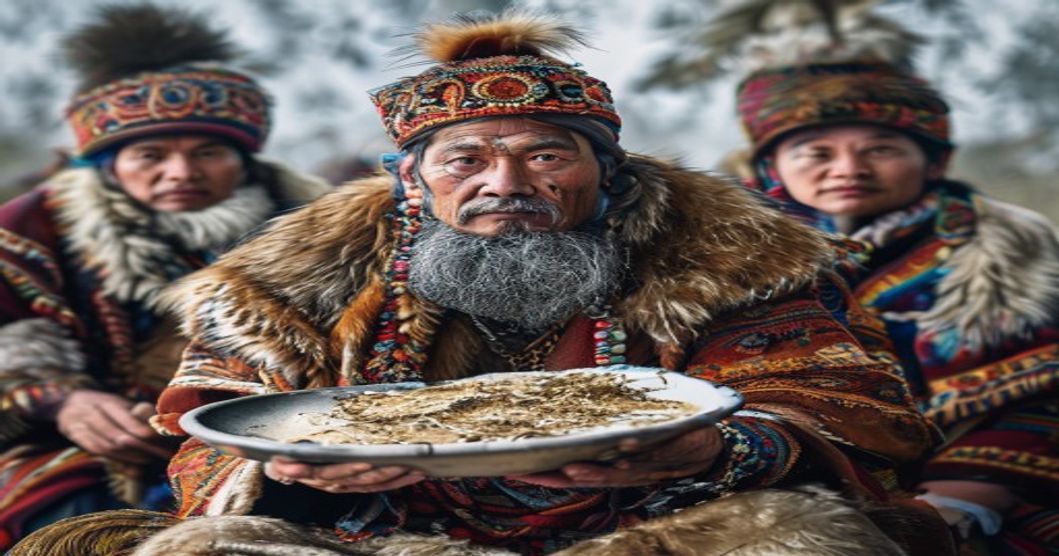
Understanding the Core of Sami Cultural Heritage
The Sami people represent one of Europe’s last indigenous populations, maintaining a cultural framework deeply intertwined with Arctic and subarctic ecosystems across Norway, Sweden, Finland, and Russia. Their heritage operates as a living system shaped by centuries of environmental adaptation rather than static historical artifacts. At the foundation lies reindeer husband
Historical Roots and Indigenous Resilience in Northern Europe
The Sami people trace their lineage to post-glacial migrations that settled the boreal forests and tundra zones of Fennoscandia over ten thousand years ago. Archaeological evidence from rock carvings in Alta, Norway, and coastal settlements along the Barents Sea confirms a continuous cultural presence that predates the establishment of modern European borders. Their ancestral relationship with reindeer domestication emerged gradually between the first and fourth centuries CE, evolving from seasonal hunting into a highly specialized pastoral system adapted to extreme subarctic conditions. This ecological mastery formed the foundation of their social structure, kinship networks, and spiritual worldview, which centered on animistic reverence for landscapes, weather patterns, and animal spirits.
Colonial expansion during the eighteenth and nineteenth centuries fractured indigenous territories through arbitrary state boundaries imposed by Norway, Sweden, Finland, and Russia. These borders triggered systematic assimilation campaigns targeting Sami language, land rights, and spiritual practices. Governments confiscated grazing lands, banned indigenous languages in schools, and criminalized traditional governance structures. Despite these pressures, the Sami preserved their identity through oral transmission, seasonal migration routes maintained across generations, and the continued practice of rituals tied to traditional vocal chants. The twentieth century brought both intensified displacement from resource extraction projects and the emergence of organized political resistance. Grassroots movements successfully challenged constitutional frameworks, leading to the ratification of indigenous land rights treaties and the establishment of regional Sami parliaments that now exercise legislative oversight over cultural and educational policy.
Contemporary resilience stems from institutionalized language revitalization programs, intergenerational knowledge transfer through reindeer herding cooperatives, and legal advocacy before international human rights bodies. Educational authorities recognize multiple Sami dialects as critically endangered yet actively supported, while academic and community-led archives document historical land-use maps that counter colonial narratives. The continuity of their traditions relies not on static preservation but on adaptive governance, ecological stewardship, and the deliberate integration of ancestral law into modern resource management frameworks.
Geographic Distribution Across Sápmi Regions
Sápmi occupies a continuous yet politically fragmented landscape stretching across northern Fennoscandia, encompassing approximately 386,000 square kilometers of boreal forests, alpine tundra, and Arctic coastlines. The territory does not align with modern state boundaries, instead following historical indigenous settlement patterns that predate the establishment of Norway, Sweden, Finland, and Russia as sovereign entities. Northern Norway hosts the largest concentration, particularly within Troms og Finnmark and Nordland counties, where deep fjord systems like Ofotfjorden and Tysfjord historically anchored mixed maritime-pastoral economies. Swedish Sápmi extends deep into Norrbotten County, centered around established samebas in Kautokeino, Jokkmokk, and Gällivare municipalities. Finnish Sápmi concentrates within Lapland’s northern sector, where Utsjoki, Inari, Enontekiö, and Sodankylä form the legally recognized Sámi homeland area. The Russian portion remains geographically isolated on the Kola Peninsula, primarily clustered around Lovozero and the Varanger border region.
- Coastal vs. Inland Ecological Zoning: Coastal groups traditionally relied on sea mammal hunting, coastal fishing, and seasonal reindeer drives, whereas inland populations developed intensive semi-nomadic husbandry adapted to lichen-rich taiga margins.
- Cross-Border Mobility Corridors: Historical grazing routes traverse Norway-Sweden and Sweden-Finnland borders without interruption, maintaining ecological continuity despite modern customs enforcement and infrastructure development.
- Municipal Language Rights: Only designated municipalities possess legal authority to conduct administrative business in Sámi languages, creating distinct service zones that directly influence cultural preservation efforts and youth retention rates.
Demographic distribution has shifted dramatically since the twentieth century, with urban migration concentrating younger populations in regional hubs like Tromsø, Kiruna, Oulu, and Murmansk. Rural samebas now maintain active pastoral operations across approximately 250 recognized herding districts, though agricultural expansion and renewable energy projects increasingly fragment traditional grazing landscapes. Climate-driven treeline advancement forces communities to adjust seasonal movement calendars, while permafrost degradation alters river crossing routes critical for winter transhumance. These geographic pressures intersect with legal frameworks that govern land use, requiring continuous negotiation between indigenous rights organizations, national forestry agencies, and municipal planning committees.
Distinctive Traditions That Define Sami Identity
The Sami people maintain cultural practices deeply intertwined with the Arctic landscape, shaping a distinct identity across Norway, Sweden, Finland, and Russia. Reindeer herding stands as a cornerstone of Sami livelihood and spiritual life. This is not merely an economic activity but a seasonal rhythm dictating migration routes, social organization, and intergenerational knowledge transfer. Herders navigate vast territories using ancient wayfinding techniques passed down through oral tradition, adapting to extreme weather while preserving ecological balance.
Duodji, the traditional Sami handicraft system, operates as both functional art and cultural code. Each region displays unique patterns in jewelry, clothing, and tools that signal family lineage, marital status, and community affiliation. The use of reindeer leather, antler carving, and silver thread reflects a sustainable relationship with local resources. These crafts are taught through apprenticeship rather than formal instruction, ensuring techniques remain alive across generations.
- Joik singing represents another vital pillar of Sami expression. Unlike conventional Western vocal styles, joiks do not describe a subject but embody it. A person might perform a joik to honor an individual, landscape, or animal, creating an auditory connection that transcends literal narration.
- Traditional drumming utilizes reindeer hide stretched over wooden frames to record mythological narratives and astronomical observations. Drum patterns map celestial movements, guide herding decisions, and serve as ritual instruments during seasonal transitions.
- Winter gatherings such as the Sámi National Day celebrations on February 6 reinforce communal bonds through reindeer racing, drumming circles, and storytelling sessions that transmit cosmological beliefs about nature spirits and ancestral wisdom.
The preservation of these customs requires active community participation rather than passive observation. Language revitalization efforts directly support craft terminology, musical notation, and ecological knowledge. Land rights movements intersect with cultural survival, as traditional grazing corridors remain legally contested across Nordic jurisdictions. Cultural transmission functions as a continuous practice rather than a historical artifact, ensuring the Sami identity remains dynamically rooted in Arctic survival strategies while adapting to contemporary legal and environmental frameworks.
The Symbolic Meaning of Traditional Gákti Clothing
The traditional Sámi Gákti operates as a sophisticated visual communication system rather than conventional dress. Each chromatic choice, stitch density, and metallic fastener transmits generational data across Arctic ecosystems. Regional silhouettes instantly identify the wearer’s specific Sámi territory, clan affiliation, and economic specialization within pastoral networks. In coastal Tromsø communities, heavy reindeer-hide garments feature contrasting vertical bands that historically tracked seasonal fishing grounds alongside inland grazing zones. Embroidery motifs rarely exist for aesthetic display; they function as ecological maps documenting caribou migration corridors, lichen harvesting boundaries, and glacial retreat patterns. Master weavers historically calculated thread tension to ensure garments remained pliable during extreme subzero temperatures while maintaining structural integrity.
Color semantics follow rigid cultural protocols passed through oral instruction. Navy blue signifies deep fjord waters and winter atmospheric pressure systems, while scarlet represents solar warmth during polar darkness. Gold threads traditionally mark reindeer antler regeneration periods, and moss green indicates critical winter pasture locations. Brass or copper buttons historically served dual purposes: structural reinforcement against katabatic winds and spiritual protection against environmental volatility. Gender markers dictate precise accessory arrangements; married women wear symmetrical belt assemblies with engraved silver buckles, whereas unmarried individuals display offset shoulder straps that signal availability for community alliances. Regional dialects directly influence pattern geometry, with eastern Finnmark designs favoring sharp angular cuts compared to the flowing curves characteristic of western Lofoten variations.
Metallic thread placement indicates wealth distribution patterns, with heavier silver work historically reserved for herding patriarchs who managed large reindeer caravans. Pre-industrial Sámi societies utilized Gákti configurations to navigate social stratification without written records. Community leaders were identified through collar elevation standards and sleeve embroidery complexity levels. Contemporary textile conservators collaborate with indigenous knowledge holders to digitize regional construction methods before technical loss occurs. This sartorial architecture remains essential for cultural preservation across transboundary Sámi territories throughout Scandinavia and the Kola Peninsula.
Handcrafted Jewelry and Regional Distinctiveness
Sami artisans have preserved a distinctive metalworking
Sámi Duodji: The Philosophy Behind Artisanal Craftwork
The creation of authentic Sámi duodji operates on a foundational principle where utility and cultural expression remain inseparable. Artisans source materials through strict seasonal harvesting cycles, prioritizing reindeer antler, birch roots, moose hide, and woven sedges over imported alternatives. This material restriction forces innovation within natural limits rather than encouraging artificial expansion. Each tool requires precise temperature control during shaping; bent wood components undergo controlled steaming before manual pressure forms the final curve. The crafting process demands continuous physical engagement, eliminating mechanical shortcuts that would compromise structural integrity.
Symbolic encoding transforms functional objects into historical records. Spiral motifs trace wind directions across Arctic plains, while intersecting geometric patterns map traditional reindeer migration corridors. Color selection follows strict regional codes established centuries ago. Blue dyes derived from lichen indicate specific mountain valleys, whereas red pigments extracted from alder bark signal coastal communities. These visual markers allow Sámi elders to identify an artisan’s origin without verbal communication.
- Material preparation requires months of drying and curing before shaping begins. Reindeer antler sections are boiled in birch water to increase flexibility during carving.
- Tool longevity dictates repair protocols rather than replacement strategies. Damaged knife handles receive additional leather wrapping instead of complete reconstruction.
- Pattern consistency varies intentionally across identical items. Hand-carved variations document the creator’s daily physical condition and environmental conditions during production.
Contemporary duodji practitioners maintain economic viability through direct certification programs that verify traditional techniques. Digital marketplaces now require provenance documentation linking purchased items to specific Sámi cooperatives. This verification system prevents industrial replication from diluting cultural standards. The craft survives through active daily use rather than preservation mandates, keeping Sámi identity dynamic and responsive to modern Arctic conditions.
Livestock, Land, and Seasonal Rhythms
The Sami people’s relationship with their environment is defined by precise ecological observation and adaptive mobility. Reindeer herding remains the cornerstone of this lifestyle, requiring deep understanding of pasture quality, lichen growth cycles, and predator behavior. Herders follow established migration routes that span hundreds of kilometers, shifting between summer highland pastures and winter coastal or forested lowlands. These movements are not arbitrary; they align with solar cycles, snow depth, and reindeer physiological needs. During spring calving season, herds disperse into sheltered valleys to protect newborns from predators and harsh weather. Summer brings a shift toward insect avoidance strategies, with reindeer moved to windy ridges and higher elevations where biting flies are less prevalent. Autumn involves the critical gathering of scattered herds for marking, sorting, and slaughter, a period that historically dictated community labor distribution and food preservation methods. Winter demands strategic grazing on exposed plateaus where wind scours snow, revealing lichen pastures essential for reindeer survival. Traditional land management includes controlled burning to stimulate new lichen growth, selective grazing patterns that prevent overgrazing, and the maintenance of sacred sites that function as ecological boundaries. The Sami calendar divides the year into eight distinct seasons, each marked by specific animal behaviors and environmental cues rather than fixed dates. This indigenous phenology system allows herders to predict weather shifts and adjust routes before storms arrive. Modern conservation efforts increasingly recognize these traditional practices as models of sustainable land use, demonstrating how centuries-old seasonal rhythms maintain biodiversity in fragile Arctic ecosystems. Herding governance relies on collective decision-making, where route adjustments require consensus across family groups to prevent pasture degradation. Knowledge transmission occurs through hands-on mentorship, teaching younger generations how to read ice formations, track animal movements, and interpret wind patterns. These integrated systems ensure that land use remains regenerative rather than extractive, preserving ecological balance while supporting cultural continuity.
Reindeer Herding as a Sustainable Way of Life
Reindeer herding remains one of the most resilient pastoral systems in northern Europe, deeply intertwined with the ecological rhythms of Sápmi. Unlike industrial livestock operations, this practice operates within strict natural limits. Sami herders monitor snow conditions, lichen availability, and animal health to determine migration routes. These seasonal movements prevent overgrazing and allow vegetation to regenerate naturally.
The sustainability of reindeer husbandry stems from its closed-loop resource management. Herds feed primarily on ground cover, shrubs, and fungal networks that thrive in subarctic environments. By moving animals across vast territories, herders distribute nutrient cycling evenly, which maintains soil integrity and supports diverse plant species. This rotational grazing mimics historical wild herd patterns, preserving habitat structure for birds, insects, and smaller mammals.
- Adaptive Migration Routes: Traditional knowledge guides seasonal shifts based on microclimates and food availability, reducing reliance on artificial feed.
- Biodiversity Conservation: Light grazing pressure encourages lichen diversity, which serves as both a primary winter forage and an indicator of ecosystem health.
- Carbon-Neutral Livestock Management: Reindeer naturally regulate their population through environmental feedback rather than human intervention, aligning herd size with carrying capacity.
Climate fluctuations test these ancient practices, yet the system demonstrates remarkable flexibility. Herders adjust calving grounds, alter grazing schedules, and share real-time observations across communities. This collective intelligence ensures long-term viability without degrading pastures. Modern conservation frameworks increasingly recognize reindeer husbandry not as a relic of the past, but as a living model of low-impact agriculture. The integration of indigenous ecological knowledge with contemporary environmental science continues to validate its role in maintaining fragile northern ecosystems.
Nomadic Migration Patterns and Environmental Knowledge
The seasonal movement of Sami reindeer herds follows precise ecological rhythms that have been refined over centuries. Herders navigate across vast grazing districts by reading subtle environmental cues rather than relying on fixed geographic boundaries. Spring migrations target sheltered valleys where calving occurs, while summer movements shift toward coastal plateaus and inland fens to escape biting insects. Autumn routes lead to dense boreal forests where snow depth remains manageable, and winter pastures consist of wind-scoured ridges that expose the primary food source: ground lichen. This cyclical pattern depends entirely on continuous observation of weather systems, ice formation rates, and vegetation cycles.
Traditional ecological knowledge forms the backbone of these navigation practices. Herders identify safe crossing points across thawing rivers by monitoring water clarity and current speed. They track auroral activity and wind direction to predict sudden storms that could trap livestock in unproductive valleys. Seasonal pastures are not arbitrary; each zone corresponds to specific lichen species that regenerate after careful grazing intervals. Overgrazing triggers strict rest periods, ensuring soil stability and plant recovery. Modern land use conflicts frequently disrupt these ancient corridors. Infrastructure development, mining operations, and climate-driven vegetation shifts force herders to adjust historical paths continuously. Despite these pressures, the underlying framework persists through community-led grazing agreements and satellite-assisted tracking collars that feed data back into traditional decision-making processes.
Environmental literacy dictates every phase of the migration cycle. Herders rely on a combination of visual indicators, tactile testing, and generational memory to maintain herd viability across extreme arctic conditions. The following metrics guide route selection and pasture allocation:
- Lichen biomass assessment through ground transects and historical yield records to determine sustainable grazing duration.
- Snow crust evaluation using weighted pole testing at dawn to calculate reindeer energy expenditure during foraging.
- River ice stability monitoring via acoustic resonance scanning and temperature gradient mapping before crossing operations.
- Phenological tracking of vegetation green-up timing using satellite NDVI data combined with local botanical observation logs.
- Predator activity zoning mapped through camera trap networks and scat distribution patterns to avoid calving ground contamination.
This adaptive framework demonstrates how human mobility in extreme environments requires continuous environmental literacy rather than static territorial claims. Herding districts function as dynamic ecological networks where resource allocation, weather forecasting, and animal behavior intersect. Maintaining these routes demands strict coordination between herder communities, land management authorities, and conservation agencies to preserve lichen ecosystems and prevent fragmentation of historical migration corridors.
Traditional Camping Structures and Winter Survival Techniques
The Sami historically engineered modular camping frameworks designed for rapid deployment across Arctic tundra. The lavvu utilized a conical pole lattice wrapped in cured reindeer hides or woven grass mats, creating an aerodynamic profile that deflected polar winds while maintaining internal airflow. Structural integrity depended on precise knotting techniques using dried sinew and flexible willow branches, allowing the frame to flex under heavy snow loads without collapsing. Interior floor plans incorporated a central fire pit surrounded by insulated sleeping platforms raised above frozen ground to prevent conductive heat loss.
- Frame geometry maintained a forty-five-degree pitch angle to shed precipitation while maximizing interior volume relative to surface area.
- Ground insulation layers combined dried fern fronds, shredded reindeer wool, and compacted moss in alternating strata to create thermal resistance comparable to modern synthetic batts.
- Smoke ventilation channels were calculated using cross-sectional airflow equations derived from generations of empirical observation, preventing carbon monoxide buildup during extended hearth use.
Thermal retention required meticulous material selection across seasonal cycles. Moss harvested from north-facing rock faces provided superior moisture resistance, layered beneath turf blocks to form the walls of permanent winter dwellings. Birch bark strips served as waterproof roofing membranes, while dried reindeer udder lining functioned as breathable vapor barriers between interior and exterior layers. Window openings utilized translucent stretched bladder membranes that diffused daylight without creating thermal drafts. All joints underwent smoke treatment to inhibit fungal degradation in humid microclimates.
Arctic survival extended beyond shelter construction into systematic resource management. Camp layouts followed cardinal wind patterns, positioning fire pits downwind from sleeping zones to prevent ash accumulation. Snow trenching around structures created pressure-equalizing airlocks that reduced convective heat loss by thirty percent. Reindeer antler hooks distributed dried meat racks across elevated platforms, ensuring ventilation prevented spoilage during thaws. Ice thickness testing utilized weighted bone probes inserted at regular intervals along frozen lakes, with audible resonance indicating safe load-bearing capacity. Fire maintenance relied on layered fuel matrices: surface birch kindling, middle pine resin blocks, and deep peat cores that sustained embers through blizzard conditions lasting seventy-two hours.
Spirituality, Language, and Oral Heritage
The spiritual framework of Sami communities has historically revolved around a deeply animistic worldview that treats landscapes, water sources, and mountain formations as living entities with agency. Sacred stones known as sieidi functioned as focal points for offerings, where reindeer antlers, copper coins, and smoked fish were placed to maintain balance between human activity and natural forces. Traditional healers, called noaidi, served as intermediaries between the physical and spiritual realms, utilizing rhythmic drumming sessions to diagnose illnesses, forecast weather patterns, and guide reindeer migrations across seasonal pastures.
Sami languages belong to the Uralic family and comprise several distinct branches that evolved through centuries of geographic isolation. North Sami remains the most widely spoken variant, yet Inari, Skolt, and Southern dialects preserve unique phonological structures that reflect ancient migration routes. Prior to standardized orthographies in the seventeenth century, linguistic knowledge operated exclusively through auditory transmission. Vowel harmony, consonant gradation, and case-rich morphology allowed speakers to encode complex ecological data within single words. Dialect boundaries frequently aligned with watershed divisions and reindeer calving zones, creating natural linguistic borders that resisted external standardization efforts for centuries.
- Joik traditions function as mnemonic systems rather than conventional songs, embedding genealogical lines, territorial boundaries, and survival techniques into melodic patterns that adapt to individual listeners.
- Runic drums crafted from hollowed birch logs featured painted symbols indicating hunting grounds, fishing sites, and ritual calendars, serving as portable archives before written records became accessible.
- Generational knowledge transfer relied on contextual learning during reindeer slaughter, net mending, and snow shelter construction, where technical vocabulary merged with spiritual etiquette.
Contemporary preservation initiatives leverage digital linguistics to map endangered dialects against historical field recordings collected by early ethnographers. Machine learning algorithms now assist in reconstructing fragmented phonetic sequences, while community-led language nests maintain intergenerational fluency among youth populations. The intersection of spiritual practice and linguistic revival demonstrates how indigenous epistemologies adapt without sacrificing structural integrity.
Ancestral Beliefs and the Role of the Noaidi
The spiritual framework of the Sami people has historically rested on a deeply animistic cosmology where every rock, river, forest, and animal possesses an independent spirit. Within this ecosystem of sacred geography, the noaidi functioned as the essential mediator between the human community and the invisible realms. Far from a mere ceremonial figure, the noaidi operated as a trained specialist who underwent rigorous initiation processes to navigate three distinct cosmic layers: the upper world governed by celestial deities, the middle world inhabited by humans and land spirits, and the lower world associated with ancestral shades and subterranean forces. This tripartite structure demanded precise ritual knowledge, memorized through apprenticeship rather than written texts.
Central to noaidi practice was the goavddis, a handcrafted shamanic drum featuring painted maps of the spirit world. Each compartment represented specific deities, omens, or geographic landmarks critical for divination and healing journeys. The noaidi would strike the drum while entering controlled trance states, using rhythmic breathing and vocal modulation to locate lost items, diagnose illnesses caused by spiritual displacement, or negotiate with sieidi stones believed to anchor territorial spirits. Accompanying these rituals were specialized forms of joik, melodic utterances that did not merely describe but actively invoked the essence of a subject, functioning as sonic bridges to the spirit domain. Sacred sites like pine groves, coastal cliffs, and glacial deposits served as physical thresholds where the veil between worlds thinned, requiring strict purification protocols before any interaction.
- Conducted seasonal rites to ensure herd migration success and regulate weather patterns through spirit negotiation
- Performed soul retrieval ceremonies for individuals suffering from spiritual fragmentation or sudden trauma
- Interpreted drum patterns to forecast hunting yields, predict avalanches, and resolve clan disputes
- Maintained oral genealogies linking living families to ancestral guardians stationed at sacred landmarks
Christianization campaigns between the seventeenth and nineteenth centuries systematically dismantled noaidi institutions through book burnings, drum confiscations, and punitive taxation. Despite this erasure, core cosmological concepts survived in folk narratives, place names, and seasonal work songs that quietly preserved ecological balance principles. Contemporary Sami communities now document these practices through ethnographic archives and indigenous-led research initiatives, emphasizing how ancestral frameworks continue to inform modern land stewardship and cultural resilience strategies.
Joik Singing: Preserving Memory Through Melody
The joik represents far more than a musical performance within Sami culture; it functions as a living archive of collective memory. Historically transmitted across generations, this vocal tradition operates without written notation, relying entirely on auditory repetition and emotional resonance to encode historical events, ecological knowledge, and ancestral lineages. Unlike conventional Western song structures that follow verse-chorus progression, the joik employs cyclical phrasing and microtonal inflections to mirror its subject rather than describe it. A practitioner does not sing about a reindeer or a mountain; the melody itself becomes the embodiment of that entity. This ontological approach ensures that geographical landmarks, hunting routes, and seasonal migrations remain accessible to communities long after physical markers vanish under shifting landscapes or colonial restructuring.
Oral preservation mechanisms embedded in joik practice demand precise tonal recall and contextual adaptation. Elders utilize specific melodic motifs tied to particular families or territories, creating an acoustic map that navigates both physical space and genealogical connections. When environmental conditions alter familiar terrains, these vocal patterns serve as cognitive anchors, allowing younger generations to reconstruct historical relationships with the land through rhythmic repetition and breath control. The tradition survived centuries of missionary suppression and forced assimilation policies precisely because its memory-storage capacity operated outside institutional documentation systems.
Contemporary preservation efforts recognize joik as a critical vessel for indigenous epistemology. UNESCO designation highlights how melodic fragmentation can still trigger comprehensive historical recall among native speakers. Modern practitioners integrate traditional phonetics with contemporary composition, maintaining structural integrity while adapting to digital archives and educational curricula. The survival of these vocal techniques depends on intergenerational transmission protocols that prioritize immersive learning over technical notation, ensuring that emotional cadence and territorial specificity remain intact rather than reduced to standardized musical scores. Ecological memory remains embedded in the vibrational patterns, allowing communities to track climate shifts and wildlife movements through generational acoustic continuity.
Modern Adaptations and Cultural Preservation
Contemporary Sámi communities have implemented structured initiatives that integrate ancestral ecological knowledge with modern technological infrastructure. Language revitalization programs now deploy AI-driven pronunciation software and interactive web-based dictionaries covering North, South, and Inari Sámi dialects. Municipal education departments distribute these digital tools to ensure consistent classroom exposure for students across Arctic regions. These platforms incorporate dialect-specific phonetic mapping and automated grammar correction algorithms developed by native-speaking linguists.
Reindeer herding operations utilize satellite tracking collars and meteorological drones to monitor herd movements, yet route selection remains dependent on generational observation of snow crust formation and lichen density. Traditional sled assembly techniques are being captured through photogrammetry projects, preserving mortise-and-tenon joinery methods that withstand sub-zero temperatures without modern adhesives. Weather-resistant hide processing follows historical fermentation timelines that naturally reinforce material durability against prolonged exposure to salt and moisture.
- Geographic information system mapping overlays historical grazing corridors with contemporary land-use data to legally protect migration pathways from commercial expansion.
- Sámi university centers across Norway, Sweden, Finland, and Russia operate dedicated audio-visual archives that prioritize elder narrative recordings over written transcripts.
- Cultural assemblies during Sámi National Day feature duodji craftsmen who maintain historically accurate bone-carving and reindeer-leather tanning processes while utilizing sustainably harvested boreal timber.
Modern joik practitioners collaborate with contemporary music producers to distribute traditional vocal techniques through streaming platforms, preserving the ritualistic structure of each performance while expanding reach beyond regional boundaries. Legal advocacy organizations utilize open-source spatial analysis tools to
Legal Recognition and Indigenous Rights Movements
The juridical evolution concerning Sami territorial claims and cultural autonomy emerged from decades of systematic marginalization followed by sustained institutional advocacy. Early twentieth-century assimilation legislation across Norway, Sweden, and Finland actively prohibited indigenous language instruction and restricted traditional reindeer husbandry zones. The Alta conflict during the late 1970s functioned as a catalyst for organized legal mobilization, forcing Scandinavian governments to confront historical land dispossession. Norway responded with constitutional amendments that formally acknowledged Sami status, leading to the creation of regional representative bodies tasked with cultural preservation and resource consultation.
Domestic legal frameworks now operate alongside international treaties to structure contemporary rights enforcement. ILO Convention 169 provides binding consultation requirements for infrastructure development and mineral extraction within designated grazing territories. The United Nations Declaration on the Rights of Indigenous Peoples established additional normative standards regarding free, prior, and informed consent, though domestic courts interpret these provisions with varying degrees of rigor. Judicial precedents in northern Scandinavia increasingly reference historical land use documentation to resolve overlapping claims between state agencies, commercial enterprises, and traditional districts.
- Norway’s Sami Parliament holds advisory authority over cultural policy but lacks veto power over mining concessions or forestry operations.
- Sweden formally recognized indigenous status in 2011 while maintaining state control over subsoil resources and environmental permitting processes.
- Finland guarantees language rights and educational funding through legislative statutes, yet collective land tenure remains legally ambiguous outside established grazing boundaries.
Contemporary advocacy networks coordinate transnational litigation strategies to challenge resource extraction permits that bypass traditional consultation protocols. Legal practitioners specialize in historical evidence compilation, mapping ancestral migration routes, and establishing continuous cultural practices to satisfy judicial evidentiary standards. Municipal governments increasingly integrate indigenous impact assessments into zoning decisions, though enforcement mechanisms vary significantly across jurisdictions. The intersection of statutory recognition, international obligations, and grassroots mobilization continues to reshape territorial governance structures throughout Sápmi.
Contemporary Art, Music, and Digital Activism
Modern Sami creators are actively reshaping cultural preservation by merging ancestral practices with digital infrastructure.
Visual artists employ mixed-media installations to document reindeer herding routes, while contemporary musicians blend traditional joik vocal techniques with electronic production software. This convergence extends beyond performance into structured digital campaigns targeting land sovereignty and linguistic revitalization. Independent collectives utilize open-source mapping tools to archive oral histories, making indigenous knowledge accessible through interactive web platforms.
- Social media channels function as decentralized archives where youth producers distribute experimental soundscapes that reference historical drum patterns and seasonal migration narratives.
- Digital activism networks coordinate cross-border initiatives across Norway, Sweden, Finland, and Russia, leveraging encrypted messaging and public forums to challenge legislative restrictions on traditional grazing rights.
- Online galleries host rotating exhibitions featuring textile digitization projects, where duodji craftsmanship is documented through high-resolution photogrammetry and shared via creative commons licenses.
Streaming services now feature curated playlists that pair historical field recordings with modern production techniques, enabling global audiences to engage with acoustic traditions without physical travel. Algorithmic promotion on video platforms amplifies short-form documentaries addressing climate impact on tundra ecosystems, directly linking environmental advocacy with cultural continuity. Community-driven websites host multilingual dictionaries where native speakers contribute audio pronunciations, ensuring phonetic accuracy across declining dialects.
These digital interventions operate outside institutional gatekeepers, allowing direct monetization through digital marketplaces and subscription-based archives. The integration of geospatial data with ancestral storytelling creates dynamic digital atlases that map sacred sites against modern infrastructure development. Youth-led production studios train emerging creators in dual-language editing workflows, preserving linguistic nuance while meeting international broadcast standards. Cross-platform content distribution ensures that cultural narratives bypass traditional media filters, reaching diaspora communities and academic researchers simultaneously.
Technical documentation processes now incorporate LiDAR scanning to preserve landscape topography alongside oral accounts, while blockchain verification tracks artifact provenance across private collections. API integrations power mobile applications that deliver contextualized folklore lessons synchronized with satellite imagery of changing permafrost zones. Search optimization strategies prioritize long-tail queries related to indigenous land rights, directing organic traffic to verified educational repositories rather than commercial tourism sites. Metadata tagging follows controlled vocabulary standards established by cultural institutions, improving discoverability within academic databases and digital humanities projects.
Educational Initiatives and Youth Engagement Programs
Sámi educational frameworks operate through a dual structure that merges formal institutional curricula with indigenous knowledge transmission. The Sámi University of Applied Sciences in Finland and Norway anchors academic research in reindeer husbandry, ecological stewardship, and linguistic revitalization. Regional municipalities partner with the Sámi Parliament to embed joik singing, duodji craftsmanship, and seasonal migration patterns into primary and secondary school syllabi. Teachers undergo specialized certification programs that emphasize culturally responsive pedagogy rather than assimilationist models.
Youth engagement strategies prioritize intergenerational mentorship over classroom-only instruction. Apprenticeship networks pair adolescents with experienced herders, carvers, and weather-readers who document atmospheric shifts through oral archives. Digital preservation initiatives utilize mobile applications that map traditional grazing routes while recording elder narratives in North, South, and Lule Sámi dialects. School districts fund summer homestead residencies where teenagers participate in live reindeer branding, net fishing operations, and snow-structure construction.
- Linguistic immersion camps eliminate English or national-language dominance by enforcing Sámi-only communication during structured cultural drills.
- Digital storytelling workshops train participants to archive audio recordings, photograph textile dyeing techniques, and upload metadata-tagged collections to open-access repositories.
- Youth advisory councils interface directly with municipal planning committees to influence land-use regulations affecting seasonal pastures and sacred groves.
Program outcomes demonstrate measurable shifts in language retention rates among participants aged fourteen to twenty-two. Schools reporting consistent youth integration show higher attendance during autumn migration seasons, indicating stronger alignment between academic calendars and traditional activity cycles. Funding mechanisms rely on European Union indigenous development grants alongside national cultural ministry allocations, creating sustainable infrastructure that reduces dependency on external research institutions. Continuous evaluation tracks curriculum adoption rates, elder participation frequency, and participant retention across multi-year cohorts.
Common Misconceptions and Accurate Insights
Many external narratives frame Sami culture through a monolithic lens, often reducing centuries of diverse practices to a few stereotypical visuals. One pervasive myth suggests that every Sami person actively herds reindeer. Historical records and contemporary census data reveal that reindeer husbandry is practiced by only a fraction of the population, primarily concentrated in northern Norway, Sweden, and Finland. The majority engage in modern professions while preserving cultural identity through language, craft, and community governance.
Another frequent misunderstanding concerns spiritual practices. Western accounts often conflate historical noaidi rituals with contemporary religious observance. Pre-Christian Sami cosmology centered on animistic worldviews where natural elements possessed agency, documented in 17th-century missionary texts and archaeological findings. Modern Sami communities predominantly identify as Lutheran or hold secular beliefs, yet the joik tradition persists not as a magical chant but as a profound musical form of storytelling, emotional expression, and ancestral connection rather than ritualistic performance.
- Dress Code Variations: The gákti is frequently mistaken for a standardized national costume. Regional patterns actually denote specific family lineages, marital status, and local dialect boundaries, with over forty distinct variations documented across Sápmi.
- Language Preservation: Sami is not a single language but a cluster of mutually unintelligible tongues, including North Sami, Lule Sami, South Sami, and Inari Sami. Colonial assimilation policies actively suppressed these languages until the late twentieth century.
- Historical Agency: Contrary to narratives portraying Sami communities as passive subjects of Scandinavian expansion, historical treaties like the 1751 Muddus Treaty established grazing rights and cross-border mobility long before modern nation-state borders solidified.
Archaeological evidence from Iron Age rock carvings at Alta and Tanum demonstrates that Sami ancestors adapted to Arctic ecosystems through sophisticated hunting, fishing, and seasonal migration strategies. Contemporary cultural revitalization efforts focus on linguistic education, land rights advocacy, and sustainable resource management rather than romanticized nostalgia. Understanding these distinctions requires examining primary sources, Indigenous-led research, and official Sámi Parliament reports instead of relying on colonial-era ethnographies that distorted original practices.
Separating Folklore from Documented Historical Practices
The distinction between Sámi folklore and verifiable historical practice requires careful examination of source provenance, chronological context, and methodological rigor. Early European collectors frequently conflated mythic narratives with daily life, often shaping accounts to fit romantic or exoticized expectations. Reliable documentation emerges from three primary vectors: ecclesiastical and tax registers spanning the 17th to 19th centuries, archaeological stratigraphy tied to known settlement patterns, and ethnohistorical reconstruction using authenticated oral testimonies cross-referenced with material culture.
Reindeer domestication exemplifies this analytical boundary. While popular narratives often depict Sámi pastoralism as an unbroken tradition dating back millennia, paleobotanical analysis and herd management records indicate that large-scale transhumance developed gradually following contact with Scandinavian agrarian economies and state taxation systems. Similarly, the practice of duodji (handicraft) evolved through documented trade networks rather than isolated mythic transmission. Archaeological recovery of iron tools, silver pendants, and birch-bark containers aligns precisely with merchant logs from Tromsø and Finnmark trading posts.
Shamanic traditions require equal scrutiny. The figure of the noaidi appears in both missionary polemics and indigenous oral archives, yet functional documentation reveals ritual objects used for community mediation rather than supernatural spectacle. Linguistic analysis of joik terminology shows contextual shifts from vocalized place-name recall to performance repertoire, a transformation traceable through parish records and early audio transcriptions. Colonial-era illustrations frequently staged ceremonial dress in unnatural configurations; modern comparative studies with museum archives correct these distortions.
Contemporary research employs stratified verification: aligning archival dates with radiocarbon-dated artifacts, mapping migration routes against climate data, and validating oral histories through intergenerational knowledge transfer protocols. This methodology prevents the erosion of cultural accuracy under layers of speculative interpretation. Authentic Sámi historical practice remains anchored in adaptive survival strategies, documented exchange systems, and continuously refined technical knowledge rather than static myth.
Addressing Stereotypes in Modern Media Representations
Modern film and television productions frequently reduce the Sami people to monolithic caricatures, emphasizing reindeer herding or mystical folklore while ignoring contemporary societal structures. This oversimplification distorts public perception and marginalizes authentic indigenous voices. Documentaries often frame Sami culture as a relic of the past rather than a living, evolving system. Nordic cinema historically positioned Sami characters as background figures defined by isolation or spiritual mysticism, stripping away their linguistic diversity, political activism, and economic complexity. Streaming platforms have begun shifting this narrative, yet algorithmic categorization still traps content under “ethnic folklore” tags, limiting audience reach to cultural education rather than mainstream entertainment. Accurate representation requires dismantling these visual shorthand mechanisms. Creators must prioritize Sami writers, directors, and consultants during pre-production phases. When production teams include indigenous researchers, factual accuracy improves dramatically. The practice of duodji (handicraft), for instance, is frequently mislabeled as “primitive art” instead of a sophisticated knowledge system encoding ecological data, regional geography, and generational mathematics. Similarly, the joik vocal tradition is often described as “chanting” or “spellwork,” ignoring its complex microtonal structure and function as personal or geographical mapping. Media literacy campaigns targeting Nordic broadcasters now enforce cultural consultation protocols. These guidelines mandate native-language dubbing, accurate costume verification, and contextual narration that separates historical practices from current legal frameworks like the Sámi Parliament’s land rights. Independent Sami filmmakers utilize digital archives to bypass traditional gatekeepers, distributing content directly through indigenous streaming networks. This decentralization forces mainstream platforms to adopt stricter authenticity standards. Audiences engaging with these corrected narratives develop measurable shifts in cross-cultural understanding, proving that media accuracy directly correlates with indigenous visibility and policy recognition. Key misconceptions persist across production pipelines:
- Geographic Erasure: Content credits often list “Northern Europe” instead of specifying Sápmi, which spans four sovereign nations and dilutes territorial claims.
- Seasonal Misalignment: Filming in summer months while depicting winter festivals creates ecological inaccuracies that confuse international viewers about climate adaptation techniques.
- Linguistic Homogenization: Subtitles frequently translate all Sami dialects into a single language, erasing the documented mutual unintelligibility between North and South Sámi variants.
Frequently Asked Questions
What is Surprising Facts About Sami Traditions and Customs?
“Surprising Facts About Sami Traditions and Customs” refers to the unique, often overlooked cultural practices of the indigenous Sámi people, including their profound ecological knowledge, ancient reindeer herding cycles, traditional joik vocalizations used for storytelling and spiritual connection, and how these customs have adapted while remaining central to Sámi identity across northern Scandinavia and Russia.
Key facts about Surprising Facts About Sami Traditions and Customs
Key facts include the Sámi’s sustainable use of lichen for reindeer winter feed, the intricate duodji handicraft tradition that encodes family history and regional identity, the historical significance of the noaidi (shaman) and their drum rituals for divination, and modern legal recognition of Sámi land rights alongside active language revitalization programs in Norway, Sweden, Finland, and Kola Peninsula.