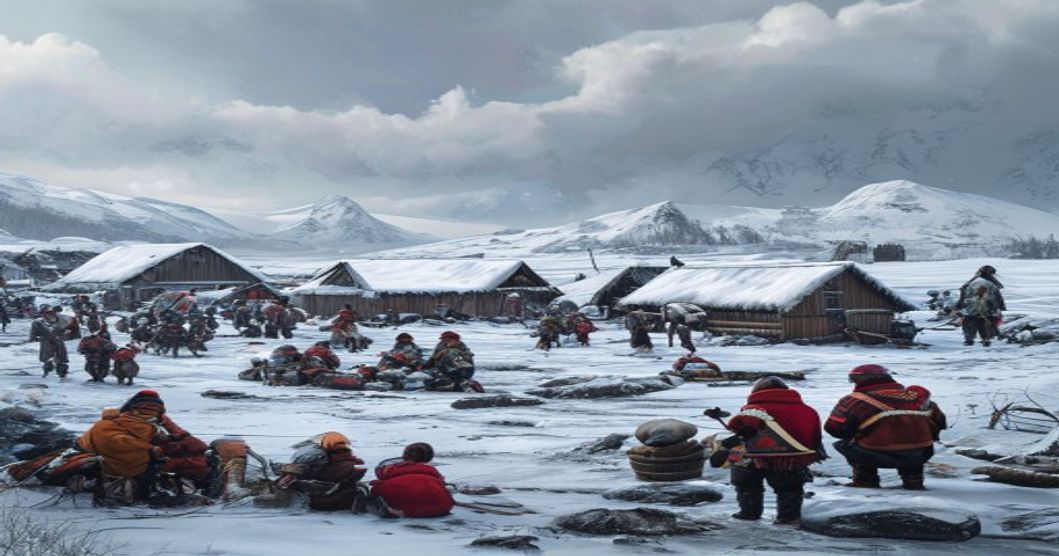
Understanding Arctic Indigenous Communities and Their Lifestyles
Arctic Indigenous populations span multiple continents and encompass over forty distinct groups, including the Inuit across North America and Greenland, the Sámi in Fennoscandia, the Nenets of Siberia, and the Yupik peoples of Alaska. These communities share a foundational survival framework built upon millennia of environmental calibration rather than uniform cultural practices. Each group developed specialized subsistence strategies aligned with microclimates, permafrost conditions, and migratory wildlife corridors. The Inuit engineered kayak technology and insulated parkas from marine mammal skins to navigate open water and extreme cold, while the Sámi and Nenets cultivated symbiotic relationships with reindeer herds, structuring their annual cycles around calving grounds and lichen pastures.
- Traditional ecological knowledge operates as a dynamic scientific system, documenting ice thickness patterns, snowpack composition, and animal behavior through oral transmission and precise seasonal calendars.
- Resource distribution follows kinship-based networks where surplus meat, fat, and hides are allocated according to reciprocal obligations rather than market mechanisms.
- Shelter architecture adapts to terrain stability, utilizing sod insulation, driftwood frameworks, or collapsible lavvu tents that withstand wind velocities exceeding one hundred kilometers per hour.
Community governance relies on consensus-driven decision-making councils where elders mediate disputes and validate seasonal migration routes. Leadership emerges through demonstrated competency in navigation, tracking, and conflict resolution rather than hereditary designation. Language preservation remains critical to cognitive frameworks that encode environmental data; words describing snow conditions, sea ice formation, and animal tracks contain granular classifications absent in colonial languages. Modern infrastructure development, extractive industry expansion, and climate-driven ecosystem shifts disrupt these calibrated systems. Rising temperatures thaw permafrost, destabilize hunting grounds, and alter predator-prey dynamics faster than historical adaptation curves can accommodate.
- Land claim agreements and co-management frameworks now govern resource extraction zones across Canada, Alaska, and northern Eurasia.
- Youth programs integrate satellite mapping with ancestral tracking techniques to document shifting wildlife corridors.
- Indigenous-led research initiatives monitor sea ice salinity levels and lichen regeneration rates using standardized ecological metrics.
Resilience emerges through adaptive governance models that maintain cultural continuity while integrating contemporary monitoring tools. Legal recognition of indigenous title, combined with community-controlled education curricula, reinforces intergenerational knowledge transfer. The persistence of Arctic lifeways demonstrates how localized environmental mastery can inform broader sustainability frameworks without sacrificing cultural autonomy.
Geographical Distribution Across Polar Regions
The geographic footprint of Arctic indigenous populations spans a continuous high-latitude belt extending from approximately 60 to 85 degrees north latitude. This vast expanse crosses three major oceanic basins and multiple continental landmasses, creating a mosaic of tundra, permafrost, ice caps, and boreal transition zones. Political boundaries overlay these natural divisions, fragmenting traditional territories across eight sovereign nations. Settlement density remains extremely low due to harsh climatic constraints, with human presence concentrated along maritime edges where ocean currents moderate temperatures and sustain marine ecosystems.
- Canadian Arctic Archipelago & Mainland: Inuit communities occupy the eastern Canadian Arctic, including Nunavut, Nunavik, Nunatsiavut, and the Inuvialuit Settlement Region. These territories encompass over 2 million square kilometers of coastal lowlands, fjords, and sea ice corridors that dictate seasonal hunting expeditions.
- Alaska & Pacific Northwest: Indigenous groups inhabit a latitudinal gradient from the Bering Sea to the Chukchi Sea. Coastal Yupik and Inupiat settlements cluster near river deltas and kelp forests, while interior Athabascan populations utilize boreal forest networks connected by major drainage systems.
- Siberian & Far Eastern Russia: Indigenous territories stretch across the Yenisei Gulf to the Bering Strait. Nenets and Khanty reindeer herding routes traverse continuous permafrost plateaus, whereas coastal Chukchi and Koryak groups maintain winter camps on frozen tidal flats near the East Siberian Sea.
- Nordic & Greenlandic Sectors: Sámi communities navigate transboundary grazing lands across Finnmark, Lapland, and Murmansk regions. Greenland’s Inuit settlements follow a narrow coastal strip outside the interior ice sheet, relying on pelagic migration paths of narwhal and musk ox.
Geographical distribution directly influences resource procurement strategies, housing architecture, and transport technologies. Traditional movement patterns follow precise ecological calendars synchronized with daylight cycles, sea ice formation, and species migration. Modern infrastructure development, extractive industry expansion, and accelerating thermal shifts are compressing these historic ranges. Contemporary communities increasingly consolidate in coastal municipalities where deep-water ports and all-weather runways enable supply logistics that supplement declining terrestrial hunting grounds.
Historical Migration Routes and Settlement Patterns
The initial peopling of the Arctic occurred through multiple migration waves spanning thousands of years. Early populations crossed the Bering Land Bridge during glacial periods when sea levels dropped significantly, exposing a vast terrestrial corridor between Siberia and Alaska. Subsequent coastal migrations followed the Pacific shoreline, utilizing marine resources to navigate ice-covered regions long before inland routes became viable. Archaeological records indicate that Paleo-Eskimo groups established temporary hunting camps across northeastern Asia and western Alaska, relying on caribou herds and marine mammals for sustenance.
The Pre-Dorset culture emerged around 2500 BCE, characterized by small, mobile settlements adapted to the harsh tundra environment. These communities followed seasonal game migrations, constructing semi-subterranean dwellings insulated with whalebone and turf during winter months. A major demographic shift occurred approximately one thousand years later with the arrival of the Thule people from Alaska. Their expansion across the Canadian Arctic Archipelago and into Greenland introduced advanced maritime technology, including the umiaq boat and sophisticated harpoon systems. These innovations enabled sustained coastal settlements focused on bowhead whale hunting, fundamentally altering resource distribution networks. Genetic analysis of ancient remains confirms a direct lineage between Thule ancestors and modern Inuit populations, while artifact assemblages reveal rapid cultural assimilation of earlier Dorset groups.
Settlement patterns varied dramatically across ecological zones. Coastal communities maintained year-round villages near productive marine ecosystems, while inland populations developed seasonal round-trip routes tied to caribou calving grounds and fishing streams. The Saami peoples of Fennoscandia established transhumance corridors for reindeer herding, moving between summer pastures in the mountains and winter grazing lands in the boreal forest fringe. Each migration strategy reflected precise environmental monitoring, with camp locations determined by wind patterns, ice stability, and historical knowledge passed through generations.
- Coastal Migration Corridors: Utilized ice-free waterways and marine hunting grounds along the Pacific and Atlantic shelves
- Inland Tundra Networks: Followed caribou migration paths between river valleys and mountain passes
- Seasonal Camp Relocation: Adjusted settlement density based on prey availability and extreme weather cycles
- Intercommunity Trade Routes: Exchanged obsidian, copper, and walrus ivory across thousands of kilometers of frozen terrain
Modern archaeological surveys continue to map these ancient pathways using sediment core analysis, radiocarbon dating, and satellite imagery of exposed middens and stone tool scatter sites. The preservation of organic materials in permafrost has provided unprecedented insight into dietary composition, travel distance, and intercommunity trade networks that sustained Arctic populations through millennia of climatic volatility.
Traditional Livelihoods and Resource Management Systems
Arctic Indigenous livelihoods operate on centuries-old subsistence models that integrate precise ecological monitoring, seasonal mobility, and communal resource distribution. Hunting marine mammals, harvesting caribou herds, netting Arctic char, and gathering coastal flora require acute environmental literacy. Hunters read ice formations, track animal migrations across tundra landscapes, and interpret wind patterns to predict weather shifts. This knowledge is not static; it evolves through continuous observation and oral documentation passed between generations.
Resource management relies on customary laws that prioritize long-term ecological balance over immediate extraction. Communities enforce strict harvesting quotas based on population counts, animal health indicators, and breeding cycles. Taboos restrict gathering during critical reproductive periods, while kinship networks dictate how meat, fat, hides, and tools are distributed across households. These systems prevent overharvesting and maintain habitat integrity without written regulations.
- Seasonal Round Navigation: Families follow predetermined migration routes aligned with animal movements, shifting camps between winter hunting grounds, summer fishing sites, and spring gathering zones.
- Customary Harvesting Protocols: Elders and experienced hunters establish seasonal opening dates, specify target species size limits, and mandate immediate sharing of large kills to support vulnerable community members.
- Ecosystem Stewardship Practices: Controlled burns in taiga zones, rotational grazing for reindeer herds, and selective fishing weirs maintain soil fertility, prevent vegetation degradation, and sustain fish spawning beds.
- Knowledge Transmission Mechanisms: Practical training occurs through hands-on participation, story-based instruction, and ritualized skill demonstrations that encode navigation, tool-making, and survival techniques.
Modern pressures from climate acceleration, industrial extraction, and regulatory frameworks challenge these systems. Thawing permafrost disrupts reindeer grazing paths, erratic ice formation compromises seal hunting safety, and shifting fish populations alter traditional catch locations. Indigenous groups respond by integrating satellite tracking, weather modeling, and scientific surveys with ancestral observation methods. Co-management agreements with national governments increasingly recognize customary tenure rights, allowing communities to participate in wildlife quotas, marine protected area designations, and land-use planning.
These livelihood frameworks demonstrate highly efficient resource cycling within extreme environments. By aligning economic activity with ecological carrying capacity, Arctic Indigenous systems maintain biodiversity, reduce waste, and sustain cultural continuity. The operational logic prioritizes resilience, adaptive management, and collective welfare over individual accumulation, offering proven strategies for sustainable resource governance in rapidly changing northern ecosystems.
Seasonal Hunting Practices and Caribou Reindeer Herding
Arctic Indigenous communities have historically structured their survival around precise ecological rhythms. The annual cycle dictates when groups track, hunt, or herd caribou across tundra landscapes. Traditional hunters monitor subtle environmental indicators: ice thickness on rivers, snow depth, wind direction, and vegetation shifts. These observations form a sophisticated seasonal calendar passed through oral tradition rather than written records. Hunting methods adapt to each phase of the caribou migration. Spring expeditions focus on calving grounds where predators concentrate. Summer strategies shift toward river crossings and boggy terrain where animals become vulnerable. Autumn marks the primary harvest window, timed with peak fat accumulation before winter dormancy. Communities utilize spears, nets, and later, firearms, always following strict customary laws that prevent overharvesting.
Reindeer herding developed as a complementary subsistence strategy in northern Eurasia and Scandinavia. Sami and Nenets pastoralists guide semi-domesticated herds across vast migration routes spanning hundreds of kilometers. Herders maintain constant proximity to the animals, reading body language and herd behavior to anticipate movements. Winter pastures require navigating deep snowpacks using specialized sleds and dogs. Summer months involve protecting herds from insects and guiding them toward lichen-rich lowlands. The relationship between herder and animal relies on mutual recognition rather than coercion. Each family unit maintains distinct ear marks and vocal calls that identify individual reindeer within massive mixed groups.
- Spring Tracking: Hunters follow calving grounds using bird behavior and snowmelt patterns to locate vulnerable females.
- Summer Mobility: Communities relocate camp near waterways where caribou congregate during insect season.
- Autumn Harvest: Strategic ambush points are established along natural chokepoints before the first heavy snowfalls.
- Winter Pastoralism: Herders excavate lichen through deep snow using wooden tools while maintaining herd cohesion across frozen plains.
Modern environmental shifts complicate these centuries-old systems. Thawing permafrost alters migration corridors, while industrial development fragments grazing territories. Indigenous knowledge holders continue documenting ecological changes through community-led monitoring programs. Traditional hunting seasons now require real-time adjustments based on satellite imagery and weather forecasts integrated with ancestral wisdom. The persistence of these practices demonstrates adaptive resilience rather than static preservation. Resource management protocols established by elders emphasize reciprocity: taking only what sustains the community while ensuring herd regeneration for future generations.
Navigational Skills, Ice Reading, and Weather Forecasting
Arctic Indigenous navigational competence emerges from centuries of systematic environmental observation rather than mechanical instruments. Travelers interpret terrain through direct tactile feedback, auditory signals, and visual gradients that indicate structural stability across frozen landscapes. Ice formation patterns serve as the primary cartographic reference, with experienced hunters distinguishing between landfast ice, drifting floes, and dynamic pressure ridges by examining surface relief, melt channels, and fracture lines. Blue-tinted ice surfaces typically signal older, denser formations capable of bearing heavy loads, while whitish snow-covered zones often conceal thinner sections vulnerable to collapse. Wind-drift patterns create distinct ridgelines that either protect travel corridors or generate dangerous crevasse networks, requiring constant route adjustment based on real-time snow depth and consolidation levels.
- Lead identification: Narrow water channels appear as dark linear features against white ice, often marked by fresh freeze patterns or drifting brash ice
- Pile-up zones: Stacked ice blocks indicate high-pressure areas where structural integrity remains unpredictable during seasonal thaw cycles
- Snow dune orientation: Parabolic ridges align with prevailing wind direction, revealing exposure levels and drift accumulation rates
- Thaw indicators: Surface pooling, ice worm activity, and color shifts from white to gray precede structural weakening by days or weeks
Atmospheric forecasting relies on layered sensory inputs that track microclimatic shifts before they reach meteorological instruments. Observers monitor auroral behavior, noting how green versus red emissions correlate with geomagnetic storms that frequently precede rapid pressure drops. Cloud morphology provides immediate weather intelligence; mammatus formations signal approaching cold fronts, while lenticular clouds hovering over mountain ranges indicate sustained high-altitude winds that will alter surface drift patterns within hours. Sound transmission across ice surfaces reveals atmospheric temperature gradients, as colder air conducts acoustic signals further, enabling hunters to detect distant storms or shifting pack boundaries. Animal movement serves as a secondary predictive layer, with seabird flight altitudes, caribou trail formations, and fox dening behaviors reflecting upcoming wind velocity and precipitation probability.
- Auroral tracking: Rapid color transitions and vertical column structures indicate magnetic disturbances that disrupt compass reliability
- Wind shift detection: Sudden changes in snow crystal texture or katabatic gust patterns reveal pressure system movement
- Star navigation: Polaris elevation confirms latitude, while Orion’s belt alignment guides seasonal travel corridors during polar night
- Solar positioning: Sun compass principles utilize shadow length and angle to maintain bearing when daylight hours fluctuate drastically
This knowledge system operates through intergenerational transmission, where route memorization combines kinship networks, oral mapping techniques, and experiential validation. Travelers internalize spatial relationships through repeated exposure, constructing cognitive maps that integrate hydrological cycles, ice thickness progression, and seasonal resource availability. Modern environmental changes require continuous adaptation, as altered freeze-thaw cycles demand updated reading protocols while preserving foundational observational principles. The integration of traditional forecasting with contemporary climate data strengthens community resilience without replacing empirical field verification.
Cultural Heritage, Language Preservation, and Social Organization
The cultural heritage of Arctic Indigenous communities functions as an integrated knowledge ecosystem that synchronizes survival strategies with cosmological belief systems. Traditional ecological knowledge encodes precise observations of ice dynamics, weather patterns, and wildlife behavior, enabling sustainable harvesting practices across tundra and maritime environments. Material traditions such as ivory carving, gut-skin garment construction, reindeer hide processing, and bone tool fabrication serve dual purposes: practical utility and narrative transmission. Oral literature—including creation epics, seasonal migration legends, and genealogical recitations—operates as the primary archival mechanism, ensuring historical continuity without reliance on written documentation. Ritual performances, drum ceremonies, and throat singing reinforce communal cohesion while aligning group activities with ecological cycles like caribou calving or narwhal movement.
Language preservation frameworks confront severe attrition pressures stemming from historical assimilation policies, residential schooling disruptions, and digital homogenization. Communities actively deploy immersion preschools, elder-youth mentorship pipelines, and mobile lexical databases to reverse language shift. Documentation initiatives utilize phonetic transcription, high-fidelity audio recording, and computational speech modeling to construct searchable corpora of endangered dialects such as Inuktitut, Kalaallisut, Sámi variants, and Tundra Nenets. Revitalization protocols prioritize intergenerational transmission by embedding terminology into daily routines, municipal signage, and standardized school curricula. Elders maintain authority over grammatical structure, pronunciation norms, and contextual usage while younger generations produce digital media to sustain linguistic visibility across contemporary communication networks.
- Kinship-based resource distribution establishes reciprocal exchange networks that regulate hunting yields, coordinate meat processing duties, and manage seasonal relocations according to collective necessity rather than individual accumulation.
- Consensus-driven governance models replace hierarchical decision-making structures, with community assemblies evaluating proposals through extended dialogue until broad agreement emerges among hunters, trappers, fishers, and cultural practitioners.
- Adaptive administrative frameworks integrate traditional knowledge councils with territorial or municipal institutions, enabling joint land-use planning, wildlife management quotas, and climate adaptation strategies that honor ancestral protocols while satisfying contemporary regulatory requirements.
Social resilience emerges from the continuous calibration between historical continuity and environmental transformation. When permafrost degradation alters hunting territories or marine ice instability disrupts traditional travel corridors, communities recalibrate labor roles without abandoning foundational values. Traditional leadership circles retain authority over cultural protocols while collaborating with scientific researchers to monitor ecosystem shifts. This dual governance approach ensures that economic development, educational programming, and health initiatives remain anchored in communal well-being rather than external market pressures. The sustained transmission of heritage practices, linguistic competence, and collaborative decision-making structures guarantees that Arctic Indigenous societies maintain autonomy over their developmental trajectory.
Oral Traditions, Kinship Networks, and Community Governance
Oral transmission forms the foundational architecture of Arctic Indigenous knowledge systems, functioning as a dynamic repository for ecological data, survival techniques, and spiritual cosmology. Storytelling sessions, often structured around seasonal cycles and celestial events, encode precise information regarding ice stability, animal migration patterns, and weather forecasting. These narratives operate as pedagogical tools that ensure intergenerational continuity of life‑sustaining practices. Knowledge keepers utilize rhythmic chanting, drum ceremonies, and contextual dialogue to embed technical details within memorable frameworks, allowing communities to adapt rapidly to environmental shifts without relying on written documentation.
- Ecological Memory: Detailed accounts of glacial behavior, permafrost dynamics, and species migration are preserved through generations, providing critical baseline data for contemporary climate research.
- Skill Transmission: Hunting techniques, tool manufacturing, and snow shelter construction are demonstrated through guided practice embedded within narrative contexts that reinforce safety protocols.
- Legal & Ethical Frameworks: Customary laws regarding resource allocation, territorial boundaries, and conflict resolution are codified in ancestral tales that dictate communal responsibilities and behavioral expectations.
Kinship networks extend beyond biological relationships to establish reciprocal support structures essential for survival in extreme climates. Clan affiliations determine resource sharing protocols, hunting grounds access, and labor distribution during critical seasons. When a family experiences loss or equipment failure, the broader network mobilizes immediately, ensuring no member faces isolation. This system operates on strict reciprocity rather than charity, with social capital measured by one’s willingness to contribute equally during periods of abundance.
Community governance relies on decentralized consensus mechanisms rather than centralized authority. Elders and experienced hunters convene in open assemblies where decisions regarding camp relocation, hunting quotas, and dispute mediation are reached through prolonged dialogue. Leadership remains situational; individuals gain temporary authority only when their expertise aligns with the immediate challenge. Conflict resolution emphasizes restorative practices, prioritizing community harmony over punitive measures. This adaptive governance model maintains social equilibrium while allowing flexible responses to environmental and economic pressures.
Artistic Expression, Traditional Crafts, and Material Culture
Artistic expression among Arctic Indigenous communities emerges from centuries of ecological adaptation and spiritual worldview, functioning as both a practical survival mechanism and a profound cultural archive. Traditional crafts rely on locally sourced materials that reflect immediate environmental conditions. Carving techniques utilize walrus ivory, bowhead whale bone, caribou antler, and driftwood to create intricate tools, figurines, and ceremonial objects. Each material requires specific knapping, scraping, and polishing methods passed through generational apprenticeship.
- Textile and hide processing involves transforming seal, caribou, or reindeer hides into insulated clothing through fermentation, chewing, and hand-stitching techniques that maintain flexibility in extreme cold.
- Beadwork and embroidery incorporate glass beads, bone fragments, and sinew thread to produce geometric patterns representing celestial navigation routes, animal migration cycles, and clan lineage markers.
- Ritual object fabrication includes drum frames wrapped in stretched hide, painted with shamanic cosmology diagrams, alongside ceremonial masks used during seasonal festivals to honor animal spirits and ensure hunting success.
Material culture extends beyond aesthetic form to encode technical knowledge. Dwelling construction utilizes compressed snow layers for thermal regulation, woven grass mats for floor insulation, and bark or hide coverings that adapt to microclimatic shifts. Tool handles are carved with ergonomic curves matched to hand morphology, while blade edges are heat-treated using controlled combustion methods. These practices require precise timing aligned with animal migration patterns, seasonal light cycles, and lunar phases.
Contemporary artisans maintain continuity by integrating modern cutting tools and synthetic dyes while preserving foundational techniques. Community workshops document endangered motifs through photographic archives and 3D scanning, ensuring intergenerational transfer remains intact. Regional craft cooperatives distribute handcrafted items through ethical trade networks, generating sustainable income while reinforcing cultural identity. Academic institutions collaborate with Indigenous knowledge holders to catalog textile weaves, carving styles, and acoustic properties of traditional instruments, establishing standardized preservation frameworks that respect proprietary spiritual protocols.
The integration of ecological data into artistic design demonstrates sophisticated environmental monitoring systems. Pattern variations signal shifting ice thickness, altered animal behavior, or atmospheric changes long before external measurement tools detect anomalies. This visual epistemology functions as a living climate record, where aesthetic choices directly correlate with survival strategies and cosmological understanding.
Language Revitalization Programs and Educational Frameworks
The decline of Arctic Indigenous languages has triggered systematic interventions across Canada, Greenland, Norway, Sweden, Finland, and Russia. Community-led revitalization programs now operate through structured educational frameworks that prioritize intergenerational transmission and pedagogical sovereignty. Immersion schools form the cornerstone of these efforts, replacing traditional deficit models with asset-based curricula that treat Indigenous languages as primary mediums of instruction rather than supplementary subjects.
- Inuit Nunangat Language Nest Models: Early childhood immersion programs pair elders and fluent speakers with children under six. Daily routines incorporate subsistence vocabulary, ecological terminology, and oral history narration. Curriculum mapping aligns with provincial learning standards while preserving dialect-specific phonetics and grammatical structures.
- Sámi Bilingual Education Infrastructure: Municipal schools across Sápmi integrate Sami languages alongside national curricula through differentiated instruction models. Teacher certification pathways now require demonstrated proficiency in at least one Sámi language, ensuring pedagogical accuracy and cultural contextualization.
- Digital Archival Integration: Universities and tribal councils collaborate to digitize oral archives into searchable linguistic databases. Machine learning algorithms trained on verified speaker corpora support automated speech recognition tools customized for low-resource Arctic languages.
Educational frameworks emphasize place-based pedagogy, where classroom instruction directly connects to local geography, seasonal cycles, and traditional knowledge systems. Assessment methodologies shift from standardized testing to competency-based evaluations measuring functional fluency, narrative coherence, and cultural application. Funding mechanisms increasingly tie resource allocation to measurable community participation rates rather than enrollment metrics alone.
Standardization debates remain central to program design. While unified orthographies facilitate textbook production and cross-regional communication, many communities deliberately maintain dialectal diversity through localized teaching materials and region-specific pronunciation guides. Teacher training institutes now embed indigenous epistemologies into every module, ensuring that language instruction reflects cosmological frameworks rather than colonial pedagogical templates.
Technology adoption accelerates revitalization timelines when paired with linguistic documentation protocols. Mobile applications deliver structured vocabulary drills, conversational practice, and grammatical exercises tailored to specific age cohorts and proficiency levels. Community radio broadcasts and podcast networks provide authentic listening comprehension environments that reinforce classroom learning outside institutional settings.
Environmental Adaptation and Sustainable Ecological Knowledge
Arctic Indigenous populations have developed highly refined survival strategies that function as continuous environmental feedback loops. These communities interpret weather patterns, ice formation rates, and animal migration routes through accumulated generational data rather than isolated observations. Traditional Ecological Knowledge operates as a dynamic scientific framework where resource extraction strictly follows natural regeneration cycles. Hunters track subtle shifts in wind direction, snow density, and auroral activity to predict storm fronts or locate seal breathing holes beneath thick pack ice. This observational precision prevents overharvesting while maintaining predator-prey equilibrium across fragile tundra ecosystems.
Material culture directly mirrors ecological constraints. Layered garments constructed from caribou hide and polar bear fur utilize precise anatomical cuts that trap insulating air pockets while allowing sweat evaporation during high-intensity pursuits. Winter shelters employ snow block engineering where compressed ice crystals create thermal barriers exceeding negative forty degrees Celsius without external fuel sources. Food preservation techniques rely on natural freezing, fermentation, and wind-drying processes that eliminate microbial spoilage while retaining essential nutrients during polar nights.
- Rotational Harvesting Zones: Communities designate specific territories for seasonal use, allowing vegetation and wildlife populations to recover before returning to previously utilized areas.
- Zero-Waste Resource Utilization: Every animal component serves a functional purpose, with bone, sinew, fat, and organs processed into tools, lubricants, medicinal compounds, and structural materials.
- Intergenerational Knowledge Transmission: Elders conduct structured field instruction where youth learn species behavior, terrain navigation, and emergency survival protocols through direct environmental immersion.
- Ecosystem Monitoring Networks: Continuous tracking of permafrost thaw rates, sea ice thickness, and migratory corridor shifts enables proactive adjustments to hunting schedules and settlement locations.
This adaptive architecture requires precise calibration between human activity and ecological carrying capacity. Modern conservation science increasingly validates these indigenous frameworks, as satellite telemetry and genetic sampling confirm that traditional boundary systems maintain biodiversity hotspots more effectively than static protected zones. Climate disruption forces rapid recalibration of centuries-old practices, yet the underlying methodology remains exceptionally robust for modeling sustainable resource management across extreme environments.
Traditional Ecological Monitoring and Ecosystem Balancing
Arctic Indigenous peoples have historically relied on hyper-localized observation systems to track environmental shifts long before satellite imagery or digital sensors existed. Hunters and elders read subtle indicators in ice formation, snow density, wind patterns, and animal behavior to forecast seasonal changes and navigate treacherous landscapes. These monitoring practices are not isolated observations but interconnected datasets passed through oral tradition, song, and practical demonstration. Every detail matters: the color of emerging vegetation signals nutrient availability, the timing of caribou migration dictates camp relocation, and the thickness of river ice determines safe travel routes across frozen waterways.
Sustainable harvesting operates on strict ecological feedback loops rather than fixed calendars. Communities implement rotational hunting zones, seasonal closures when breeding grounds are active, and harvest limits dictated by observed population health rather than arbitrary quotas. When a specific species shows signs of stress or reduced mobility, elders adjust gathering practices immediately. This adaptive management preserves predator-prey dynamics, prevents overgrazing on tundra pastures, and maintains microbial soil health beneath permafrost layers.
- Ice and Water Assessment: Testing ice clarity with augers, monitoring freeze-thaw cycles through acoustic listening, and tracking current shifts via floating debris patterns.
- Wildlife Behavioral Tracking: Noting changes in bird flight altitudes, reindeer antler shedding dates, and marine mammal surfacing intervals to predict resource availability.
- Vegetation and Soil Indicators: Observing lichen growth rates, moss moisture retention, and shrub expansion as baseline metrics for tundra ecosystem stability.
- Seasonal Calendar Alignment: Mapping biological events against astronomical markers to synchronize planting, hunting, and migration schedules with natural rhythms.
Knowledge transmission occurs through direct field immersion rather than classroom instruction. Youth learn by accompanying experienced trackers on multi-day expeditions, memorizing navigation landmarks, and practicing risk assessment in real-time weather conditions. This experiential pedagogy ensures that ecological monitoring remains responsive to rapid environmental fluctuations. The cumulative effect of these practices maintains ecosystem equilibrium, prevents resource depletion, and fortifies community resilience against climatic volatility.
Seasonal Land Use Cycles and Resource Rotation Strategies
The Arctic ecosystem demands a precise alignment between human activity and environmental rhythms, resulting in highly structured seasonal land use cycles. Indigenous groups across the circumpolar north organize their movements around predictable ecological windows rather than fixed calendar dates. Winter operations center on frozen waterways and sea ice, enabling access to marine mammals through carefully mapped breathing holes and seal lairs. As temperatures rise and ice fractures, communities shift toward coastal hunting grounds where walrus and beluga migrations converge with seasonal currents.
- Spring Transition: Melting snowlines trigger inland movement toward caribou calving territories. Hunters track herd density through wind direction and animal behavior patterns while gathering early medicinal plants and repairing watercraft.
- Summer Expansion: Continuous daylight allows extended foraging campaigns across tundra plateaus. Berry harvesting, fish net placement in thawing streams, and tool maintenance occur simultaneously with livestock grazing periods for reindeer herders who manage calving pastures through controlled fire prevention and grazing rotation.
- Autumn Preparation: Decreasing daylight signals retreat to established winter camps. Communities focus on fat storage techniques, ice road construction, and communal processing of harvested meat using traditional wind-drying and freezing methods that preserve nutritional value without refrigeration.
Resource rotation strategies operate through layered territorial management rather than uniform land allocation. Traditional knowledge systems track animal migration corridors, vegetation recovery rates, and ice thickness variations to determine when specific zones require rest periods. Camp locations shift systematically to prevent overexploitation of lichen pastures, seal haul-out sites, and fishing weirs. Elders monitor environmental indicators such as bird flight patterns, snow hardness, and auroral activity to adjust movement timelines dynamically.
Sustainable extraction protocols include strict portion limits during initial harvests, mandatory rest intervals between consecutive visits to productive zones, and communal decision-making regarding seasonal boundaries. These practices emerge from intergenerational observation of ecosystem carrying capacity rather than theoretical conservation models. Modern climate shifts force adaptive recalibration of historical routes, yet the underlying rotational framework remains intact through continuous environmental monitoring and cross-generational knowledge transmission.
Freshwater Management and Permafrost Zone Adaptation
The Arctic permafrost zone dictates a highly constrained hydrological regime where freshwater availability shifts dramatically across seasonal boundaries. Indigenous populations have historically engineered precise water management systems that align with freeze-thaw cycles rather than attempting to override them. Traditional storage relies on insulated ice cellars, deep snow caves, and excavated permafrost pits lined with caribou hides or reinforced geotextiles. These structures maintain sub-zero temperatures year-round, preserving meltwater, precipitation, and spring runoff for winter consumption and livestock hydration without mechanical intervention.
As seasonal thaw progresses, communities navigate rapidly changing water tables and surface drainage patterns. Permafrost degradation creates thermokarst depressions that temporarily increase surface water volume while simultaneously disrupting groundwater recharge pathways. Indigenous hydrological knowledge maps these transient features through oral topography, tracking ice road stability, spring emergence points, and sub-surface talik zones where unfrozen ground permits seasonal flow. Water extraction shifts between drilled wells, frozen river channels, and carefully monitored thaw lakes, each requiring precise timing to avoid contamination from organic matter leaching during peak melt periods.
- Ground-based refrigeration: Excavating into stable permafrost layers creates natural cold-storage units that inhibit bacterial proliferation without external power sources.
- Seasonal routing infrastructure: Brush barriers, compacted snow fences, and shallow earthen trenches direct meltwater toward designated collection basins before it disperses across vulnerable tundra surfaces.
- Quality assessment protocols: Community hydrologists evaluate ice density, water turbidity, and surrounding vegetation indicators to establish safe extraction windows and detect heavy metal mobilization from thawing organic soils.
Modern infrastructure stress compounds these traditional practices. Rising temperatures destabilize foundation supports in permanent settlements, fracture underground piping networks, and alter aquifer recharge rates. Indigenous water authorities now combine satellite-derived soil moisture metrics with generational field observations to model catchment behavior and predict surface runoff timing. This hybrid methodology guides the placement of new reservoirs, reinforces drainage gradients, and identifies critical wetland buffers that naturally filter sediment and regulate flow velocity. Adaptation remains fundamentally proactive, embedding hydrological forecasting into seasonal migration calendars and resource allocation frameworks.
Contemporary Challenges and Socioeconomic Transformations
Arctic Indigenous populations confront compounding environmental and economic pressures that directly destabilize centuries-old subsistence patterns. Accelerated ice melt and permafrost degradation fracture established hunting corridors, disrupt caribou migration cycles, and compromise marine mammal harvests. These ecological disruptions force rapid dietary shifts toward imported commodities, increasing food insecurity while simultaneously eroding intergenerational transfer of ecological literacy. Industrial resource extraction, including open-pit mining, offshore drilling, and expanded shipping lanes, introduces competing land-use frameworks that frequently operate alongside indigenous territories with limited free, prior, and informed consent protocols.
Economic modernization trajectories generate parallel socioeconomic transformations. Traditional reciprocity networks gradually intersect with wage labor markets, commercial fisheries, and remote contracting sectors. Monetary integration improves infrastructure accessibility yet concurrently triggers localized inflation, commodity dependency, and fragmentation of communal resource management systems. Educational institutions increasingly incorporate bilingual curricula alongside seasonal harvesting modules, attempting to preserve linguistic heritage while preparing youth for regional employment markets. Municipal partnerships with indigenous governance bodies now prioritize hybrid economic models, deploying solar-wind microgrids, certified wild-harvest cooperatives, and culturally regulated tourism initiatives. Benefit-sharing agreements redirect extractive royalties toward community-managed healthcare facilities, vocational academies, and digital archiving projects. Despite these structural adjustments, systemic underfunding, inadequate housing stock, and specialist healthcare shortages remain entrenched in remote settlements. Long-term resilience depends on scaling locally directed development corridors, securing cross-border climate adaptation financing, and formally integrating indigenous ecological monitoring into regional policy frameworks.
- Land Tenure & Resource Sovereignty: Legal recognition of ancestral territories remains inconsistent across Arctic states, limiting community control over waterways, mineral rights, and traditional grazing zones.
- Digital Infrastructure Gaps: Limited broadband connectivity restricts access to telemedicine, remote learning platforms, and global marketplaces for indigenous artisans and digital content creators.
- Healthcare Workforce Deficits: High turnover of medical personnel in extreme climates creates reliance on rotating specialist teams, complicating chronic disease management and maternal care continuity.
Climate Change Impacts on Sea Ice Stability and Wildlife Migration
The rapid degradation of Arctic sea ice fundamentally disrupts the biological and seasonal rhythms that Arctic Indigenous communities have relied upon for millennia. Thinning ice sheets and shortened freeze periods alter the timing and reliability of marine mammal populations, particularly ringed seals and bearded seals, which form the foundation of traditional winter diets. When ice fails to stabilize before spring melt, hunting routes become unpredictable, forcing hunters to travel longer distances over unsafe terrain or postpone harvests entirely. This instability directly correlates with declining protein availability in remote villages where commercial food imports carry prohibitive logistical costs.
- Seasonal Timing Shifts: Marine mammals now breed and molt earlier, desynchronizing from historical hunting windows documented through oral records and generational tracking systems.
- Migration Route Displacement: Caribou herds shift grazing patterns northward or to higher elevations due to altered vegetation cycles and increased insect pressure, leaving traditional spring calving grounds unused by Indigenous groups.
- Pack Ice Fragmentation: Reduced ice cohesion prevents safe overland travel during winter months, increasing exposure to hypothermia and limiting access to seasonal fish weirs and bird nesting sites.
Thermal erosion of coastal permafrost further accelerates shoreline retreat, destroying established camp locations and contaminating freshwater lenses with saltwater intrusion. Wildlife species such as bowhead whales and belugas adjust their migratory corridors in response to opening waterways, often moving closer to populated settlements where collision risks with commercial vessels increase. Indigenous hunters must now integrate real-time satellite data and atmospheric forecasting into traditional ecological knowledge, adapting navigation techniques that historically depended on consistent ice texture and predictable wind patterns. The compounding effect of these environmental shifts threatens the transmission of subsistence skills across generations, as younger community members encounter fewer opportunities to practice seasonal harvests under stable conditions.
Municipal infrastructure faces parallel stress from degraded ground stability and extended thaw seasons, complicating storage facilities for frozen meat and fish. Community-led monitoring programs document these ecological transitions through standardized catch records and ice thickness measurements, providing critical data for regional adaptation planning. The intersection of accelerating cryosphere loss and biological range shifts demands coordinated policy frameworks that prioritize Indigenous sovereignty over land use decisions while supporting localized food system resilience.
Industrial Development, Mining Expansion, and Land Rights Negotiations
The push for industrial development across Arctic territories has fundamentally altered the socioeconomic landscape for Indigenous populations who have sustained traditional livelihoods for millennia. Extractive industries, particularly gold, nickel, rare earth elements, and offshore hydrocarbon projects, draw substantial investment due to climate-driven accessibility and global demand for critical minerals. This expansion intersects directly with ancestral hunting grounds, migratory caribou routes, and fragile tundra ecosystems. Communities such as the Sámi in Scandinavia, Inuit in Nunavut, and Gwich’in in Alaska face direct pressure when corporate infrastructure fragments reindeer pastures or contaminates waterways essential to subsistence practices.
Negotiating land rights has evolved into a complex legal and diplomatic process. Modern frameworks increasingly recognize Free, Prior, and Informed Consent as a baseline standard for resource projects impacting Indigenous territories. Comprehensive land claim agreements established over recent decades grant co-management authority over wildlife, water, and land use planning. These arrangements require joint regulatory boards where Indigenous appointees hold equal voting power with government representatives.
- Land use permits mandate independent environmental impact assessments validated by traditional ecological knowledge holders.
- Revenue-sharing agreements tie corporate royalties directly to community infrastructure, healthcare, and language preservation programs.
- Dispute resolution mechanisms utilize binding arbitration panels with rotating membership from federal agencies and Indigenous councils.
Industrial expansion also catalyzes internal community dynamics, generating both economic opportunities and cultural fragmentation. Wage-based employment shifts younger generations away from seasonal harvesting, while infrastructure development introduces housing shortages and price inflation in remote settlements. In response, many Indigenous organizations have established enterprise corporations that negotiate equity stakes, training commitments, and supply chain integration directly with mining consortia. Environmental stewardship programs increasingly pair traditional monitoring techniques with satellite telemetry to track extraction impacts. Regulatory agencies now require adaptive management plans that pause operations when wildlife migration patterns or permafrost thaw rates exceed predefined thresholds. The ongoing negotiation process continues to redefine Arctic resource governance, balancing global supply chain demands with the preservation of Indigenous sovereignty and ecological resilience.
Digital Connectivity, Youth Education, and Economic Diversification
High‑latency satellite networks and permafrost degradation have historically limited broadband deployment across Inuit Nunangat, Sápmi, and Siberian Arctic territories. Recent municipal fiber expansions and low Earth orbit constellation deployments are shifting this baseline. Community-owned mesh networks now route traffic through local hubs, reducing reliance on external providers while keeping data sovereignty intact. Telemedicine portals connected to these networks cut specialist referral times by sixty percent in Nunavut health authorities. Digital archives preserve oral histories, carvings, and seasonal hunting routes in formats accessible to dispersed family members across time zones.
- Low Earth orbit satellites deliver symmetric speeds above five megabits per second to settlements previously limited to dial‑up equivalents.
- Community data centers store climate models, fisheries quotas, and land claim documents on encrypted servers located within territorial borders.
- Satellite uplink stations double as training grounds for indigenous technicians certified in network engineering and cybersecurity.
Secondary curricula now integrate traditional ecological knowledge with applied technology modules. Teachers pair seasonal observation records with remote sensing imagery, enabling students to map ice thickness changes using open‑source GIS tools. Bandwidth‑optimized learning management systems sync lesson
Policy Frameworks, Self-Governance, and Long-Term Resilience
Modern policy frameworks governing Arctic territories increasingly prioritize Indigenous sovereignty over historical colonial models. Comprehensive land claim agreements, such as the Nunavut Land Claims Agreement and the Inuvialuit Final Agreement, establish legal foundations for resource control, revenue sharing, and cultural protection. These treaties align with international standards like the United Nations Declaration on the Rights of Indigenous Peoples, yet implementation gaps persist due to jurisdictional overlaps and funding delays.
Self-governance structures enable communities to design education curricula that integrate traditional ecological knowledge with modern sciences. Local councils manage fisheries quotas, hunting regulations, and infrastructure development through decentralized decision-making processes. The Inuit Circumpolar Council facilitates transboundary cooperation across Alaska, Canada, Greenland, and Russia, ensuring consistent advocacy on climate mitigation, shipping route regulation, and biodiversity conservation.
- Legal Autonomy: Community-led legislation addresses housing standards, language preservation, and youth employment initiatives tailored to extreme environmental conditions.
- Economic Diversification: Revenue from mineral extraction and tourism is reinvested into cooperative enterprises that reduce dependency on imported goods and seasonal subsidies.
- Climate Adaptation: Early warning systems, permafrost monitoring networks, and traditional ice road navigation techniques are combined with satellite data to maintain mobility during unpredictable weather patterns.
Long-term resilience depends on intergenerational knowledge transfer mechanisms embedded in municipal planning. Elders participate in zoning committees, ensuring that settlement expansion avoids critical wildlife corridors and sacred sites. Renewable energy microgrids powered by wind and tidal systems replace diesel generators, lowering operational costs while minimizing ecological disruption. Policy enforcement agencies now employ community monitors who track environmental compliance near mining and drilling operations.
Financial sustainability strategies incorporate impact benefit agreements that mandate local hiring percentages and profit reinvestment. Educational institutions collaborate with federal ministries to certify traditional crafts and navigation skills as accredited vocational pathways. Cross-jurisdictional data sharing platforms standardize health metrics, food security indicators, and infrastructure maintenance schedules across remote municipalities.
Funding models now require transparent auditing of resource royalties, directing capital toward mental health services, elder care facilities, and digital connectivity upgrades. Municipal budgets allocate fixed percentages to cultural preservation programs that document oral histories and revitalize seasonal migration routes. Regulatory bodies enforce strict environmental impact assessments before approving external development projects.
Legal Recognition of Indigenous Territories and Resource Access
The legal recognition of indigenous territories across the Arctic has evolved through decades of litigation, treaty negotiations, and international advocacy. Domestic land claim agreements in Canada, Greenland, Norway, Russia, and the United States establish distinct frameworks for territorial jurisdiction and resource management. These instruments typically transfer surface and subsurface rights to indigenous corporations or governing bodies while preserving hunting, fishing, and gathering privileges on crown lands. Legal titles often require complex boundary surveys that integrate traditional ecological knowledge with modern cartography, ensuring precise delineation of ancestral ranges.
International instruments such as the United Nations Declaration on the Rights of Indigenous Peoples and ILO Convention No. 169 provide foundational principles for free, prior, and informed consent regarding development projects within recognized territories. Arctic states increasingly align domestic legislation with these standards to mitigate litigation risks and secure investment stability. Self-governance agreements grant indigenous councils authority over land use planning, environmental impact assessments, and revenue distribution from mineral, oil, and gas extraction. Institutional structures like the Sami Parliaments in Scandinavia and the Inuit Circumpolar Council facilitate cross-border coordination on resource policy and customary law enforcement.
Resource access rights remain heavily contested due to overlapping federal, provincial, and corporate claims. Indigenous communities frequently navigate licensing regimes that prioritize industrial extraction over seasonal migration routes and sacred sites. Successful legal models incorporate co-management boards where indigenous representatives hold veto power or mandatory consultation thresholds during exploration phases. Revenue-sharing mechanisms fund infrastructure, language revitalization programs, and climate adaptation initiatives, though enforcement gaps persist in remote jurisdictions. Judicial precedents consistently reinforce the necessity of honoring historical treaties while adapting territorial boundaries to shifting ecological zones and commercial demands.
- Territorial Jurisdiction: Mixed-use frameworks balance state sovereignty with indigenous land title, often requiring statutory amendments to recognize customary property rights.
- Resource Licensing: Extraction permits now routinely include binding consultation clauses, environmental baseline studies, and profit-royalty splits negotiated directly with territorial councils.
- Dispute Resolution: Arbitration panels and specialized indigenous courts address boundary encroachments, water rights conflicts, and wildlife protection violations without defaulting to colonial legal systems.
Co-Management Agreements with National and Regional Authorities
Co-management frameworks represent a structural shift in Arctic resource governance, transitioning from centralized state control toward legally recognized shared authority between Indigenous governing bodies and federal or territorial agencies. These arrangements typically materialize through binding land claim settlements, wildlife management boards, and joint regulatory committees that mandate equal representation for Indigenous stakeholders.
In Canada, the Nunavut Land Claims Agreement established regional wildlife boards that coordinate hunting quotas, habitat protection, and species monitoring by integrating scientific telemetry data with Traditional Ecological Knowledge. The Inuvialuit Final Agreement operates similarly through the Inuvialuit Game Board, which sets harvest limits for polar bear, caribou, and narwhal populations across overlapping jurisdictions. Scandinavian nations utilize Sámi reindeer husbandry districts that collaborate with national environmental agencies to establish grazing boundaries and monitor tundra degradation, though these structures frequently lack binding enforcement powers.
Alaska employs a hybrid regulatory model where Native corporations, state wildlife divisions, and federal fishery councils negotiate subsistence allocations that sustain local food systems while meeting international conservation benchmarks. Successful implementation requires standardized data-sharing protocols, dedicated funding for community-led monitoring initiatives, and transparent adjudication procedures for resource disputes.
- Legal Foundation: Land claim settlements and constitutional recognitions provide the statutory basis for joint decision-making authority.
- Data Integration: Continuous merging of satellite telemetry, ice condition reports, and generational ecological observations creates dynamic management models.
- Economic Alignment: Harvest quotas directly correlate with seasonal availability, ensuring subsistence priorities remain central to commercial licensing processes.
When functioning effectively, co-management reduces regulatory friction, aligns conservation targets with seasonal migration corridors, and protects culturally specific harvesting cycles that industrial frameworks typically disregard. Persistent operational barriers include fragmented legal authority across provincial boundaries, administrative delays in board recommendations, and limited technical infrastructure within remote settlements to analyze complex ecological datasets. Recent legislative amendments in Nunavut and Greenland have strengthened these arrangements by granting co-management bodies conditional veto authority over commercial extraction permits and mandating Indigenous knowledge integration during baseline environmental impact assessments.
Adaptive management clauses now require quarterly reporting mechanisms and independent third-party audits to ensure compliance with agreed harvest ceilings and habitat restoration milestones. The long-term viability of Arctic resource governance depends on institutionalizing these partnerships as permanent administrative entities rather than temporary policy accommodations.
Cultural Tourism, Heritage Preservation, and Intergenerational Knowledge Transfer
The evolution of Arctic cultural tourism has shifted from externally managed exhibitions to community-controlled frameworks that prioritize economic sovereignty and narrative accuracy. Indigenous-led enterprises now design itineraries that align with seasonal ecological rhythms, ensuring visitor engagement respects territorial boundaries and spiritual protocols. This model generates sustainable revenue streams while funding local infrastructure, language programs, and environmental monitoring initiatives. Travelers participating in these experiences gain direct exposure to traditional navigation techniques, ice safety practices, and seasonal harvesting methods, transforming passive observation into active cultural exchange.
Heritage conservation operates through parallel channels that bridge historical continuity with contemporary documentation. Digital archiving projects capture oral histories, vocalizations, and technical vocabularies before climate disruption accelerates environmental change. Material culture preservation relies on community workshops where master artisans teach fur preparation, bone carving, and textile weaving using region-specific tools. These initiatives receive structured support through provincial heritage grants and UNESCO intangible cultural property frameworks, enabling systematic cataloging of artifacts while maintaining living practice standards.
- Land-based mentorship programs pair elders with youth during hunting, fishing, and trapping seasons to transmit survival techniques and ecological observation methods.
- Digital storytelling collectives utilize immersive mapping software to record place names, migration routes, and historical landmarks for educational deployment.
- Apprenticeship networks fund technical training in traditional craft production, ensuring market viability alongside cultural authenticity.
Knowledge transmission faces pressure from rapid environmental shifts and demographic mobility, yet adaptive strategies maintain continuity. Schools integrate territorial case studies with standardized curricula, allowing students to analyze historical climate data alongside traditional weather forecasting indicators. Community governance structures establish permitting systems for research collaborations, ensuring academic institutions compensate participants fairly and adhere to indigenous data sovereignty protocols. This structured approach safeguards intellectual property rights while facilitating cross-cultural documentation that strengthens regional resilience against external exploitation.
“`html
Frequently Asked Questions
What is Arctic Indigenous Communities and Their Lifestyles?
Arctic Indigenous communities are the original inhabitants of the circumpolar Arctic region, which spans across Alaska, Canada, Greenland (Denmark), Iceland, Norway, Russia, and Sweden. These groups include the Inuit, Yupik, Sámi, Chukchi, Nenets, Gwich’in, Iñupiat, and many other distinct peoples. Their lifestyles are deeply intertwined with the Arctic environment, characterized by traditional practices such as reindeer herding, hunting (seals, whales, caribou), fishing, ice fishing, and seasonal migration. Modern Arctic Indigenous communities navigate a complex balance between preserving ancestral customs and adapting to rapid environmental, economic, and political changes brought by globalization and climate change.
Key facts about Arctic Indigenous Communities and Their Lifestyles?
- The Arctic is home to over 40 distinct Indigenous peoples and more than 50 languages.
- Traditional knowledge systems—such as ice-reading, navigation by stars, and weather prediction—are highly sophisticated and passed down orally through generations.
- Reindeer herding, practiced primarily by Sámi and Nenets peoples, supports the livelihoods of hundreds of thousands across northern Scandinavia and Siberia.
- Indigenous communities rely heavily on subsistence hunting and fishing; these activities are not only economic but also central to cultural identity and spiritual beliefs.
- The Arctic is warming at approximately twice the global average rate, threatening traditional food sources, infrastructure, and way of life for Indigenous peoples.
- Many Arctic Indigenous groups have established self-governance bodies, such as Nunavut in Canada and Sámi Parliaments in Scandinavia, to protect their land rights and cultural heritage.
“`
“`json
{
“@context”: “https://schema.org”,
“@type”: “FAQPage”,
“mainEntity”: [
{
“@type”: “Question”,
“name”: “What is Arctic Indigenous Communities and Their Lifestyles?”,
“acceptedAnswer”: {
“@type”: “Answer”,
“text”: “
Arctic Indigenous communities are the original inhabitants of the circumpolar Arctic region, which spans across Alaska, Canada, Greenland (Denmark), Iceland, Norway, Russia, and Sweden. These groups include the Inuit, Yupik, Sámi, Chukchi, Nenets, Gwich’in, Iñupiat, and many other distinct peoples. Their lifestyles are deeply intertwined with the Arctic environment, characterized by traditional practices such as reindeer herding, hunting (seals, whales, caribou), fishing, ice fishing, and seasonal migration. Modern Arctic Indigenous communities navigate a complex balance between preserving ancestral customs and adapting to rapid environmental, economic, and political changes brought by globalization and climate change.
”
}
},
{
“@type”: “Question”,
“name”: “Key facts about Arctic Indigenous Communities and Their Lifestyles?”,
“acceptedAnswer”: {
“@type”: “Answer”,
“text”: “
- The Arctic is home to over 40 distinct Indigenous peoples and more than 50 languages.
- Traditional knowledge systems—such as ice-reading, navigation by stars, and weather prediction—are highly sophisticated and passed down orally through generations.
- Reindeer herding, practiced primarily by Sámi and Nenets peoples, supports the livelihoods of hundreds of thousands across northern Scandinavia and Siberia.
- Indigenous communities rely heavily on subsistence hunting and fishing; these activities are not only economic but also central to cultural identity and spiritual beliefs.
- The Arctic is warming at approximately twice the global average rate, threatening traditional food sources, infrastructure, and way of life for Indigenous peoples.
- Many Arctic Indigenous groups have established self-governance bodies, such as Nunavut in Canada and Sámi Parliaments in Scandinavia, to protect their land rights and cultural heritage.
”
}
}
]
}
“`