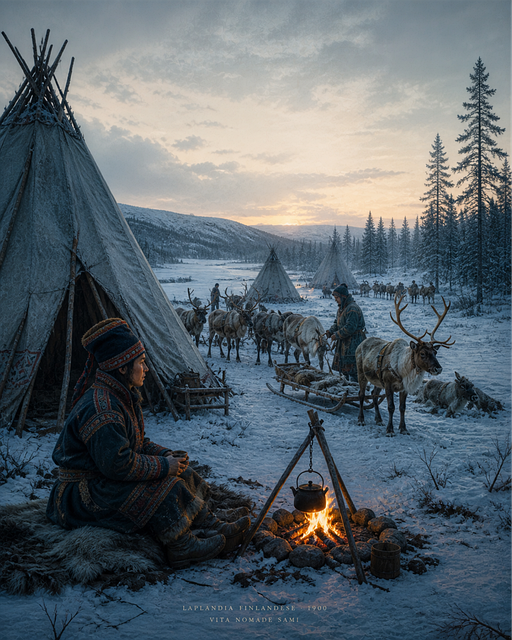
Imagine a community that thrives in some of the harshest climates on the planet, yet remains vibrant and resilient. The Sami people, who inhabit parts of Norway, Sweden, Finland, and Russia, are the original inhabitants of these lands, with a history that stretches back thousands of years. Their relationship with the environment teaches us a profound respect for nature that many modern cultures could use a lesson on. Think of them as the guardians of the Arctic, adapting their way of life through hunting, fishing, and reindeer herding to something wonderfully sustainable. How cool is that?
But it doesn’t stop there! Sami traditions, languages, and crafts are like the threads in the rich tapestry of European identity. Their unique perspectives on community, spirituality, and nature intertwine with European culture, enhancing our collective narrative. Just like a song that brings people together, the Sami contribute a melodic note that resonates through history.
Echoes of the North: Unraveling the Vital Role of Sami Culture in European Heritage
Think about it: the Sami way of life is a vibrant tapestry of reindeer herding, traditional Yoik singing, and stunning craftsmanship. Each element is not just a practice; it’s a story, a connection to the earth that many have forgotten in our fast-paced world. When you hear a Yoik, it’s like listening to the whispers of the land—each note infused with ancestral memories and emotions that span generations. Isn’t it fascinating how music can serve as a bridge connecting us to our history?
Moreover, the Sami’s relationship with nature is nothing short of poetic. They interpret the rhythms of the seasons in ways that many city dwellers might overlook. For them, the reindeer aren’t just livestock; they’re family, the lifeblood of a culture that thrives on respect and sustainability. Picture this: in a society grappling with climate change and environmental degradation, isn’t it refreshing to learn from those who’ve lived harmoniously with the land for centuries?
And let’s not ignore the artistic side! Sami handicrafts, from intricate silverwork to colorful woven textiles, are not just beautiful—they’re symbols of resilience and identity. Each piece narrates its own saga, enhancing our understanding of European cultural diversity.
Sami Voices in History: How Indigenous Perspectives Enrich Our Understanding of Europe
Imagine wandering through the snow-draped landscapes of the Arctic, where the Sami have thrived for thousands of years. Their rich oral traditions and deep connection to the land offer insights that mainstream narratives often overlook. When we listen to Sami stories, we hear tales of resilience and harmony with nature. Doesn’t that make you wonder how much we miss in our standard history books?
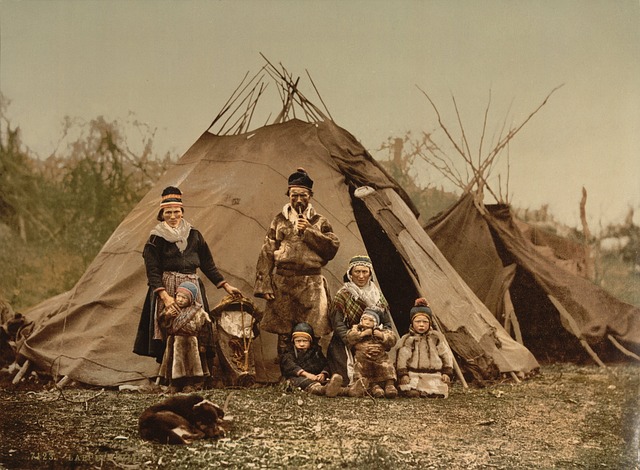
Take the traditional Sami practice of reindeer herding, for example. It’s not just a livelihood; it’s a way of life that emphasizes sustainability and respect for the environment. As Europe grapples with climate challenges, could we learn a thing or two from the Sami’s sustainable practices? By integrating these indigenous perspectives, we can transform our historical understanding and address contemporary issues.
The Sami have also faced their fair share of struggles—colonization, cultural erasure, and modern inequalities. Their narratives of resistance and identity aren’t just part of their history; they intertwine with Europe’s broader story. Think about it: understanding the Sami experience enriches our entire comprehension of Europe as a mosaic of cultures rather than a monolithic narrative.
From Reindeer to Resistance: The Sami People’s Enduring Influence on European History
Did you know the Sami are among the world’s few remaining indigenous groups that have thrived despite centuries of outside pressure? Their struggles and resilience are woven into the very fabric of European history. Picture this: as empires rose and fell around them, the Sami maintained their unique identity, resisting assimilation while showcasing their rich heritage. Isn’t that incredible?
Picture the vibrant markets in the far North, where Sami herders exchange goods from reindeer herding to handicrafts, creating a cultural exchange that transcends borders. Their contributions to folklore are omnipresent, bringing stories of nature, sustainability, and harmony with the environment into the European narrative. Think of them as nature’s custodians, preserving the Arctic’s delicate ecosystems for generations.
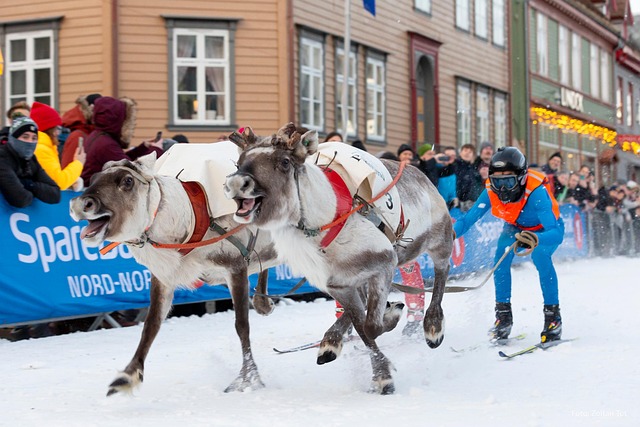
And let’s not overlook the ongoing political movement. The Sami have become a beacon of indigenous rights across Europe, advocating for land rights and cultural preservation. They’ve shown the world that resistance isn’t just about fighting back; it’s about thriving and inspiring change. When the Sami speak out, they resonate, sending ripples of awareness through the veins of European society.
Cultural Crossroads: The Sami Legacy and Its Significance in Shaping European Identity
Why does the Sami legacy matter in shaping European identity? Well, it’s like a cornerstone of understanding diversity. The Sami offer a unique perspective that challenges the dominant narratives often found in mainstream European culture. Their language, music, and vibrant clothing tell stories of a world deeply intertwined with nature, where reindeer herding and fishing play vital roles. Think of it as stepping into a living history book, where each chapter invites us to appreciate the interconnectedness of human experience.
The impact of the Sami extends beyond their geographic borders. As Europe grapples with questions of identity and belonging, the Sami remind us of the importance of preserving cultural heritage in the face of globalization. They’ve become symbols of environmental awareness and sustainable living, teaching us the value of coexisting with nature rather than exploiting it. In essence, the Sami culture acts as a mirror, reflecting both the beauty and the challenges of modern European society.
Beyond Borders: The Sami Contribution to Europe’s Cultural Mosaic
Imagine wandering through snow-dusted landscapes where reindeer graze under the shimmering Northern Lights. This isn’t just a postcard scene; it’s a glimpse into the Sami way of life—rooted in nature, tradition, and community. The Sami have a unique language, intricate folk music, and mesmerizing handicrafts that tell stories of their connection to the land. Their traditional yoik songs, for instance, are like echoes of deep emotions and ancestral spirits. How cool is it that a simple melody can encapsulate a whole world of experience?
But the Sami’s contribution goes beyond the beautiful arts. They stand as a testament to resilience and adaptation in the face of modernization and climate change. Their traditional knowledge of sustainable living is crucial as we navigate contemporary environmental challenges. Think of them as the wise, ancient trees in a forest, offering insight and lessons to the younger plants struggling to thrive.
By embracing the Sami culture, Europe doesn’t just celebrate diversity; it recognizes an essential part of its own story. It’s about unity within the variety. So, the next time you’re basking in the rich heritage of Europe, remember that hidden gems lie beyond the usual tourist paths, waiting to reveal the beauty of the Sami contribution to our shared cultural mosaic. Isn’t it time we explore it?
Sami Traditions: A Key to Understanding the Depths of European History
Imagine living in the Arctic, where the sun sometimes doesn’t set for weeks. The Sami have adapted, not just surviving but thriving amid this stark beauty. Their traditions, passed down through generations, are intricately woven with nature. Ever heard of reindeer herding? It’s not just a livelihood; it’s a way of life, embodying their respect for the land and its cycles. It’s like an unbreakable bond between the Sami and their environment.
But Sami traditions go beyond just herding. Have you ever listened to joik? This traditional form of song is an auditory experience that tells stories about people, places, and even feelings. It’s not merely music; it’s a living narrative, connecting listeners to the cultural heartbeat of the Sami. Each joik is as unique as a fingerprint, bursting with identity and emotion.
Frequently Asked Questions
Why is it important to preserve Sami culture today?
Preserving Sami culture is crucial for maintaining the identity and heritage of the Sami people, who have unique traditions, languages, and ways of life. It fosters cultural diversity, promotes understanding, and ensures that future generations can connect with their roots. Additionally, safeguarding this culture helps combat marginalization and supports the rights of indigenous peoples in a rapidly changing world.
How has Sami culture shaped European identity and history?
Sami culture has contributed to European identity and history by influencing the region’s understanding of indigenous rights, environmental stewardship, and cultural diversity. Their traditional practices, such as reindeer herding and distinctive craftsmanship, highlight the interplay between nature and sustainability. Moreover, the Sami’s resilience in preserving their language and customs in the face of globalization enriches Europe’s cultural tapestry and challenges narratives of homogeneity.
How did Sami traditions influence European societies?
The influence of Sami traditions on European societies is evident in several cultural aspects, including art, music, and sustainable living practices. Their deep connection with nature and reindeer herding methods have inspired environmental awareness and conservation efforts. Additionally, Sami folklore and storytelling have enriched European literary traditions, while their unique craftsmanship has contributed to regional art forms, promoting a greater appreciation for indigenous cultures.
What is Sami culture and its historical significance in Europe?
Sami culture encompasses the traditions, languages, and lifestyles of the indigenous Sami people inhabiting parts of northern Norway, Sweden, Finland, and Russia. With a history dating back thousands of years, their unique cultural practices, such as reindeer herding, traditional crafts, and music, highlight their deep connection to the Arctic environment. Historically, Sami culture reflects resilience and adaptation, facing various challenges from colonization and modernization, while maintaining a rich heritage that contributes to Europe’s cultural diversity.
What are the key elements of Sami cultural heritage?
Sami cultural heritage encompasses traditional music, crafts, languages, and lifestyles closely tied to nature. Key elements include the distinctive joik singing, vibrant handicrafts like duodji, the reindeer herding practices essential for sustenance, and the preservation of indigenous languages that reflect their history and identity. Understanding these aspects is crucial for appreciating Sami resilience and cultural significance.