Across the span of history, there have been a handful of rulers whose legacies earned them the epithet “the Great.” These leaders command attention not only for the breadth of their authority but for the lasting impact of their decisions. Some oversaw peaceful prosperity, while others steered nations through brutal wars. What unites them is the scale of their influence and the enduring debate about their actions.
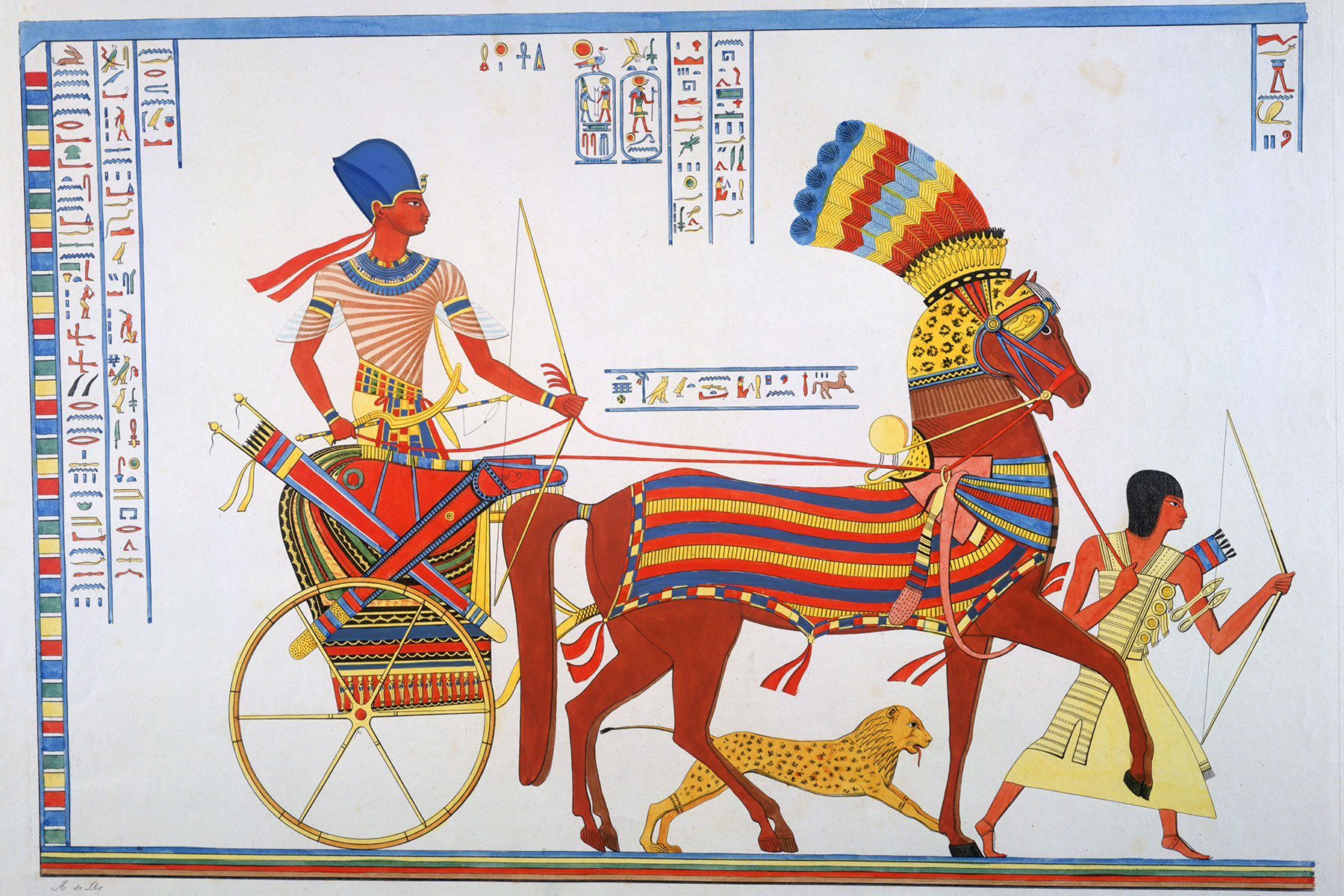
Ramses II of Egypt demonstrates that diplomacy can outlast battles. Though he pursued Kadesh with military vigor, a later peace treaty with the Hittites—dated around 1259 BCE—established a durable nonaggression pact and mutual aid arrangement. This pact, sealed by strategic marriages and long-term alliance-building, helped anchor a prosperous reign from 1279 to 1213 BCE, during which monumental temples and monuments flourished.
Ramses the Great Negotiated the Oldest Surviving Peace Treaty
Alexander the Great reshaped the ancient world by expanding Macedon into three continents. His conquests began with the unification of the Greek city-states, then swept through the Persian Empire, culminating in a vast realm centered at Alexandria. Though his soldiers pressed onward toward India, his empire’s breadth continued to influence European, Asian, and African cultures long after his death, giving rise to the Hellenistic age that followed.
Alexander the Great’s Empire Spanned Three Continents
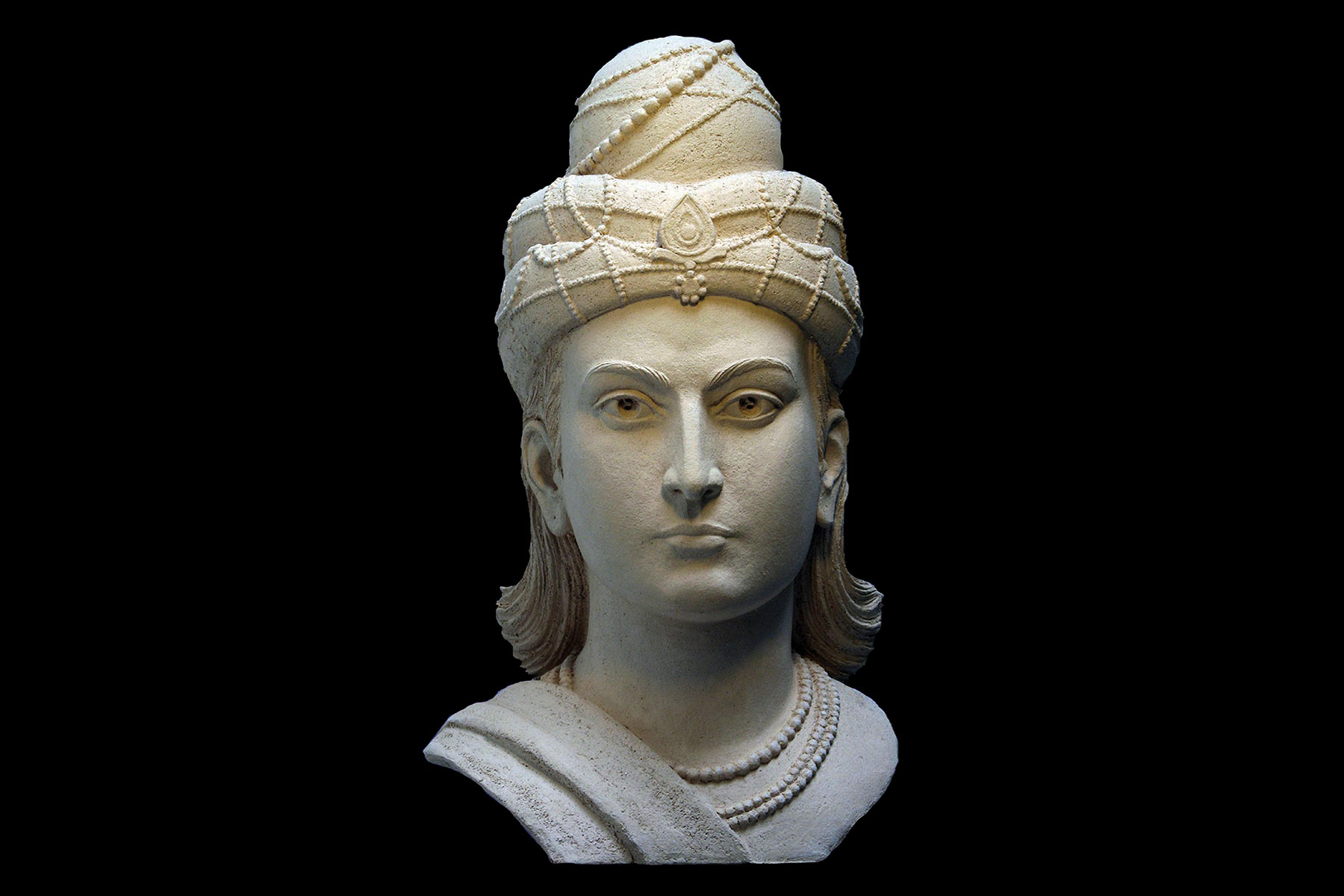
Ashoka the Great of the Mauryan Empire embarked on a remarkable transformation. After early campaigns marked by violence, he turned to nonviolence and Buddhist ideals, propagating these tenets across Asia through pillars, missions, and public works. His reign fostered civil service and welfare infrastructure and spread Buddhism far beyond the subcontinent, reshaping religious and cultural landscapes for generations.

Ashoka the Great’s Commitment to Nonviolence Led to the Spread of Buddhism
Alfred the Great united a fragmented England and defended it against Viking incursions. As ruler of Wessex beginning in 871 CE, he steered a strategic defense that culminated in the decisive victory at Edington in 878 CE, paving the way for a consolidated English realm. His efforts laid the groundwork for a unified Anglo-Saxon England and earned him a unique distinction among monarchs of the era.
Alfred the Great Unified the Anglo-Saxon Kingdoms and Defended Against the Vikings
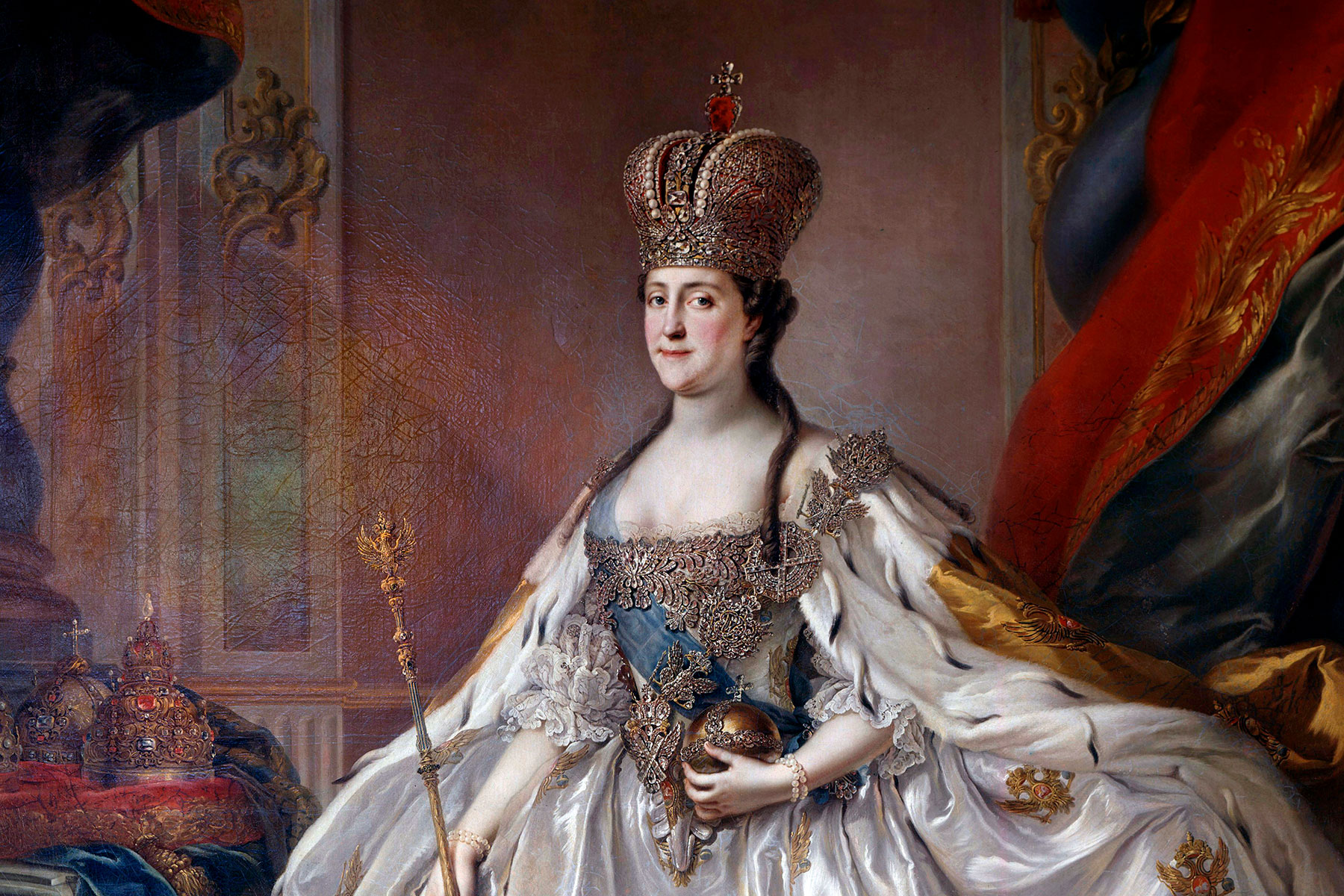
Catherine the Great of Russia rose from a foreign princess to an imperial leader through political acumen and reform. Arriving in 1744, she leveraged court alliances to overthrow her husband and ascend to the throne in 1762. Over a 34-year reign, she expanded imperial reach, promoted Enlightenment ideals, and spurred cultural and artistic revolutions across the Russian Empire.

Catherine the Great Overthrew Her Own Husband to Become Empress of Russia