Maritime Ration Systems and Shipboard Preservation Techniques
Hardtack, Salted Proteins, and Staple Carbohydrates
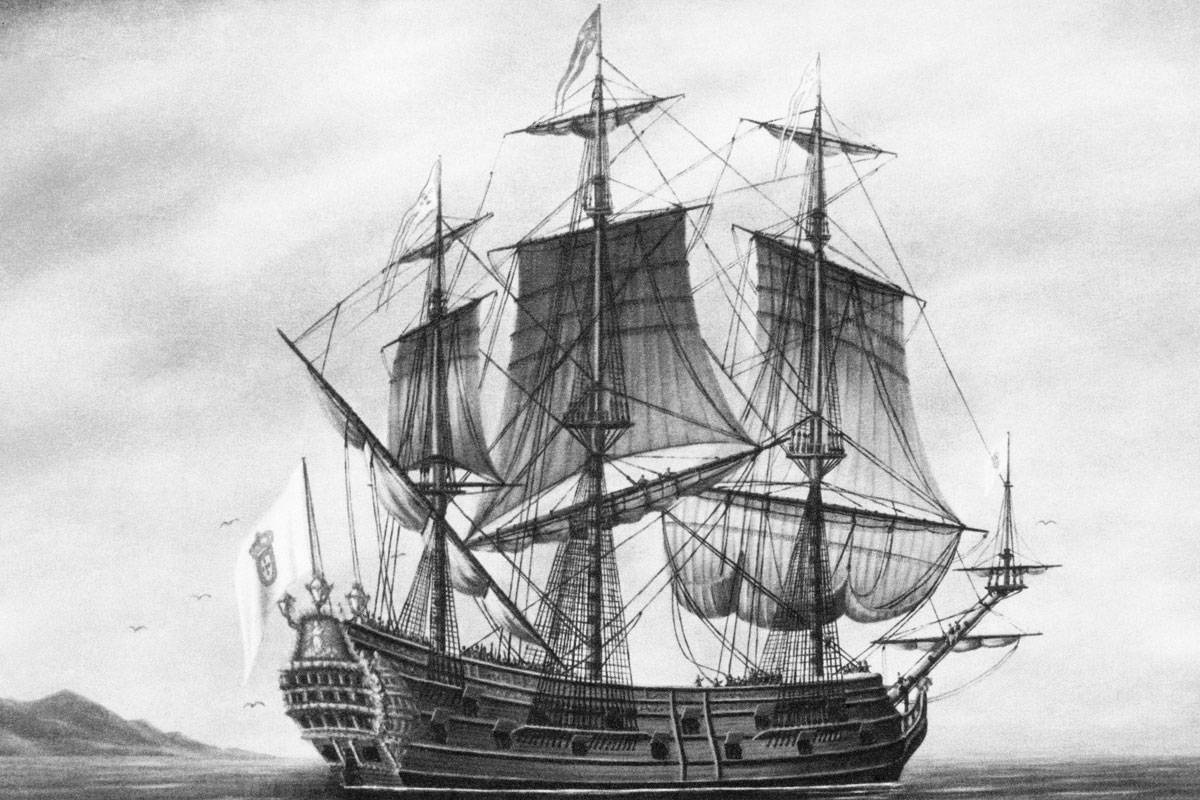
The Age of Exploration food at sea revolved around calorie-dense, shelf-stable provisions engineered for months-long voyages without refrigeration. Voyagers relied heavily on ship’s biscuit (hardtack), a dense unleavened bread baked twice to eliminate moisture and prevent mold. Hardtack often required soaking in beer, broth, or seawater before consumption, and frequently harbored weevils that sailors manually sifted out. Salted beef and pork formed the primary protein sources, cured with coarse rock salt in quantities ranging from three to five pounds per sailor monthly. Dried peas, beans, and oats supplemented the diet, providing essential plant-based nutrients when fresh supplies were exhausted. Portuguese caravels and Spanish galleons standardized these rations using barrel-filling protocols that dictated weight-to-crew ratios, ensuring predictable caloric intake across transatlantic routes.
Salted meat preservation depended on precise curing times and temperature control in wooden casks lined with pitch or tallow. Over-salting caused excessive thirst and cellular dehydration, while under-salting led to rapid bacterial spoilage. Sailors mitigated this by storing barrels in cool, shaded deck compartments and rotating stock according to voyage duration. Dried fish, particularly cod and herring, supplemented protein during long Pacific crossings, with Portuguese traders introducing salt-cured Atlantic catches to Mediterranean preservation methods.
Water Storage, Fermentation, and Scurvy Prevention
Freshwater management dictated expedition longevity. Voyagers stored drinking water in oak or ash casks sealed with hemp pitch and lined with tallow to prevent leakage and bacterial growth. Casks were regularly rinsed with vinegar and exposed to sunlight when anchored. When freshwater ran low, sailors consumed beer, ale, or wine, which provided safer hydration due to lower alcohol content and natural preservatives. The Age of Discovery rations increasingly incorporated citrus fruits after James Lind’s 1747 clinical trials proved lemon and lime juice prevented scurvy, though widespread naval adoption lagged behind early exploration periods.
Sauerkraut emerged as a critical fermented vegetable during late Age of Exploration voyages. German shipbuilders introduced packed cabbage barrels that retained vitamin C through anaerobic fermentation, drastically reducing hemorrhagic symptoms among European crews. Dried citrus peel, ground into powder or steeped in brine, served as an early supplementary remedy before standardized lime juice issuance became standard practice.
Onshore Provisions and Colonial Exploration Diets
Indigenous Knowledge and New World Crop Integration
When explorers diet on land shifted from shipboard constraints to terrestrial foraging, European voyagers adapted to indigenous agricultural systems. Maize, potatoes, cassava, and sweet potatoes replaced grain shortages in coastal settlements, providing rapid caloric recovery after prolonged maritime deprivation. Spanish conquistadors documented Nahuatl corn-processing techniques (nixtamalization) that unlocked niacin and prevented pellagra. Portuguese traders established sugar cane plantations along African and Brazilian coasts, trading distilled rum for local provisions and establishing supply depots that later fed Atlantic crossing fleets.
Foraging expeditions prioritized edible roots, wild berries, nuts, and freshwater fish. Explorers utilized indigenous smoking and drying racks to preserve game meat, replicating Native American jerky methods with lean venison or buffalo strips. Salt mining outposts near coastal estuaries supplied curing agents when traditional barrels were depleted, while trade networks exchanged European iron cookware for local spices, herbs, and preserved fruits.
Camp Cooking Logistics and Regional Dietary Variations
Land-based exploration required portable cooking infrastructure. Iron trivets, Dutch ovens, and collapsible fire pits enabled stew preparation over open flames, combining dried beans, salted pork, and foraged vegetables into nutrient-dense rations. Camp bread was often baked in ash or shallow iron pans using yeast salvaged from beer barrels or wild sourdough starters. Regional variations emerged based on geographic proximity: Mediterranean fleets incorporated olive oil, garlic, and dried tomatoes; Atlantic expeditions relied on butter, lard, and root vegetables; Asian coastal routes integrated rice, soybeans, and fermented pastes into colonial supply chains.
Supply depots functioned as critical nodes for ration redistribution. Fortified trading posts stored surplus grain, dried fruit, and cured meats, allowing explorers to resupply during seasonal monsoons or winter freezes. Documented menus from Magellan’s circumnavigation logs reveal reliance on biscuit, dried meat, rice, and olive oil, while Drake’s Pacific crossing records emphasize salted beef, peas, and citrus preservation strategies adapted from Iberian maritime traditions.
Nutritional Deficiencies, Spice Trade Influence, and Expedition Documentation
Chronic Malnutrition and Dietary Adaptation Failures
Prolonged Age of Exploration food deprivation triggered widespread micronutrient deficiencies. Protein deficiency caused muscle wasting and immune suppression, while vitamin C absence produced gum bleeding, joint pain, and fatal hemorrhaging. Iron deficiency anemia reduced oxygen transport, exacerbating fatigue during overland treks. Explorers mitigated these effects by prioritizing liver consumption (rich in vitamins A and D), bone marrow extraction, and seasonal foraging windows that maximized fresh vegetable intake. Some fleets adopted rotating ration schedules to prevent monotony-induced appetite loss, though preservation limitations restricted dietary diversity beyond six months at sea.
Spice Utilization for Morale, Preservation, and Palate Adaptation
Spices functioned as both culinary enhancers and functional preservatives during the Age of Exploration. Pepper, cinnamon, cloves, and nutmeg masked rancid meat odors, stimulated digestive enzymes, and provided antimicrobial compounds that slowed bacterial growth in warm climates. High-value spice trade routes funded expedition financing, while onboard spice racks served dual purposes: flavor enhancement and medicinal application for gastrointestinal distress. Dried herbs like rosemary, thyme, and bay leaves were packed in linen pouches to infuse stews with antioxidant properties, reducing oxidative spoilage of stored fats.
Archival Food Records and Logbook Verification
Historical nutrition tracking relied on captain’s logs, quartermaster inventories, and merchant shipping manifests. These documents recorded daily ration weights, spoilage rates, and emergency foraging outcomes. Cross-referencing Portuguese navigational charts with Spanish colonial supply ledgers reveals systematic ration standardization across Atlantic crossings. Modern nutritional analysis of preserved expedition menus confirms caloric deficits averaging 400 to 600 calories below maintenance levels during peak voyage phases, explaining widespread physiological degradation documented in early exploration archives.
Maritime and terrestrial dietary strategies converged in the late Age of Exploration, establishing preservation protocols, crop exchange networks, and ration accounting systems that directly influenced modern naval nutrition standards. The transition from trial-and-error provisioning to scientifically managed supply chains marked the end of an era defined by culinary adaptation under extreme environmental constraints.
Across the vast expanse of oceans and uncharted terrains, explorers faced not only unknown lands but the challenge of feeding themselves on the go. Food mattered as a matter of survival more than preference, with a lack of nourishment risking hunger, illness, and the very viability of the mission. Here is a reimagined account of the staple supplies and practical provisions kept onboard or carried along during these epic journeys.
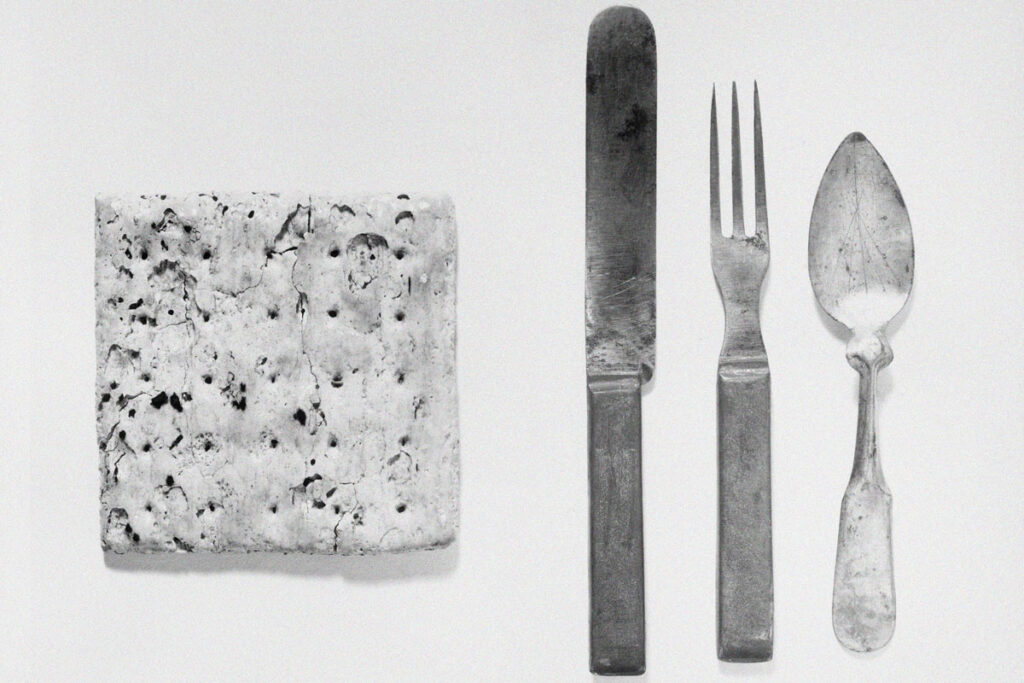
Hardtack stands out as the emblem of naval provisioning. This dense, baked biscuit, made from flour and water (sometimes salt), endured the longest voyages when kept dry, becoming a dependable if unappetizing anchor in sailors’ diets. To soften it for chewing, crews often soaked it in water, beer, or broth, while protecting it from mold and weevils during extended storage.
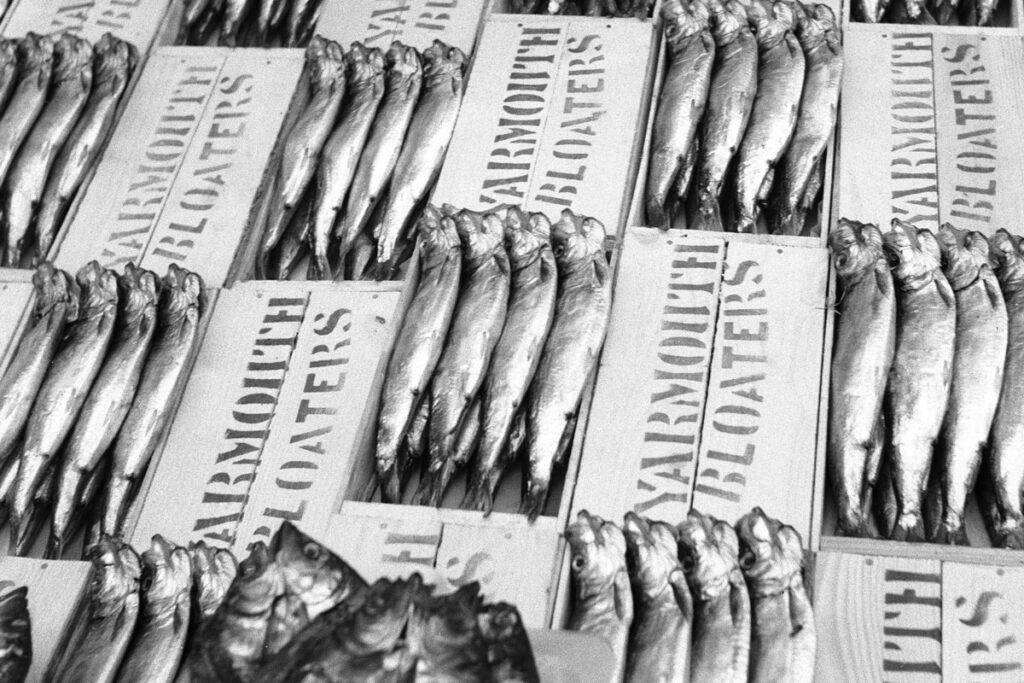
Salted meat and preserved fish were essential protein sources, especially when fresh cargo ran low. Beef, pork, and cod (chosen for its lower oil content) were prepared through salt curing and packed into barrels, preserving edibility for weeks or months and supporting the crew’s energy needs when sailing far from home ports.
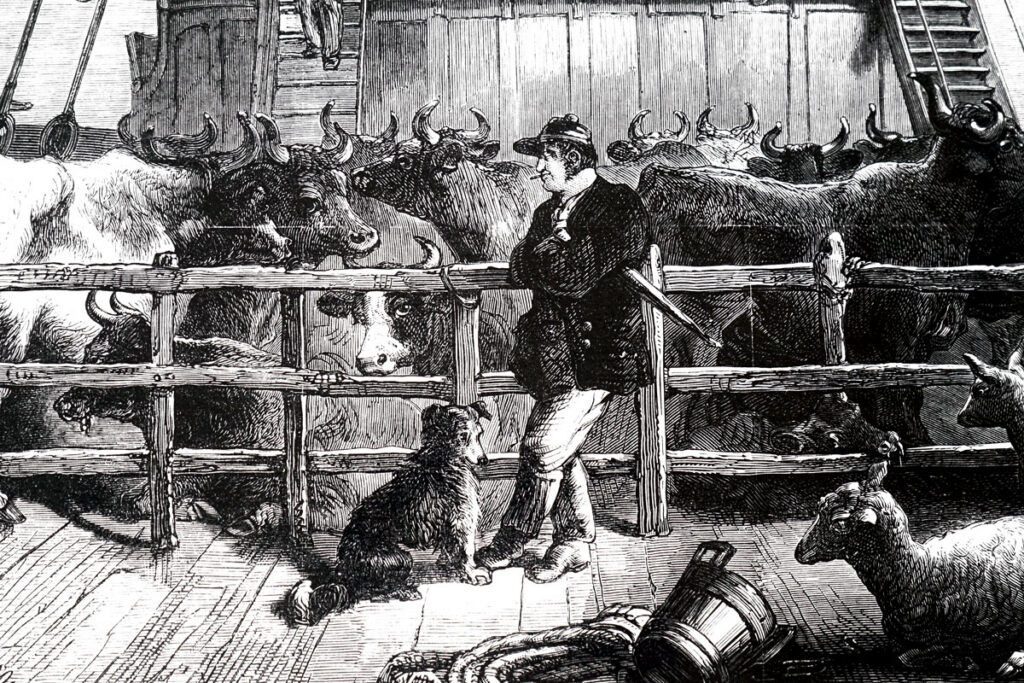
Livestock aboard offered an alternative for longer trips. Pigs, goats, chickens, and occasionally cattle could be carried to provide eggs and meat, though the harsh conditions of sea travel often meant relying more on preserved fare as the voyage progressed.
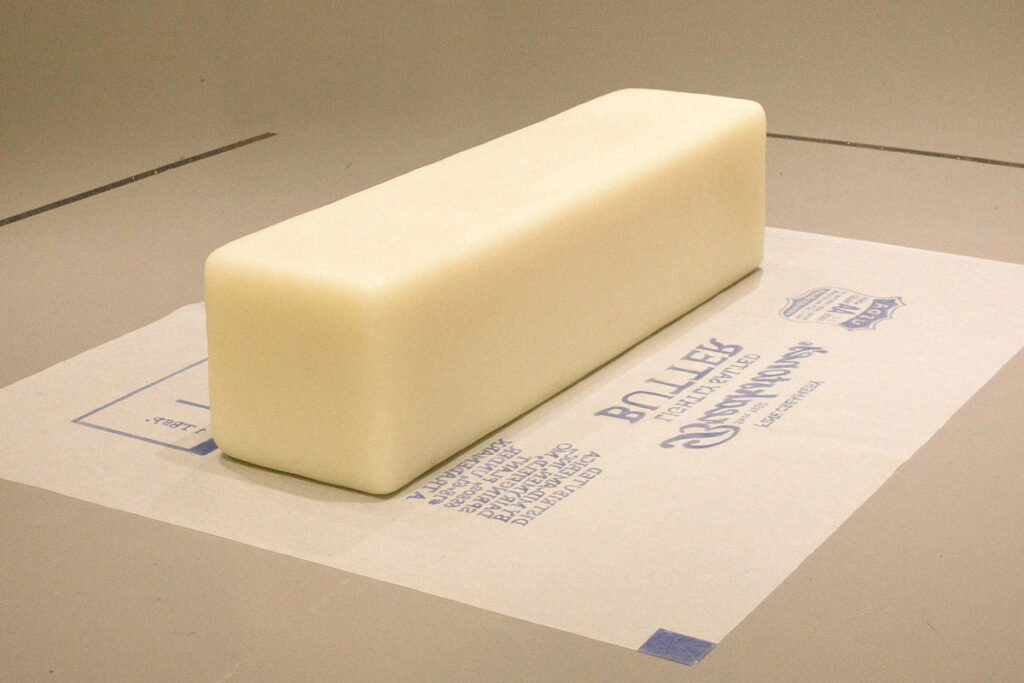
Butter and cheese contributed richness and variety to the diet, helping to balance the texture of hardtack. Historical provisioning records show daily allowances that included butter and cheese alongside staple biscuits, offering a rare contrast to salt-preserved staples.
Beer served a practical purpose beyond refreshment. Since water could stagnate, alcohol acted as a preservative and a nutritional supplement, with some crews consuming a gallon per day to stay hydrated and maintain strength.
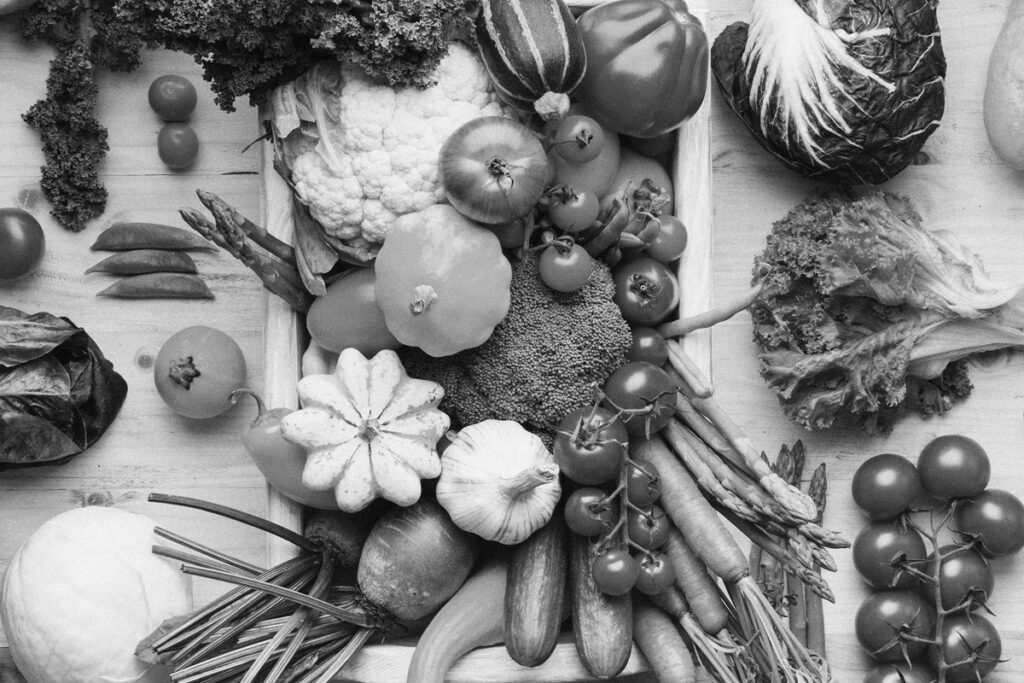
Fresh fruit and vegetables were desirable but perishable companions on long journeys. While dried legumes could endure, citrus and other produce often spoiled within weeks. The absence of vitamin C led to scurvy in many crews until citrus juices became a standard preventive measure in the mid-18th century.
Indigenous foods and pemmican shaped overland expeditions differently. In the Americas, explorers sometimes relied on maize, beans, and traded provisions, while pemmican — a compact mix of dried meat and fat — became a pivotal, calorie-dense energy source for long northward treks, illustrating the adaptation of food technology to varying frontiers.