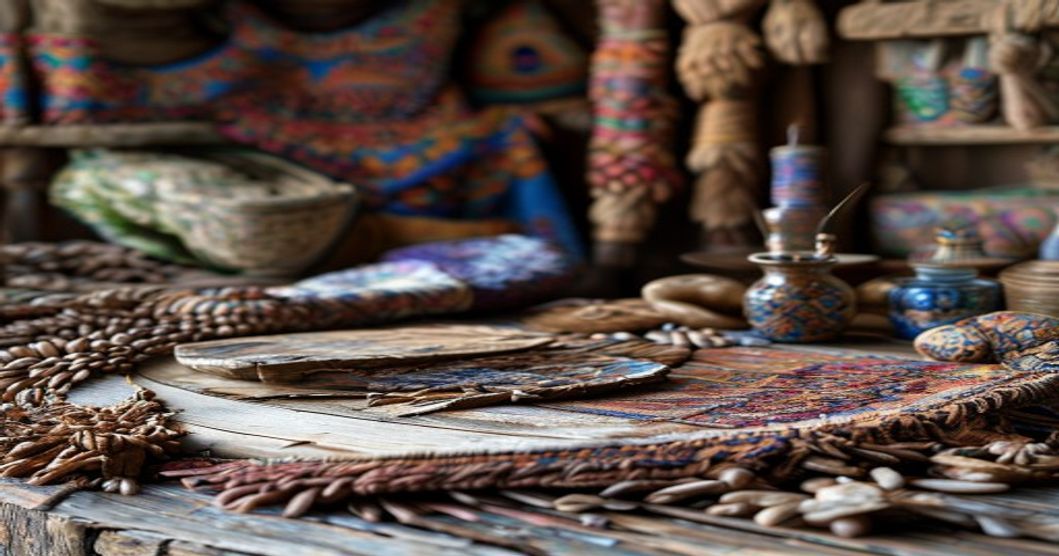
Origins and Cultural Significance of Sámi Duodji
Sámi Duodji represents a living heritage of indigenous Arctic craftsmanship, deeply intertwined with the seasonal rhythms and survival strategies of Northern Europe’s native peoples. Recognized by UNESCO as an intangible cultural heritage practice, this tradition spans Norway, Sweden, Finland, and Russia’s Kola Peninsula. Unlike decorative folk art, Sámi traditional handicrafts were engineered for resilience: every item served a functional purpose while encoding ecological knowledge, clan identity, and spiritual beliefs through meticulously executed forms.
The Philosophy of Duodji
At its core, Duodji operates on a principle of zero-waste resource utilization. Artisans transform reindeer hides, antler, birch wood, and wool into durable tools, clothing, and household objects. The craftsmanship emphasizes harmony with nature, where material selection follows strict seasonal cycles to ensure structural integrity and longevity. This ecological ethos makes authentic Nordic handmade crafts inherently sustainable, contrasting sharply with industrial manufacturing models.
Traditional Materials and Natural Dyes
Genuine Sámi pieces rely exclusively on locally sourced substrates processed through generational knowledge. Reindeer leather undergoes brain-tanning or bark-curing for extreme cold resistance, while antler is carved using stone-age techniques adapted with modern steel tools. Coloration derives from lichen extracts, bilberry juice, and iron-rich soil deposits, yielding muted palettes of ochre, slate blue, and deep crimson that resist UV fading in harsh Arctic climates.
Core Techniques and Regional Variations
Duodji encompasses multiple specialized disciplines, each governed by strict regional standards. Knife forging, textile weaving, and bone carving operate within distinct guild-like lineages. The geographic distribution of motifs reflects historical migration patterns and reindeer herding routes, creating a cartographic record of Sámi cultural zones.
The Role of the Knifemaking Tradition
The Sámi knife stands as the most iconic artifact in this craft system. Masters forge blades from layered spring steel, tempering them to withstand sub-zero flexibility without fracturing. Leather sheaths feature intricate saddle-stitching patterns that signal the maker’s village and spiritual affiliation. Authentic pieces require over forty hours of labor, with blade geometry optimized for skinning, fish cleaning, and wood carving in identical tools.
Textile Arts and Pattern Symbolism
Sámi cross-stitch embroidery and warp-faced weaving employ geometric motifs that predate external religious influences. The sun wheel symbolizes cyclical time, while zigzag lines represent reindeer migration paths or water currents. Regional dialects dictate color hierarchies: Kautokeino artisans favor sharp contrast bands, Finnmark pieces integrate silver wire embroidery, and Lule Sámi textiles utilize undyed wool bases with minimal pigment application to preserve material authenticity.
Authenticity Markers and Modern Revival
Identifying genuine Duodji requires systematic verification of technique, material origin, and maker provenance. Contemporary certification systems track artisan lineage and supply chain transparency to prevent cultural appropriation and mass-produced counterfeits.
Economic Impact and Ethical Sourcing
Purchasing verified Sámi Duodji directly supports indigenous self-determination and rural economic resilience in border regions. Ethical retailers implement profit-sharing agreements with Sámi cultural councils, ensuring craftsmanship royalties fund language preservation programs and youth apprenticeships. Consumers must verify maker registration with national Sámi parliaments or accredited craft associations to guarantee fair compensation.
Preserving Duodji in the Digital Age
Digital documentation platforms now archive high-resolution macro photography of tool marks, stitch density, and dye migration patterns to establish forensic authenticity standards. Virtual workshops transmit micro-techniques like antler polishing gradients and sheath edge beveling that resist traditional video compression. Next-generation artisans combine laser-assisted material mapping with ancestral cutting sequences, expanding market access while maintaining strict adherence to UNESCO’s safeguarding protocols.
Frequently Asked Questions
What is Sami Craftsmanship and Handmade Products?
Sami Craftsmanship and Handmade Products refers to the traditional artistic practices and artisanal goods created by the Sámi people, indigenous to the northern regions of Norway, Sweden, Finland, and Russia. These products are renowned for their intricate designs, natural materials, and deep cultural significance, reflecting centuries of heritage and a profound connection to nature.
Key facts about Sami Craftsmanship and Handmade Products
Key facts include: (1) Use of authentic natural materials like reindeer leather, wool, antler, and birch wood; (2) Traditional techniques such as duodji (handicraft), embroidery, and carving passed down through generations; (3) Distinctive symbolic motifs inspired by Sámi mythology, nature, and the northern lights; (4) Each piece is entirely handmade, ensuring cultural preservation and sustainable artisanal value.