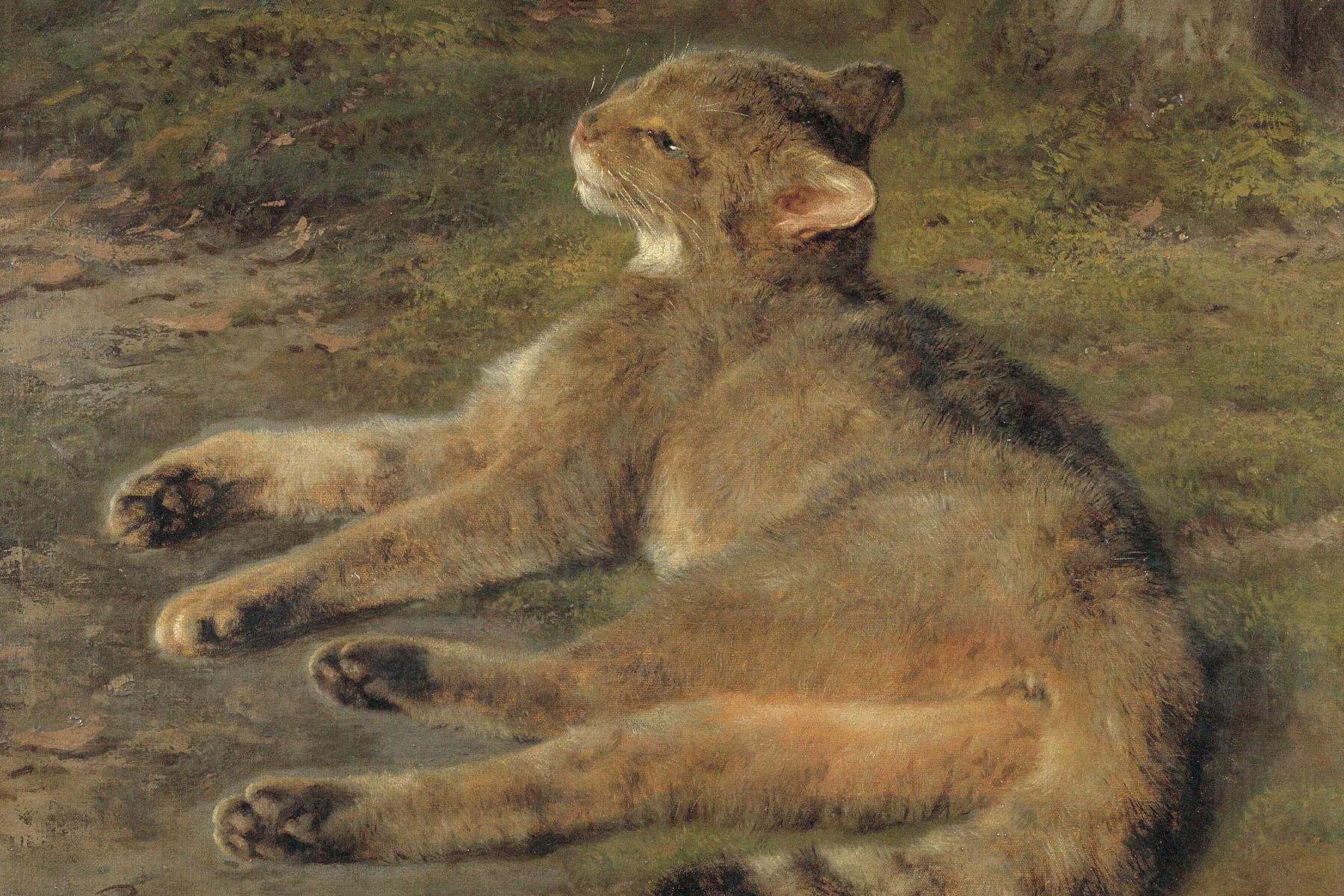
The story of how cats first joined human communities spans millions of years, long before people settled into farms and cities. Researchers believe domestic cats evolved from wildcats around 12,000 years ago, aligning with the shift to agricultural living. An early clue to this intimate alliance was found on the Mediterranean island of Cyprus, where archaeologists uncovered a 9,500-year-old burial of a person accompanied by a cat. The closeness between human and feline is underscored by the cat facing the same direction as the human, merely inches apart, suggesting a meaningful partnership rather than mere companionship.
Before this Cyprus discovery, scholars debated the cat’s origin, with Egypt and China often cited as early sources of domestication. In China, farmers and cats shared a village life about 5,300 years ago, while ancient Egyptian art portrays humans and cats living side by side as far back as 4,000 years. The ancients’ affection for felines was profound: cats were sometimes dressed in gold and fed from royal plates, reflecting a divine-like status in Egyptian culture.
House cat DNA traces back to the wildcats Felis silvestris, a species divided into multiple subspecies across Europe, China, Central Asia, Southern Africa, and the Middle East. Among them, Silvestris lybica—the Middle Eastern wildcat—gave rise to the modern domestic cat. Over time, cats became smaller and their coats more vibrant as their lifestyles shifted away from stealthy survival to living alongside humans. While dogs were bred for diverse roles, cats largely focused on a single domestic function, which helped maintain their genetic consistency across breeds.
As humans transitioned from hunting to farming, rodent control became essential for protecting stored crops. Cats found abundant prey in granaries and barns, while humans benefited from fewer pests. This mutualistic relationship persists today in various settings, including urban markets where cats help manage rodent populations. In modern times, stories of feline independence persist, yet the partnership continues to thrive because each side gains something from it.
From the arrival of settlers in the Americas to present-day households, cats have woven themselves into the fabric of daily life. By 2020, roughly 37 million U.S. households owned a cat, with many families sharing their homes with multiple felines. About 43% of pet cats came from stores, while 40% were adopted from shelters or rescues. The enduring appeal of cats endures in names as timeless as the creatures themselves; for male cats, Tom remains among the most enduring favorites, echoing a long history of feline companionship.