Across the annals of warfare, animals have stood steadfast at human side by side with soldiers. From field to front, these loyal companions aided in messaging, reconnaissance, and morale-boosting, often under the most dangerous circumstances. More than 16 million animals are estimated to have served in World War I alone, taking on roles that range from messenger to rescuer and mascot.
Among the famed four-legged and feathered heroes are several whose daring actions became emblematic of courage. Their stories blend grit, tragedy, and triumph, reminding us how deeply animals can impact human history.
Rags the Scotch-Irish Terrier
In 1918, Private James Donovan spotted what looked like a stray pile of rags in Paris, only to discover a small Scotch-Irish terrier beneath the disguise. Donovan adopted the dog, and Rags soon became the U.S. 1st Infantry Division’s mascot. Yet his duties went far beyond presence: he carried messages fastened to his collar across front lines, guided medics to wounded soldiers, and, blessed with keen hearing, warned of incoming shellfire. Rags even learned to salute with his right paw. During a shelling incident on October 9, 1918, both he and Donovan were wounded, but Rags survived and returned to the United States, where he lived out his days as a celebrated canine hero.
Photo credit: Heritage Images/ Hulton Archive via Getty Images

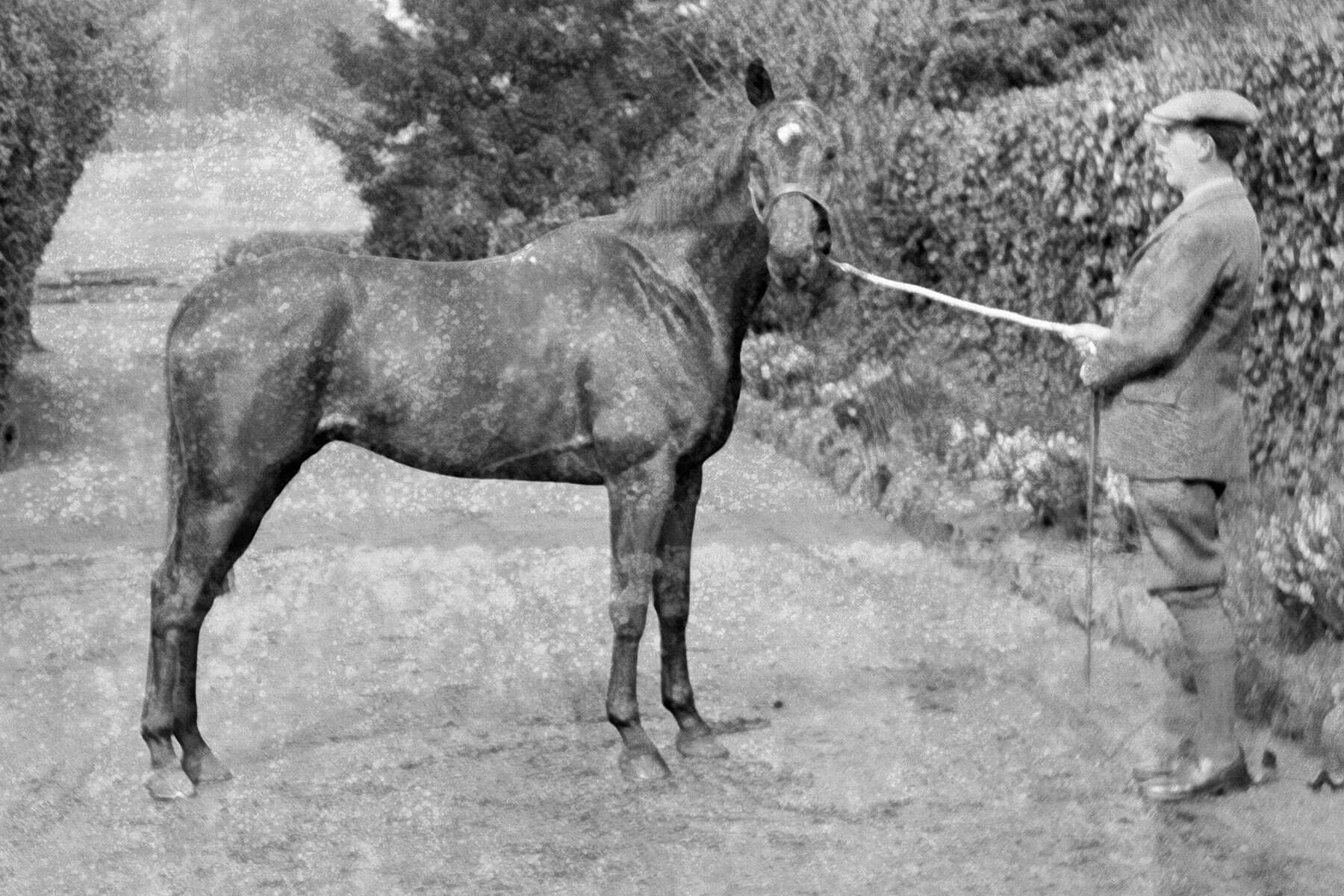
Warrior the Stallion
General Jack Seely’s beloved thoroughbred, Warrior, accompanied the Canadian Cavalry Corps to the Western Front in 1914. Over the next four years, Warrior fought in major clashes such as the Somme, Ypres, Cambrai, and Passchendaele, and in 1918 led a pivotal cavalry assault at Amiens that contributed to ending the war. The horse endured mud, burning stables, and relentless shellfire, earning the nickname “the horse the Germans couldn’t kill.” After the conflict, Warrior returned home to the Isle of Wight and lived to the age of 32. In 2014, he was posthumously awarded the PDSA Dickin Medal—the animals’ Victoria Cross—for his service in World War I, a recognition given to no other animal predating the medal’s 1943 institution.
Photo credit: Imago History Collection/ Alamy Stock Photo
Cher Ami the Pigeon
World War I homing pigeons faced perilously short lifespans, yet Cher Ami defied the odds. Stationed with the 77th Division in the Argonne Forest, this bird delivered crucial messages despite heavy enemy fire and injuries. After a breast and leg wound, Cher Ami managed to return to the loft and relay the warning that saved 194 soldiers in the Lost Battalion. Though the leg was lost, the pigeon survived and earned the French Croix de Guerre for bravery, with General John Pershing praising Cher Ami’s service.

Photo credit: Fred Morley/ Hulton Archive via Getty Images
Judy the Pointer
Judy began as a ship’s mascot aboard HMS Gnat in 1936 but quickly proved her value with sharp hearing and alertness to threats like river pirates and hostile aircraft. Transferred to HMS Grasshopper in 1942, she aided the crew during a Japanese air attack and subsequent capture that led to a prisoner-of-war camp in North Sumatra. Judy endured gunfire, crocodile encounters, and shortages, remaining a steadfast companion who helped sustain morale. Upon returning home, she received the Dickin Medal for her service.

Photo credit: David Kilpatrick/ Alamy Stock Photo
Wojtek the Bear
A Syrian bear cub adopted by Polish soldiers in 1942 grew into a 600‑pound mascot who carried ammunition and lifted spirits across battles, including Monte Cassino. Wojtek’s antics—like nabbing oranges during grenade practice and showering in communal pits—became legendary. He carried empty shells on the front lines and, after the war, lived at Edinburgh Zoo, where former comrades visited him in retirement.

Photo credit: Imperial War Museums via Getty Images
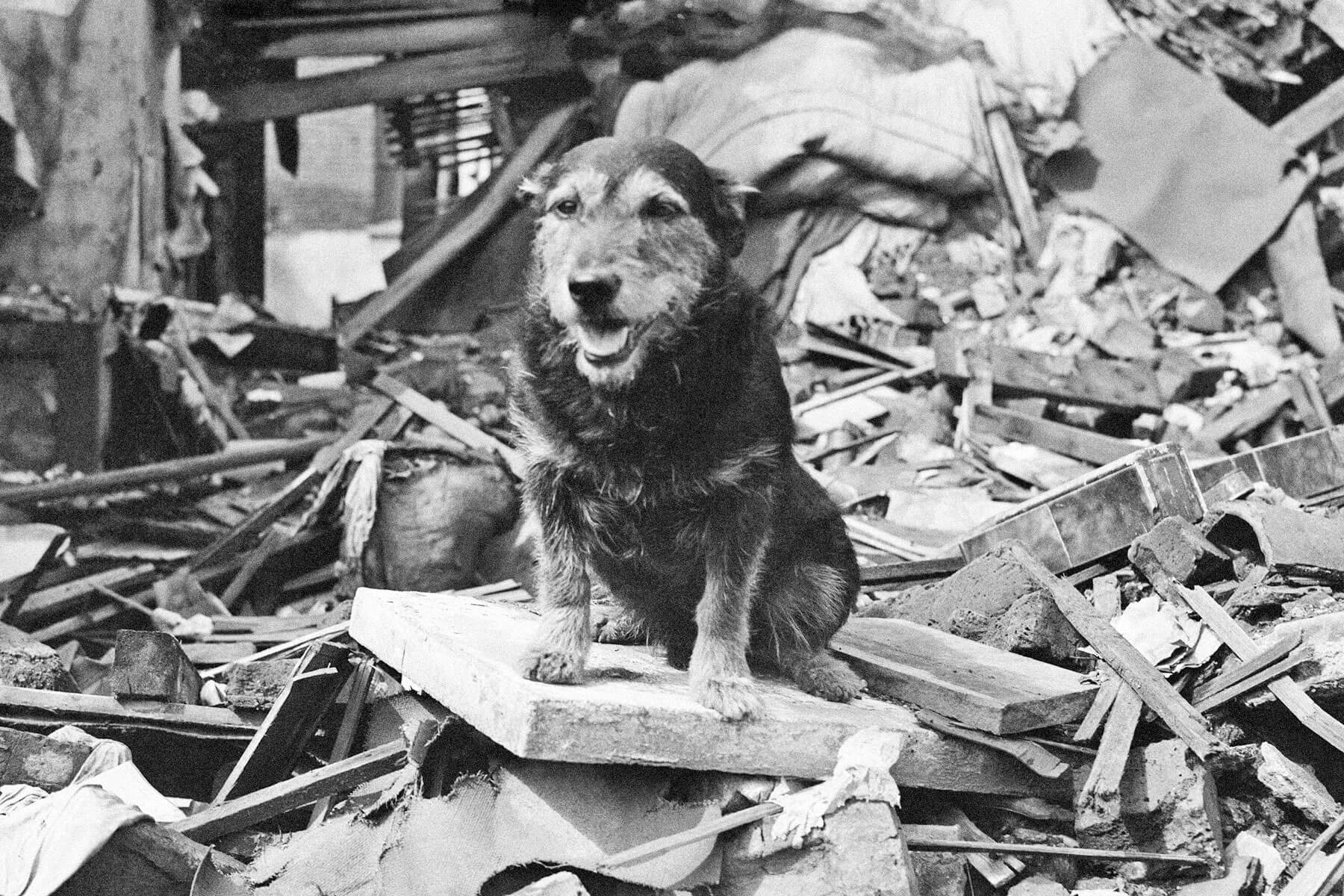
Rip the Terrier
During London’s night blitz in 1940, a crossbreed terrier named Rip emerged from the rubble alongside Mr. E. King. With a nose for survival and rescue, Rip helped locate survivors trapped beneath the ruins and earned a place among heroic search-and-rescue dogs of the Air Raid Patrol. His efforts reportedly saved more than 100 lives, and he wore the Dickin Medal with pride until his passing in 1945.