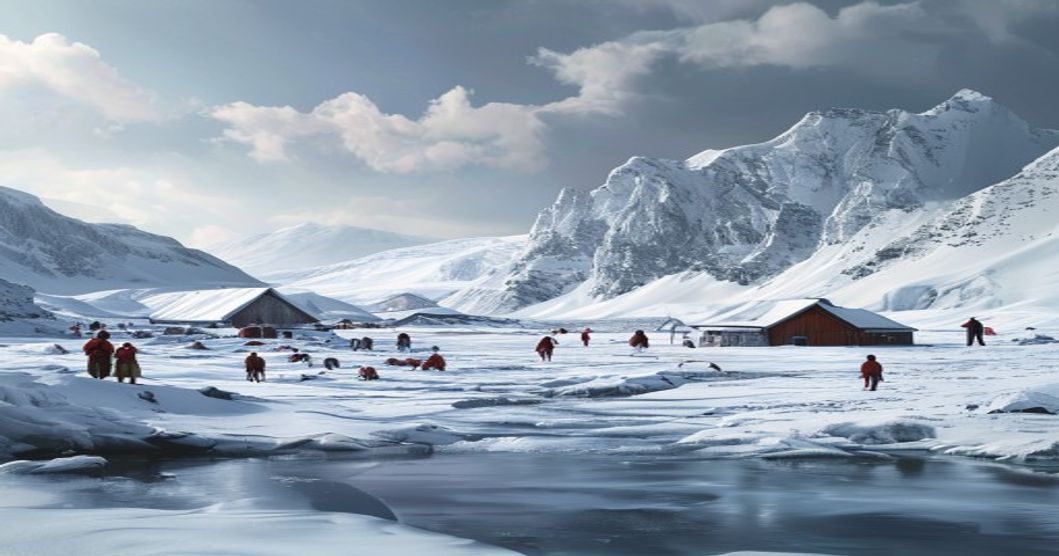
Understanding the Arctic Region and Its Indigenous Inhabitants
The Arctic spans over 20 million square kilometers across eight nations, yet Sápmi—the traditional homeland of the Sámi people—occupies a culturally distinct corridor across northern Norway, Sweden, Finland, and Russia. This region is not merely a polar landscape but a living ecosystem shaped by millennia of human adaptation. The Sámi are Europe’s only recognized indigenous population, with a continuous presence dating back to the post-Ice Age period. Their cultural identity remains deeply intertwined with the Arctic tundra, boreal forests, and coastal fjords that define their ancestral territories. Travelers seeking meaningful engagement must first recognize that Sápmi is not a tourist destination but a sovereign indigenous landscape governed by traditional ecological knowledge and modern land-use agreements.
Core Elements of Authentic Sámi Culture
Traditional Livelihoods and Reindeer Herding
Reindeer herding (boazu) remains the cornerstone of Sámi economic and cultural life, practiced by approximately 90 percent of registered Sámi in Norway and significant portions in Sweden and Finland. This is not a recreational activity but a legally protected profession governed by national reindeer husbandry acts. Herders follow centuries-old migration routes between summer pastures in the highlands and winter grazing grounds in the forests, navigating terrain that shifts dramatically with snow conditions and vegetation cycles. Ethical visitors must understand that active herding zones are working landscapes, not wildlife parks. Observing reindeer from a distance during designated tourism periods ensures minimal disruption to calving seasons and foraging patterns.
Language, Crafts, and Oral Traditions
The Sámi linguistic landscape comprises over ten distinct dialects, with North Sámi being the most widely spoken and officially recognized in Finland, Norway, and Sweden. Each language variant carries unique ecological vocabulary describing snow, ice, and reindeer behavior—terminology that is rapidly evolving due to climate change. Duodji, the traditional Sámi craft system, integrates functional design with symbolic patterns representing local cosmology, animal motifs, and seasonal cycles. Meanwhile, the joik (or yoik) functions as a musical tradition that does not describe a subject but embodies its essence, often performed during gatherings, rituals, and contemporary cultural revival movements. Engaging with Sámi arts requires purchasing directly from certified artisans to support linguistic preservation and craft sustainability.
Principles of Ethical Arctic Tourism
Respecting Indigenous Sovereignty and Land Rights
Modern Arctic tourism must operate within the framework of indigenous land rights established through treaties, constitutional recognitions, and the United Nations Declaration on the Rights of Indigenous Peoples (UNDRIP). In Norway, the Finnmark Estate manages ancestral lands through joint state-Sámi governance. Sweden’s Sámi Parliament holds advisory authority over cultural and economic matters, while Finland recognizes Sámi language rights and reindeer herding zones as protected cultural landscapes. Visitors should prioritize regions where Sámi communities hold decision-making power over tourism development, ensuring that infrastructure, pricing, and narrative control remain community-driven rather than externally commodified.
Sustainable Practices and Environmental Stewardship
The Arctic is warming at twice the global average rate, making sustainable Arctic trips a moral imperative alongside logistical necessity. Low-impact travel protocols include utilizing electric or snowmobile-approved trails, adhering to strict waste carry-in/carry-out policies, and avoiding off-road driving that damages fragile lichen growth and permafrost stability. Climate change directly threatens Sámi livelihoods through unpredictable ice formation on the Barents Sea, altering reindeer migration corridors, and increasing forest fires in Lapland. Responsible travelers reduce their carbon footprint by choosing direct regional flights, utilizing public transit networks like the Arctic Circle Railway, and supporting businesses that fund local conservation initiatives and indigenous climate resilience programs.
Practical Guide for Cultural Immersion and Responsible Travel
Choosing Certified Sámi-Guided Experiences
Authentic cultural engagement requires verification through recognized certification programs such as the Sámi Tourism Standard or official Sámi Parliament tourism guidelines. These frameworks mandate that guides hold indigenous heritage credentials, follow ethical storytelling protocols, and allocate a significant portion of revenues to community development. Avoid generic “Sámi camps” operated by non-indigenous entities, which often reduce complex traditions to staged performances. Instead, seek community-led safaris, reindeer sleigh rides hosted by registered siida (traditional Sámi farming communities), and workshops led by certified duod
Arctic Tourism and Sami Communities: Structural Overview
Sami Indigenous Territory Boundaries and Designated Tourism Zones
The Sápmi region spans four sovereign states across northern Scandinavia and the Kola Peninsula. Legal boundaries for indigenous grazing rights differ strictly from administrative tourism zones. Authorities designate specific areas for commercial activity to protect critical reindeer pastures. Visitors must navigate these limits through certified local guides.
Economic Shifts from Traditional Reindeer Herding to Hospitality
Traditional reindeer pastoralism faces pressure from industrial land conversion and shifting snowpack patterns. Many families now operate seasonal hospitality ventures to supplement declining herd revenues. This transition requires strict resource allocation to avoid cultural dilution. Successful operators reinvest tourism profits back into land stewardship programs.
Operational Standards for Ethical Arctic Travel
Verification Methods for Sami-Owned Tourism Enterprises
Authentic Sámi-owned businesses carry verifiable registration with regional Sámediggi councils. Independent audits confirm majority indigenous equity and board representation. Tourists should request ownership documentation before booking any cultural experience. Third-party certifications validate claims against exploitative tourism practices.
Protocol Compliance for Cultural Interaction and Gift Exchange
Direct contact with Sámi artisans requires explicit permission and appropriate gift valuation. Standard commercial transactions often disrespect the symbolic weight of traditional items. Visitors must follow reciprocal exchange protocols established by local elders. Proper conduct prevents the commodification of sacred drum patterns and handcrafted tools.
Environmental Management and Infrastructure Constraints
Permafrost Instability and Seasonal Road Accessibility
Thawing permafrost layers compromise the structural integrity of remote infrastructure. Maintenance crews deploy thermosyphon cooling systems to stabilize foundation beds. Heavy vehicles are strictly prohibited during spring thaw periods to prevent soil liquefaction. Logistics planners adjust routes based on real-time ground stability data.
Low-Impact Transport and Waste Disposal Protocols
Arctic expeditions utilize closed-loop water filtration to eliminate chemical runoff into fragile watersheds. Waste removal requires specialized vacuum transport due to the absence of local treatment facilities. Operators must secure environmental permits before deploying any temporary shelters. Strict adherence to leave-no-trace principles protects nesting grounds for rare avian species.
Logistical Planning and Seasonal Climate Windows
Extreme Cold Weather Gear and Safety Equipment
Winter expeditions demand layered thermal systems rated for extreme sub-zero temperatures. Standard commercial clothing fails to prevent rapid conductance heat loss in high winds. Teams must carry emergency beacon devices and redundant power sources for communication. Gear inspections occur daily to ensure moisture management integrity across all layers.
Midnight Sun Expeditions and Polar Night Operations
Summer operations leverage continuous daylight windows for extended wildlife tracking and photography. Winter tours require specialized optical filters to mitigate glare from snow surfaces. Scheduling depends entirely on aurora activity forecasts and cloud cover predictions. Operators maintain flexible routing protocols to adapt to sudden geomagnetic shifts.
Itinerary Design for Authentic Sami Interaction
Curated schedules prioritize structured camp stays over passive observation tours. Guests participate in daily herding routines under direct reindeer master supervision. Guides facilitate language exchange sessions using authentic Sámi dialects. Itineraries exclude staged performances to maintain cultural authenticity standards.
Policy Frameworks and Future Sustainability
Legal Protections for Sami Cultural Intellectual Property
National intellectual property laws now classify traditional Sámi motifs as protected cultural assets. International trade agreements enforce traditional knowledge labels on commercial goods. Violations trigger cross-border litigation and immediate product recalls. Indigenous councils manage digital rights management for all archived patterns.
Revenue Allocation Models for Community Development
Tourism revenues flow into community development trusts managed by elected Sámi representatives. Funds finance language immersion schools and elder care facilities. Investment committees publish quarterly expenditure reports for public auditing. Multi-year budgets prioritize infrastructure resilience over short-term profit extraction.
Frequently Asked Questions
What is Arctic Tourism and Sami Communities?
Arctic tourism refers to travel experiences in the Arctic region, focusing on its unique landscapes, wildlife, and indigenous cultures. Sami communities are the indigenous people of northern Scandinavia and Russia, known for their rich cultural heritage, reindeer herding traditions, and deep connection to the Arctic environment. Together, they represent a growing focus on sustainable and culturally respectful tourism in the far north.
Key facts about Arctic Tourism and Sami Communities
The Arctic receives a significant number of visitors primarily during the summer and winter seasons for activities like Northern Lights viewing, dog sledding, and wildlife safaris. The Sami people have inhabited the region for millennia, maintaining a distinct language, traditional clothing (gákti), and cultural practices like joik singing. Modern Arctic tourism increasingly emphasizes eco-friendly practices and cultural exchange, aiming to support Sami livelihoods while preserving their heritage and fragile ecosystem.