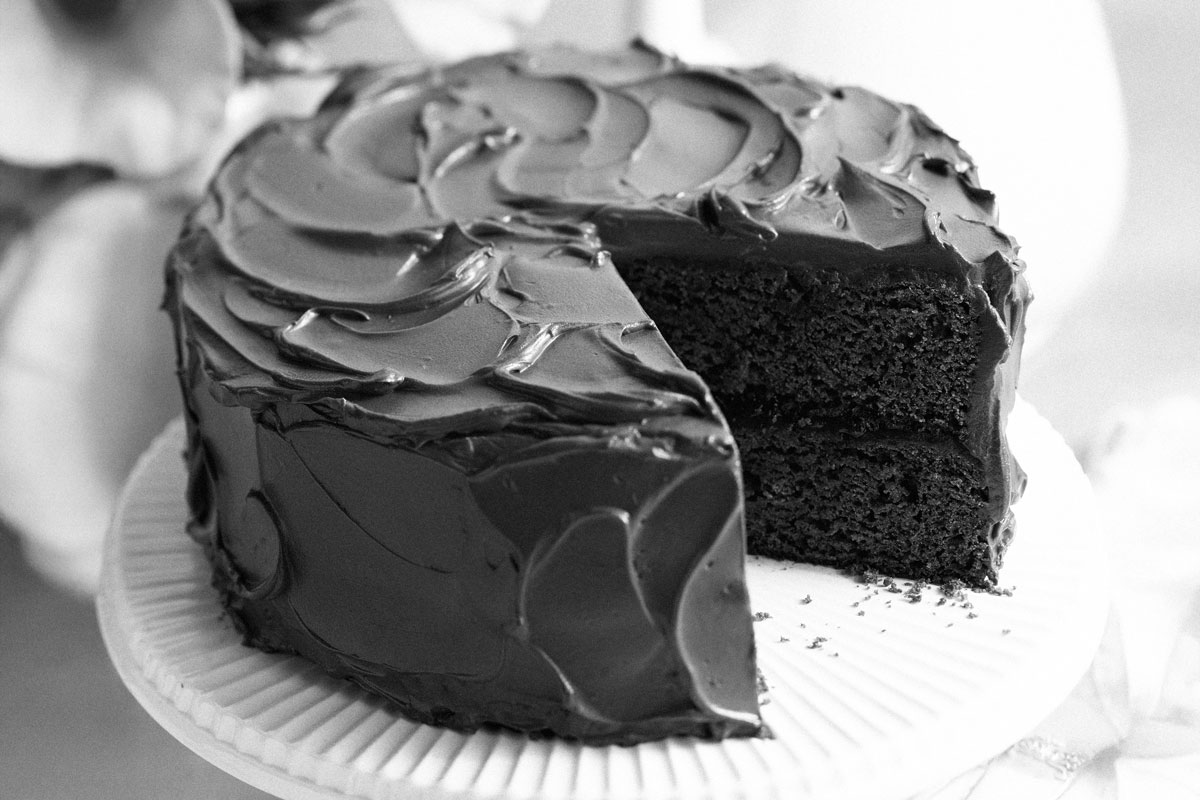
Americans’ eating habits have changed a lot throughout the country’s history, and not unlike breakfast, lunch, and dinner staples, dessert choices tend to look very different today than they did a few generations ago.
In the late 1800s and early 1900s, desserts were shaped by the ingredients and circumstances of the era. Until the mid-20th century, most of the U.S. didn’t have year-round access to fresh foods; economic downturns, food rationing, and periodic shortages during certain seasons were a normal part of life. Home cooks thus had to be thrifty and creative, turning whatever was affordable, seasonal, or already on hand into something tasty. Here are a few dessert dishes from your grandparents’ era that have all but disappeared today.
Junket
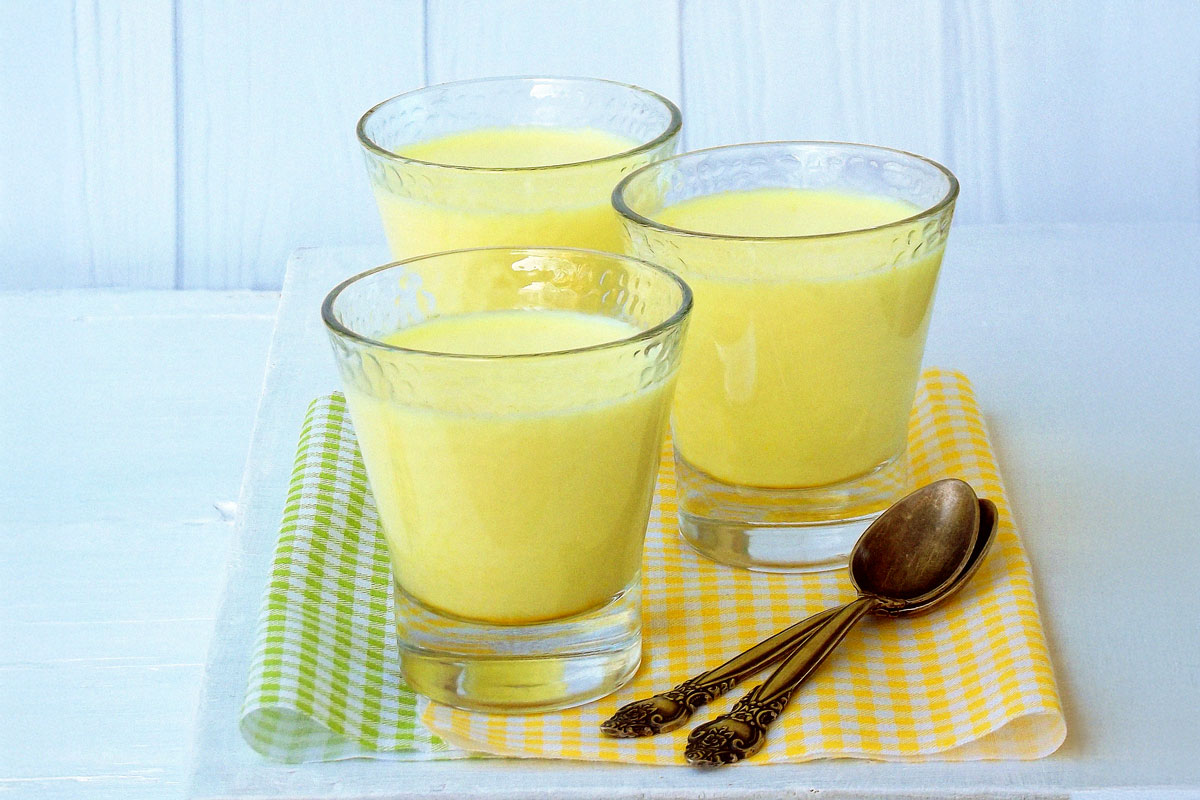
For much of the late 19th and early 20th centuries, a custardlike dessert known as junket was a mainstay on American tables. Junket originated as a European dessert in the Middle Ages, made by gently warming milk and setting it with animal rennet, an enzyme traditionally used in cheesemaking. It required no baking, no eggs, and very little sugar, along with a little nutmeg or vanilla. The result was a softly set dessert with a texture somewhere between a pudding and a jiggly gelatin.
Junket’s rise in the U.S. started around 1886. That’s when Danish company Chr. Hansen’s Laboratory began marketing rennet tablets, sold in a box that included a recipe for junket. By the early 20th century, rennet tablets and presweetened, flavored powdered mixes that eliminated the need for additional sugar, vanilla, and nutmeg were widely available. Recipes and advertisements appeared regularly in newspapers, calling the dessert nutritious and easily digestible; it was pitched as ideal for children or anyone recovering from illness.
By the 1970s, junket custard had largely faded in popularity. Refrigerated desserts such as Jell-O and boxed puddings replaced junket as a staple, though the dessert does survive today — mostly as a specialty item at select stores.
— advertisement —
Potato Candy
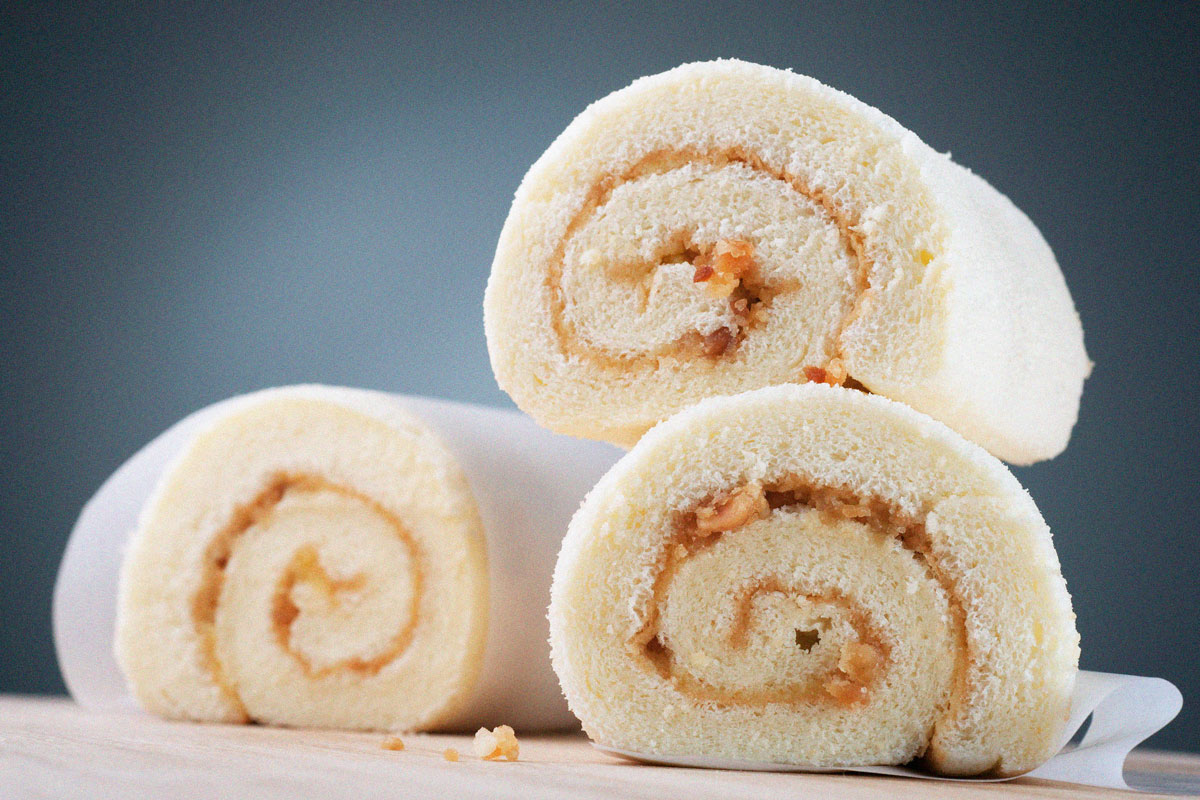
Luckily, potato candy doesn’t actually taste like potatoes, even though the starchy vegetable is indeed the main ingredient. Potatoes (preferably russet) are cooked, mashed, cooled, and mixed with powdered sugar to form a pliable dough. The dough is then rolled thin, spread with a filling, and rolled up into a log before being chilled and sliced into sweet, soft, pinwheels.
It’s tough to pinpoint the exact origin of this resourceful treat. It was most likely passed down through families of Irish and German descent; from there, Pennsylvania Dutch settlers likely introduced it to the U.S., where it became especially popular across the wider Appalachia region.
Though it predated the Great Depression, potato candy was a recipe that was ripe for proliferation during that time: potatoes were plentiful, filling, and nutritious, and confectioner’s sugar was cheaper than granulated sugar. The classic filling is peanut butter, although depending where your grandparents grew up, they might have enjoyed it with walnuts (a Kansas tradition) or coconut (for New Englanders).
— advertisement —
Chocolate Mayonnaise Cake
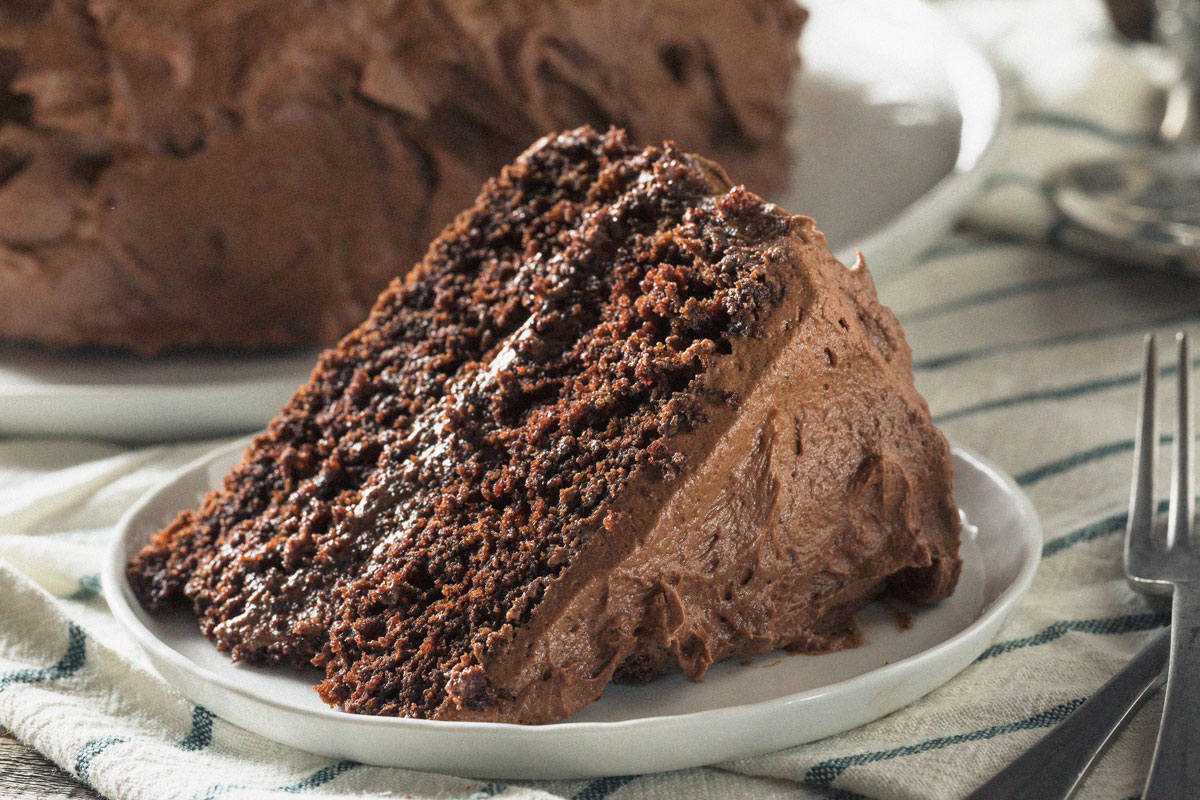
Mayonnaise in cake may sound unusual, but it makes perfect sense in context. The first known recipe for a chocolate mayonnaise cake appeared in a 1927 edition of the Oakland Tribune, but it wasn’t until 1940s wartime rationing hit that the dessert became an American staple.
Mayonnaise is essentially a mixture of egg yolk and oil. When fresh eggs or butter weren’t available, home cooks found that substituting mayonnaise didn’t just do the trick, but even improved the cake, making it quicker to put together and more moist than the original.
In the late 1930s, Hellmann’s parent company Best Foods printed a recipe for chocolate mayonnaise cake in a promotional booklet. After World War II, the recipe became familiar enough that Hellmann’s printed it directly on mayo jars in 1961 — not unlike Campbell’s did in 1960 for the famed Tomato Soup Cake recipe that flourished during the Depression.
Water Pie
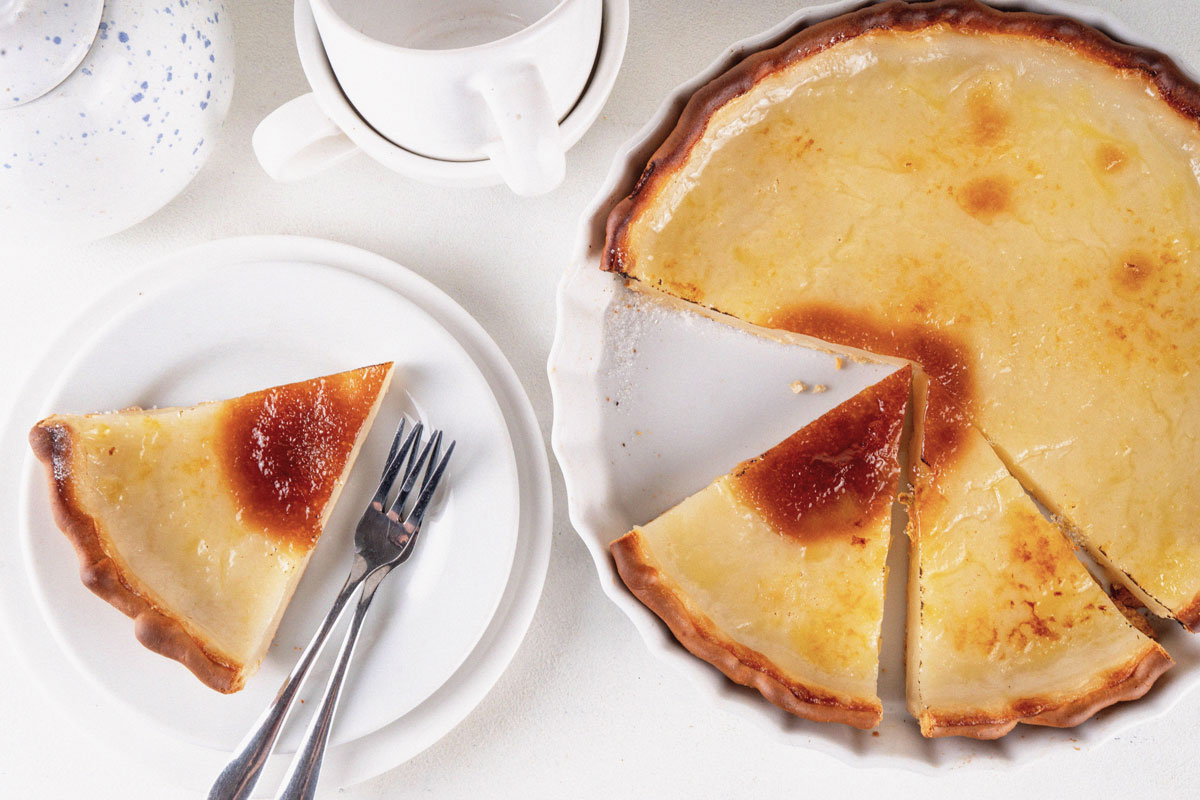
During the Great Depression, when food ingredients were scarce and pockets were bare, an array of make-do desserts known as “desperation pies” proliferated across the country. Vinegar pie is one of the more familiar ones, but another one known (rather bleakly) as water pie was also a go-to. Recipes for both of these pies actually predate the Depression: Versions of water pie appeared in U.S. newspapers as early as the 1870s and 1880s. At that time, fresh ingredients such as milk and eggs were seasonal due to cows and hens producing less in the cold winter months, so substitutes were useful.
Water pie was pretty much exactly what it sounds like: a pie made primarily from water. It also relied on sugar, flour, butter, and some nutmeg or vanilla. The ingredients could be assembled right inside the unbaked pie shell, but would remain watery and need to be completely chilled before being served. Alternatively, the filling could be mixed and baked into a custardlike texture before being added to the pie shell and baked into a not-too-sweet treat.
— advertisement —
Prune Cake
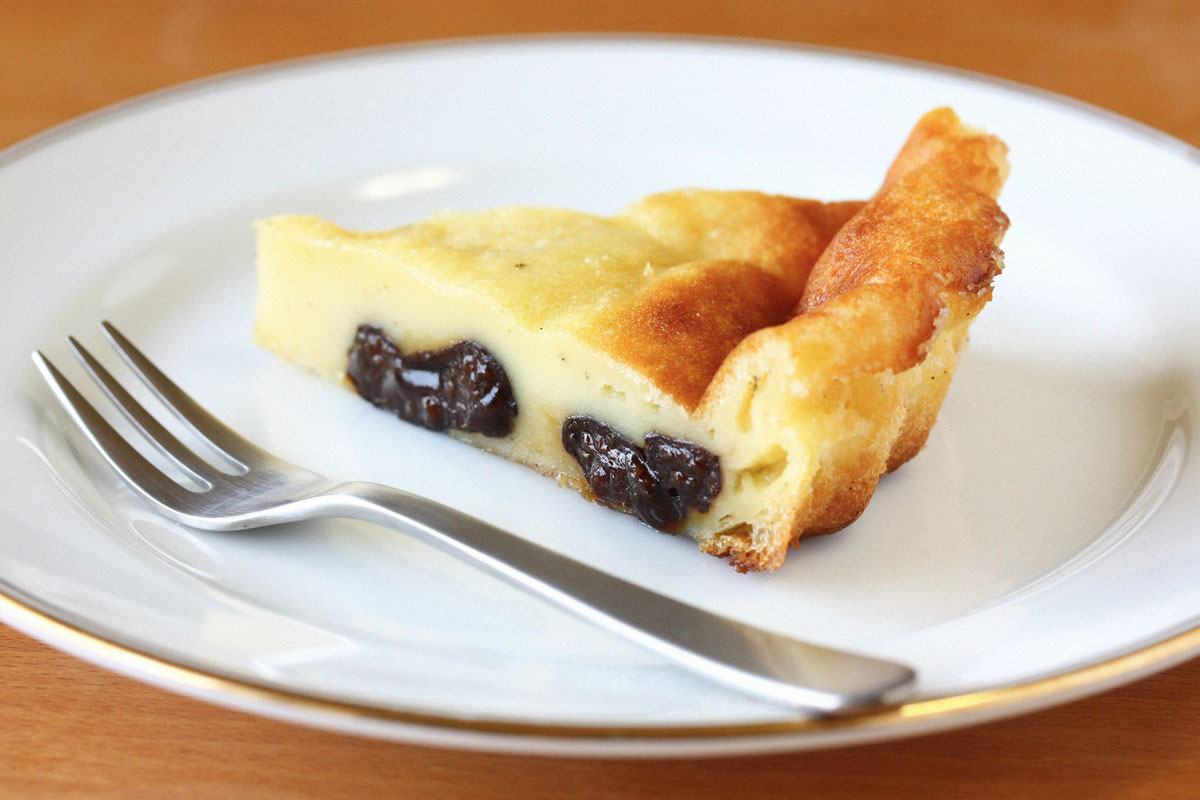
Prunes may not get much culinary respect today, but for generations they were an essential ingredient in American kitchens. Although they’ve been grown in the U.S. since colonial times, prunes — otherwise known as dried plums — didn’t become a major crop until the mid-19th century, when French horticulturist Louis Pellier arrived in California during the California gold rush. In 1901, prune growers from the Golden State proudly promoted prune-based recipes — including prune cake — at the Pan-American Exposition in Buffalo, New York, and the fruit spread in popularity from there.
Prune cake was moist, naturally sweet, spiced with cinnamon and nutmeg, and often topped with a boiled buttermilk glaze. It remained a popular cookbook fixture until the start of the 1920s. That’s when plum growers decided to market prunes’ high fiber content as a natural remedy for constipation, and the fruit became relegated to punchlines and the fringes of health food stores.