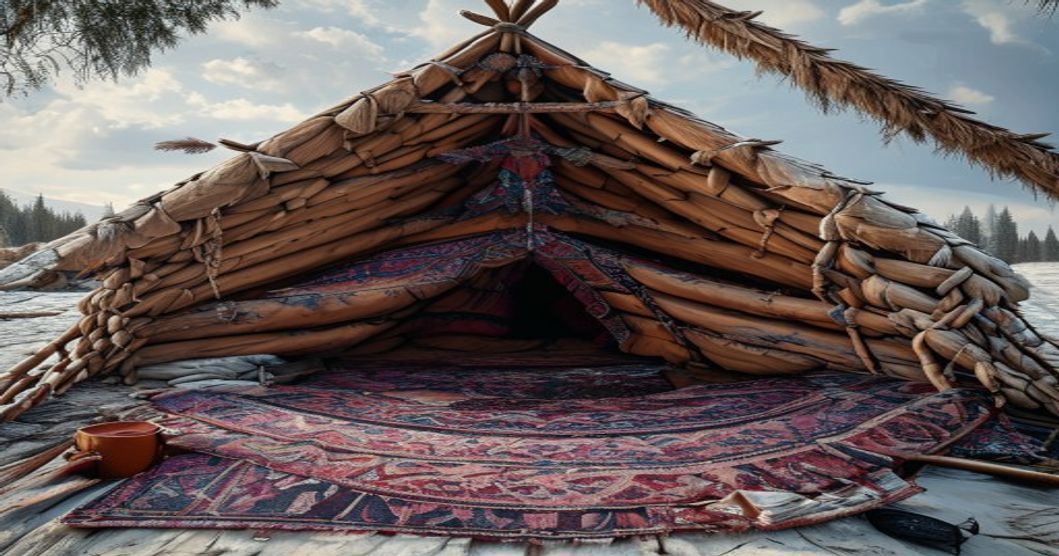
Understanding the Sámi Lavvu
A traditional Sámi lavvu stay represents one of the most authentic forms of indigenous Arctic accommodation, offering travelers an immersive encounter with centuries-old nomadic heritage. The term lavvu translates directly from Northern Sámi to mean tent or dwelling, yet it differs significantly from North American teepees in structural engineering, cultural symbolism, and climatic adaptation. Staying within a lavvu is not merely about shelter; it is a guided immersion into Sámi culture, ecological awareness, and sustainable living practices that have survived harsh subarctic conditions for millennia.
Historical Significance & Cultural Roots
The origins of the lavvu trace back to pre-Christian Sámi spirituality and seasonal migration patterns across Fennoscandia. Historically used by reindeer herders, hunters, and gatherers, these structures functioned as mobile cultural centers where knowledge transmission occurred around the central hearth. The circular floor plan symbolizes continuity and community cohesion, while the upward-reaching poles represent a connection between earth and sky. During your stay, you will learn how indigenous Arctic traditions shaped survival strategies, seasonal calendars, and relational ethics with reindeer herds and tundra ecosystems.
Architectural Design & Construction
Engineering precision defines the lavvu framework. Typically composed of 15 to 20 hand-selected birch or pine poles, the structural lattice is lashed together at the apex using braided reindeer sinew or hemp cordage. The outer shell traditionally featured layered reindeer hides treated with fish oil for waterproofing; contemporary lavvu tent setup protocols utilize heavy-duty, breathable canvas reinforced with UV-resistant coatings. A precisely positioned smoke hole regulates airflow, prevents carbon monoxide buildup, and allows visual continuity with celestial navigation. Modern ethical installations incorporate insulated ground mats, windbreak fencing, and modular fireboxes that maintain thermal efficiency without compromising the original silhouette.
What to Expect During Your Stay
Booking a unique Arctic experience within a lavvu requires preparation for off-grid living, sensory adaptation, and cultural exchange. Camp layouts are deliberately decentralized to minimize environmental footprint, with sleeping quarters, dining areas, and hygiene facilities arranged in concentric zones around communal fire pits. Hosts prioritize experiential learning over luxury amenities, ensuring that every interaction reinforces respect for Sámi land rights and ecological boundaries.
Seasonal Differences: Winter vs. Summer Experiences
The Sámi winter stay transforms the landscape into a silent expanse of snow and ice, with temperatures frequently dropping between -20°C and -40°C. Inside a heated lavvu, visitors experience thermal layering techniques, aurora borealis tracking from elevated platforms, and traditional activities like snowshoe navigation and reindeer-pulled sled travel. Summer operations shift toward the midnight sun ecology, where temperatures range from 5°C to 18°C. Camps adapt with insect-net canopies, raised ventilation flaps, and extended daylight programming focused on berry foraging, wildflower identification, and kayak expeditions across thawed rivers. Both seasons demand climate-responsive gear but deliver radically different ecological narratives.
Daily Routines & Indigenous Activities
Morning routines begin with Sámi hospitality, featuring cloud coffee brewed over open flames and flatbread baked on hot stones. Afternoons are structured around skill-based workshops: duodji (handicraft) carving, traditional rope braiding, reindeer hide tanning demonstrations, and guided tracking sessions led by local herders. Evenings revolve around communal storytelling, where elders share joik singing traditions, migration folklore, and ethical hunting guidelines. Participants often assist in meal preparation, utilizing locally sourced reindeer venison, Arctic char, and cloudberries to understand food sovereignty practices.
Sustainable Practices & Ethical Tourism
Ethical sustainable Arctic tourism hinges on transparent revenue distribution, habitat protection, and cultural consent. Reputable lavvu operators partner directly with Sámi duodji cooperatives and reindeer husbandry associations, ensuring that booking fees fund land stewardship programs and language revitalization initiatives rather than external corporate intermediaries.
Supporting Sámi Communities Responsibly
Travelers must verify camp ownership through Sámi-operated tourism certification platforms before reservation. Authentic sites display clear documentation of land use agreements, cultural protocol guidelines, and fair-wage employment structures for indigenous staff. Visitors should avoid purchasing mass-produced duodji replicas; instead, commission works directly from certified artisans who hold national handicraft credentials. Respecting sacred geahtes (sacred sites) and maintaining distance from breeding reindeer herds during calving seasons remains non-negotiable.
Eco-Friendly Lavvu Management
Modern camp operations enforce strict leave-no-trace Arctic protocols. Firewood is exclusively sourced from fallen branches within designated collection zones, while water purification utilizes UV filtration systems that eliminate chemical additives. Waste management follows triple-separation composting, with greywater directed through constructed wetlands for natural filtration. Solar-powered lighting, battery-operated communication devices, and carbon-offset transfer arrangements ensure minimal atmospheric impact across delicate permafrost regions.
Practical Guide for Visitors
Successful lavvu accommodation requires logistical precision, realistic expectation setting, and compliance with regional Arctic regulations. Planning should account for remote geography, limited connectivity, and strict environmental directives enforced by local conservation authorities.
Booking, Location & Accessibility
Primary Sámi camp locations cluster across Finnmark (Norway), Lapland (Sweden), Finnish Lapland, and the Abisko wilderness corridor. Reservations typically require 6 to 12 months advance notice due to limited site capacity and seasonal weather windows. Access involves commercial flights to regional hubs like Tromsø, Kiruna, or Rovaniemi, followed by guided overland transfers via tracked vehicles or winter ice roads. While most traditional camps remain off-road, several operators now provide accessible pathways and modified sleeping platforms for mobility-impaired guests, though terrain limitations persist.
Essential Packing List & Gear Recommendations
Preparation centers on Arctic layering systems rather than heavy single garments. Base layers must utilize merino wool or synthetic moisture-wicking fabrics, mid-layers require insulated fleece or down vests, and outer shells demand windproof, breathable membranes with reinforced seams. Footwear includes insulated waterproof boots with aggressive lug soles for ice traction. Additional necessities encompass thermal gloves with touchscreen compatibility, balaclavas, high-lumen headlamps, reusable insulated bottles, camp-specific footwear liners, and certified insect repellent for summer months. Single-use plastics, synthetic fragrances, and unapproved fire starters are strictly prohibited to protect wildlife and maintain air quality standards.
Frequently Asked Questions: Staying in a Traditional Sami Lavvu
What is Staying in a Traditional Sami Lavvu?
Staying in a Traditional Sami Lavvu is an immersive cultural experience where visitors sleep in a historic tent-like dwelling used by the indigenous Sami people of Northern Scandinavia. The lavvu, similar to a tipi, is traditionally constructed from wooden poles and covered with reindeer hides or canvas, offering a unique glimpse into Sami nomadic heritage and survival skills in Arctic climates.
Key facts about Staying in a Traditional Sami Lavvu?
Key facts include: it’s a UNESCO-recognized cultural practice, traditionally heated by a central open fire with smoke escaping through the top, often located in remote Arctic landscapes, and provides opportunities to learn about reindeer herding, Sami cuisine, and storytelling. Modern versions may include basic bedding and heating, but the structure and cultural significance remain authentic.