The Geographic & Historical Foundation of Sapmi
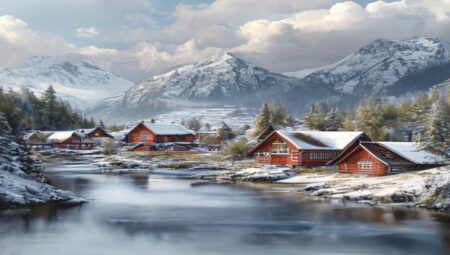
Sapmi encompasses the traditional territories of the Sami people across northern Norway, Sweden, Finland, and the Russian Kola Peninsula. This subarctic region spans latitudes 65° to 70°N, characterized by tundra, boreal forests, and rugged coastlines. Archaeological evidence indicates continuous indigenous habitation for over ten millennia, with distinct cultural developments emerging during the Bronze Age through sustained adaptation to extreme climatic conditions.
Territorial Boundaries & Indigenous Origins
Historical boundaries were never fixed by colonial borders but defined by seasonal migration routes, reindeer grazing patterns, and kinship networks. Genetic studies confirm deep ancestral links to Uralic-speaking populations, with continuous cultural evolution rather than external replacement. The Sami maintained autonomous governance through siidas, decentralized communal units responsible for resource management, dispute resolution, and collective defense.
Prehistoric Settlements & Cross-Border Identity
Radiocarbon-dated sites in Finnmark, Lapland, and Salla reveal early maritime adaptations alongside inland hunting economies. Norse sagas and Finnish folk records from the medieval period document Sami interactions with European kingdoms, highlighting trade exchanges of antler, fur, and tax obligations known as kveite. Modern political recognition formalized these territories through the 1977 Nordic Sami Convention and subsequent national indigenous policies.
Traditional Livelihoods & Seasonal Rhythms
Sami subsistence strategies were engineered around ecological precision, requiring intimate knowledge of microclimates, animal behavior, and vegetation cycles. Economic activities shifted predictably with solstices, ensuring resource sustainability without industrial intervention.
Reindeer Herding: A Sustainable Economy
Nomadic reindeer husbandry represents the most recognized Sami livelihood, managing over two million domesticated animals across Scandinavia. Herders utilize specialized tools like guksi cups, duodji knives, and snowshoes to navigate terrain. Each animal is marked with unique ear notches, enabling precise ownership tracking across vast grazing lands. Modern regulations require herding permits, but traditional knowledge still dictates calving season migrations and predator management techniques.
Coastal Fishing, Hunting, and Forest Gathering
Inland and coastal Sami communities practiced semi-sedentary fishing using weirs, traps, and drying racks for cod, salmon, and trout. Forest-dwelling groups hunted moose, bear, and ptarmigan while collecting cloudberries, bilberries, medicinal lichens, and birch bark. Seasonal camps were positioned near waterways or pine forests, with survival dependent on lavo (smokehouses) and ice-fishing techniques that prevented resource depletion.
Linguistic Diversity & Oral Heritage
The Sami linguistic landscape comprises twelve recognized languages, all belonging to the Uralic family. These tongues diverged from Proto-Sami roughly 1,500 years ago and remain vital
Frequently Asked Questions
What is Sami People Culture and Daily Life Guide?
The Sami People Culture and Daily Life Guide is a comprehensive resource that explores the traditions, lifestyle, language, and customs of the indigenous Sami people who inhabit the northern regions of Norway, Sweden, Finland, and Russia. It provides insights into their historical survival strategies, modern adaptations, and cultural preservation efforts.
Key facts about Sami People Culture and Daily Life Guide
Key facts include the Sami’s traditional reliance on reindeer herding, fishing, and hunting; their distinct polyphonic singing style known as Joik; the use of the Sami languages alongside national languages; and their ongoing efforts to maintain cultural sovereignty and land rights in the Arctic region.