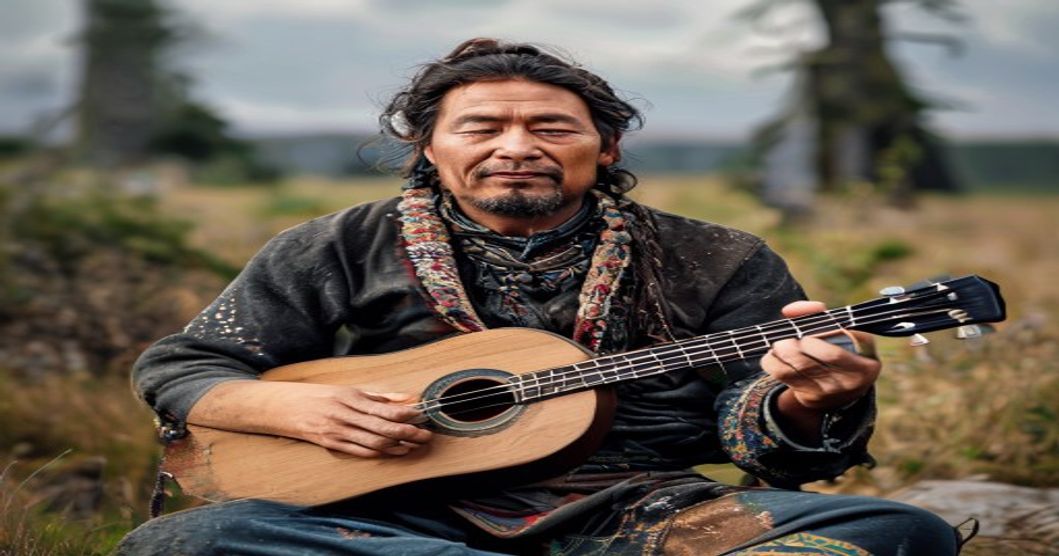
Joik: Traditional Sami Music Explained
Origins and Cultural Significance
The joik represents a deeply personal form of musical expression among the Sami people. This vocal tradition predates written history and connects performers to their ancestral landscape. Each melody functions as an auditory portrait of a specific subject. The practice maintains cultural continuity across generations.
Traditional belief systems view music as a bridge between the physical and spiritual realms. Performers often channel energy through sieidi sacred sites during rituals. The vocal technique requires precise breath control and sustained tonal focus. Communities gather to witness these performances during seasonal celebrations.
Geographic isolation shaped distinct regional styles across the Arctic tundra. North Sami variations utilize rapid ornamentation techniques. South Sami melodies employ stepwise motion patterns. Inari styles feature narrow intervallic structures. Kildin variants incorporate Russian musical influences. Ume dialects maintain archaic phrasing conventions. Each dialect carries distinct phonetic markers. Geographic isolation preserved unique features.
Vocal Technique and Musical Characteristics
The joik relies on specialized vocal production methods. Performers utilize vocal fry to create textured tonal qualities. Microtonal scales allow precise pitch manipulation beyond standard Western tuning. Repetition serves as a meditative tool rather than a structural limitation. The voice mimics natural elements like wind and flowing water. Melodic contours shift to reflect emotional states. Timbre carries more significance than harmonic progression. Vocal endurance demands rigorous physical conditioning.
Performance Contexts and Social Roles
Winter festivals host communal gatherings centered around joik performances. Spring migrations feature solo vocalizations during travel. Courtship rituals involve melodic exchanges between partners. Funerary practices require specific tonal patterns for mourning. Community leaders mediate disputes through song. Youth competitions test technical precision. Elders evaluate authenticity criteria. Performance status reflects social standing.
Contemporary Practice and Global Impact
Artists blend traditional methods with modern production techniques. Cross-border collaborations expand audience reach across continents. Academic institutions study acoustic properties of ancient recordings. Streaming platforms distribute archived vocal performances. Festival circuits prioritize indigenous voices. Commercialization risks dilute cultural context. Ethical guidelines govern usage rights. Preservation requires active community control.
Modern Artists and Cross-Cultural Adaptations
Sofia Jannok merges joik with rock arrangements. Wimme Saari maintains pure traditional forms. Mari Boine integrates jazz harmonies. Sami diaspora groups adapt lyrics to urban themes. Electronic producers sample archival vocals. Collaborations respect copyright protocols. Cultural exchange requires explicit consent. Adaptation preserves core techniques.
UNESCO Recognition and Preservation Strategies
The joik entered the Intangible Cultural Heritage list in 2019. Governments fund master-apprentice programs. Schools integrate vocal training into curricula. Digital repositories secure endangered recordings. Indigenous councils manage distribution rights. Academic research prioritizes community oversight. Funding mechanisms support elder stipends. Preservation requires active community control.
Key Differences Between Joik and Western Music
Structural foundations diverge completely. Western systems prioritize harmonic progression. Joik emphasizes timbral continuity. Composition methods oppose standard notation. Ownership models dictate performance rights. Ethical frameworks govern artistic access. The practice resists commodification.
Improvisation Versus Fixed Composition
Western scores demand exact replication. Joik performers adapt phrases daily. Improvisation reflects current environmental conditions. Fixed compositions lock melodies to notation. Traditional practice treats melodies as living entities. Variations honor subject changes. Standardization erases contextual relevance. Flexibility maintains cultural accuracy.
Ownership, Naming, and Ethical Performance
Western copyright assigns individual ownership. Joik belongs to communities and subjects. Naming a person through melody requires permission. Unauthorized performance violates cultural protocols. Commercial use demands explicit consent. Indigenous frameworks prioritize collective rights. Ethical guidelines prevent exploitation. Respect dictates artistic boundaries.
Frequently Asked Questions
What is What Is Joik? Traditional Sami Music Explained?
Joik is a traditional form of vocal music practiced by the Sami people of northern Europe. It is not a song about something, but rather a direct expression of the essence, spirit, or identity of a person, place, animal, or feeling. The word “joik” itself comes from the Sami language and represents a unique, deeply spiritual musical tradition that predates written history.
Key facts about What Is Joik? Traditional Sami Music Explained
- Joik is deeply spiritual and personal, often used to honor individuals, nature, or historical events.
- It typically features a repetitive, circular melody without a fixed verse-chorus structure.
- Traditionally performed a cappella, though modern joik sometimes incorporates instruments.
- The Sami people, indigenous to Sápmi (northern Norway, Sweden, Finland, and Russia), preserve this cultural heritage through generations.
- UNESCO recognized joik as an Intangible Cultural Heritage of Humanity in 2019.