
First off, reindeer herding is a cornerstone of Sami culture and economy. It’s not just about herding; it’s a way of life. Imagine managing a herd of reindeer, each animal embodying the spirit of the land. This traditional practice provides meat, hides, and other materials, sustaining not only families but also cultural traditions. Plus, these herders are like guardians of the Arctic landscape, ensuring that it remains undisturbed and thriving for generations.
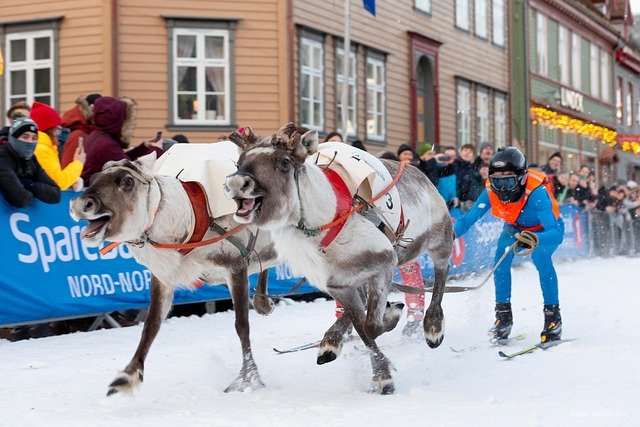
But it doesn’t end there! Tourism is becoming increasingly significant. Picture this: visitors flocking to experience Sami culture, from reindeer sledding to staying in traditional lavvu tents. These experiences offer tourists a peek into a world that feels almost like stepping back in time. The blend of adventure and culture creates a buzz that benefits local economies.
Then there’s the fishing industry, another vital component. The pristine waters of the North are teeming with life, and fishing has long been a way for Sami to connect with nature while filling their nets. This age-old practice is not just about survival; it also plays a crucial role in sustaining community ties and traditions.
Thriving Traditions: How Reindeer Herding Fuels Sami Livelihoods in the Modern Age
Reindeer herding is more than just a way to make a living; it’s a deep-rooted tradition that binds the Sami to their culture and the land. It’s like a dance between people and nature, where every step has been perfected over generations. Can you picture it? Herding groups maneuvering the animals across the vast Arctic landscapes, using skills passed down from their ancestors. This isn’t just about survival; it’s about pride, identity, and sustainability.
In recent years, this age-old practice has embraced modern techniques while still holding on to its roots. With the help of technology like GPS and drones, Sami herders can monitor their reindeer, making it easier to manage their herds. This blend of tradition and innovation ensures that reindeer herding remains viable in a rapidly changing world. Isn’t it fascinating how they keep the spirit of their heritage alive while adapting to the times?
Moreover, reindeer products aren’t just dinner plates—they’re a symbol of Sami culture. From delicious meats to intricate crafts made from antlers, every part of the reindeer plays a role in the economy. This not only keeps the traditions thriving but also attracts eco-tourists eager to experience the Sami way of life.
From Past to Present: The Evolution of Sami Crafts in Today’s Marketplace
Well, picture this: once upon a time, Sami crafts were primarily utilitarian—tools and clothing designed to meet the needs of a nomadic lifestyle. Now, they’ve transformed into sought-after luxury items, capturing the attention of modern consumers who crave authenticity and craftsmanship. These artisans have embraced technology, showcasing their works online and connecting with a global audience. It’s like bringing a slice of the Arctic right to your living room!
Now, how do these crafts compete with mass-produced products? The answer lies in their unique stories and cultural significance. Each piece carries the essence of the Sami way of life, making it not just an item but an experience. When you buy a traditional Sami knife or a colorful gákti (traditional clothing), you’re not just acquiring a craft; you’re becoming part of a living tradition. How cool is that?
Moreover, sustainability is a hot topic these days, and Sami crafts are stepping into the spotlight like a finely crafted reindeer hide. With an eco-conscious mindset, these artisans use natural materials and traditional methods, appealing to consumers who prioritize ethics as much as aesthetics. As people increasingly seek out unique, meaningful products, Sami crafts are carving out a niche that’s both lucrative and respectful of cultural heritage. Isn’t that a beautiful evolution?
Harnessing Nature: The Role of Sustainable Tourism in Empowering Sami Communities
So, why is this so important? Well, Sami communities have faced countless challenges over the years, from climate change to cultural erosion. When you visit their land and engage with their customs—be it through reindeer sledding or traditional crafts—you’re not just observing; you are actively participating in a way that’s respectful and beneficial. This isn’t just about spotting a rare bird or snapping a photo of the Northern Lights; it’s about supporting local economies that thrive on authentic experiences rather than mass tourism.
Think of it as a warm embrace rather than a fleeting handshake. Travelers who prioritize sustainable practices help create a ripple effect. Every time you buy a handmade Sami-crafted item or join a local guide for a traditional meal, you directly contribute to preserving their way of life. You’re nurturing a bond that enriches both the traveler and the community, fostering mutual respect and understanding.
Plus, sustainable tourism encourages cultural exchanges that go beyond mere sightseeing. It’s an opportunity to hear stories that breathe life into the land. When we share their experiences and deepen our understanding, we weave ourselves into the fabric of their existence—like threads in a tapestry, creating something beautiful together. Isn’t that a powerful way to travel?
Fishing for a Future: The Vital Role of Aquaculture in Sami Economic Resilience
Aquaculture serves as a modern twist on an age-old activity—it’s like bringing the best of both worlds together. When you think about it, it’s not just about fish farming; it’s about creating a reliable income while respecting the land and water that the Sami hold dear. Think of it as nurturing a garden under the sea, where every fish counts, not just for profit but for preserving cultural heritage and traditions.
Moreover, as climate change throws punches at our ecosystems, aquaculture stands resilient, providing a stable food source even when wild catch numbers dwindle. It’s a safety net that allows Sami communities to adapt to changing conditions while forging ahead. Who wouldn’t want their community to thrive, right?
The beauty of aquaculture is its versatility. It doesn’t just create jobs; it promotes environmental stewardship. The Sami are champions of sustainability, and aquaculture fits seamlessly into that narrative. By practicing responsible farming methods, they’re making waves in the fight against overfishing and ensuring that future generations can enjoy the same rich waters they’ve known.
Frequently Asked Questions
What Role Does Tourism Play in Sami Communities?
Tourism significantly impacts Sami communities by providing economic opportunities through jobs, crafts, and experiences that showcase their unique culture. It helps preserve traditions while raising awareness about their heritage. Responsible tourism can foster mutual respect and understanding between visitors and the Sami, contributing to cultural sustainability.
How Does Reindeer Herding Support Sami Livelihoods?
Reindeer herding is integral to Sami livelihoods, providing essential resources such as food, clothing, and income through the sale of reindeer meat and products. This traditional practice fosters cultural identity, strengthens community ties, and supports sustainable land management, enabling the Sami to maintain their way of life in harmony with nature.
What Industries Contribute to Sami Economic Development?
Various industries play a significant role in enhancing the economic development of Sami communities. Key sectors include traditional reindeer herding, fishing, tourism, and handicrafts, which leverage cultural heritage and natural resources. Additionally, modern industries such as renewable energy and technology are emerging as vital contributors, providing new opportunities for growth and sustainability.
How Are Traditional Crafts Integrated into Modern Sami Industries?
Traditional crafts play a crucial role in modern Sami industries by influencing design and production methods. These crafts incorporate age-old techniques and materials, which are adapted to current market needs, enhancing cultural identity while offering unique products. By blending heritage with contemporary practices, Sami artisans successfully create items that appeal to both local and global consumers, ensuring the preservation and relevance of their cultural practices.
What Impact Do Renewable Energy Projects Have on Sami Communities?
Renewable energy projects can significantly affect Sami communities, both positively and negatively. They may bring economic opportunities and infrastructure improvements but can also lead to land use conflicts and cultural disruptions. Understanding these impacts is essential for ensuring that such projects respect the rights and heritage of the Sami people while fostering sustainable development.