


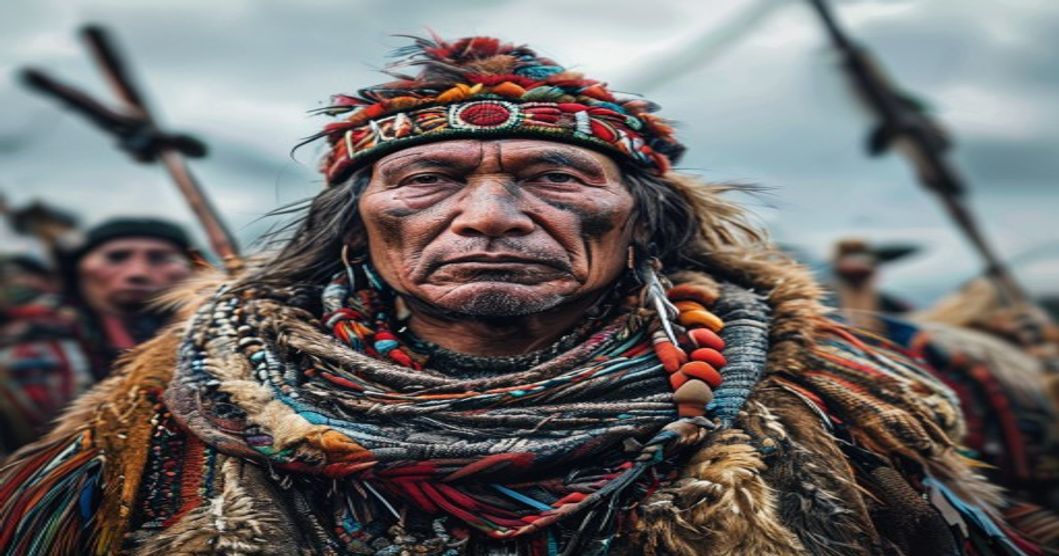
Sami Heritage and the Global Indigenous Movement: A Comprehensive Guide
The Sami people represent the only recognized indigenous population within the European Union, with ancestral territories spanning northern Norway, Sweden, Finland, and the Kola Peninsula of Russia. Their heritage encompasses reindeer herding traditions, duodji craftsmanship, joik vocalization, and a complex kinship system tied to seasonal land use. Centuries of state assimilation policies, including boarding school mandates and language suppression campaigns, have not erased Sami identity but instead catalyzed organized resistance. Contemporary Sami communities maintain distinct legal status in three Nordic countries, though jurisdictional fragmentation often complicates cross-border cultural preservation.
- Land Rights and Resource Governance: The Sami Parliament Council coordinates transnational advocacy, leveraging international frameworks like the UN Declaration on the Rights of Indigenous Peoples to challenge mining, wind energy, and forestry projects that disrupt reindeer migration routes. Legal victories in Norway and Sweden have established prior consultation requirements, setting precedents for indigenous co-management models.
- Language Revitalization Strategies: North Sami, South Sami, and eight additional dialects face varying endangerment levels. Digital archives, immersive education programs, and media production initiatives have reversed decades of decline, with Sami now integrated into university curricula and public broadcasting systems.
- Global Indigenous Networking: Sami organizations maintain formal partnerships with the Inuit Circumpolar Council, Amazonian indigenous coalitions, and Pacific land rights movements. These alliances share litigation strategies, climate adaptation data, and cultural documentation protocols, creating a decentralized but highly coordinated resistance infrastructure.
The global indigenous movement operates through layered advocacy structures that translate local land disputes into international policy shifts. Sami activists contribute specialized expertise in Arctic governance, biocultural diversity metrics, and customary law recognition. Their participation in UN Permanent Forum on Indigenous Issues and ILO Convention 169 ratification efforts demonstrates how regional heritage preservation directly influences global indigenous rights jurisprudence. Researchers analyzing this intersection should examine patent disputes over traditional knowledge, corporate social accountability frameworks, and the systematic documentation of oral histories as legal evidence.
Modern Sami economic initiatives prioritize cooperative enterprises that align traditional knowledge with sustainable tourism, ethical fashion supply chains, and renewable energy cooperatives. Digital sovereignty remains a critical frontier, as communities develop independent data governance protocols to protect sacred site coordinates, genetic research samples, and
Foundations of Sami Cultural Identity and Historical Development
The Sami people represent one of the oldest indigenous populations in Europe, maintaining a continuous cultural and territorial presence across the Arctic regions of Norway, Sweden, Finland, and Russia’s Kola Peninsula for over two millennia. Their historical trajectory developed independently of the agrarian state-building models that shaped modern Scandinavia. Instead of fixed settlement patterns, Sami communities organized around seasonal mobility, ecological specialization, and kinship-based resource management. The siida system functioned as a decentralized governance unit, regulating reindeer herding routes, fishing grounds, and hunting territories through customary law rather than centralized bureaucracy. This adaptive structure enabled survival in harsh subarctic conditions while preserving distinct social hierarchies, seasonal economic cycles, and intergenerational knowledge transmission.
Systematic cultural erosion intensified from the seventeenth century when peripheral kingdoms pursued territorial consolidation through coercive assimilation. Norwegianization policies banned Sámi languages in education, restricted reindeer grazing boundaries, and criminalized traditional spiritual practices. Swedish and Finnish administrations later enforced similar linguistic suppression and land dispossession under the guise of national integration. Despite institutional pressure, cultural continuity survived through oral archives, clandestine language maintenance, and strategic material adaptation. The late twentieth century marked a structural turning point as legal recognition replaced assimilation frameworks, enabling indigenous political mobilization and treaty-based land claims.
- Linguistic Architecture: The Sámi language family contains twelve documented varieties, each preserving specialized ecological lexicons, case systems, and vowel harmony patterns that encode centuries of environmental observation and navigational expertise.
- Political Infrastructure: The creation of the Sámediggi in Norway (1989), Sweden (1993), and Finland (1996) established direct legislative representation, shifting resource governance from state monopolies to co-management agreements over education, culture, and reindeer husbandry.
- Craft Codification: Duodji operates as a precise technical discipline rather than decorative art, utilizing geometric symmetry, material grading, and symbolic motifs that historically communicated clan lineage, marital status, and regional trade networks.
- Vocal Ontology: The joik diverges from Western melodic structures by functioning as an acoustic embodiment of subject matter. Through microtonal modulation, rhythmic repetition, and breath control, it maps topographical features, animal behavior, or ancestral memory without descriptive narration.
Contemporary Sami identity negotiations remain anchored in jurisdictional conflicts over mineral extraction, renewable energy installations, and conservation zoning within Sápmi. Nordic courts increasingly reference indigenous land tenure precedents, while grassroots organizations prioritize digital language preservation, intergenerational mentorship programs, and transnational alliances that synchronize Sami territorial claims with global indigenous rights frameworks.
Core Elements of Sami Tradition: Language, Duodji, and Spiritual Practices
The Sami linguistic framework comprises five distinct languages, each functioning as a specialized repository of Arctic ecological knowledge. North Sami, South Sami, Inari Sami, Skolt Sami, and Lule Sami maintain grammatical structures that directly encode reindeer migration patterns, snow conditions, and seasonal foraging routes. Linguists trace these dialects to the Uralic family, yet their phonetic evolution reflects centuries of cross-cultural contact with Scandinavian and Russian populations. Oral transmission remains the primary mechanism for preserving navigational techniques, weather prediction methods, and historical accounts. Contemporary revitalization initiatives deploy standardized orthography reforms, community-led immersion programs, and digital archiving to counteract systemic assimilation policies that suppressed indigenous speech during the nineteenth and twentieth centuries.
Duodji operates as both utilitarian craft and cultural identifier. Artisans process locally harvested materials including cured reindeer hide, antler, birch root, and silver wire to construct tools, winter footwear, and ceremonial regalia. Regional carving traditions utilize interlocking geometric motifs that historically denoted clan affiliation and territorial boundaries. Material preparation follows strict seasonal protocols, requiring harvest timing aligned with lunar cycles to ensure structural integrity and symbolic resonance. Modern practitioners navigate commercial markets while maintaining authenticity through official craft certification systems that verify provenance and prevent cultural appropriation.
- Spiritual frameworks center on direct interaction with Arctic ecosystems rather than institutionalized worship.
- Traditional mediators conducted ceremonies at sieidi formations, treating specific rock outcrops and water sources as active spiritual nodes.
- Joik performance functions as acoustic documentation, where vocal techniques replicate environmental frequencies instead of following conventional harmonic progression.
Contemporary preservation efforts integrate land-based education with intergenerational knowledge transfer. Community organizations coordinate seasonal workshops that teach material processing, linguistic immersion, and ecological observation simultaneously. This integrated approach ensures metaphysical continuity while addressing modern economic pressures facing Arctic communities. The synthesis of linguistic precision, craftsmanship standards, and spiritual ecology demonstrates how indigenous systems maintain functional relevance across shifting environmental and political landscapes.
The Emergence of the Global Indigenous Movement and Sami Political Mobilization
The global indigenous movement gained structural momentum during the late twentieth century, driven by coordinated advocacy against territorial dispossession, cultural assimilation policies, and resource extraction on ancestral lands. International organizations facilitated legal frameworks that recognized collective land tenure, self-determination, and linguistic preservation as enforceable rights rather than discretionary concessions. The establishment of the Working Group on Indigenous Populations under the UN Commission on Human Rights in 1982 marked a pivotal institutional shift, creating standardized terminology and diplomatic channels that indigenous groups could utilize across sovereign jurisdictions. Subsequent declarations, particularly the United Nations Declaration on the Rights of Indigenous Peoples adopted in 2007, established measurable benchmarks for state compliance regarding free, prior, and informed consent protocols.
Sami political mobilization directly intersected with these transnational mechanisms through multi-state coordination and strategic litigation. Representatives from Norway, Sweden, Finland, and Russia formed the Sámi Council in 1956, later expanding operational capacity to align with global indigenous networks such as the Permanent Forum on Indigenous Issues and the Arctic Council’s Working Group on Sustainable Development. Mobilization strategies prioritized reindeer herding sovereignty, which functioned as both an economic foundation and a cultural anchor against state-backed forestry and mining concessions. Legal challenges in national courts systematically referenced international customary law, forcing domestic legislatures to amend land management statutes and establish co-management authorities for grazing territories.
- Establishment of Sámi parliaments in Oslo, Stockholm, and Tromsø provided institutionalized representation channels within parliamentary systems.
- Cross-border reindeer herding agreements required harmonized veterinary standards and seasonal migration corridor protections.
- Language revitalization initiatives secured official recognition in municipal education curricula and public signage across four nations.
International visibility generated measurable policy adjustments, though implementation gaps persist between ratified commitments and ground-level enforcement. Resource development projects now require mandatory consultation phases that incorporate Sámi traditional ecological knowledge into environmental impact assessments. Contemporary mobilization emphasizes digital documentation of oral histories, satellite monitoring of grazing routes, and youth-led linguistic immersion programs to counteract historical marginalization. Global indigenous networks continue to function as diplomatic amplifiers, transforming localized territorial disputes into internationally monitored compliance issues.
Nordic Policy Shifts and Legal Frameworks for Indigenous Rights
Historically, Nordic states pursued systematic assimilation policies that marginalized Sámi communities across Norway, Sweden, Finland, and Denmark. The late twentieth century marked a decisive turning point as institutional recognition replaced forced cultural erasure. Legislative reforms gradually established Sámi Parliaments in Oslo (1987), Stockholm (1993), and Rovaniemi (1996), granting limited self-governance over language, education, and cultural preservation. These bodies operate within constitutional boundaries but lack binding authority over land use or resource extraction, revealing a persistent gap between symbolic recognition and substantive autonomy.
Land rights remain the central legal battleground. Norway’s 1987 Finnmark Act transferred ownership of approximately ninety-five percent of Finnmark county to local authorities, with subsequent court rulings affirming Sámi customary land rights based on historical use and occupation. The Norwegian Supreme Court decisions in 2016 and 2023 reinforced that continuous traditional reindeer herding constitutes valid legal title, setting a precedent for Indigenous property claims across Scandinavia. Sweden’s approach remains more restrictive; the Administrative Court of Appeal repeatedly denies Sámi rights to pasture lands, citing state sovereignty over subsoil resources, while Finland’s Land Court system requires exhaustive historical documentation, creating procedural barriers that delay restitution.
- Norway: Ratified ILO Convention 169 in 1990, establishing free, prior, and informed consent as a statutory requirement for mining and infrastructure projects affecting Sámi territories.
- Sweden: Maintains dualist legal traditions that delay direct application of international treaties; recent parliamentary committees propose amendments to the Environmental Code to integrate Indigenous consultation mechanisms.
- Finland: The Sámi Language Act and constitutional protections recognize cultural autonomy, yet resource licensing under the Mining Act continues to prioritize corporate concessions over traditional land tenure.
International frameworks, particularly the United Nations Declaration on the Rights of Indigenous Peoples, have pressured Nordic governments to align domestic statutes with global standards. Denmark’s Greenlandic Inuit and Danish Sámi communities face distinct legal classifications, as Danish law historically separates Arctic Indigenous rights from continental Scandinavian policies. Cross-border Sámi cooperation through the Sámi Council bridges these jurisdictional fractures, advocating for harmonized environmental stewardship and digital sovereignty initiatives. Despite legislative progress, implementation inconsistencies persist, especially regarding renewable energy projects on traditional reindeer pastures and hydroelectric development in northern basins. Legal advocacy groups now leverage strategic litigation to challenge permit approvals, while academic institutions document oral histories to strengthen evidentiary records for future land claims.
Land Sovereignty and Resource Management in Contemporary Sami Communities
The foundation of Sámi land sovereignty rests on continuous occupation, customary use, and historical treaties that predate modern Nordic state boundaries. Contemporary management frameworks operate within complex legal ecosystems across Norway, Sweden, Finland, and Russia. These nations recognize varying degrees of indigenous title, yet implementation gaps remain significant. The Sámi Parliaments function as central advisory bodies, translating ancestral claims into actionable policy through legislative lobbying and international advocacy. Resource extraction projects frequently intersect with reindeer husbandry zones, forcing communities into mandatory consultation processes that often prioritize economic development over ecological continuity.
Traditional ecological knowledge provides a critical operational layer for sustainable resource allocation. Herders track seasonal migration corridors, snow pack density, and lichen regeneration rates to adjust grazing schedules dynamically. This data-driven approach aligns with modern conservation science while preserving cultural continuity. Co-management agreements now govern several national parks and waterways, establishing joint decision-making committees that include Sámi representatives alongside government agencies. These structures require precise boundary mapping, conflict resolution protocols, and transparent revenue distribution mechanisms.
- Nordic Convention on Reindeer Husbandry establishes cross-border grazing rights
- UN Declaration on the Rights of Indigenous Peoples mandates free, prior, and informed consent
- Domestic land courts adjudicate historical usage claims against municipal zoning
- Community-led monitoring programs track biodiversity impacts from commercial infrastructure
Strategic land retention demands proactive legal defense and technical capacity building. Communities invest in satellite imagery analysis, GIS mapping, and independent environmental assessments to counter corporate proposals. Climate shifts alter traditional patterns, requiring adaptive management strategies that balance preservation with necessary innovation. Sovereignty extends beyond territorial boundaries toward cultural revitalization, language preservation, and intergenerational knowledge transfer. Effective resource management ultimately depends on recognizing Sámi institutions as legitimate governing authorities rather than external stakeholders. Municipal planning departments increasingly integrate indigenous spatial data into regional development blueprints, reducing jurisdictional friction. Revenue-sharing models for renewable energy projects provide financial independence while maintaining ecological oversight. Long-term territorial security requires sustained investment in legal teams, technical training, and diplomatic engagement across multiple administrative levels.
International Alliances: Connecting Sami Advocacy with Worldwide Indigenous Networks
The strategic integration of Sami advocacy into transnational indigenous coalitions fundamentally altered resource allocation and policy influence across circumpolar jurisdictions. Following the ratification of the United Nations Declaration on the Rights of Indigenous Peoples in 2007, Sami parliamentary representatives systematically aligned with established networks to standardize free, prior, and informed consent protocols. This coordination proved critical when navigating extractive industry expansions across northern Scandinavia and Russia.
Cross-Jurisdictional Legal Frameworks emerged as the primary mechanism for alliance building. Sami legal teams partnered with Maori resource management specialists to develop hydroelectric impact assessment models that now inform Nordic development bank lending criteria. Collaboration with the Inuit Circumpolar Council established unified monitoring systems for permafrost degradation, directly linking ecological data collection to treaty negotiation leverage.
- Digital knowledge repositories enable real-time translation of traditional ecological documentation into legally admissible formats for international courts.
- Joint lobbying coalitions at COP climate summits successfully integrated indigenous land tenure metrics into national carbon credit accounting frameworks.
- Coordinated submissions to the UN Expert Mechanism on the Rights of Indigenous Peoples standardized cross-border reindeer migration corridor protections across four sovereign states.
Institutional participation at the UN Permanent Forum on Indigenous Issues transformed fragmented local grievances into coordinated policy directives. Sami delegates leverage shared litigation strategies with First Nations organizations in Canada and Aboriginal groups in Australia to challenge corporate licensing procedures that bypass ancestral consultation requirements. This networked approach generates compounding legal precedents, particularly regarding bioprospecting restrictions and traditional seed sovereignty.
The operational infrastructure supporting these alliances relies on specialized funding mechanisms administered through the Nordic Council of Ministers and private indigenous foundations. These resources finance language revitalization curricula adapted from Māori immersion programs, fund satellite monitoring equipment for illegal logging in Sami grazing territories, and support cross-cultural exchange initiatives that document medicinal plant usage patterns across circumpolar regions.
Strategic friction occasionally emerges when balancing universal indigenous rights frameworks with region-specific governance requirements. Sami organizations navigate this complexity by maintaining distinct cultural protocols while participating in broader coalitions focused on treaty enforcement, environmental justice, and resource sovereignty. The resulting alliance architecture demonstrates how localized heritage preservation directly amplifies global policy outcomes through coordinated diplomatic pressure and shared technical expertise.
Educational Systems and Language Revitalization Programs for Younger Generations
Formal educational frameworks across Norway, Sweden, and Finland have progressively integrated Sámi curricula into mainstream schooling through legislative mandates and municipal partnerships. The Sámi Languages Act establishes compulsory instruction in North, South, and Inari Sámi where demographically viable conditions exist. School districts coordinate with Sámi parliaments to align syllabi with oral traditions, reindeer husbandry terminology, and seasonal ecological knowledge. Institutional support extends beyond primary levels through Sámi University of Applied Sciences and UiT The Arctic University of Norway, which operate degree pathways in linguistics, cultural management, and indigenous pedagogy. These institutions function as regional hubs for teacher certification and curriculum development, ensuring pedagogical consistency across cross-border Sámi communities.
Immersion-based models prioritize conversational proficiency over grammatical memorization. Youth cohorts participate in structured dialogue circles, craft workshops, and field recordings conducted alongside elders. Municipal early childhood centers deploy bilingual facilitators who embed narrative structures from joik traditions into daily routines. Digital repositories archive phonetic variations across dialects, enabling algorithmic speech recognition tools to adapt to regional pronunciation patterns. Young learners access mobile applications that simulate reindeer migration routes while teaching place-based vocabulary. Gamified flashcard systems synchronize with school calendars to reinforce seasonal lexicons before traditional grazing periods.
- Municipal funding mechanisms allocate dedicated budgets for Sámi-language teaching materials and digital licensing.
- Teacher training institutes require fluency assessments alongside cultural competency evaluations.
- University extension programs deliver weekend workshops to urban youth disconnected from traditional territories.
- Digital archiving initiatives employ machine learning to map dialectal drift across coastal and inland communities.
Institutional scalability remains constrained by educator shortages and standardized testing frameworks that prioritize national languages. Curriculum developers negotiate balance between preserving lexical authenticity and meeting regional accreditation requirements. Cross-border coordination through the Sámi Council facilitates resource sharing, though administrative fragmentation persists. Youth-led digital collectives independently produce podcasts and interactive maps, bypassing bureaucratic delays to document living speech patterns. These grassroots efforts complement formal schooling by capturing colloquial usage that institutional programs typically exclude.
Media Representation and Digital Archiving of Sami Cultural Assets
The visual and auditory documentation of Sami heritage has historically suffered from external extraction, where researchers and broadcasters captured cultural expressions without institutional consent or long-term community stewardship. Contemporary media representation now pivots toward participatory frameworks that prioritize indigenous data sovereignty. Film collectives across Sápmi produce documentaries that center joik vocalizations, reindeer husbandry cycles, and seasonal migration routes as living knowledge systems rather than ethnographic artifacts. Digital platforms amplify these narratives through decentralized hosting models that restrict commercial exploitation while preserving contextual metadata.
Digital archiving initiatives require precise technical infrastructure to maintain cultural integrity. Standardized metadata schemas adapted for indigenous contexts replace colonial classification systems, enabling accurate tagging of linguistic variants across North Sámi, Lule Sámi, and South Sámi dialects. Community curators implement controlled vocabularies that distinguish sacred ceremonial objects from everyday utilitarian items, preventing inappropriate commercialization or algorithmic misclassification. Digitized oral histories undergo phonetic normalization protocols that preserve original intonation patterns while ensuring cross-platform compatibility.
- Participatory digitization programs train youth archivists in non-invasive scanning techniques for fragile textiles and reindeer bone artifacts, maintaining material authenticity during preservation.
- Linked open data architectures connect scattered collections across Scandinavian institutions, allowing researchers to trace artifact provenance while honoring clan-specific access restrictions.
- Community-controlled repositories utilize encrypted storage protocols that grant Sami governance councils exclusive rights to approve public distribution of sensitive ceremonial recordings.
Media representation continues evolving through algorithmic transparency standards that prevent automated content filters from misidentifying joik performances as music genres or traditional dress patterns as costume designs. Cross-border collaboration between Norwegian, Swedish, Finnish, and Russian cultural agencies establishes unified digitization benchmarks, ensuring consistent quality control for high-resolution 3D object modeling and spatial audio recordings of winter landscapes. These protocols directly impact search visibility by aligning content structure with semantic search expectations while maintaining strict adherence to indigenous data governance principles.
Climate Change Impacts on Traditional Reindeer Husbandry and Ecosystem Balance
Rising temperatures across the Arctic tundra and boreal zones have fundamentally altered the seasonal rhythms that sustain Sami reindeer husbandry for centuries. The most immediate threat stems from increased frequency of rain-on-snow events, which rapidly freeze into impermeable ice layers. Reindeer cannot penetrate these crusts to access lichen pastures, leading to mass starvation during winter months. Historical climate data confirms that such extreme precipitation patterns have intensified by over forty percent since the mid-twentieth century, directly correlating with declining herd viability in northern Fennoscandia.
Vegetation phenology shifts further destabilize the pastoral system. Warmer springs trigger premature plant growth, creating a temporal mismatch between calving periods and peak nutritional availability for lactating females. This physiological stress reduces calf survival rates and compromises long-term herd genetic resilience. Concurrently, thawing permafrost transforms stable tundra terrain into waterlogged marshes, restricting traditional migration corridors and forcing herds into fragmented grazing zones.
- Ice Encrustation Events: Reindeer expend critical energy reserves attempting to dig through frozen precipitation, often resulting in fatal exhaustion before spring thaw.
- Vegetation Misalignment: Early green-up phases disrupt synchronized feeding cycles, diminishing milk production and increasing predation vulnerability for weakened calves.
- Habitat Fragmentation: Altered hydrological patterns and expanded shrub encroachment compress viable pastureland, intensifying inter-herd competition and soil degradation.
Ecosystem balance deteriorates as pastoral practices strain under climatic pressure. When traditional grazing routes collapse, concentrated herd movements accelerate vegetation loss in remaining corridors, triggering secondary erosion and reduced carbon sequestration capacity. Predator populations, including wolves and wolverines, adapt by following displaced herds into new territories, further complicating human-wildlife coexistence frameworks.
Sami communities respond through dynamic knowledge integration, combining satellite tracking, snow depth monitoring, and generational ecological forecasting to adjust herd movements in real time. However, institutional land-use policies often lag behind ecological realities, restricting adaptive mobility with fixed zoning regulations. Addressing these challenges requires recognizing indigenous land tenure rights as foundational climate adaptation infrastructure, ensuring that pastoral resilience remains central to regional biodiversity conservation strategies.
Sustaining Sami Heritage Through Cross-Cultural Diplomacy and Global Indigenous Solidarity
The preservation of Sami heritage relies heavily on structured diplomatic engagement and transnational indigenous alliances that transcend national borders. When the Sami face jurisdictional fragmentation across Norway, Sweden, Finland, and Russia, cross-cultural diplomacy functions as a unifying framework. Bilateral treaties governing transboundary reindeer herding are negotiated through formal state-to-state channels but fundamentally protect centuries-old pastoral practices. The Arctic Council’s Permanent Participants mechanism grants the Sami direct access to policy-making tables, enabling them to influence environmental regulations, resource extraction protocols, and climate adaptation strategies without relying solely on domestic political goodwill.
Global indigenous solidarity amplifies these diplomatic gains by creating shared legal and cultural infrastructure. Frameworks such as the United Nations Declaration on the Rights of Indigenous Peoples provide standardized terminology for land tenure, cultural intellectual property, and self-determination that Sami advocates apply directly to regional contexts. Collaborative litigation networks with Aboriginal groups in Australia, Māori entities in Aotearoa New Zealand, and First Nations communities across North America have produced precedent-setting rulings on water rights, sacred site protection, and linguistic sovereignty. These alliances operate through knowledge exchange programs, joint funding applications to international foundations, and coordinated testimony before human rights bodies.
- Diplomatic Channels: The Sami Parliament leverages EU framework agreements and Nordic ministerial councils to secure dedicated funding for joik preservation, traditional duodji craftsmanship certification, and Sámi language immersion schools that operate outside standard national curricula.
- Legal Precedent Building: Cross-jurisdictional case studies allow Sami legal teams to reference rulings from the Inter-American Court of Human Rights or the African Commission on Human and Peoples’ Rights, strengthening domestic claims regarding ancestral land title and resource consent.
- Cultural Infrastructure: International indigenous film festivals, digital archive partnerships with global universities, and joint renewable energy cooperatives transform cultural preservation into economically sustainable enterprises that bypass traditional state dependency.
This networked approach converts cultural vulnerability into diplomatic leverage. By positioning Sami heritage within broader frameworks of ecological stewardship, linguistic diversity protection, and decolonial governance, international solidarity mechanisms generate continuous advocacy momentum. The result is a self-reinforcing system where policy wins fund language revitalization initiatives, which in turn attract academic collaboration and diplomatic recognition, permanently altering the power dynamics that historically marginalized indigenous populations.
Frequently Asked Questions
What is Sami Heritage and the Global Indigenous Movement?
The Sámi heritage refers to the cultural, linguistic, and spiritual traditions of the Sámi people, the indigenous population inhabiting the northern regions of Norway, Sweden, Finland, and Russia. The Global Indigenous Movement is a transnational advocacy network that supports indigenous peoples worldwide in their fight for land rights, cultural preservation, political autonomy, and environmental protection. Together, they highlight how local indigenous struggles connect to global human rights frameworks and sustainable development goals.
Key facts about Sami Heritage and the Global Indigenous Movement.
- The Sámi are the only officially recognized indigenous people in the European Union.
- They possess a distinct language family, traditional reindeer herding culture, and the duodji handicraft art form.
- The Global Indigenous Movement operates through coalitions like the UN Permanent Forum on Indigenous Issues and advocates for land sovereignty globally.
- Both emphasize self-determination, cultural revitalization, and the integration of traditional ecological knowledge into climate policy.